
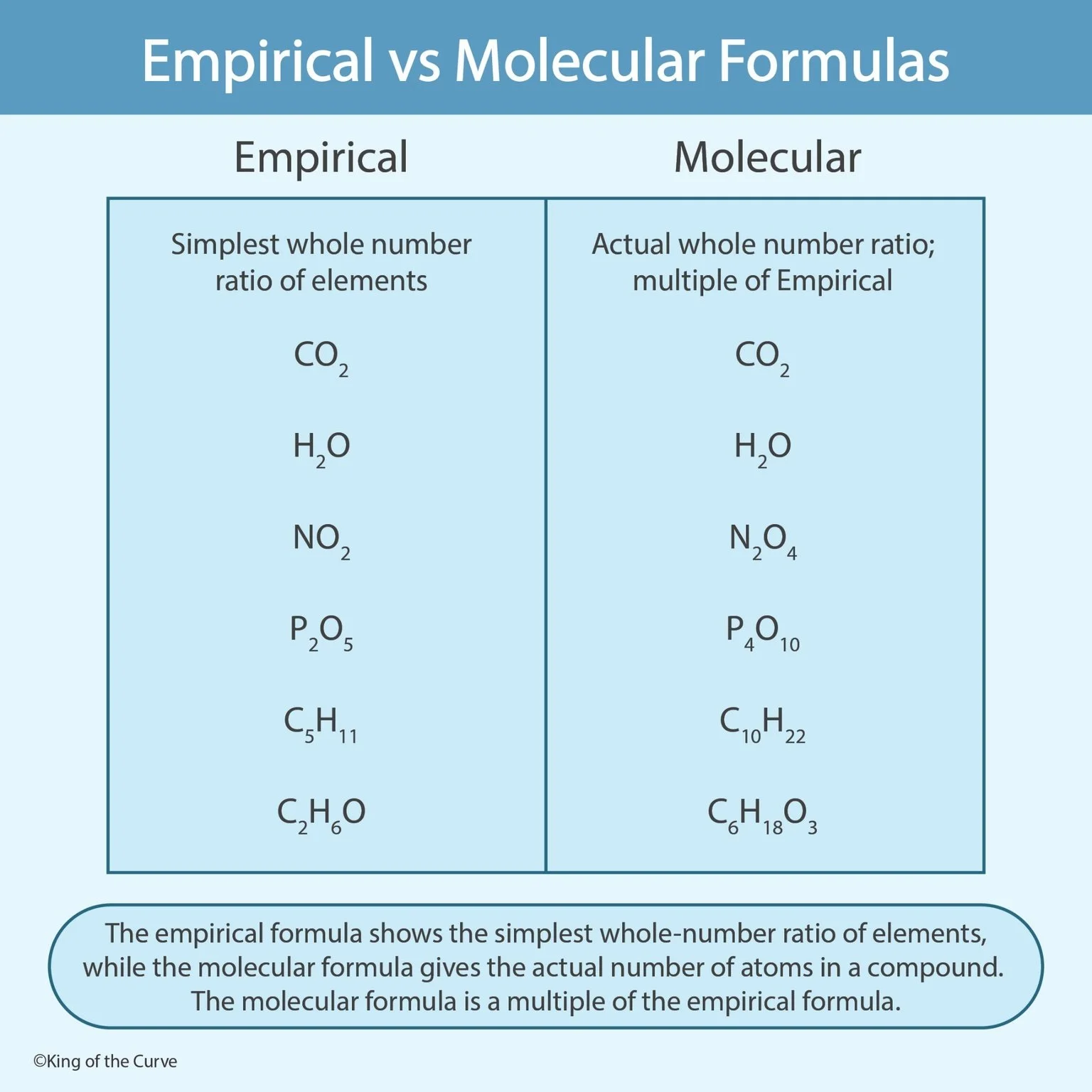
🫁 Embryological Development of the Lungs (Copy)
Learn the difference between empirical and molecular formulas, how to convert between them, and why they matter for chemistry and MCAT success.
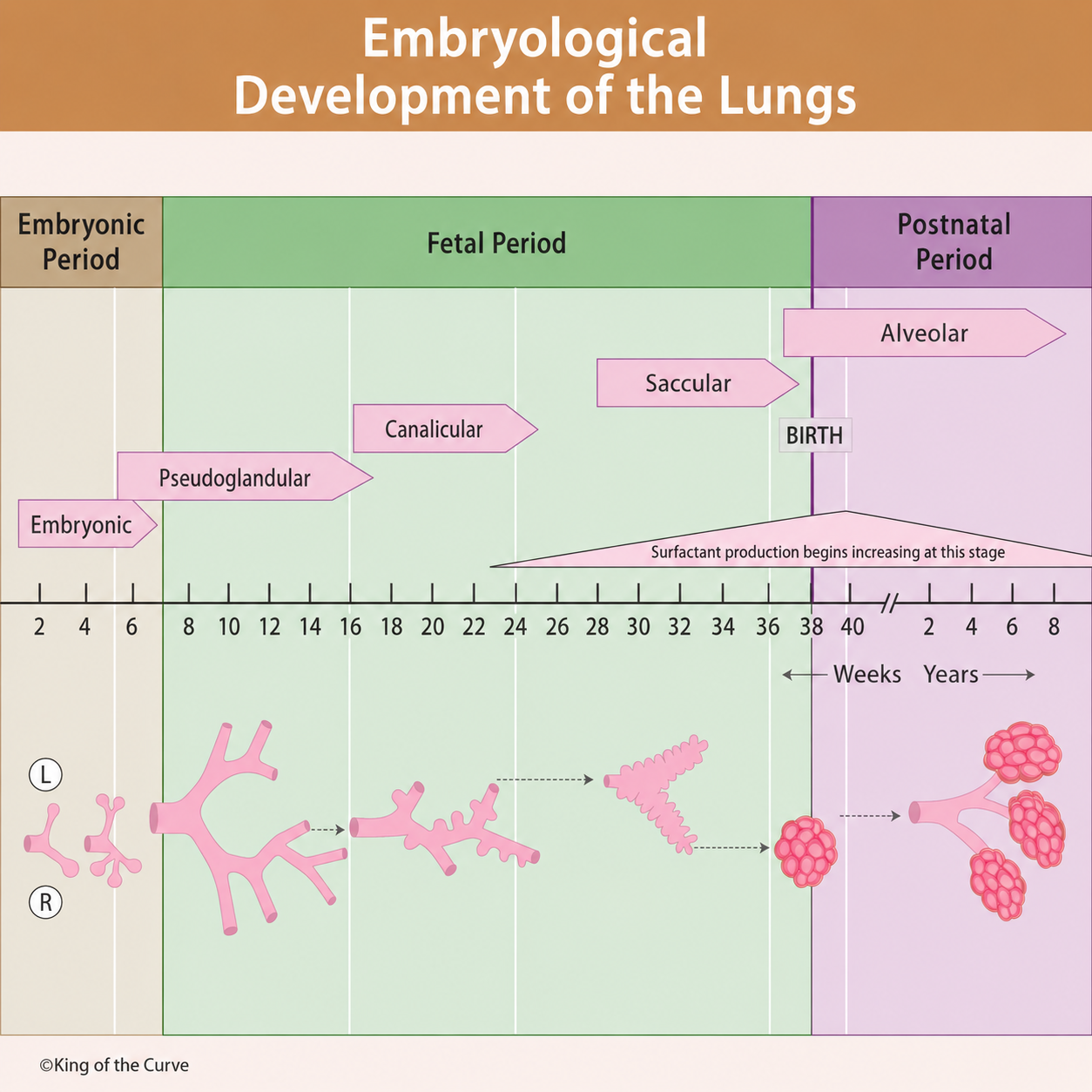
🫁 Embryological Development of the Lungs
Learn the stages of lung development including embryonic, pseudoglandular, canalicular, saccular, and alveolar phases. Perfect for MCAT and medical students.
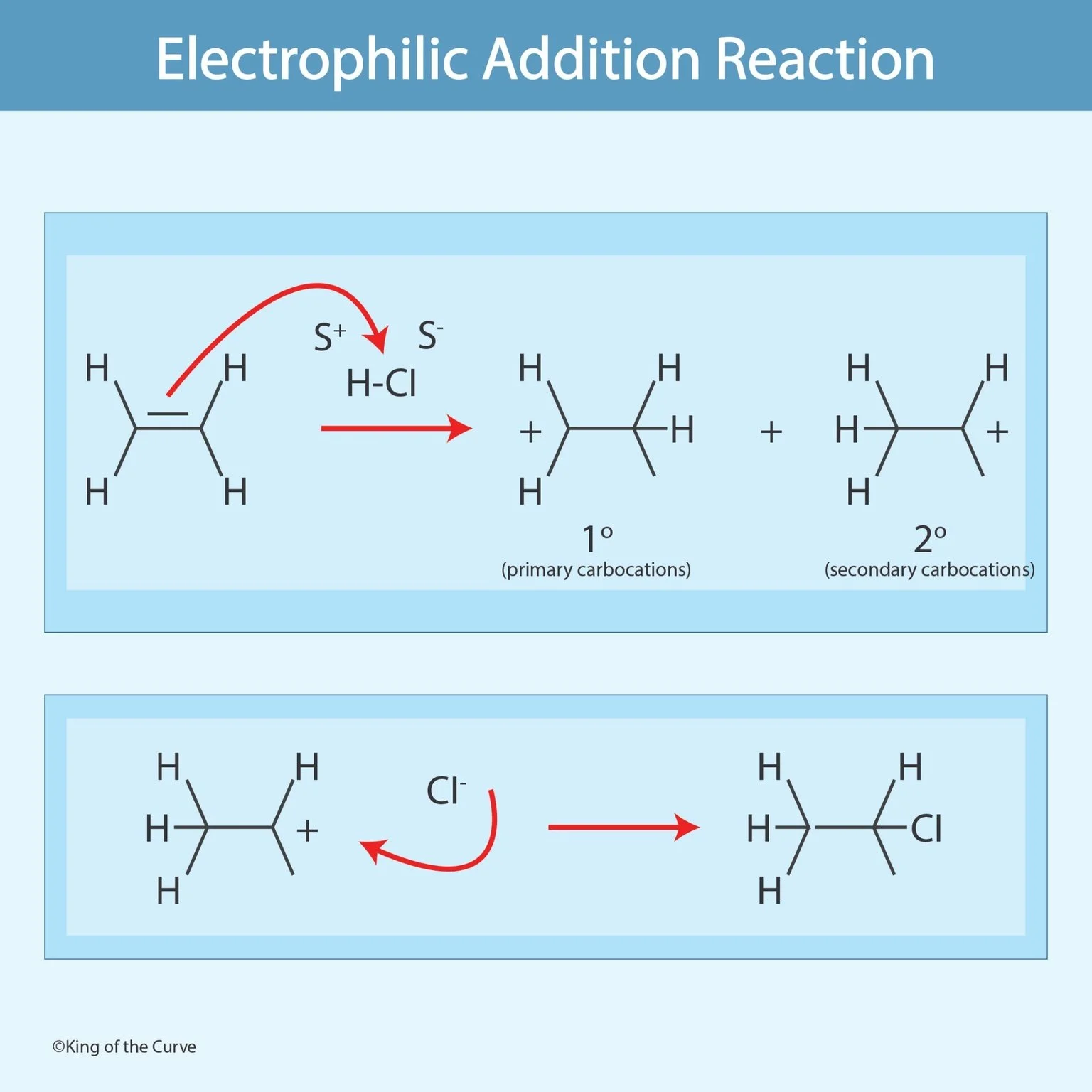
⚡ Electrophilic Addition Reactions Explained
Learn the mechanism of electrophilic addition reactions, carbocation stability, Markovnikov's Rule, and MCAT applications in organic chemistry.
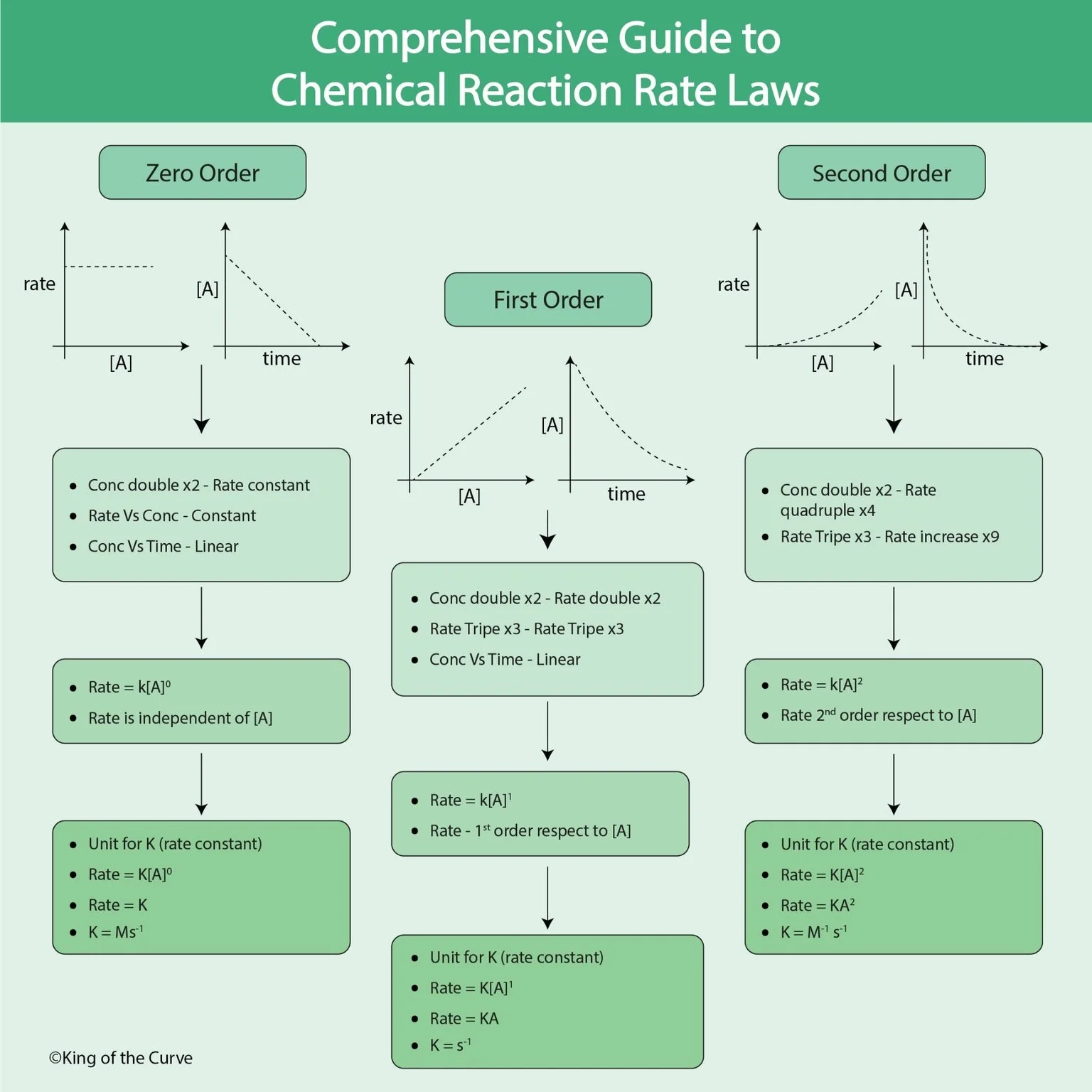
⚗️ Chemical Reaction Rate Laws Explained
Learn zero-order, first-order, and second-order reaction rate laws, their graphs, equations, and MCAT applications in this comprehensive chemistry guide.
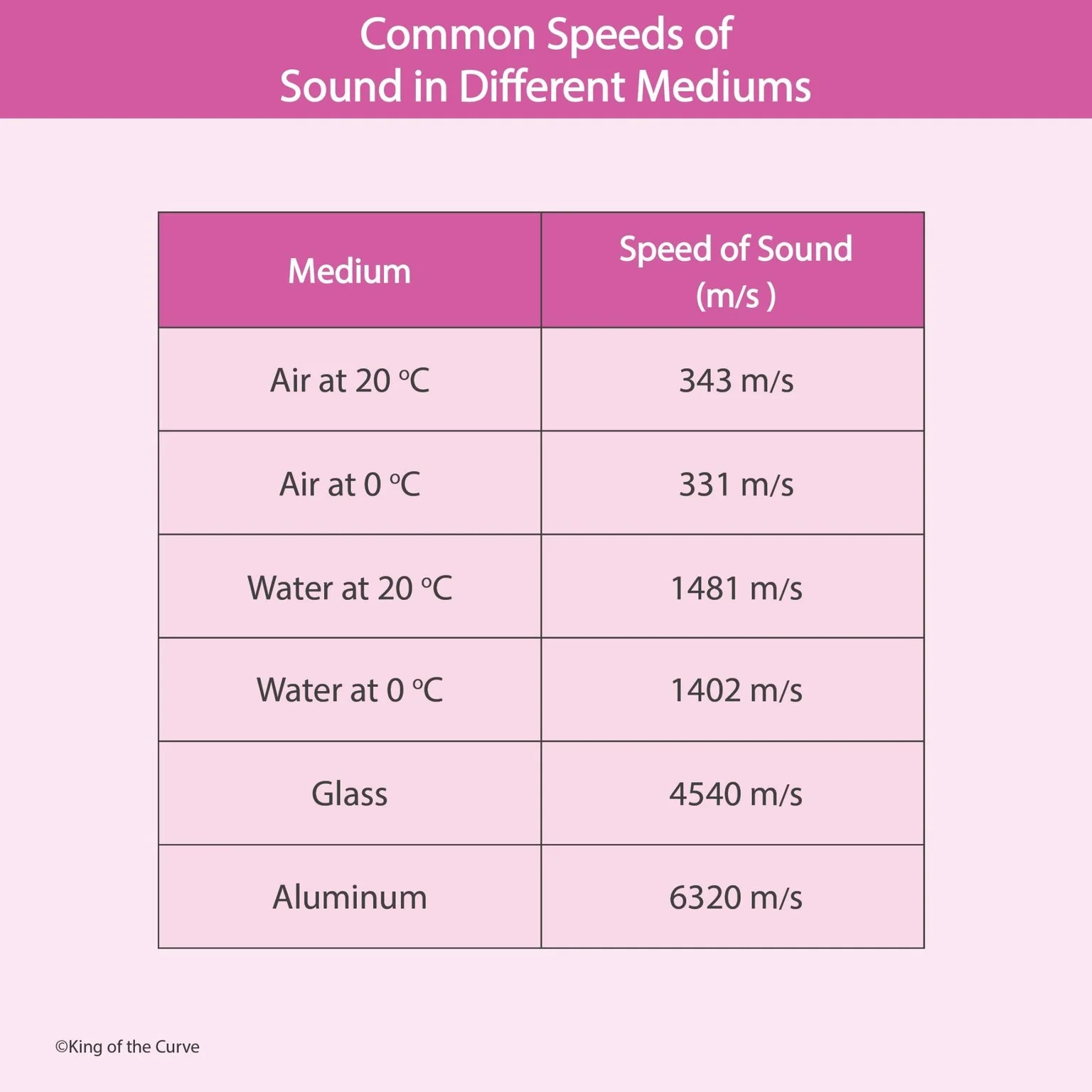
🔊 How Fast Does Sound Travel? Understanding the Speed of Sound in Different Mediums
Learn why sound travels at different speeds in air, water, glass, and aluminum. A high-yield physics concept explained for MCAT and science students.
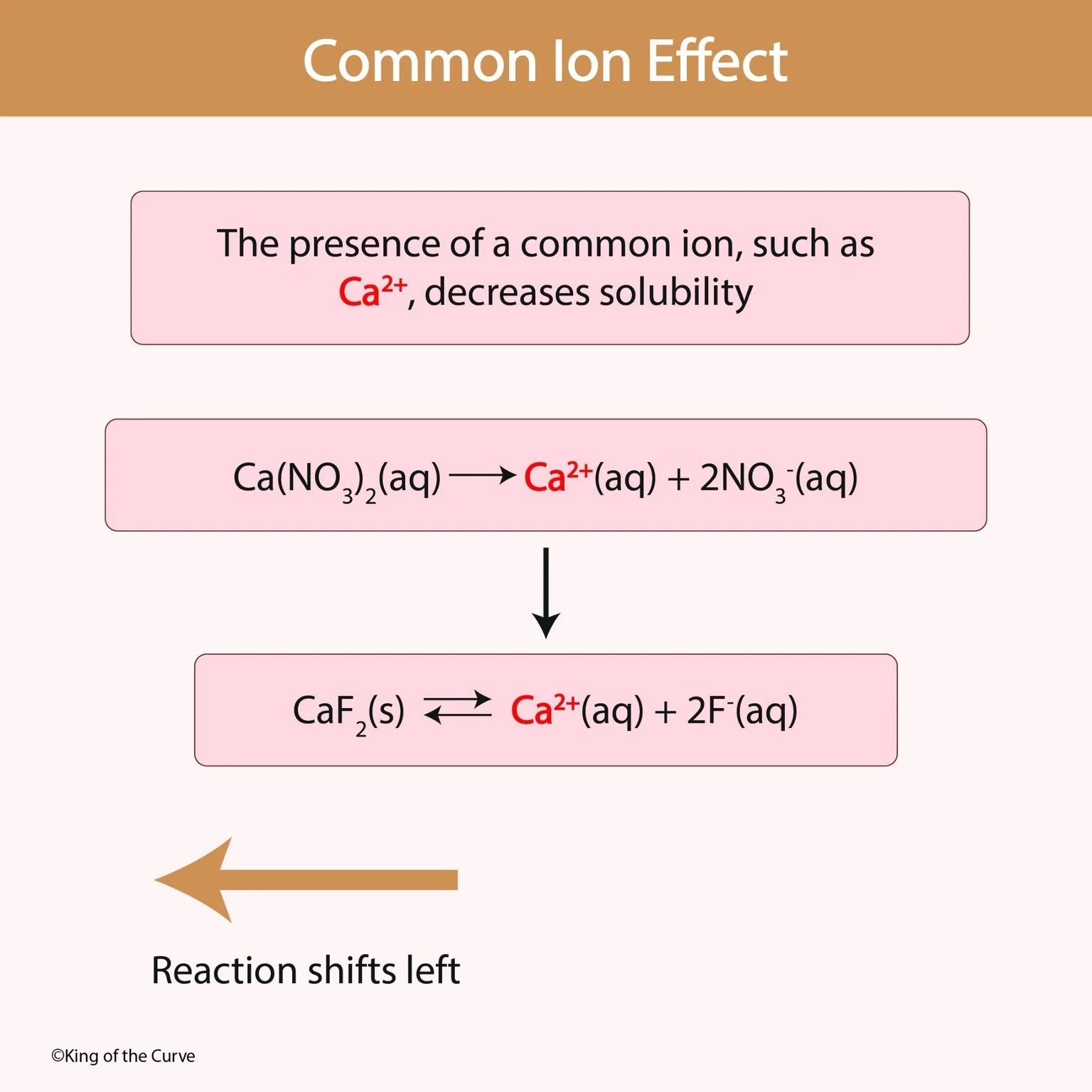
⚖️ Common Ion Effect Explained: A High-Yield MCAT Chemistry Concept
Learn how the Common Ion Effect decreases solubility through equilibrium shifts. A high-yield MCAT chemistry concept explained with visual examples.
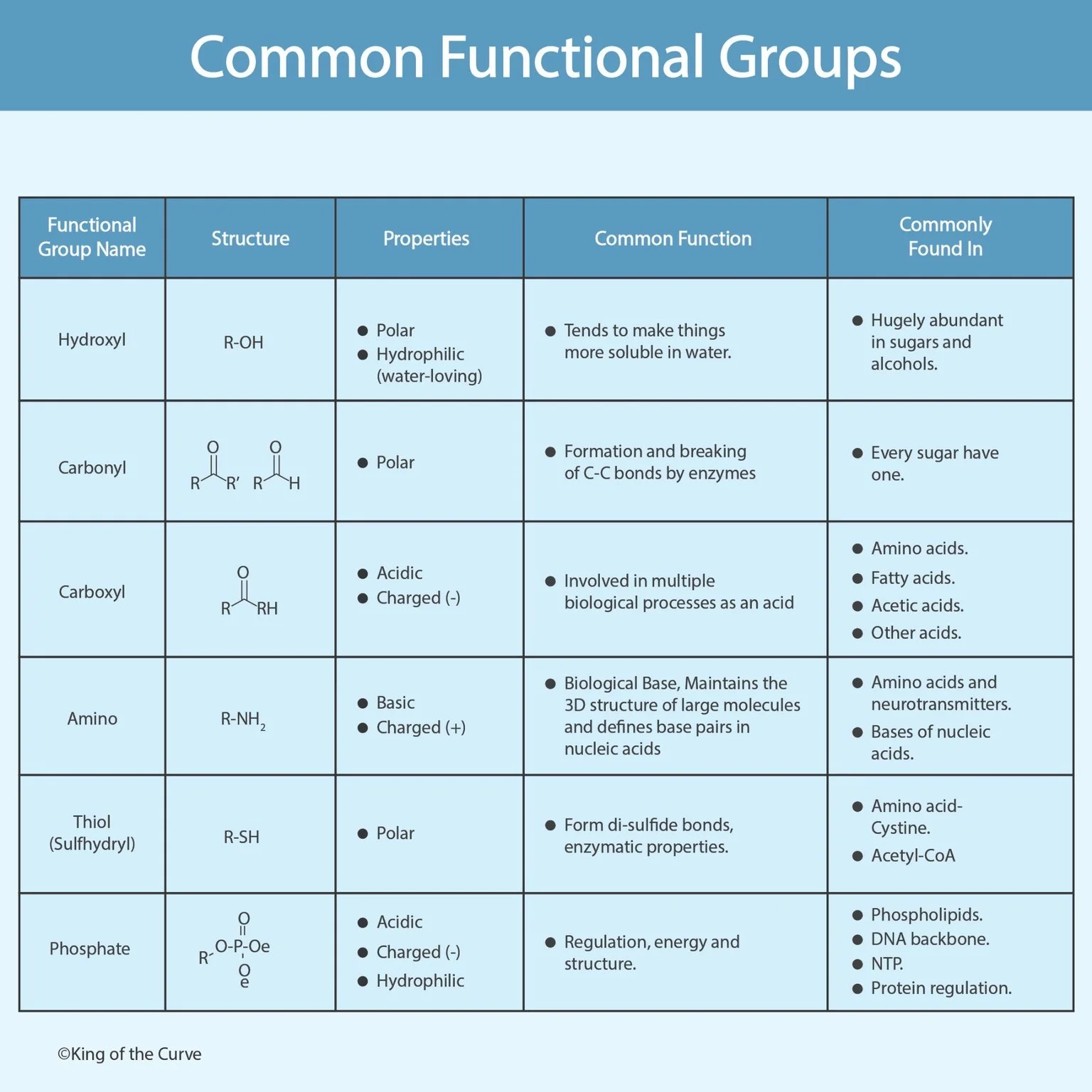
🧪 Common Functional Groups: The Building Blocks of Biochemistry and MCAT Success
Learn the six essential functional groups in biochemistry, their properties, biological roles, and how they appear on the MCAT and science exams.
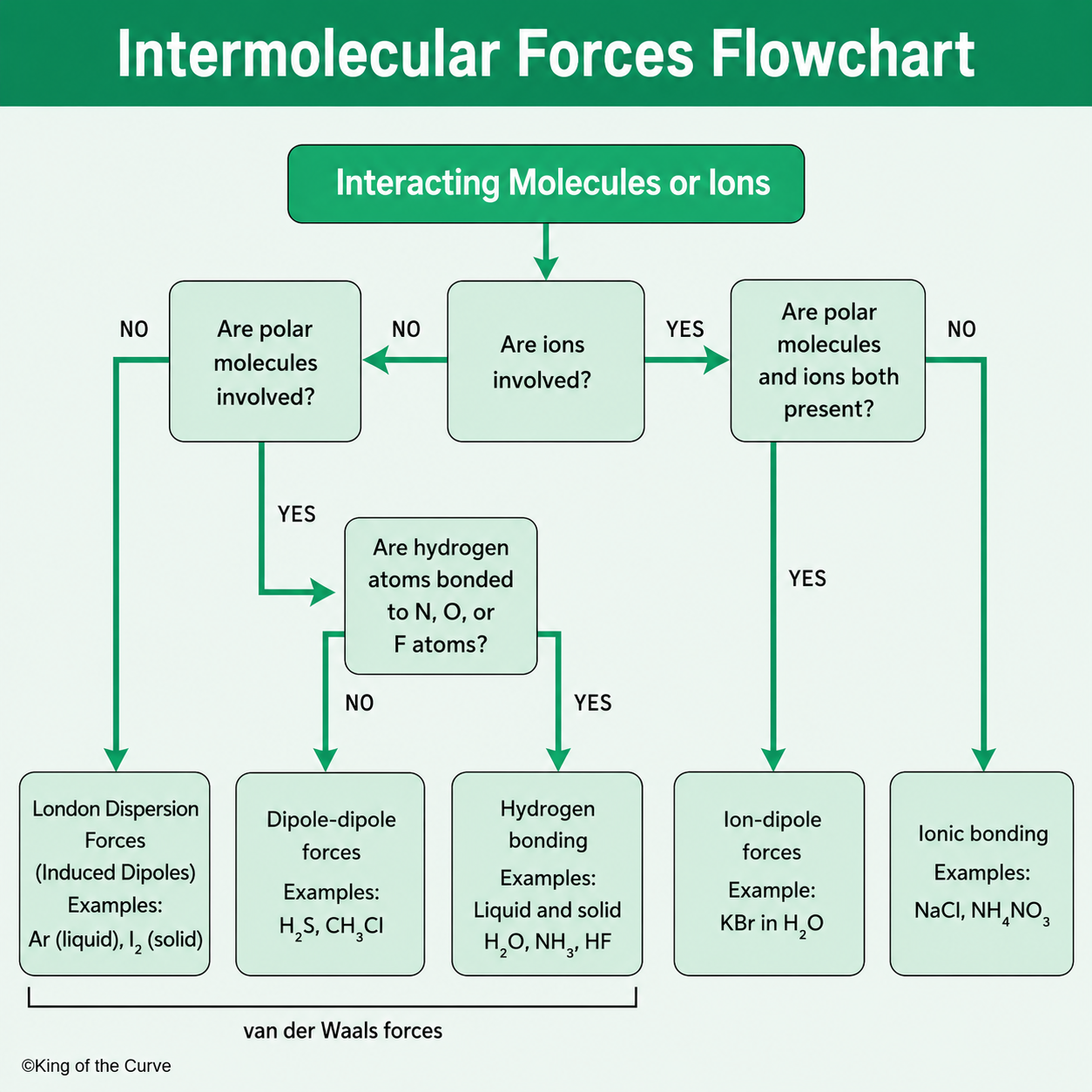
🧪 Understanding Intermolecular Forces
Learn the different types of intermolecular forces using a simple flowchart. Understand London dispersion forces, dipole-dipole interactions, hydrogen bonding, ion-dipole forces, and ionic bonding with examples.
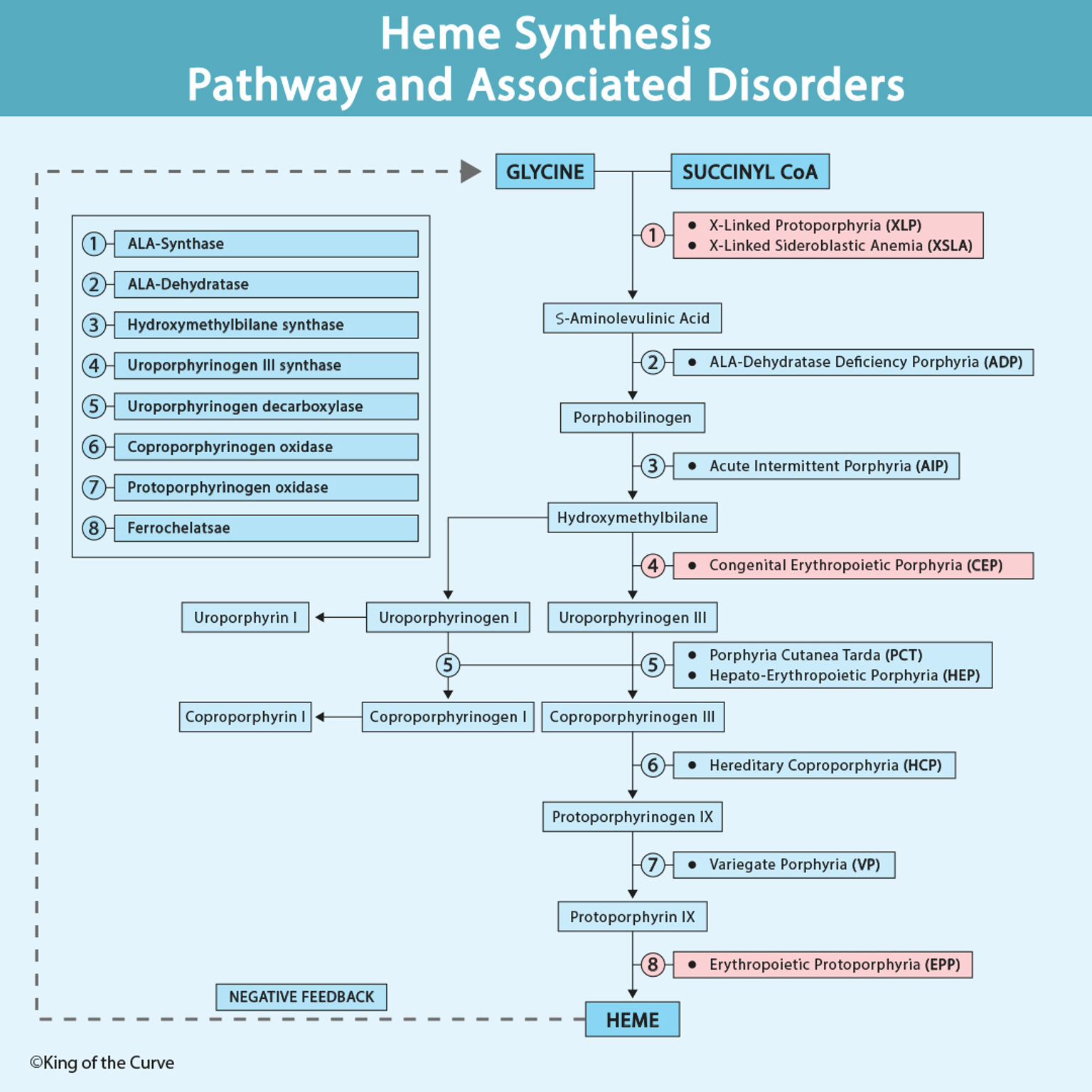
🧬 Heme Synthesis Pathway and Associated Disorders
Learn the heme synthesis pathway step-by-step and understand the associated porphyrias and enzyme deficiencies involved in heme metabolism disorders.
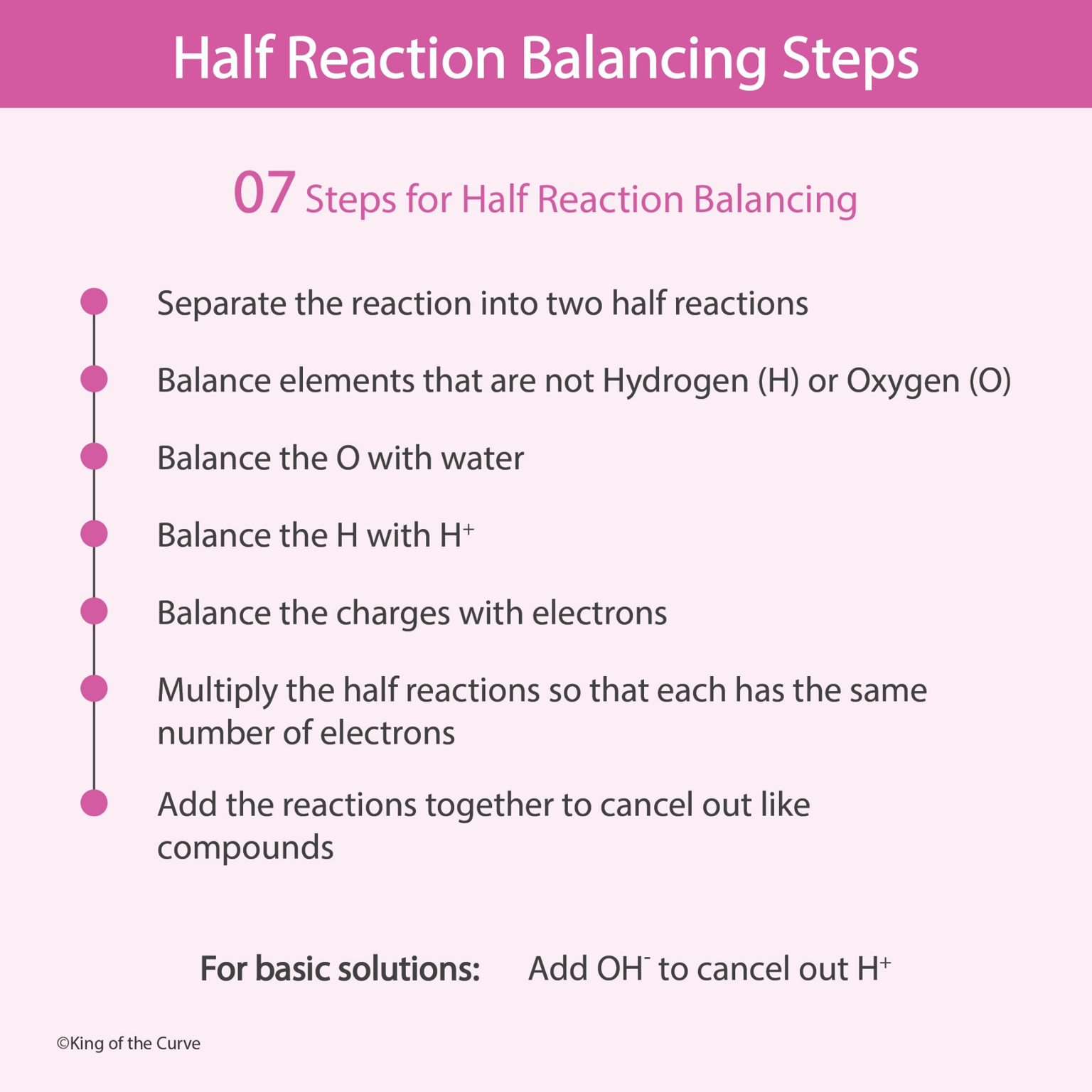
⚗️ Understanding Half Reaction Balancing Steps
Learn the 7 essential half reaction balancing steps used in redox chemistry. Understand how to balance oxidation and reduction reactions in acidic and basic solutions with easy explanations.
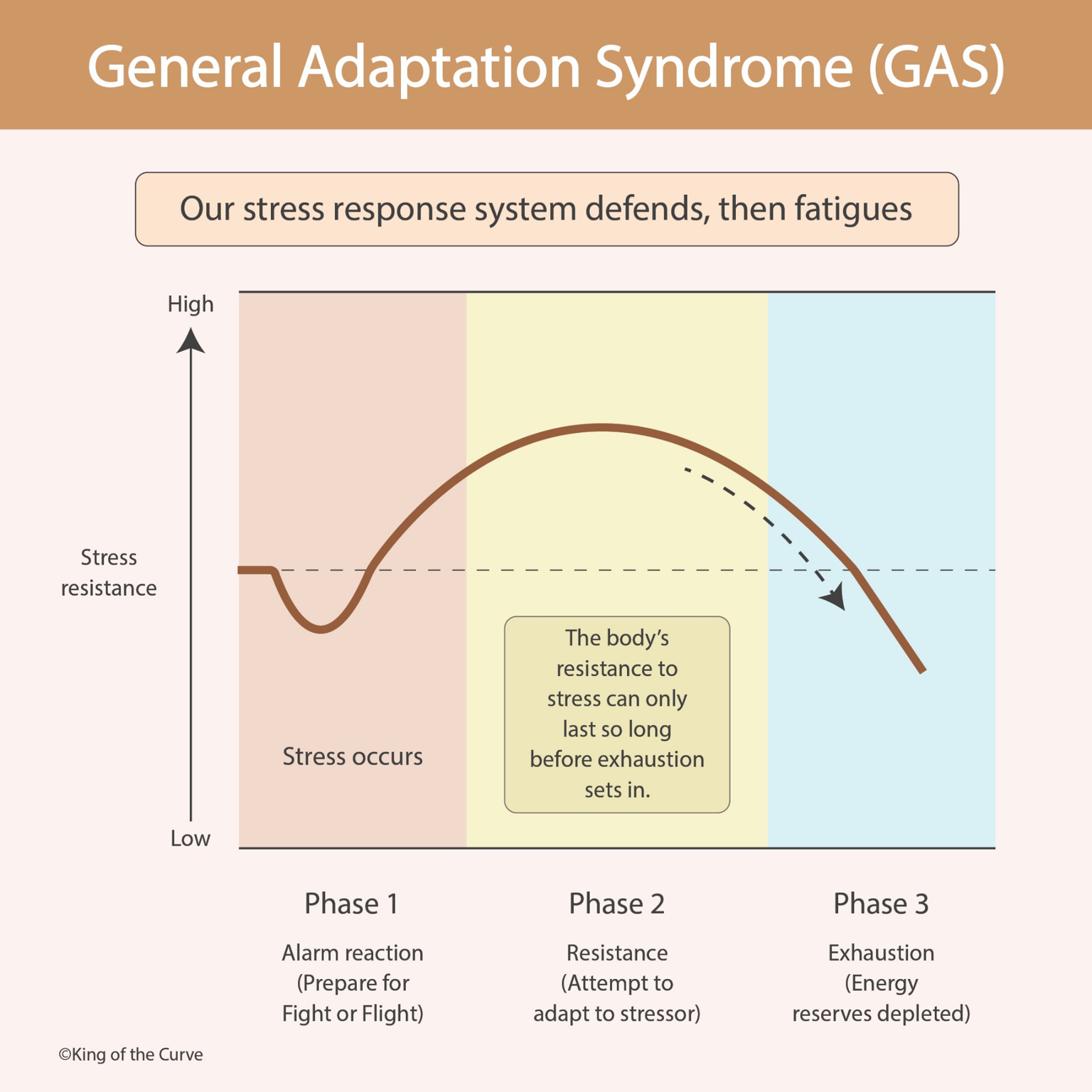
🧠 Understanding General Adaptation Syndrome (GAS)
Learn about General Adaptation Syndrome (GAS), including the alarm, resistance, and exhaustion stages of stress response. Understand how chronic stress affects the body and mind.
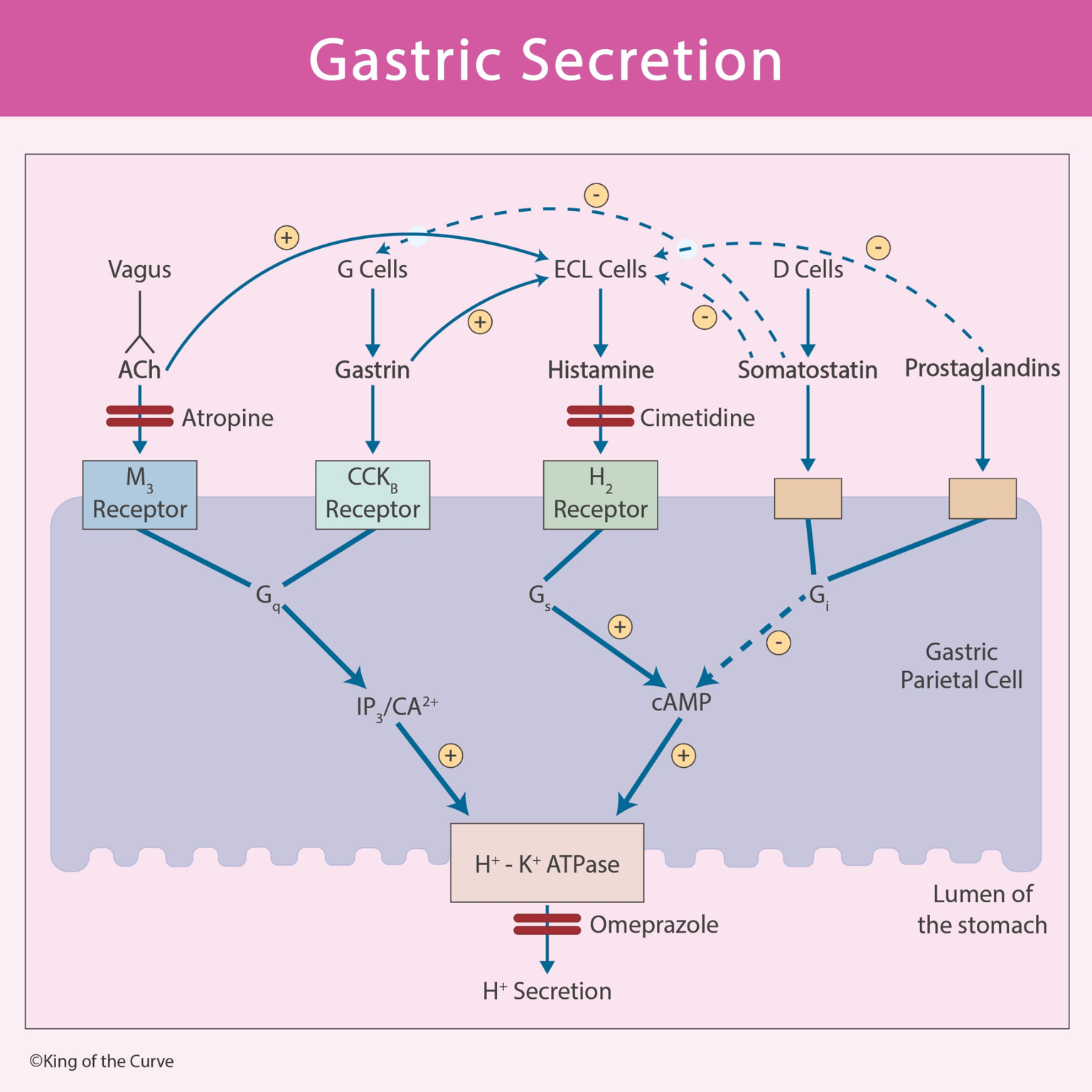
🍽️ Introduction to Gastric Secretion
Learn how gastric secretion is regulated through acetylcholine, gastrin, histamine, somatostatin, and proton pumps. Explore the physiology of stomach acid secretion with diagrams and tables.
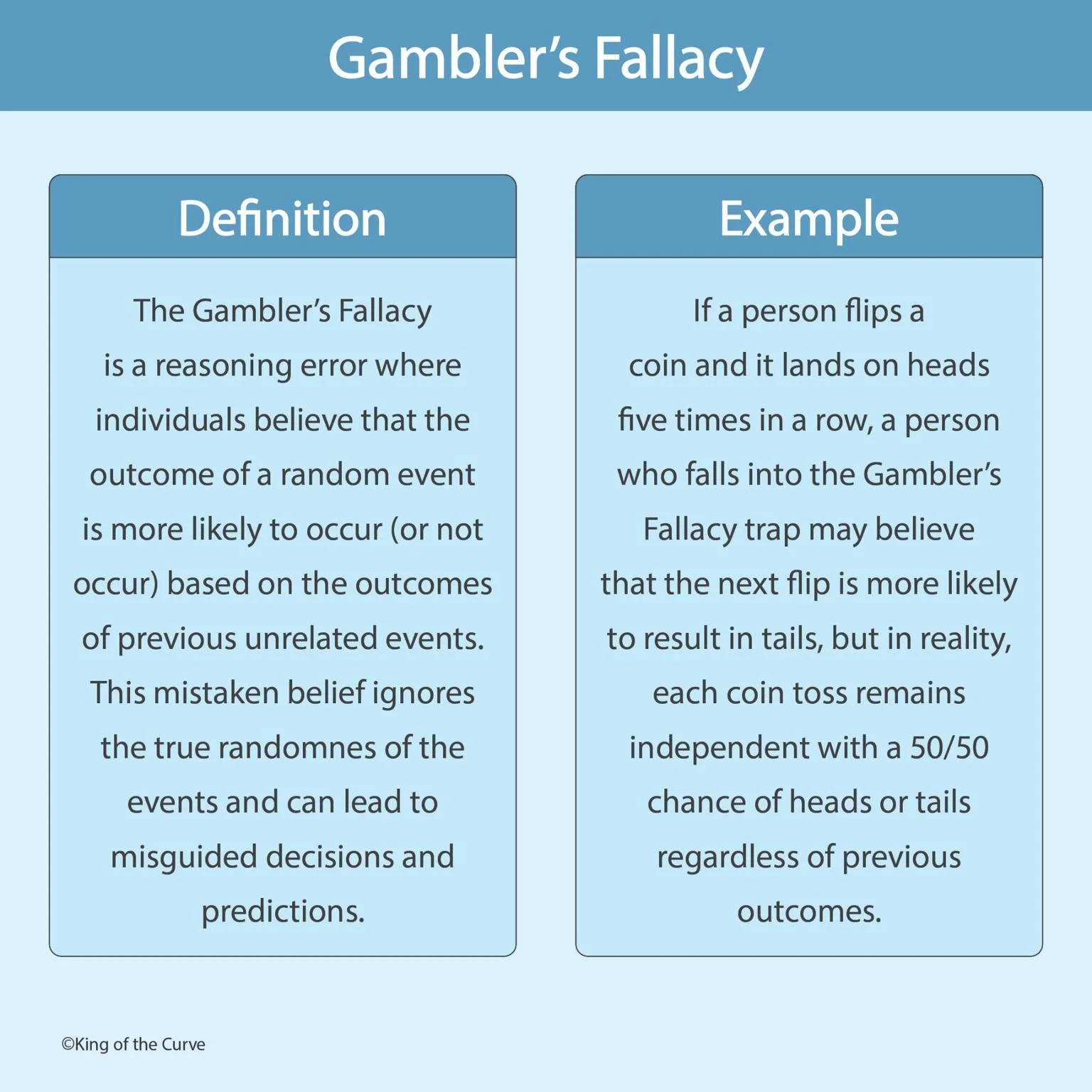
🎲 Introduction to Gambler’s Fallacy
Learn about the Gambler’s Fallacy, a common cognitive bias where people believe past random events affect future outcomes. Explore examples, probability concepts, and real-world applications.
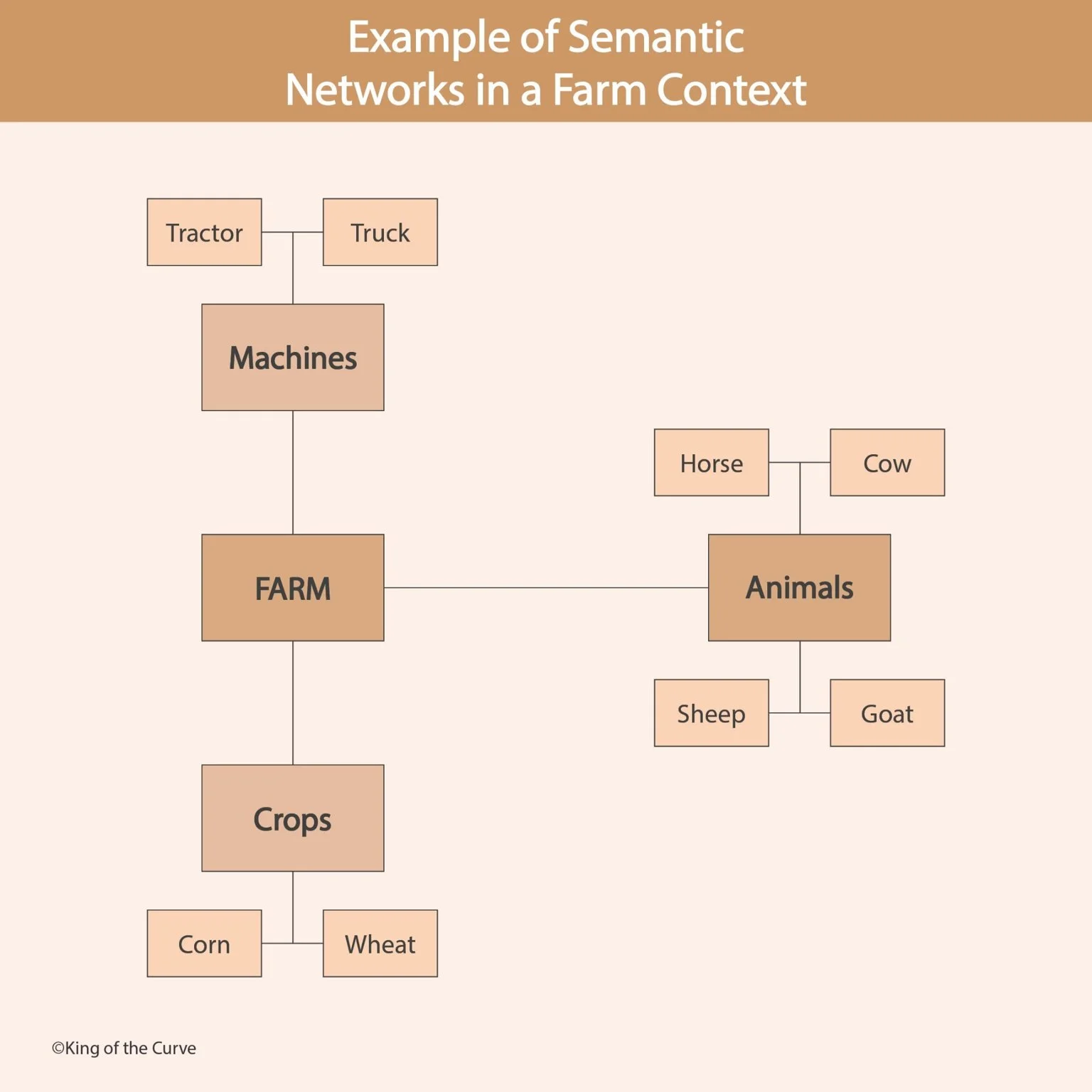
🌾 Example of Semantic Networks in a Farm Context
Learn how semantic networks organize knowledge using a farm example. Understand concept relationships between animals, machines, crops, and categories in cognitive psychology and AI.
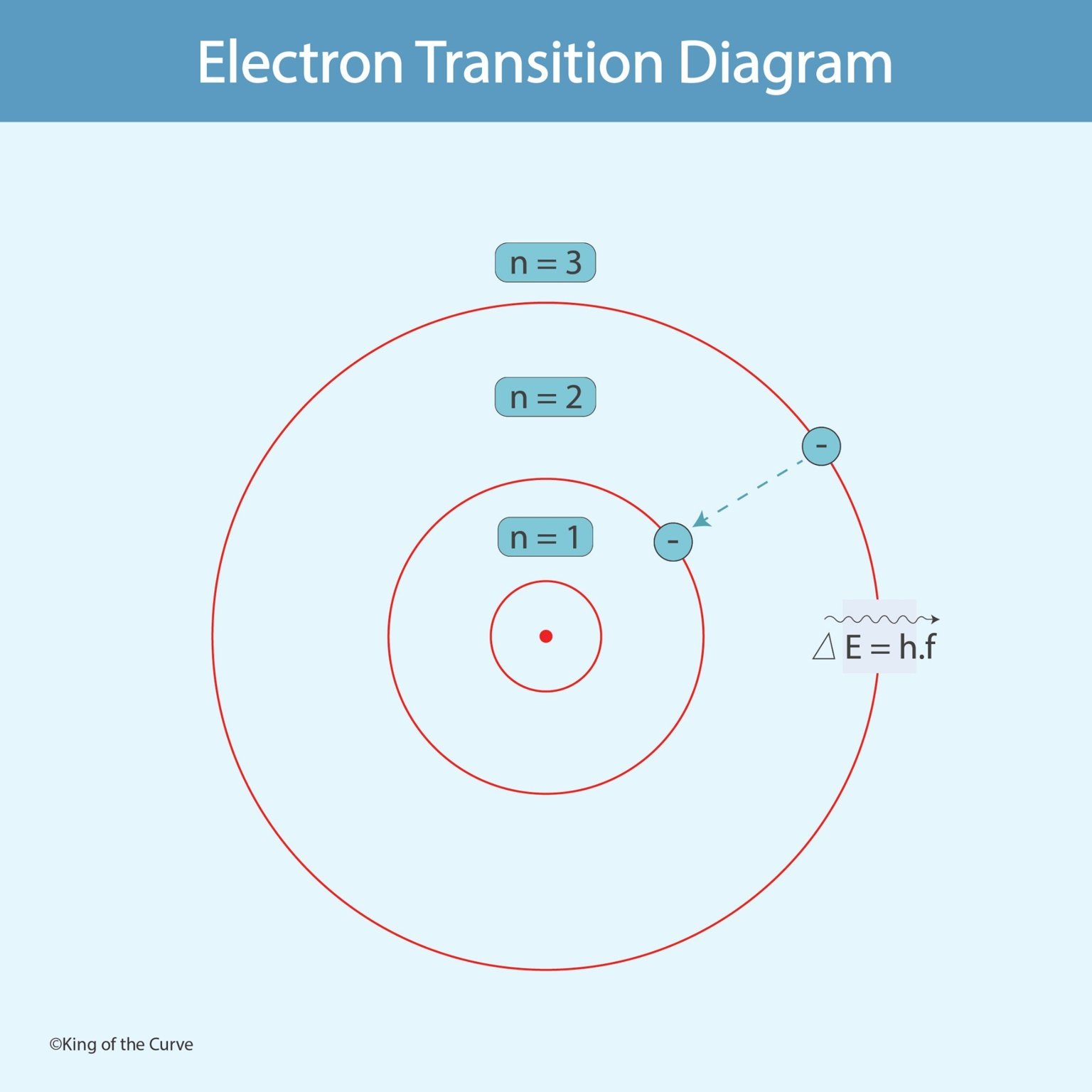
⚛️ Electron Transition Diagram: Understanding Energy Levels in Atoms
Learn how electron transition diagrams illustrate energy changes in atoms. Understand emission, absorption, energy levels, and the ΔE = hf equation in atomic physics
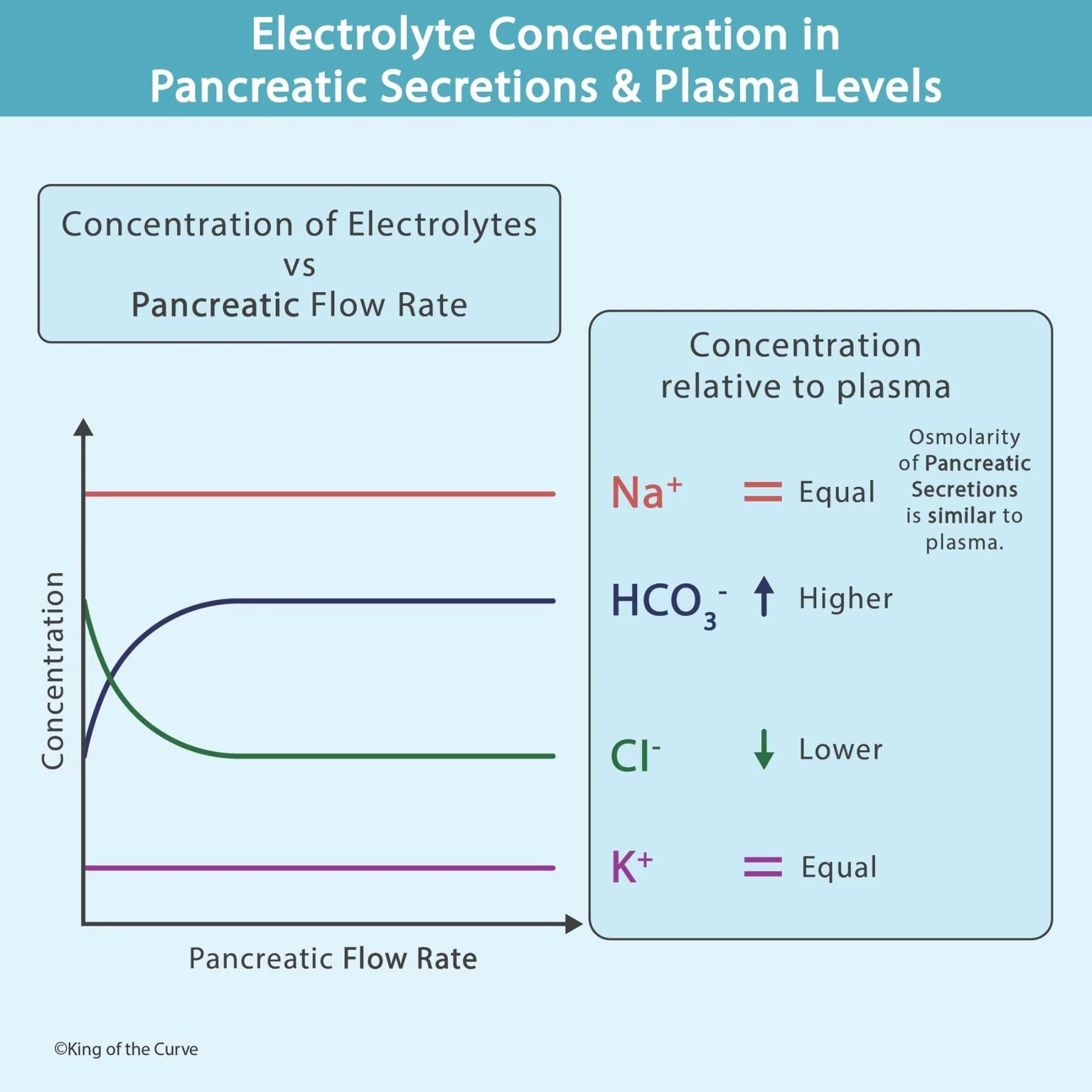
🧪 Electrolyte Concentration in Pancreatic Secretions & Plasma Levels
Learn how electrolyte concentrations change in pancreatic secretions compared to plasma levels. Understand the roles of sodium, bicarbonate, chloride, and potassium in pancreatic physiology and digestion.
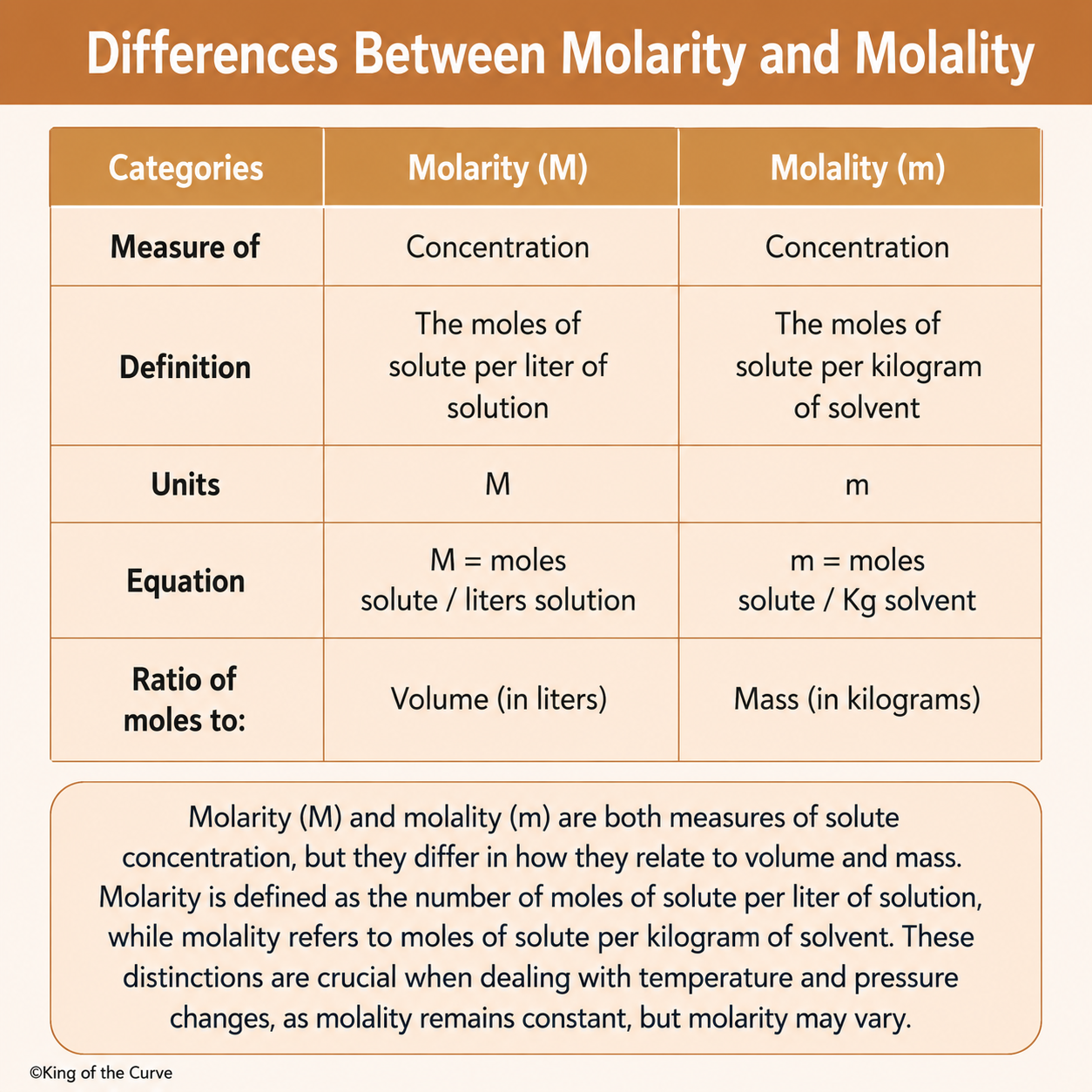
🧪 Differences Between Molarity and Molality
Learn the differences between molarity and molality in chemistry. Understand formulas, units, temperature dependence, definitions, and practical applications with easy explanations and comparison tables.
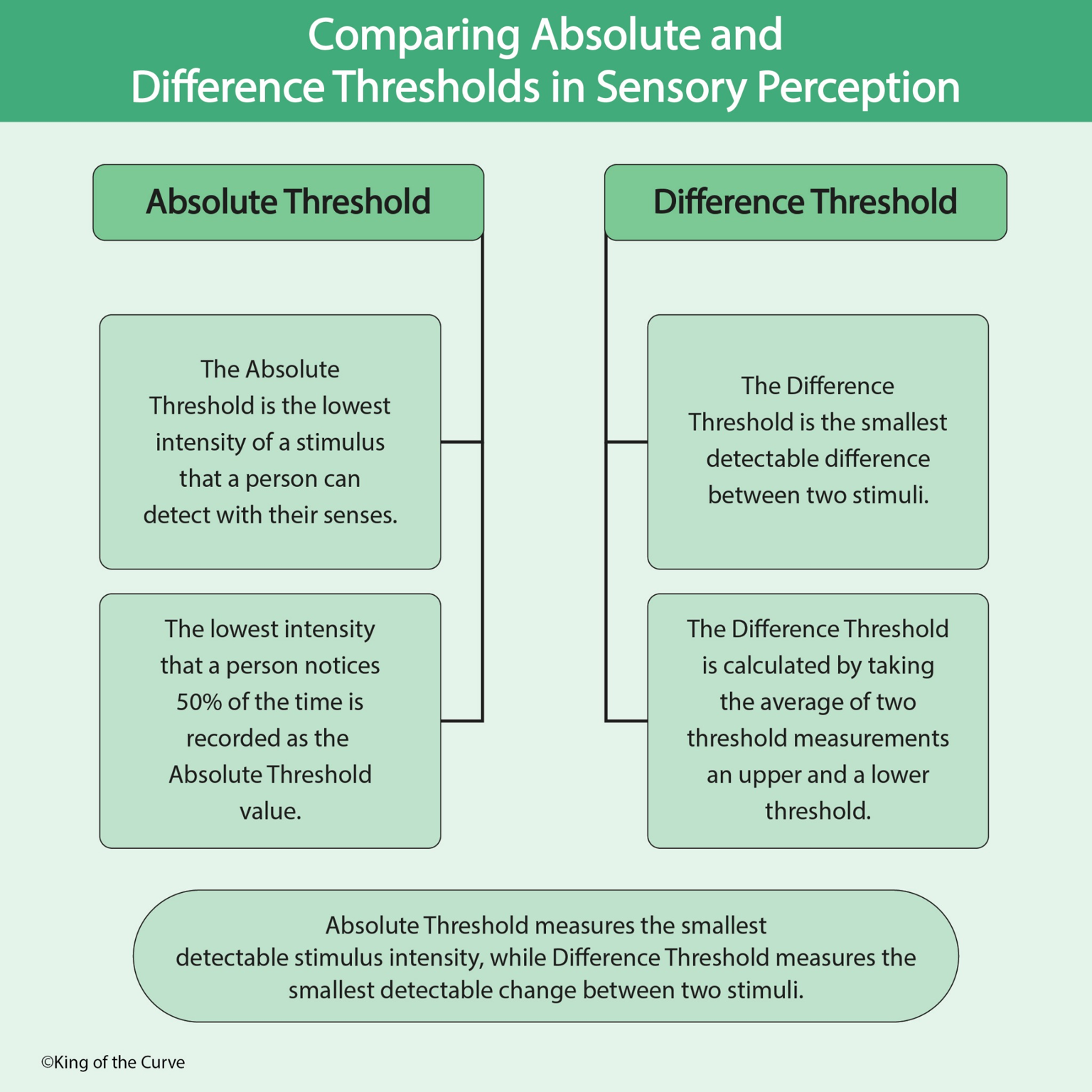
👁️ Comparing Absolute and Difference Thresholds in Sensory Perception
Learn the difference between absolute threshold and difference threshold in psychology, including examples, Weber’s Law, and sensory perception concepts.
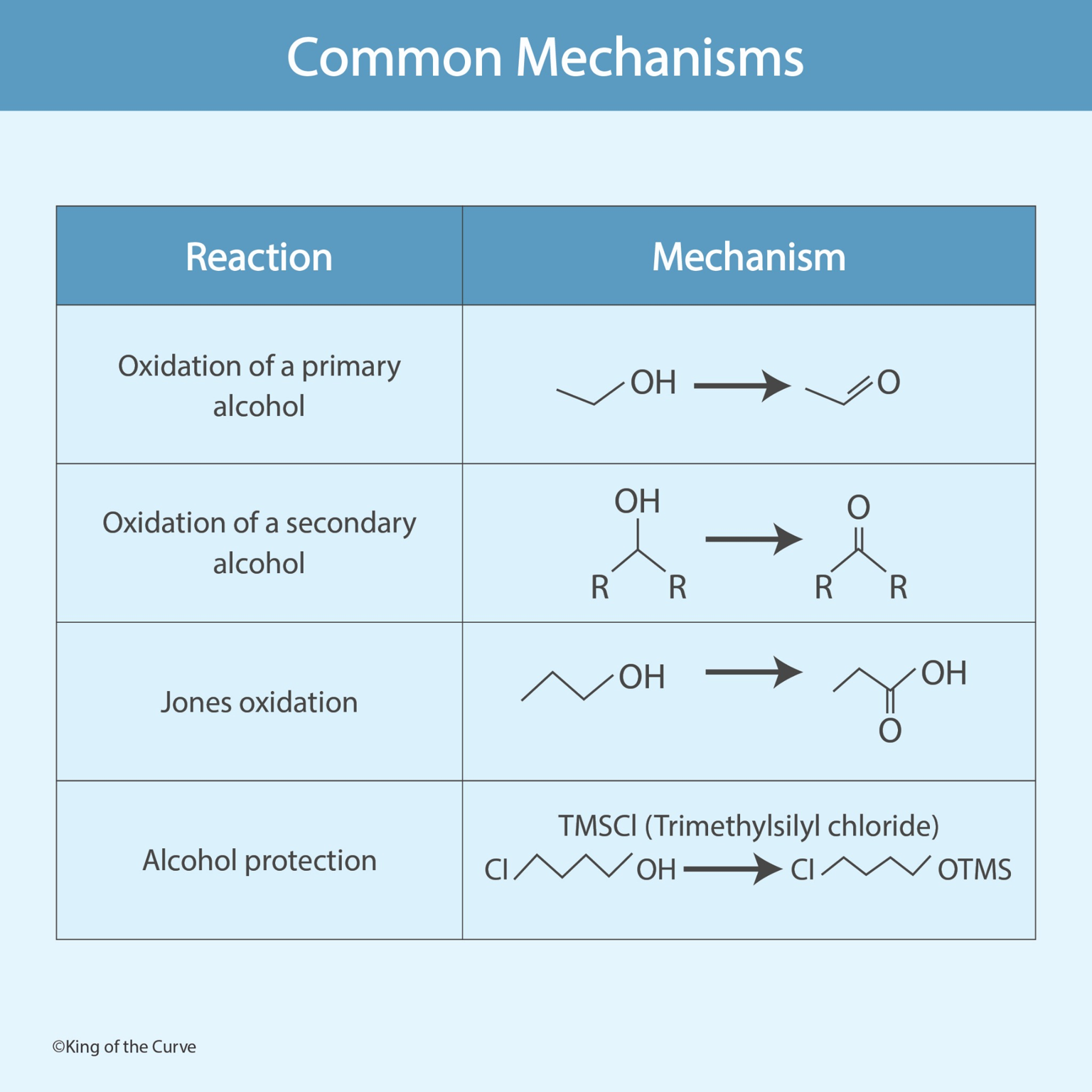
⚗️ Common Mechanisms in Organic Chemistry
Learn common organic chemistry mechanisms including alcohol oxidation, Jones oxidation, and alcohol protection reactions with diagrams and examples.