
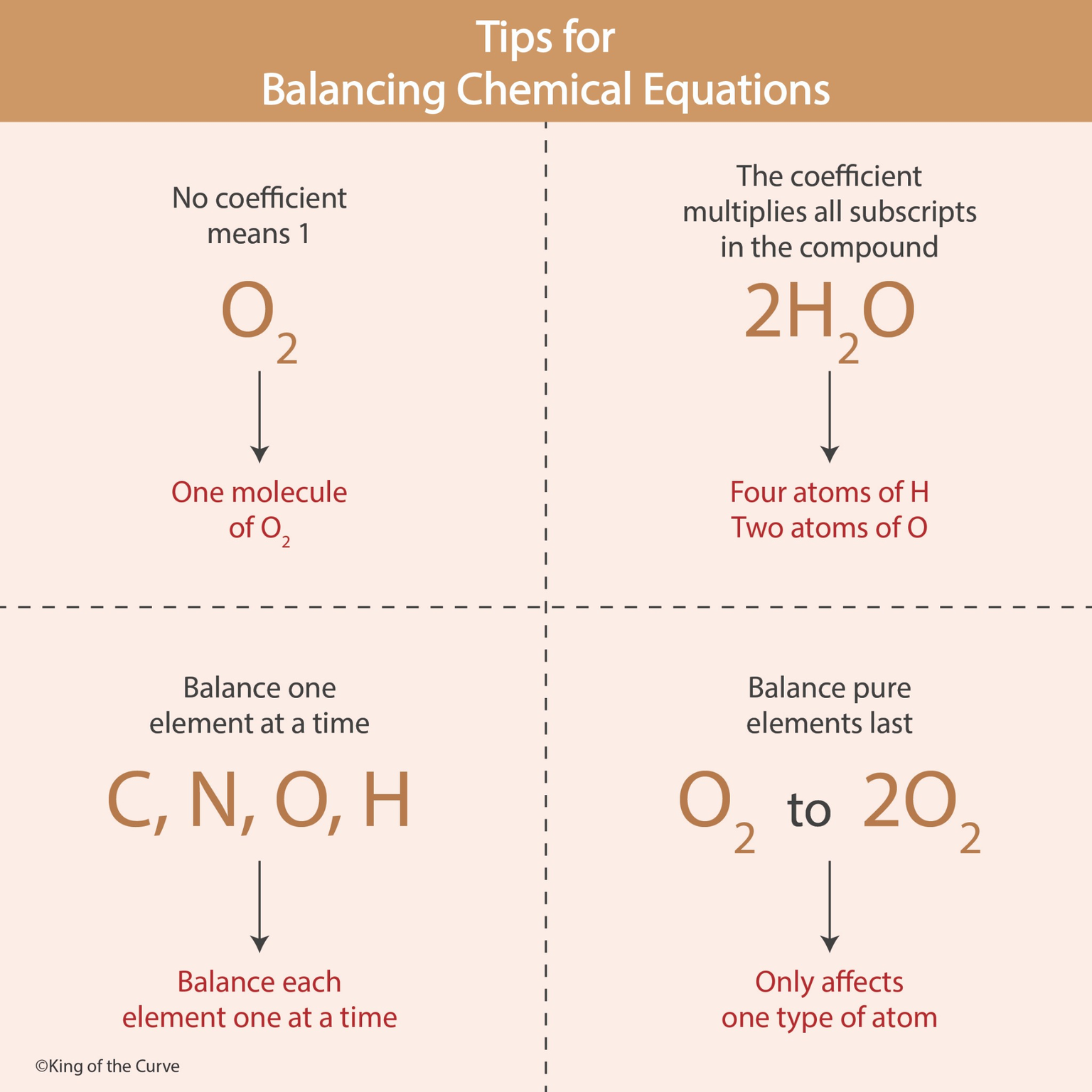
⚗️ Balancing Chemical Equations: Essential Tips for the MCAT
Learn how to balance chemical equations with simple MCAT tips. Understand coefficients, subscripts, atom counting, and key balancing strategies.
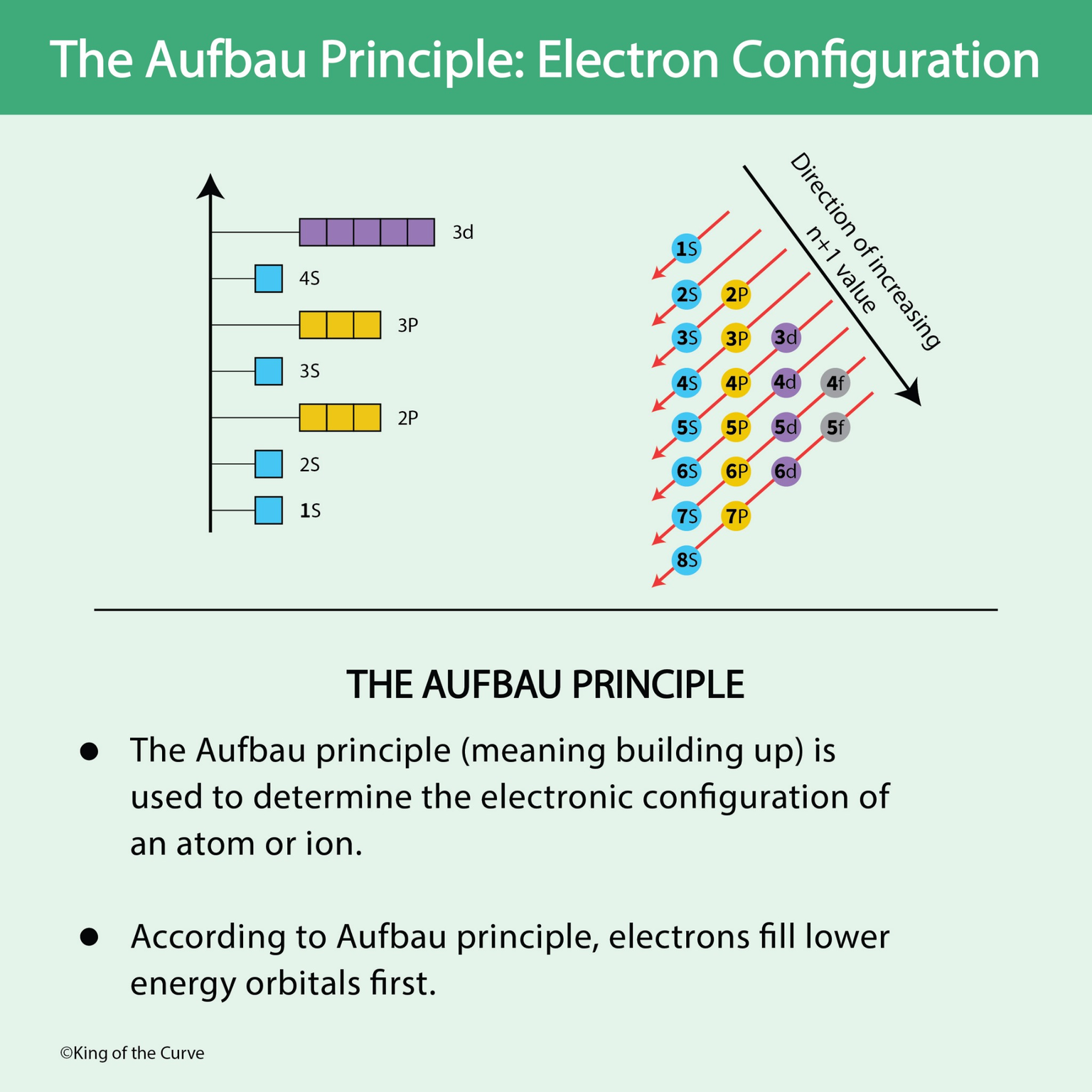
⚛️ The Aufbau Principle: Understanding Electron Configuration
Learn the Aufbau principle, electron configuration, orbital filling order, the n + ℓ rule, and s, p, d, and f subshells for the MCAT.
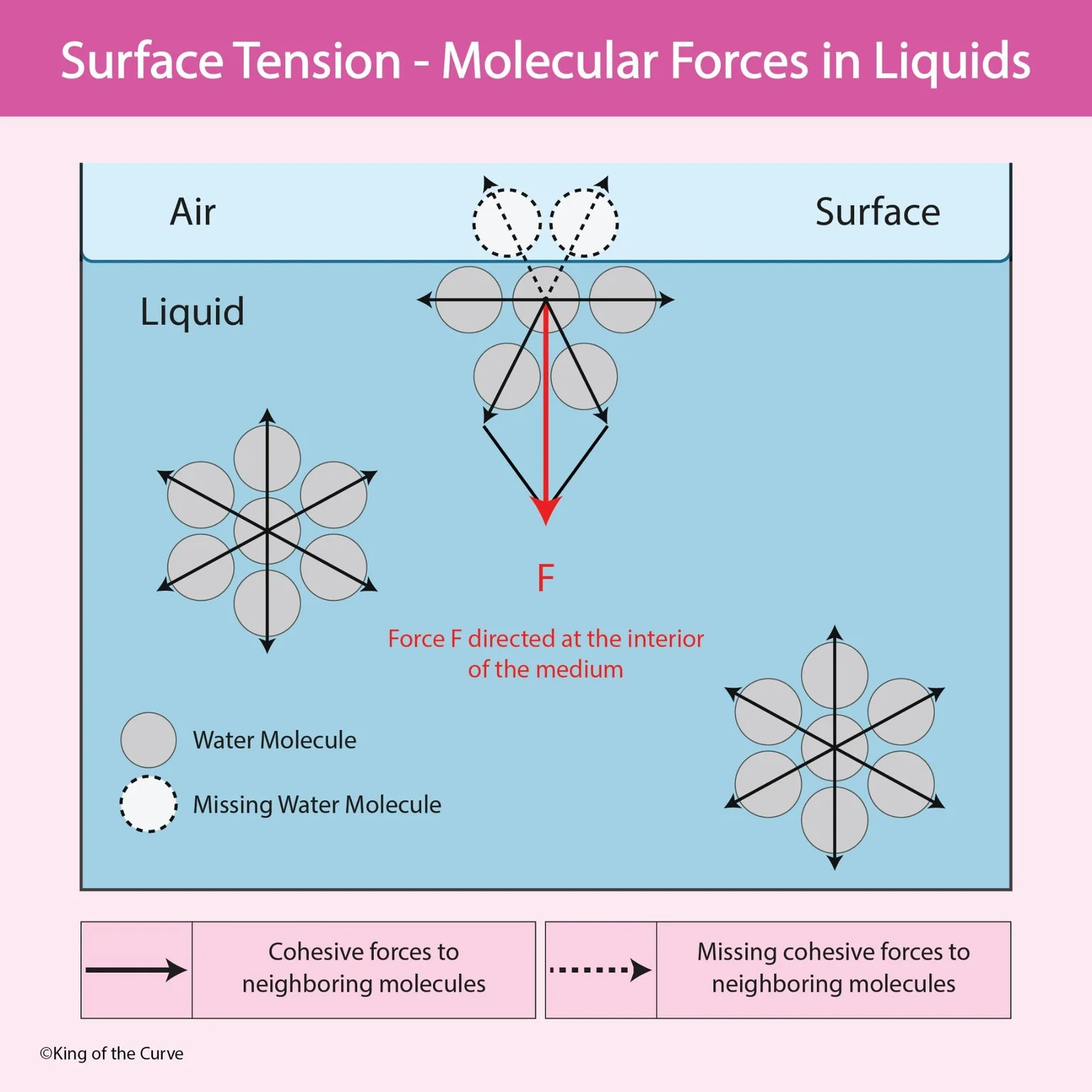
💧 Surface Tension: Molecular Forces in Liquids
Learn surface tension for the MCAT, including cohesion, adhesion, hydrogen bonding, intermolecular forces, surfactants, and water’s surface properties.

⚗️ Rate Laws and Reaction Orders Explained: A High-Yield MCAT Chemistry Guide
Learn zero-, first-, and second-order reactions for the MCAT, including rate laws, integrated rate laws, linear plots, slopes, and half-life equations.
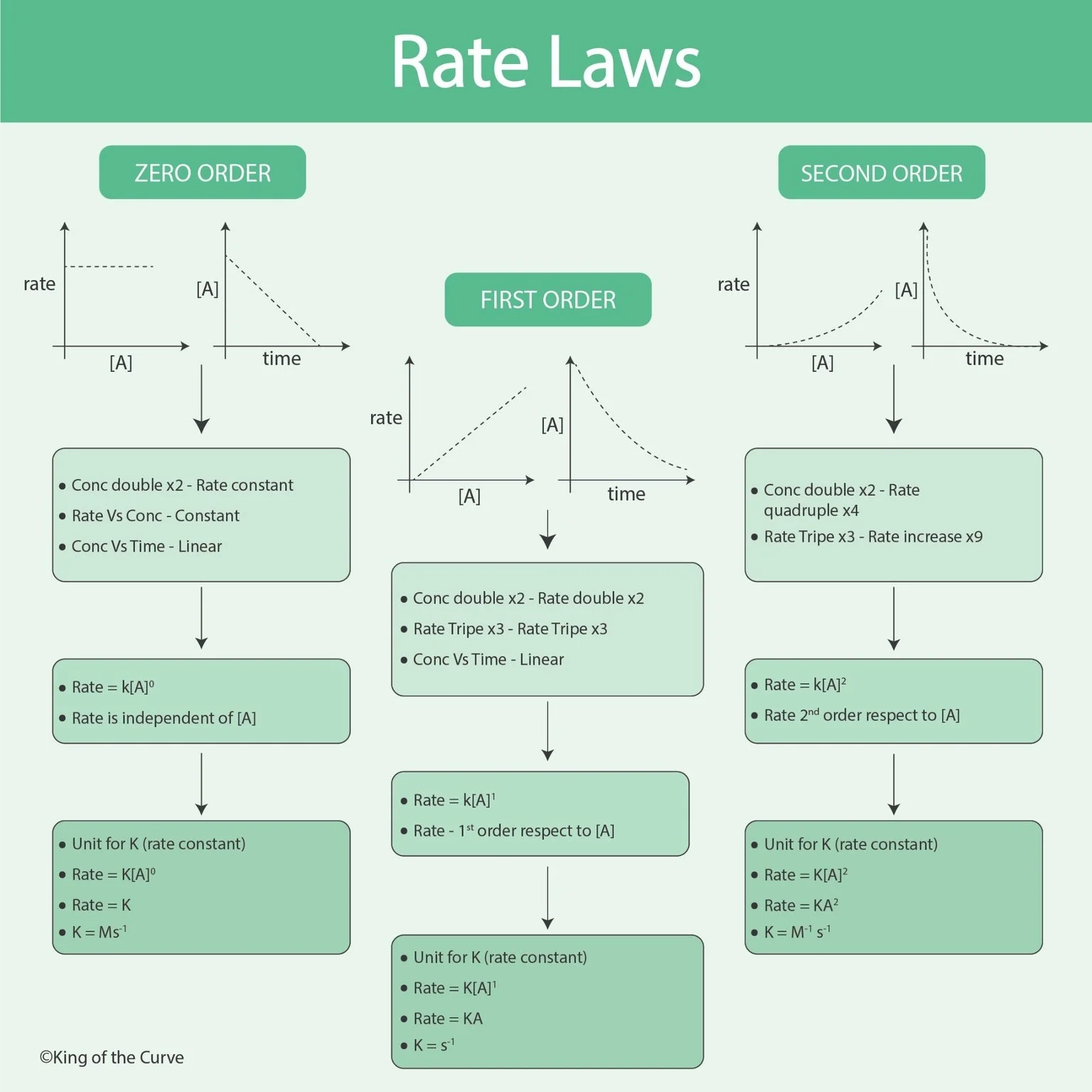
⚗️ Rate Laws Made Easy: Zero, First, and Second-Order Reactions for the MCAT
Master zero, first, and second-order rate laws for the MCAT. Learn rate equations, concentration changes, linear plots, and units of the rate constant.
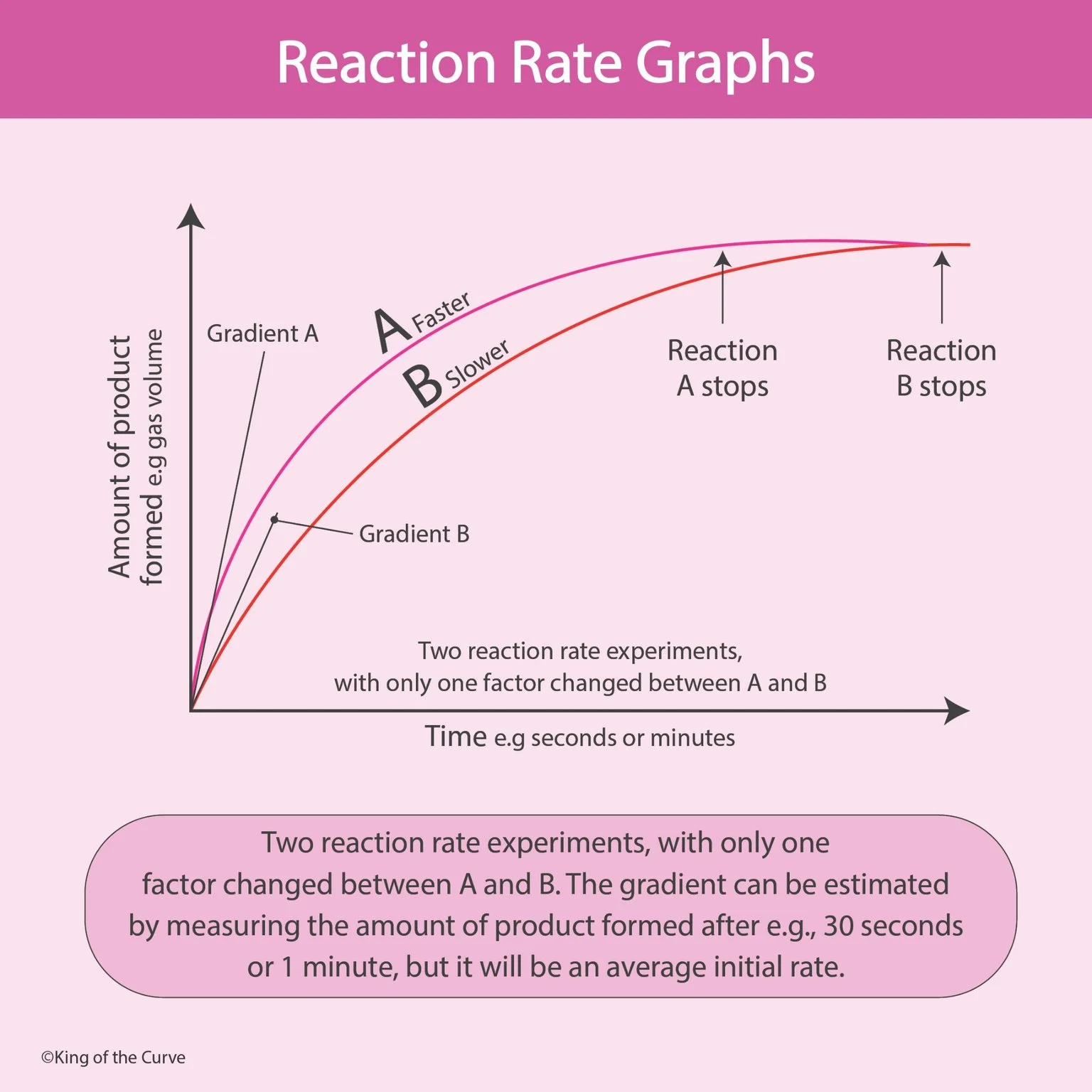
⚗️ Reaction Rate Graphs: How to Interpret Reaction Kinetics for the MCAT
Learn how to interpret reaction rate graphs for the MCAT, including slopes, initial rates, plateaus, catalysts, and factors affecting reaction kinetics.
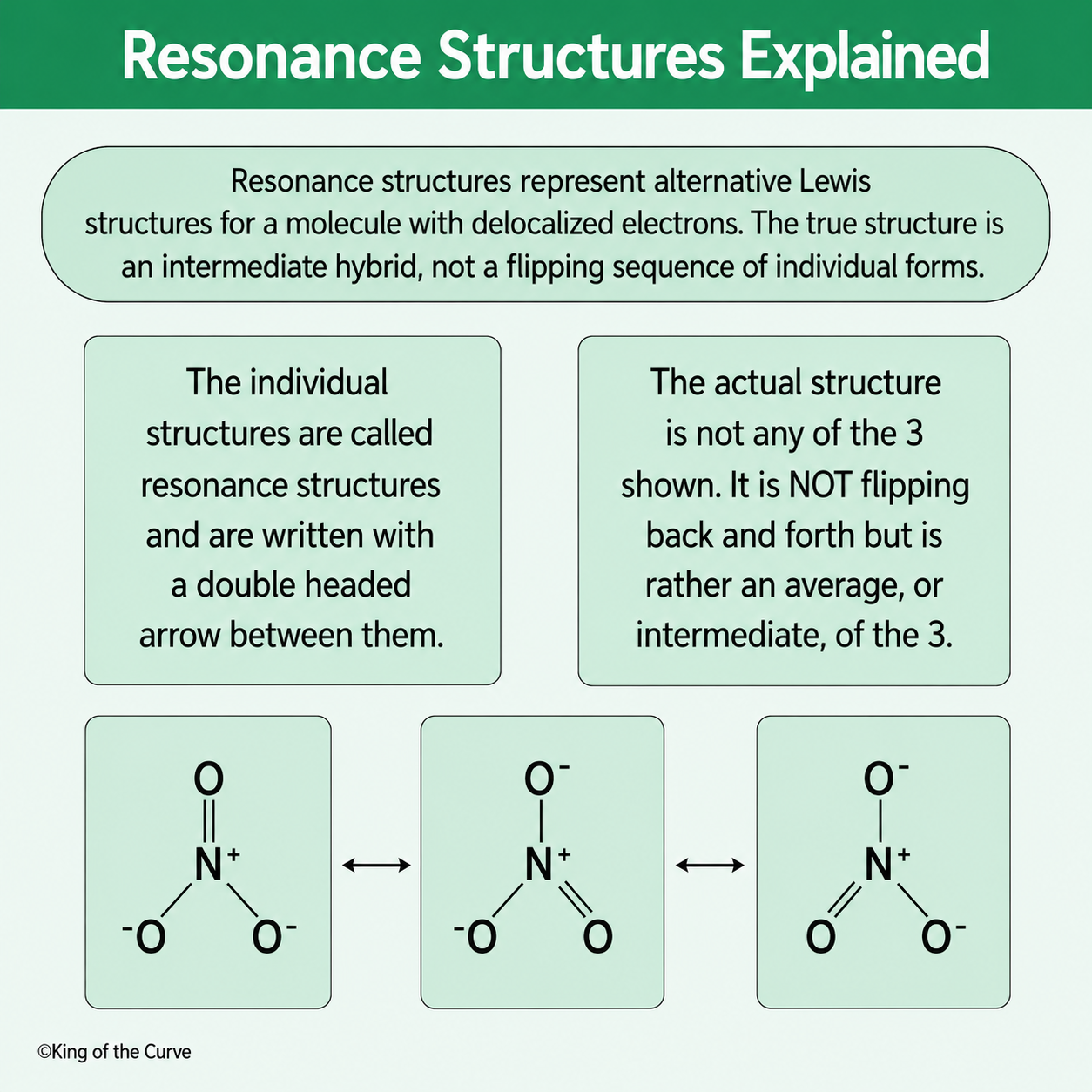
🧪 Resonance Structures Explained: A High-Yield MCAT Chemistry Guide
Learn resonance structures for the MCAT, including resonance hybrids, electron delocalization, formal charges, nitrate resonance, bond order, and stability.
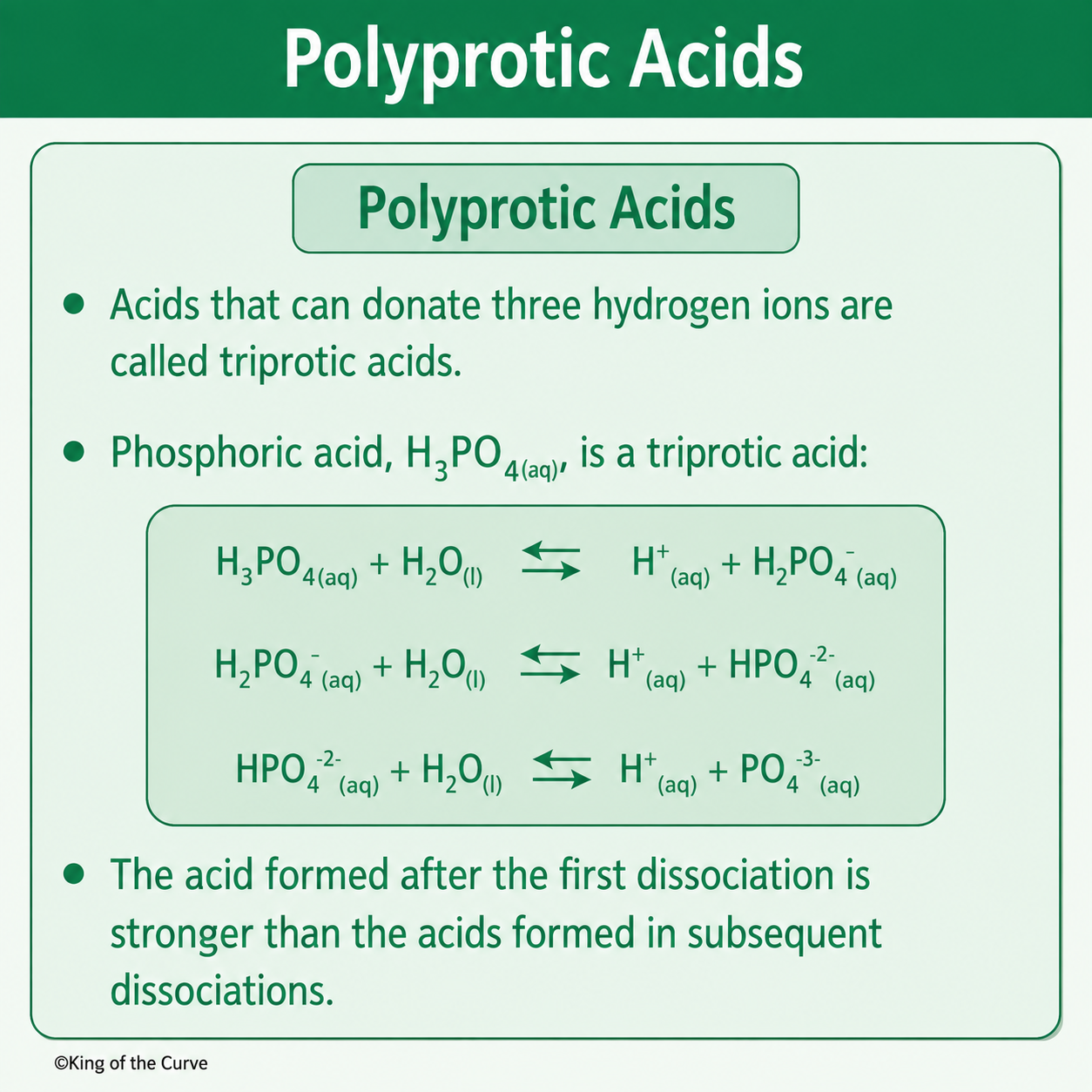
🧪 Polyprotic Acids: Understanding Multiple Proton Donation in Chemistry
Learn about polyprotic acids, triprotic acids, sequential dissociation, Ka values, and phosphoric acid with this easy MCAT chemistry guide.
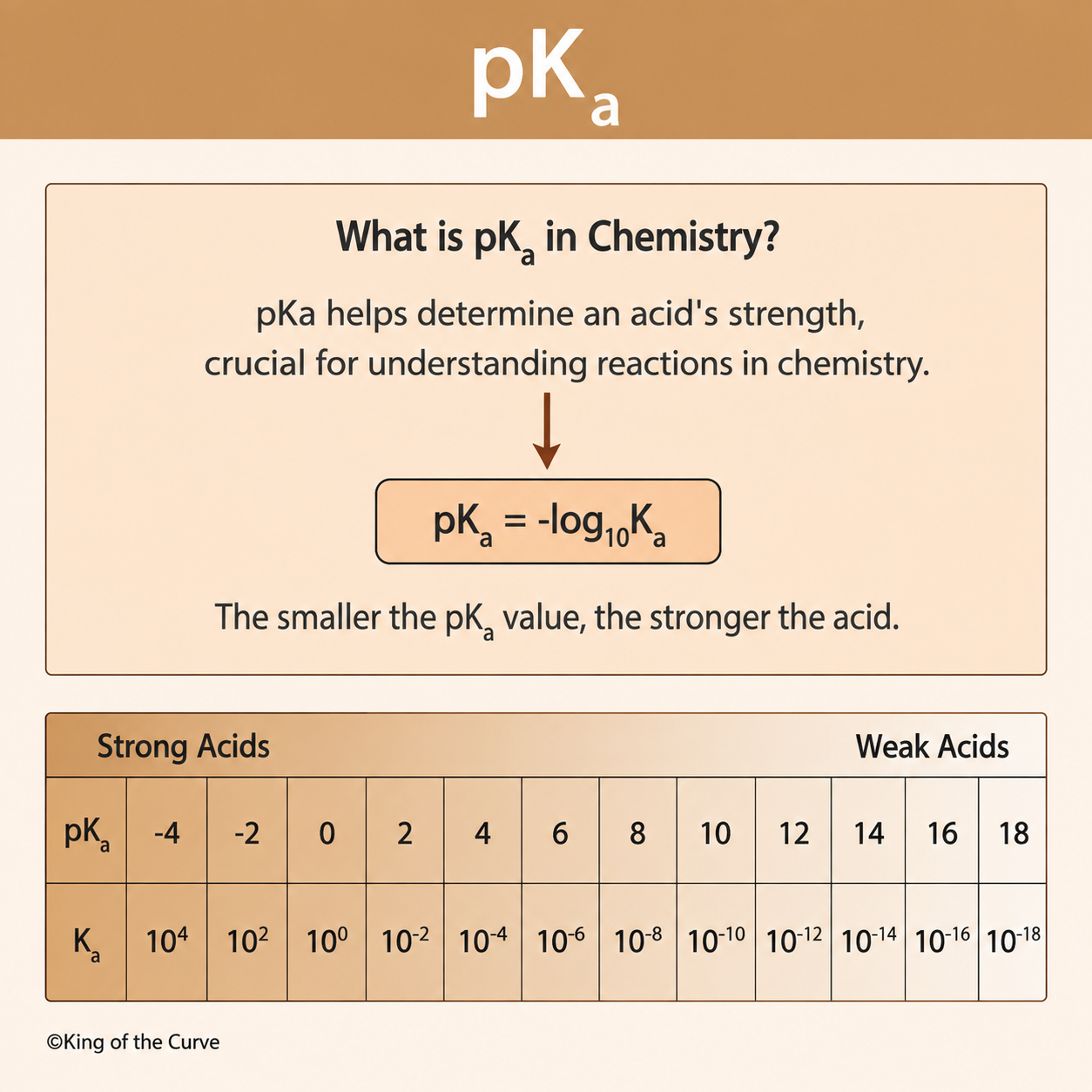
🧪 Understanding pKa: A Complete MCAT Guide to Acid Strength
Learn what pKa means, how it relates to Ka, the pKa formula, acid strength, and how to interpret pKa values with easy examples for MCAT chemistry.
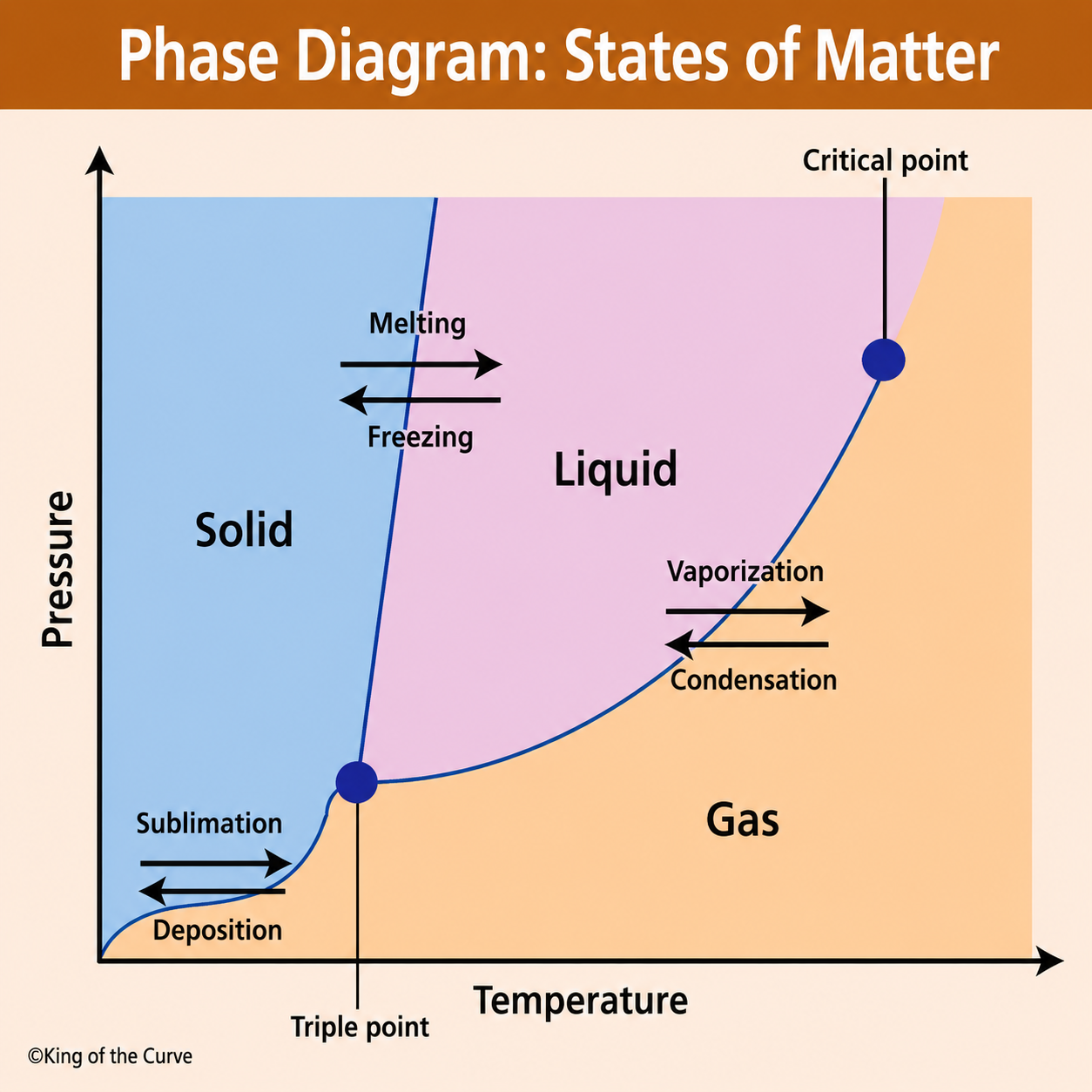
Phase Diagram of States of Matter: Understanding Solid, Liquid, and Gas Transitions
Learn the phase diagram of states of matter, including solid, liquid, gas, triple point, critical point, and phase changes for chemistry and MCAT.
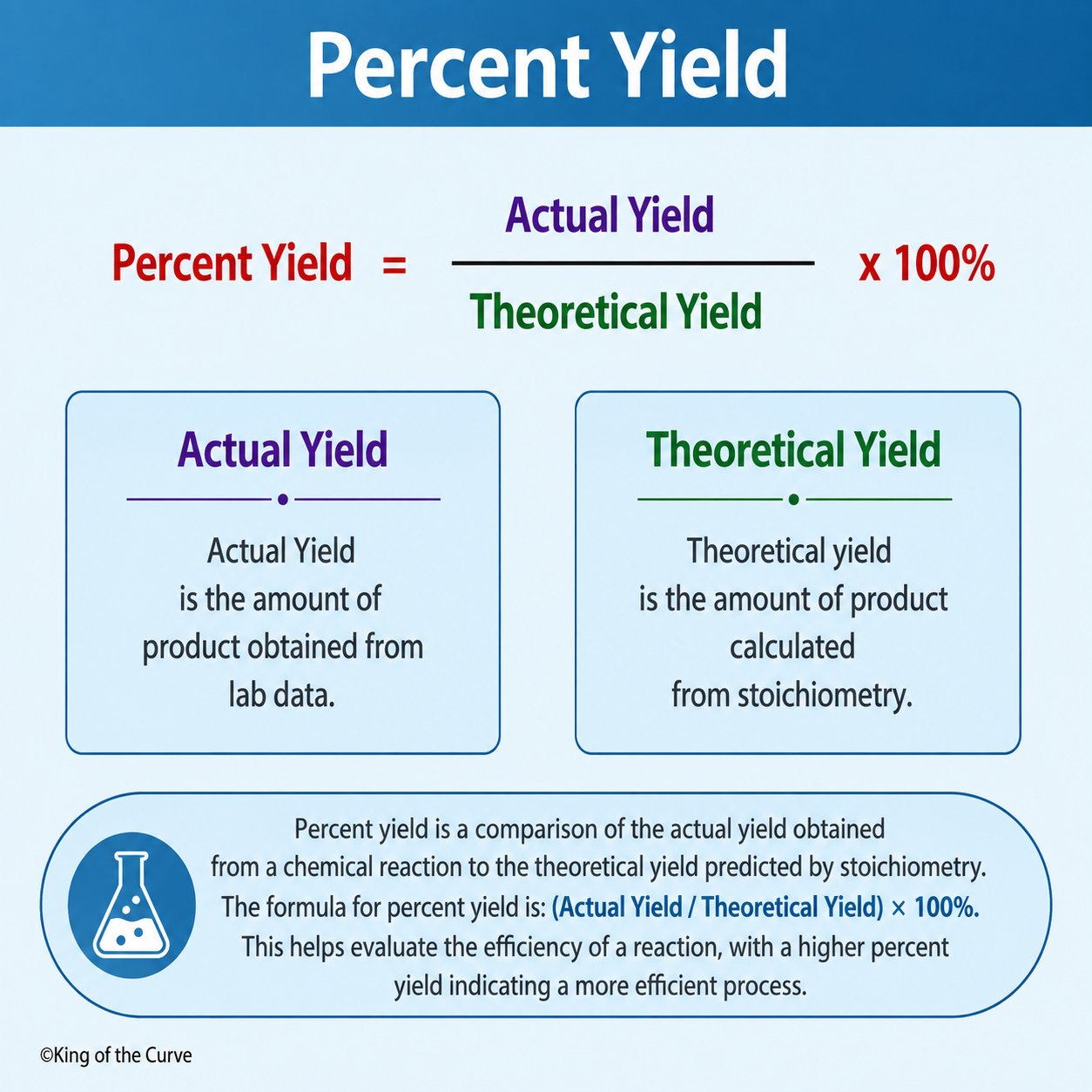
Percent Yield: Formula, Calculation, and Importance in Chemistry
Learn the percent yield formula, actual yield, theoretical yield, calculation steps, examples, and why percent yield is important in chemistry and the MCAT.
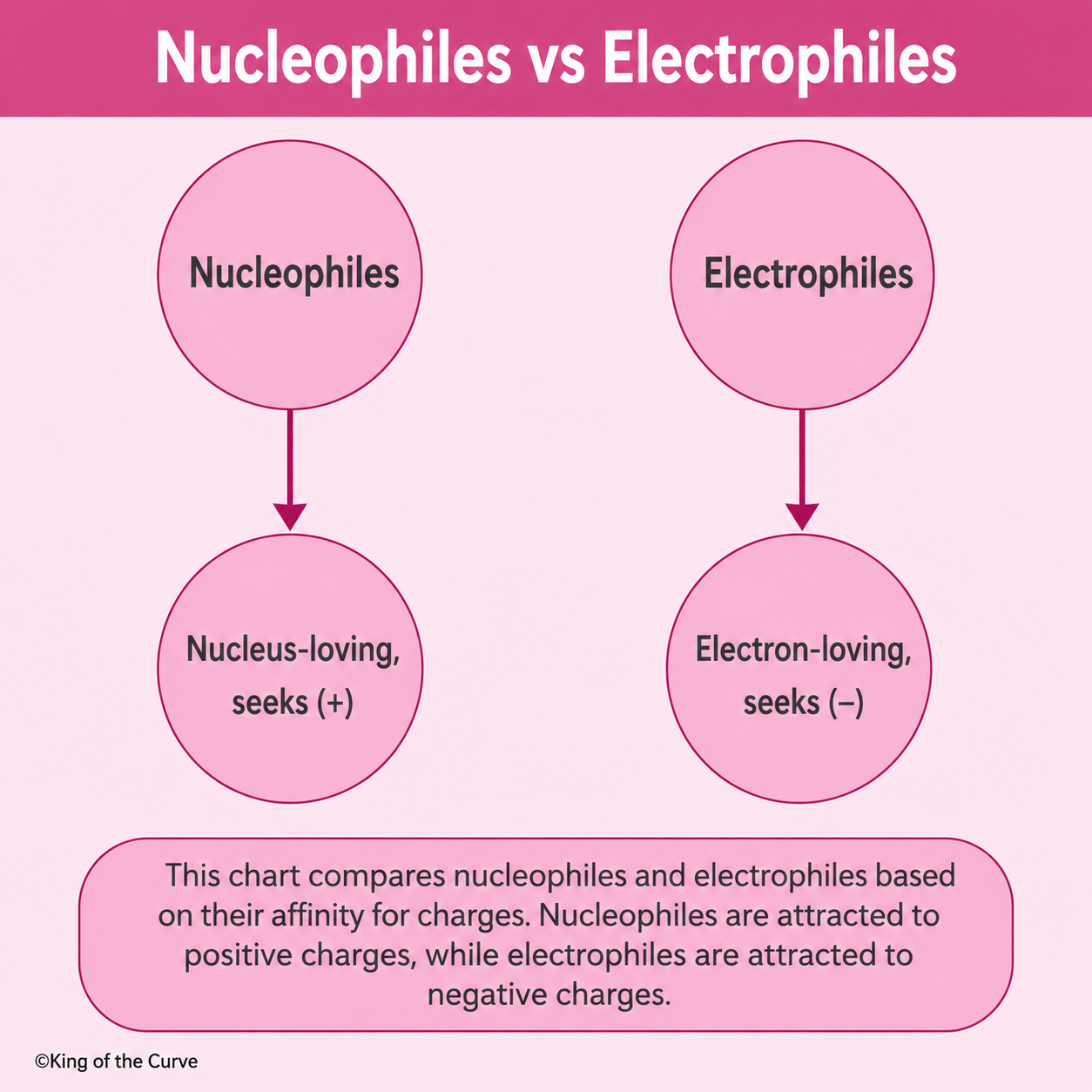
🧪 Nucleophiles vs Electrophiles: Key Differences Explained
Learn the key differences between nucleophiles and electrophiles, their properties, examples, Lewis acid-base behavior, and roles in organic chemistry reactions.
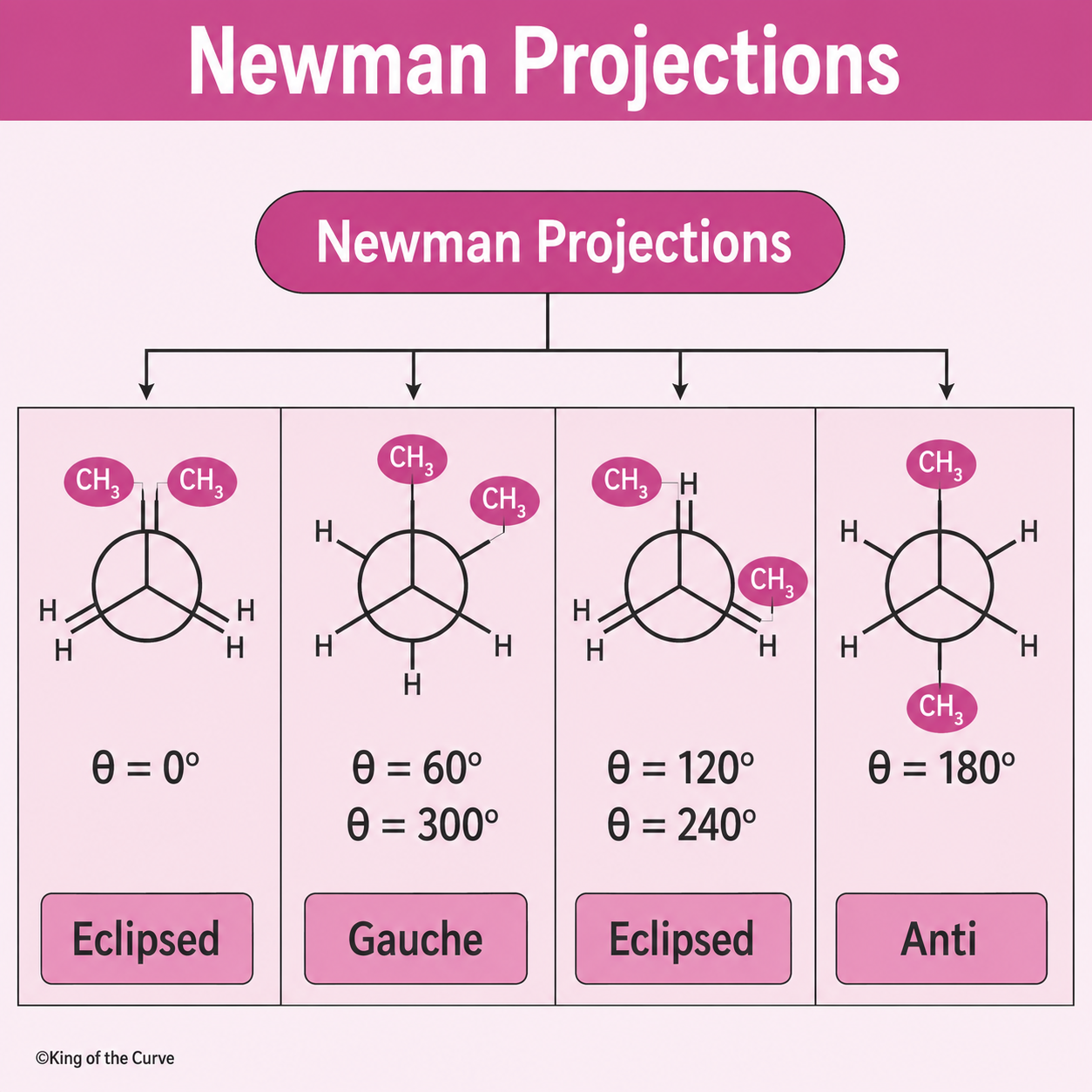
🧪 Newman Projections: Understanding Eclipsed, Gauche, and Anti Conformations
Learn Newman projections, eclipsed, gauche, and anti conformations, dihedral angles, and conformational stability with diagrams, tables, and examples.
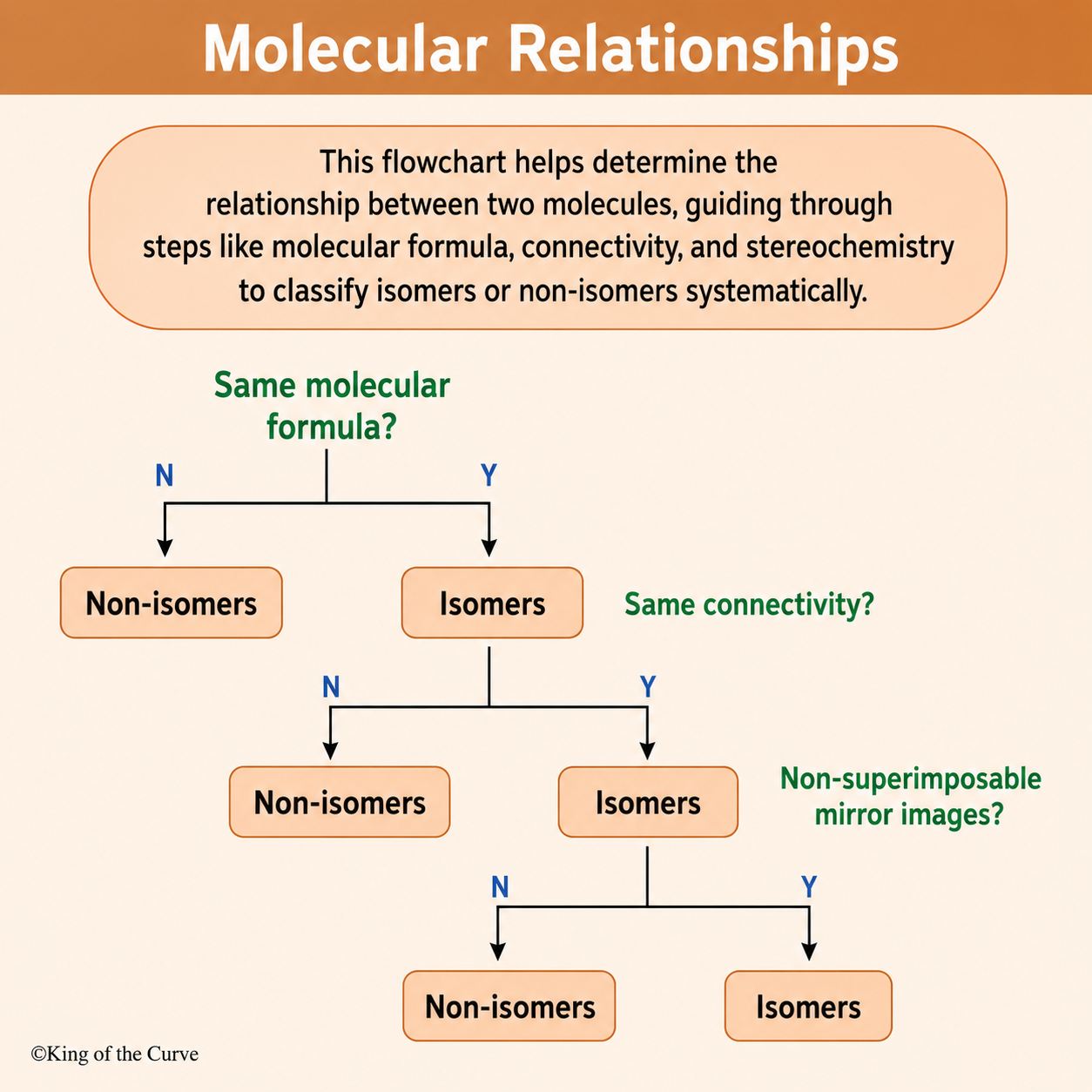
🧬 Molecular Relationships: A Step-by-Step Guide to Identifying Isomers
Learn how to identify molecular relationships using molecular formulas, connectivity, and stereochemistry to classify isomers, enantiomers, diastereomers, and non-isomers.
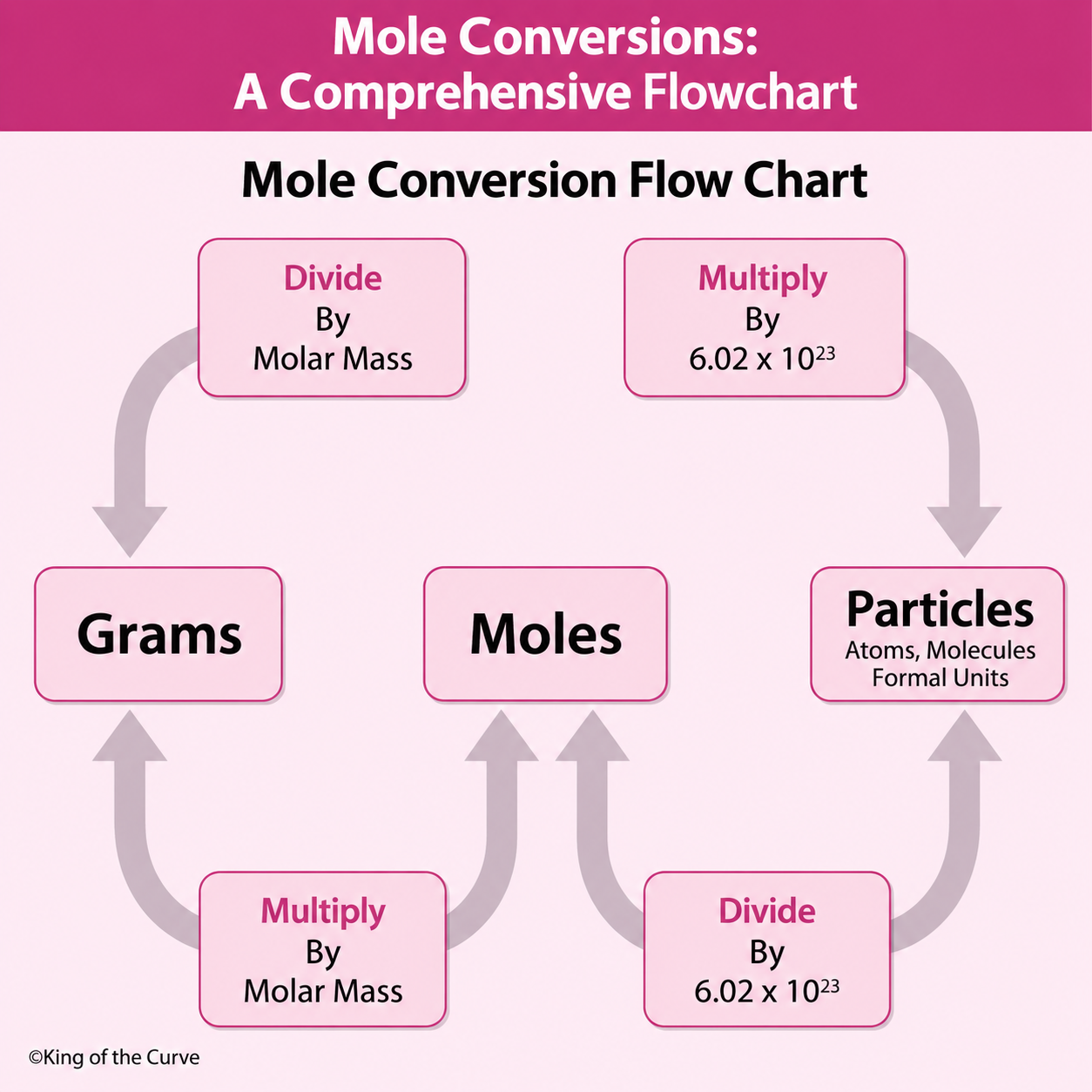
🧪 Mole Conversions: A Comprehensive Guide to Grams, Moles, and Particles
Master mole conversions with this easy guide. Learn how to convert between grams, moles, and particles using molar mass and Avogadro's number.
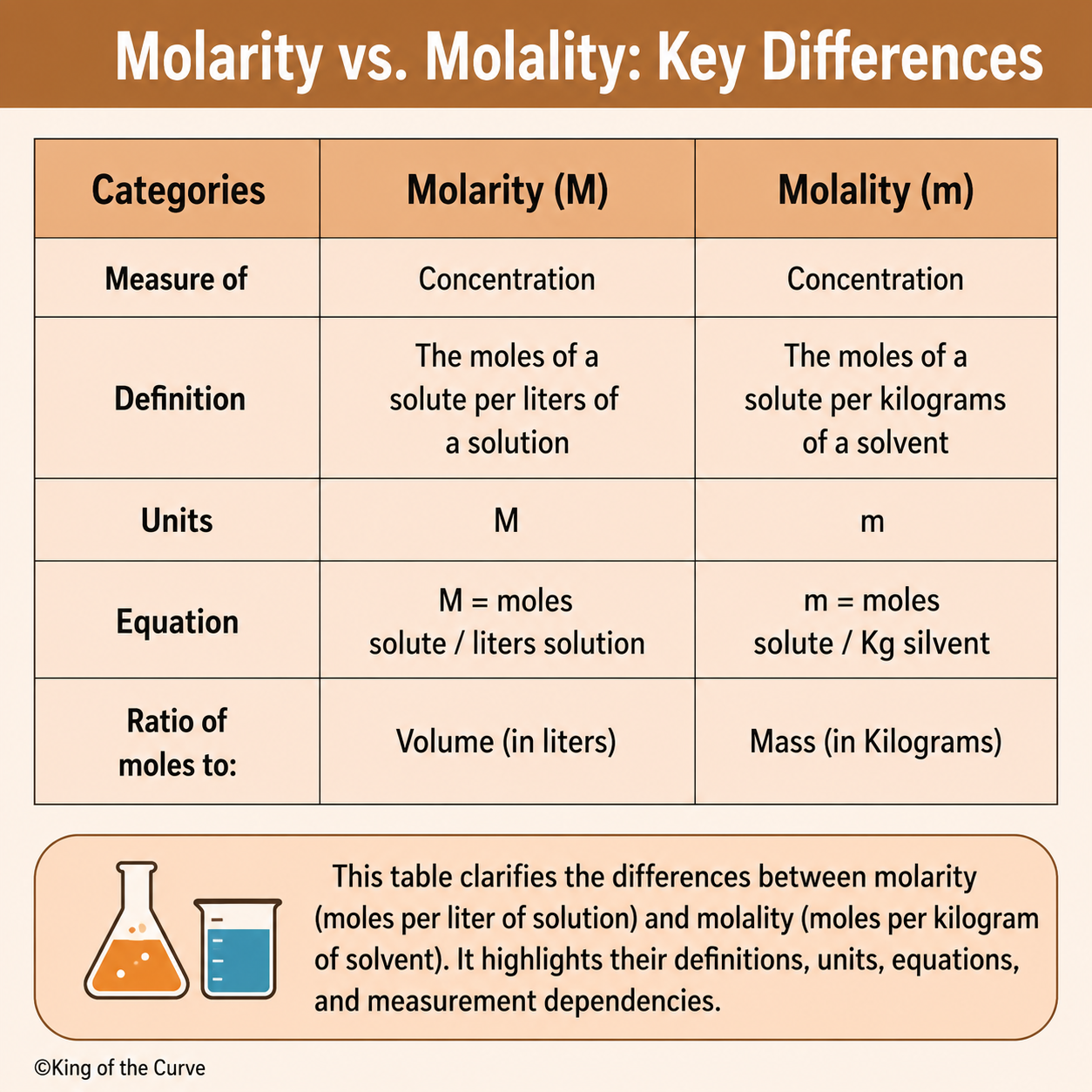
⚗️ Molarity vs. Molality: Key Differences Explained
Learn the differences between molarity and molality, including formulas, units, temperature effects, and practical examples in an easy comparison table.
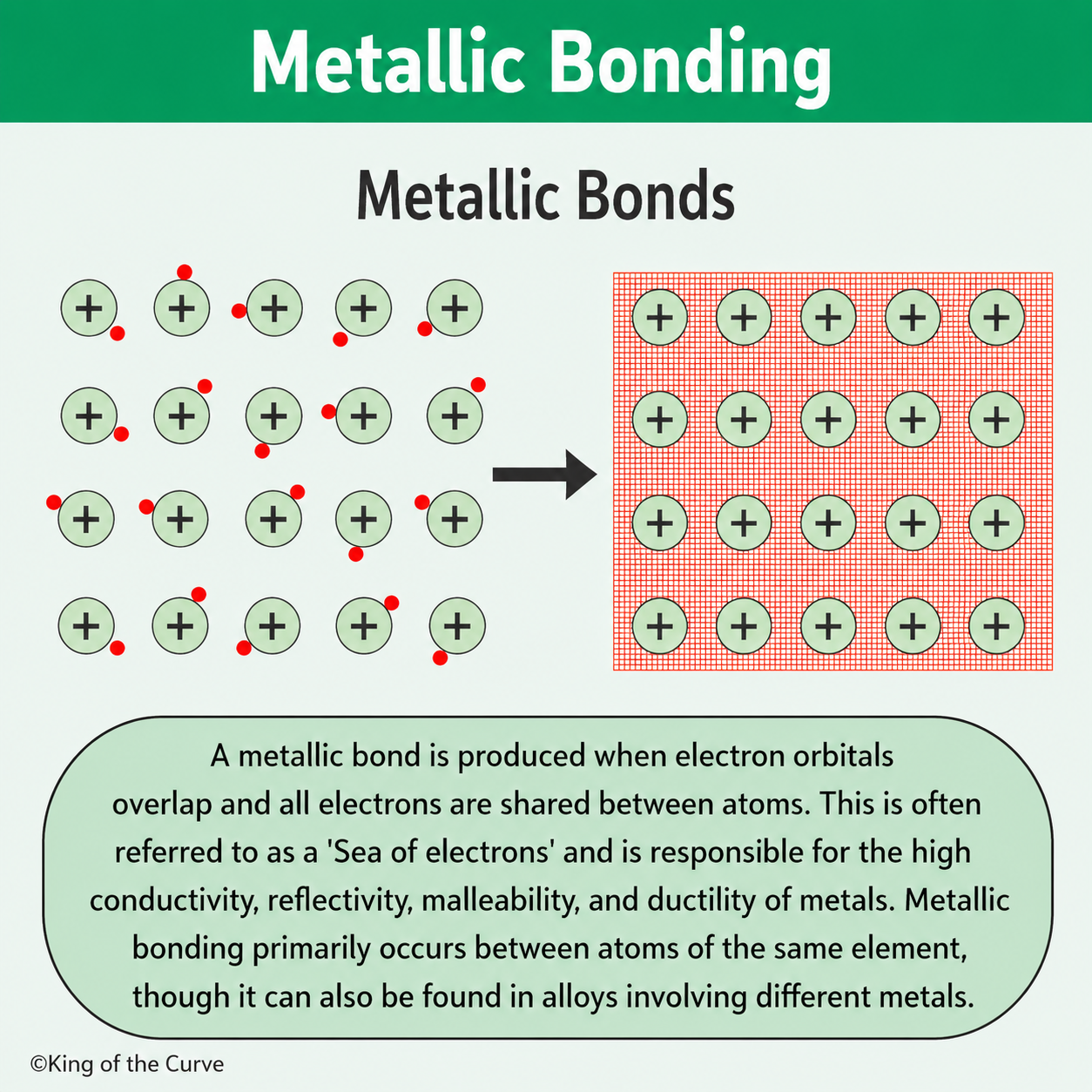
⚙️ Metallic Bonding: Definition, Properties, and the Sea of Electrons Explained
Learn metallic bonding, the sea of electrons model, key properties, examples, and why metals conduct heat and electricity so efficiently.
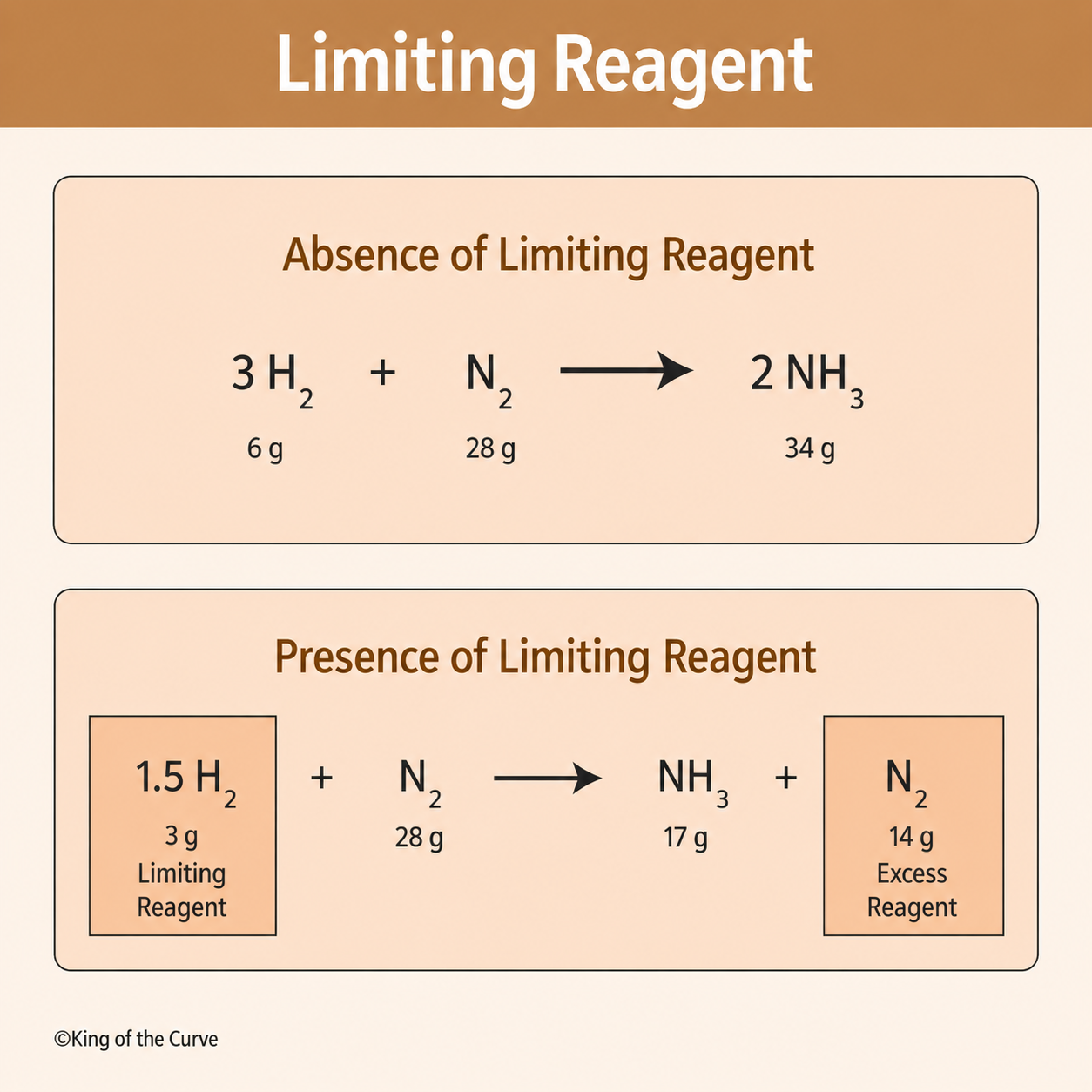
🧪 What Is a Limiting Reagent?
Learn what a limiting reagent is, how to identify it, calculate theoretical yield, and distinguish it from the excess reagent with examples.
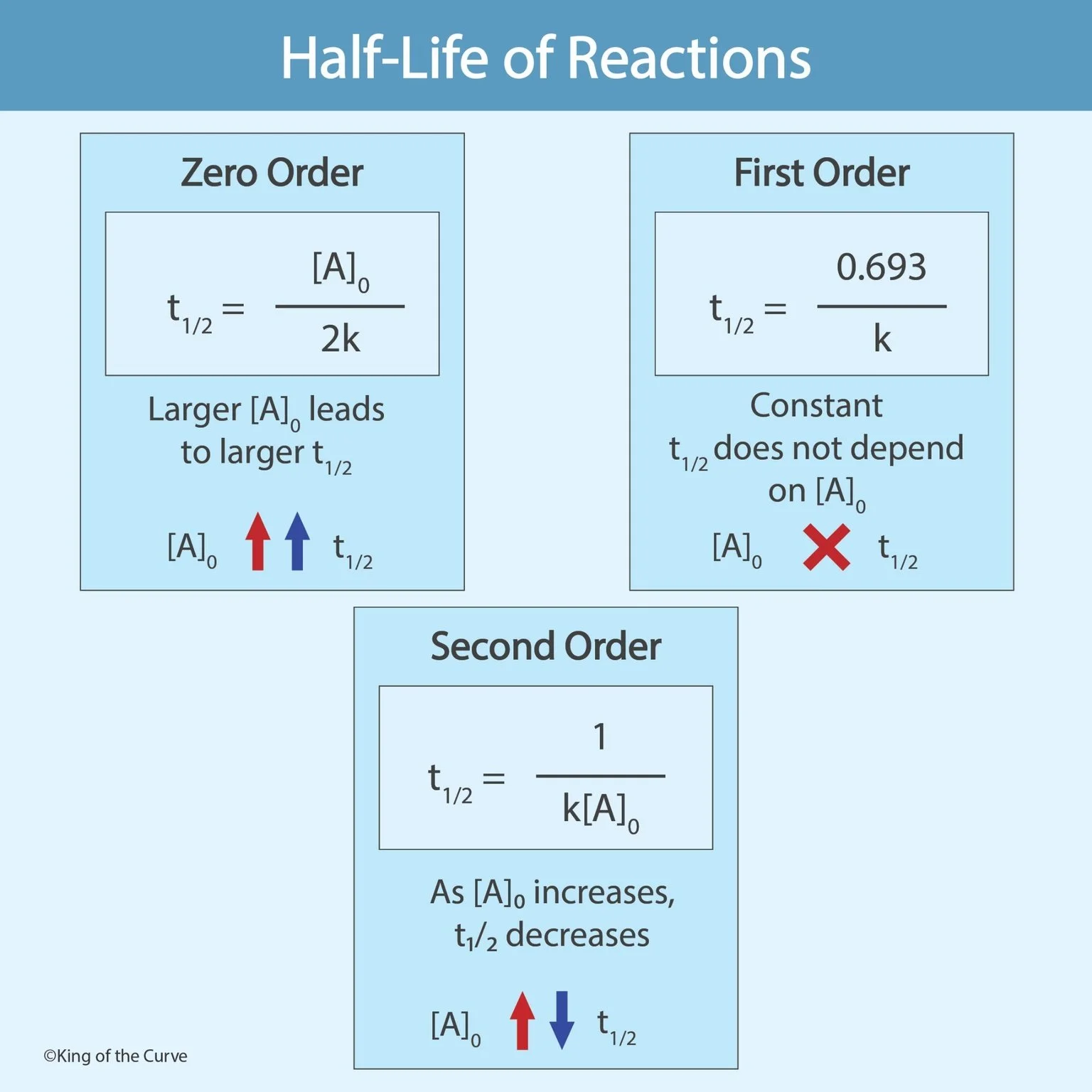
⚛️ What Is Half-Life in Chemical Reactions?
Master the half-life of reactions with simple formulas, reaction order comparisons, and MCAT study tips. Learn zero-, first-, and second-order kinetics.
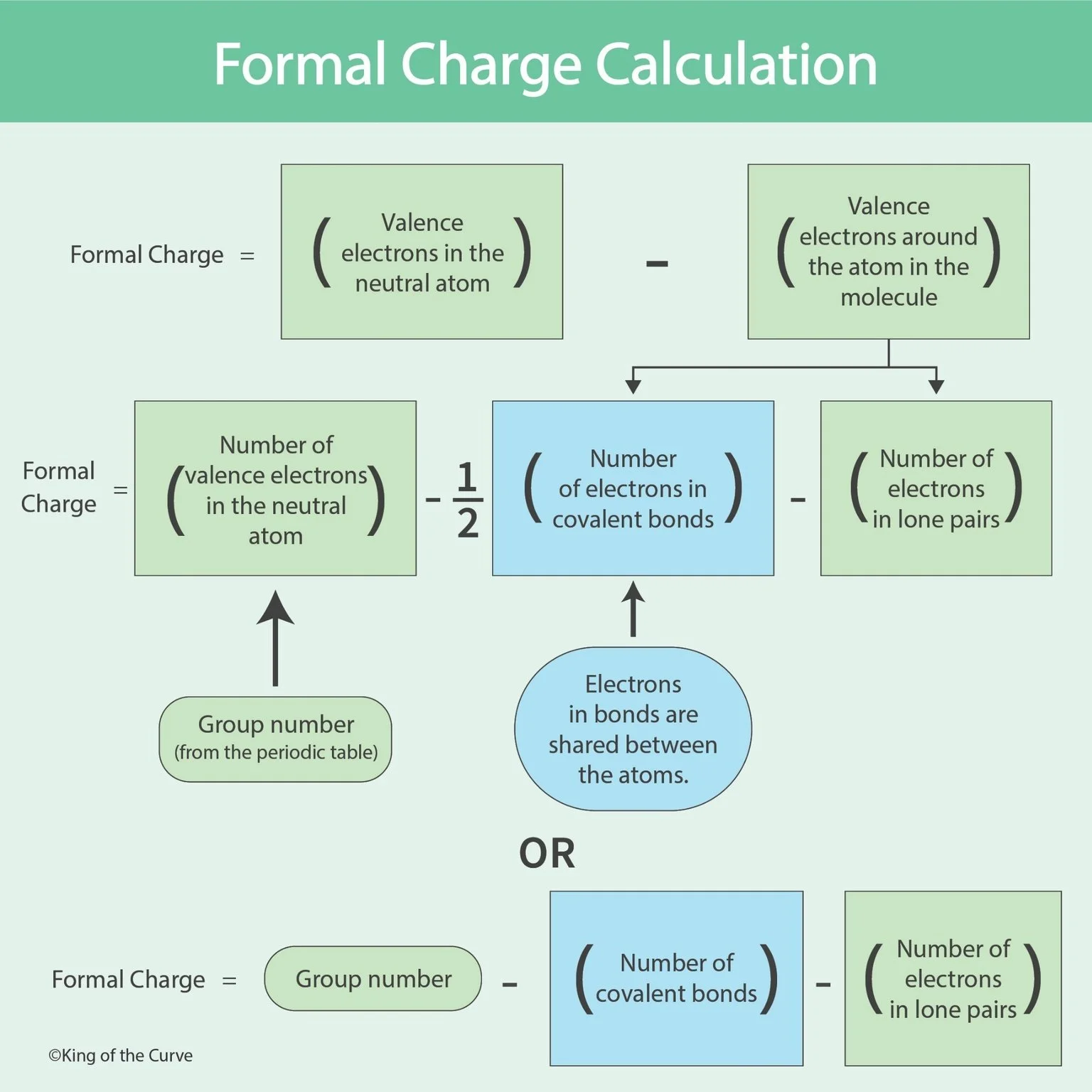
⚛️ What Is Formal Charge?
Learn how to calculate formal charge with simple formulas, examples, and MCAT study tips. Master Lewis structures and molecular stability with ease.