
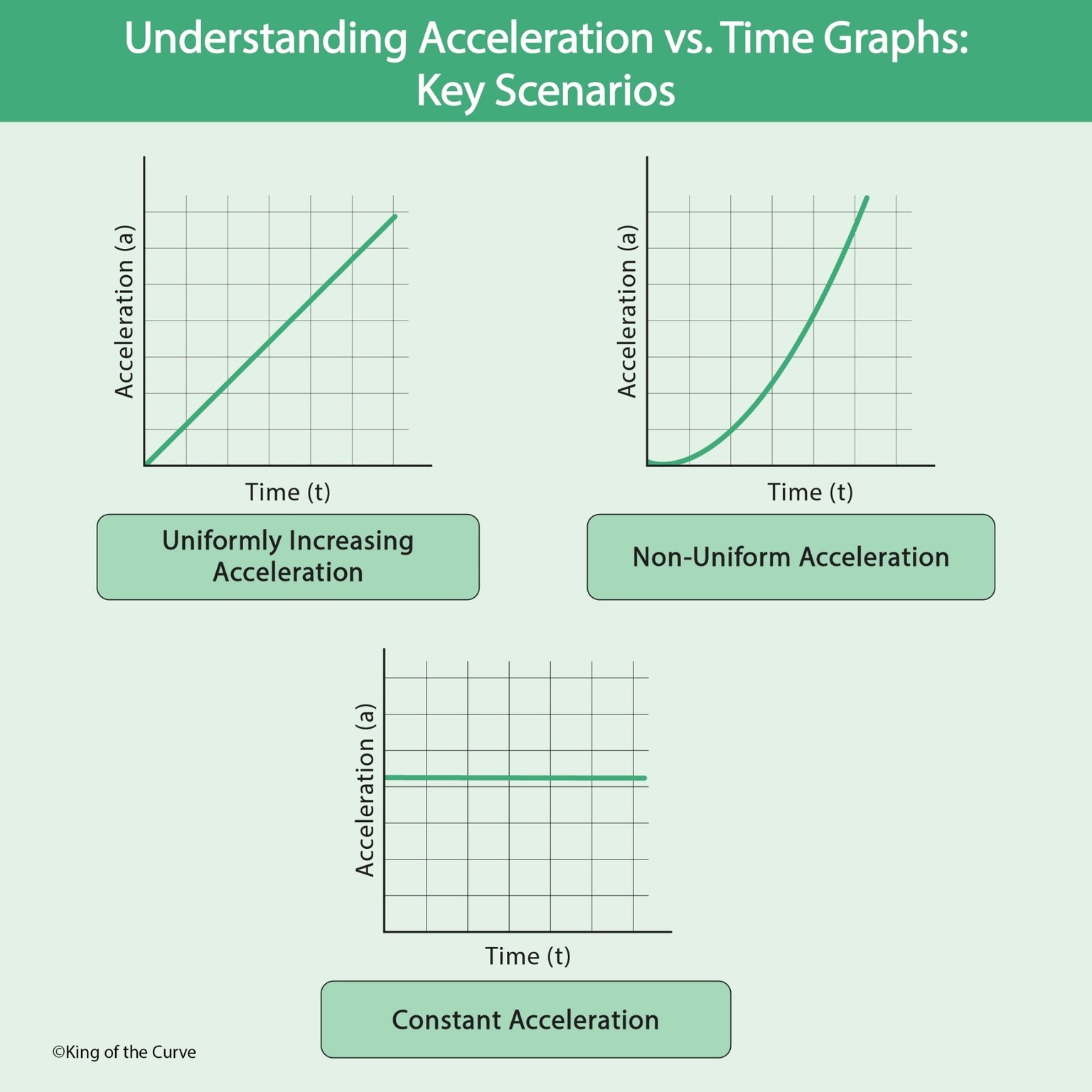
🚀 Understanding Acceleration vs. Time Graphs: Key Scenarios for the MCAT
Learn how to interpret acceleration vs. time graphs for the MCAT, including constant, increasing, and non-uniform acceleration and changes in velocity.
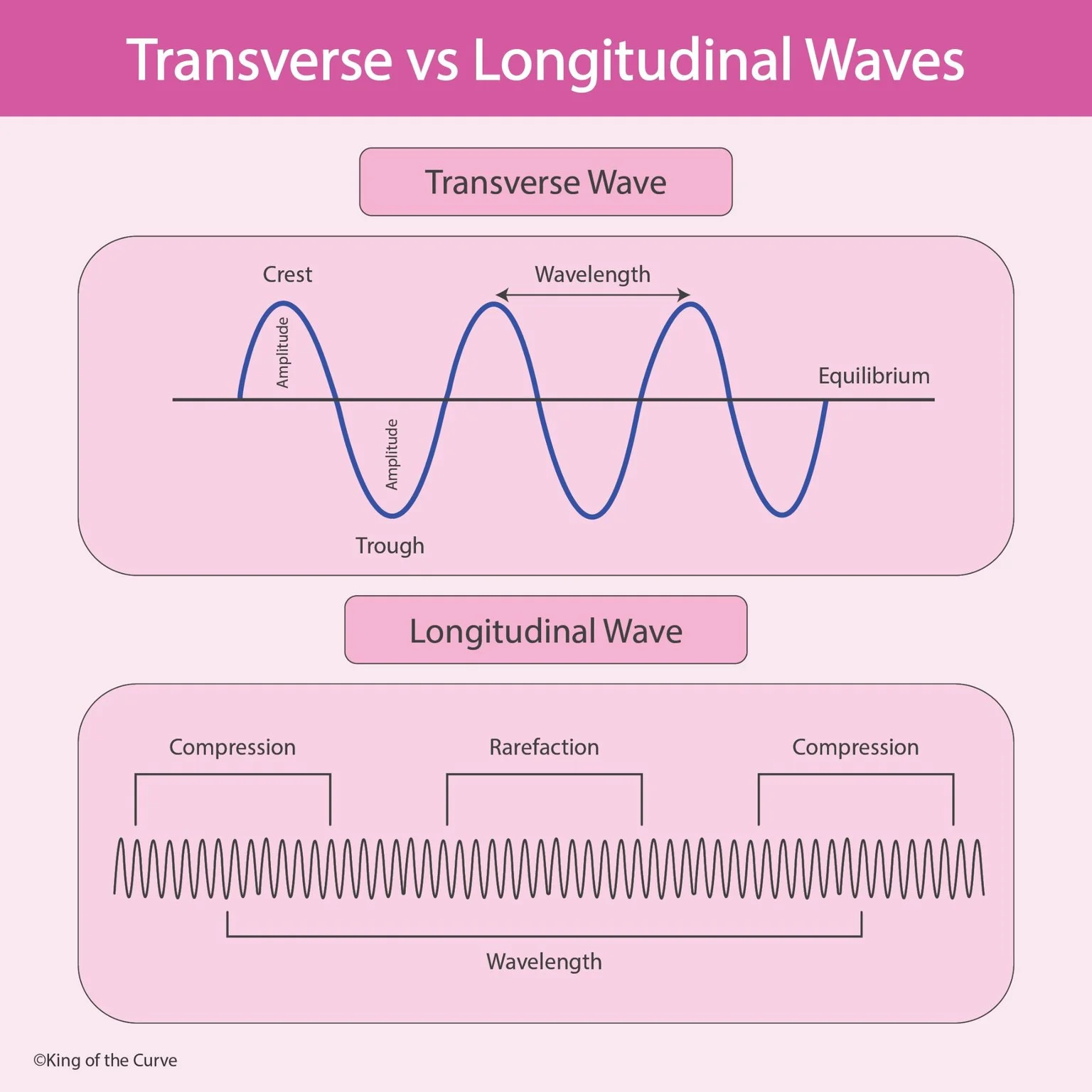
🌊 Transverse vs Longitudinal Waves: Key Differences for the MCAT
Learn the key differences between transverse and longitudinal waves, including particle motion, wavelength, amplitude, compression, rarefaction, and MCAT examples.
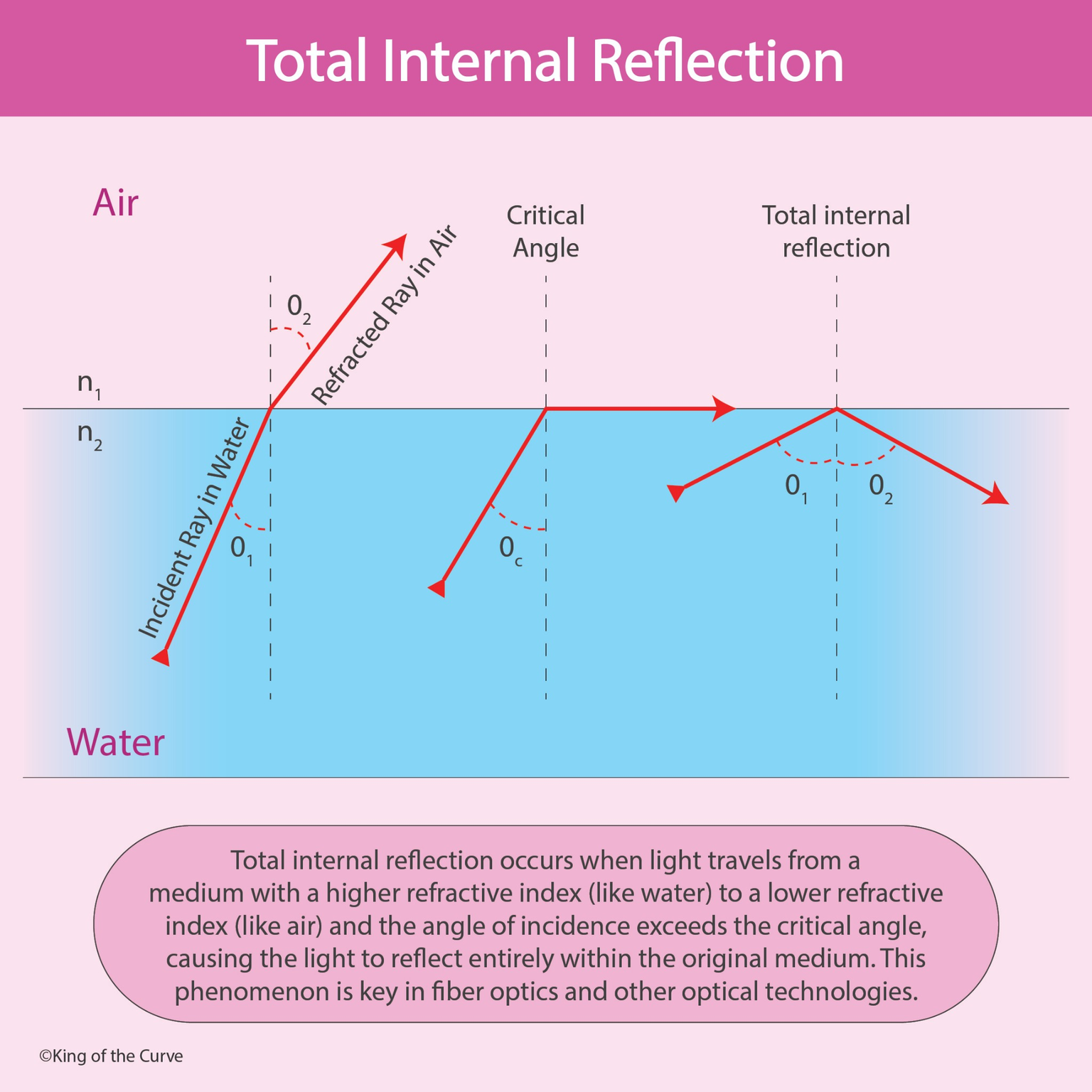
🌈 Total Internal Reflection: A High-Yield MCAT Optics Concept
Learn total internal reflection for the MCAT, including the critical angle, refractive index, Snell’s law, and conditions required for TIR.
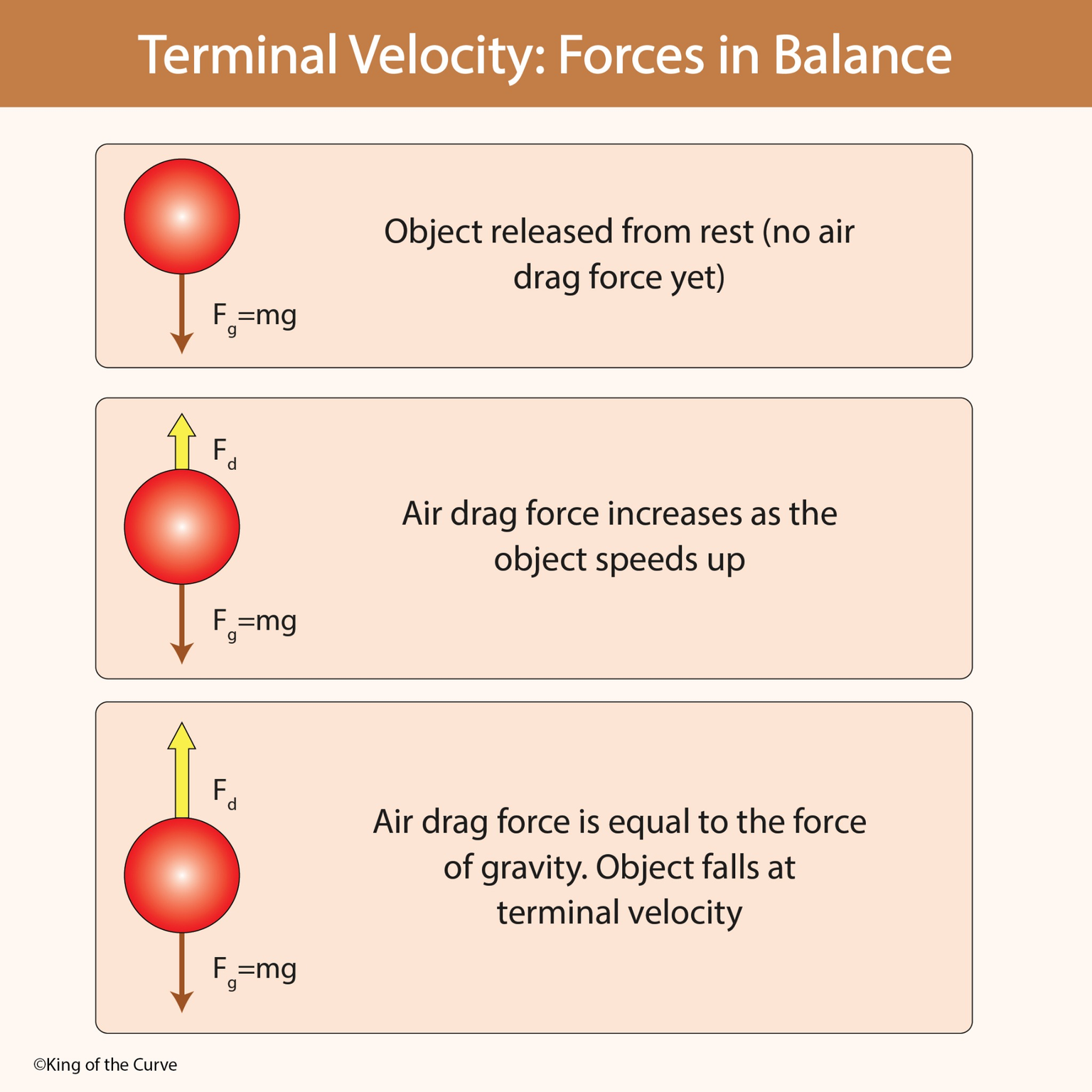
🍂 Terminal Velocity: Forces in Balance
Learn terminal velocity for the MCAT, including gravity, air resistance, drag force, net force, acceleration, and how forces balance during a fall.
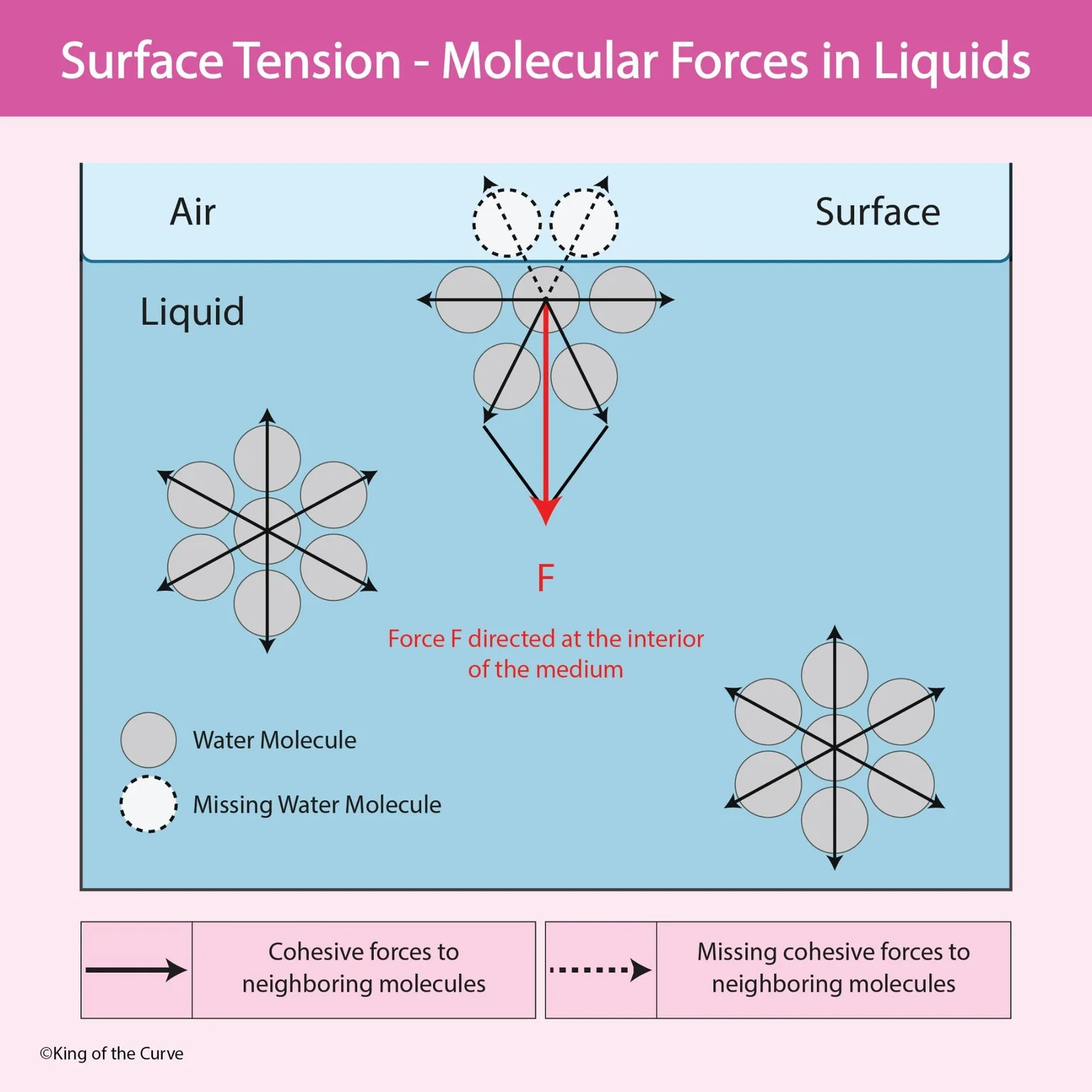
💧 Surface Tension: Molecular Forces in Liquids
Learn surface tension for the MCAT, including cohesion, adhesion, hydrogen bonding, intermolecular forces, surfactants, and water’s surface properties.
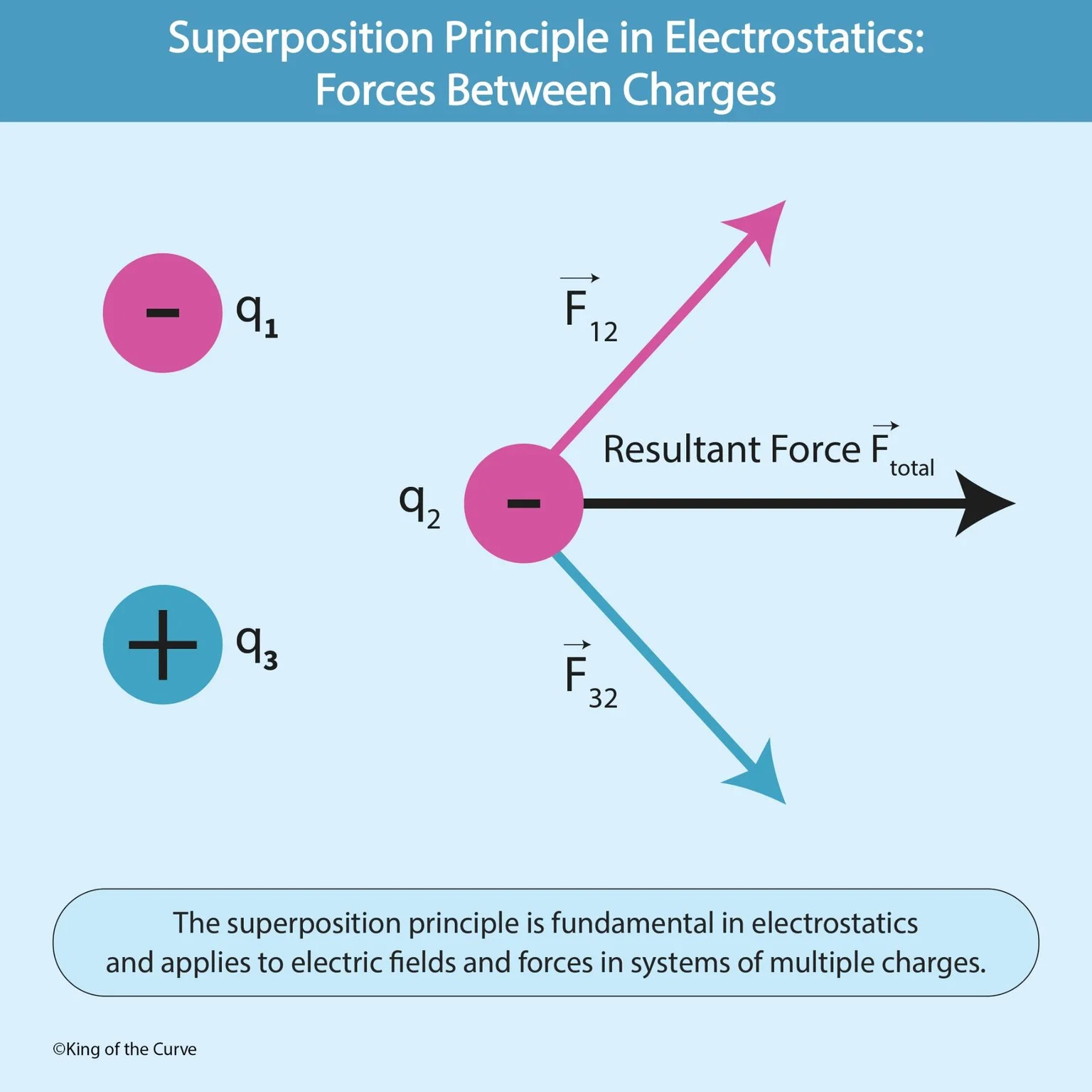
⚡ Superposition Principle in Electrostatics: Forces Between Charges
Learn the superposition principle in electrostatics, including Coulomb’s law, force vectors, attraction, repulsion, and net electric force for the MCAT.
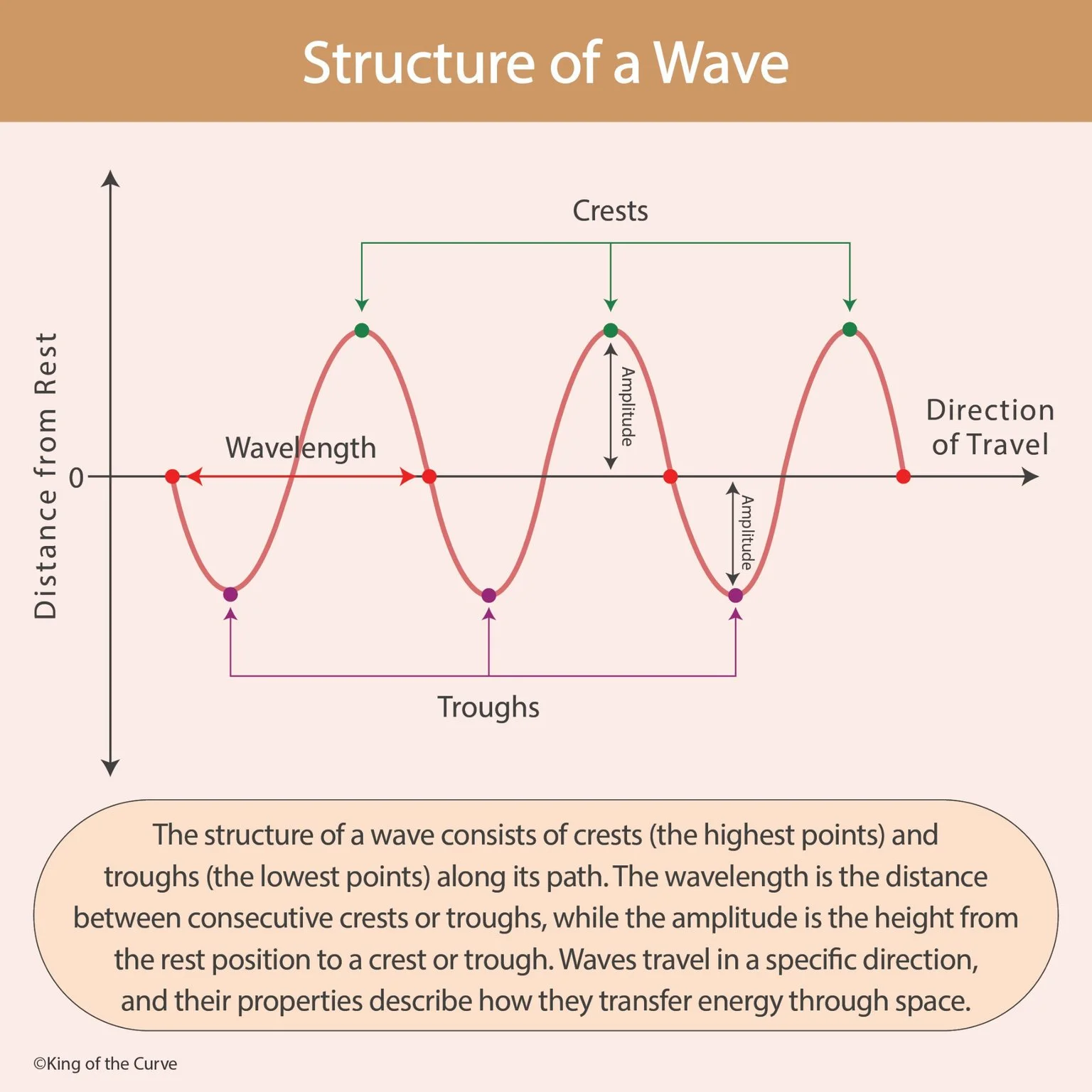
🌊 Structure of a Wave: Wavelength, Amplitude, Crests, and Troughs
Learn the structure of a wave for the MCAT, including crests, troughs, amplitude, wavelength, frequency, period, and the wave speed equation v = fλ.
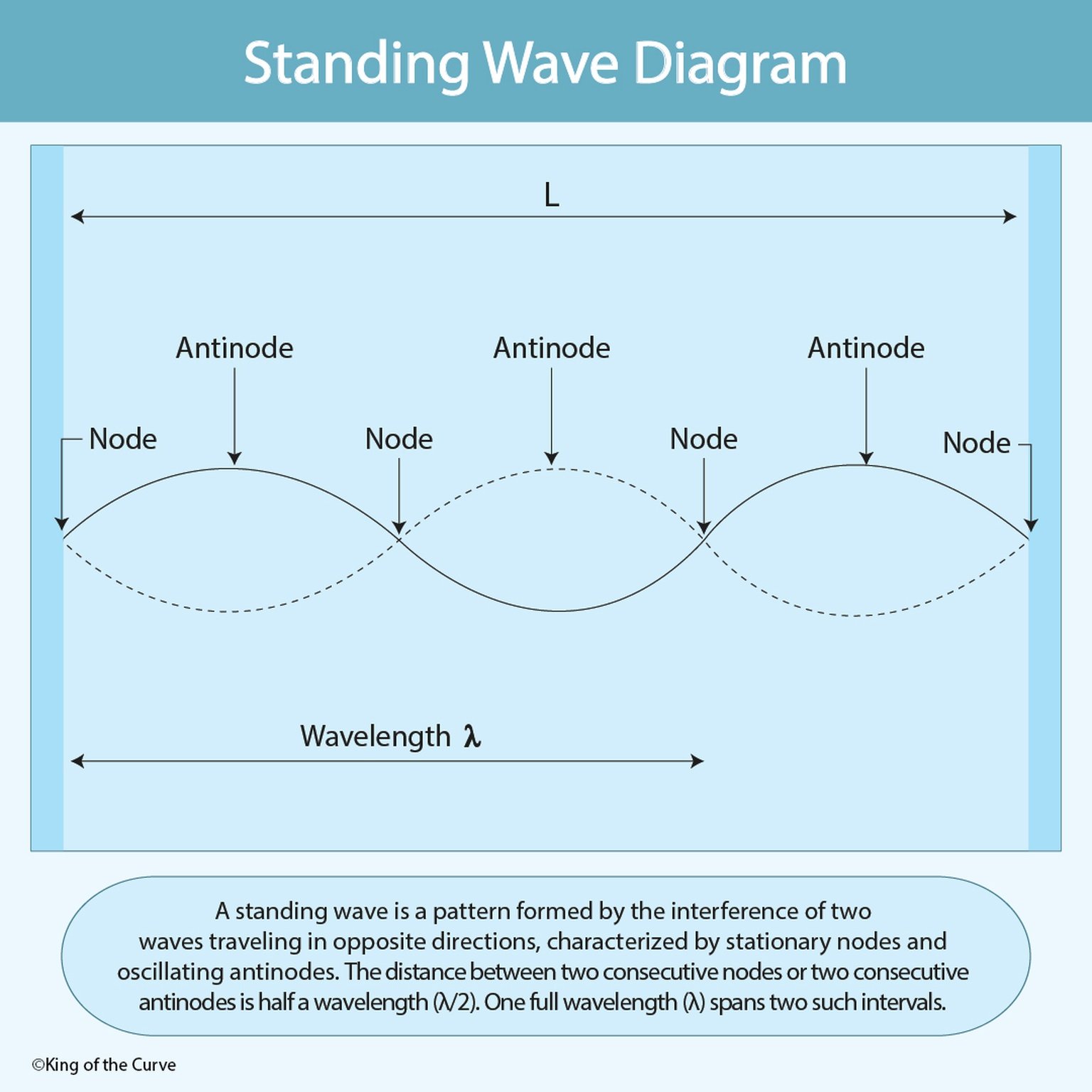
🌊 Standing Waves Explained: Nodes, Antinodes, Wavelength, and Harmonics
Learn standing waves for the MCAT, including nodes, antinodes, wavelength, harmonics, resonance, and key λ/2 and λ/4 relationships.
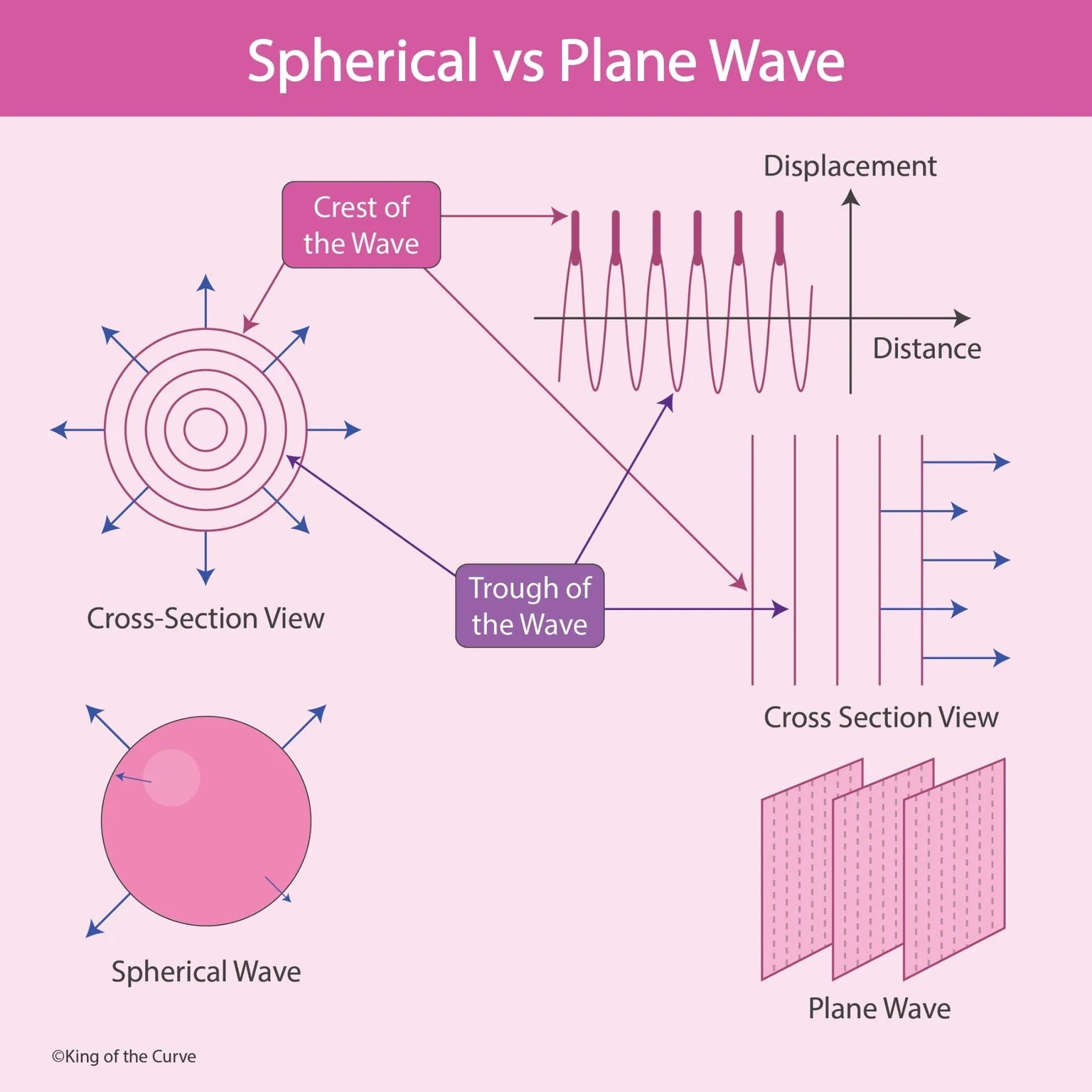
🌊 Spherical vs Plane Waves: Wavefronts, Propagation, and Intensity for the MCAT
Learn spherical vs plane waves for the MCAT, including wavefronts, propagation, crests, troughs, intensity, wavelength, and the inverse-square law.

⚡ Newton’s Second Law: Force, Mass, and Acceleration Explained
Learn Newton’s Second Law, F = ma, and how force, mass, and acceleration relate. Review key equations, examples, and high-yield MCAT physics concepts.
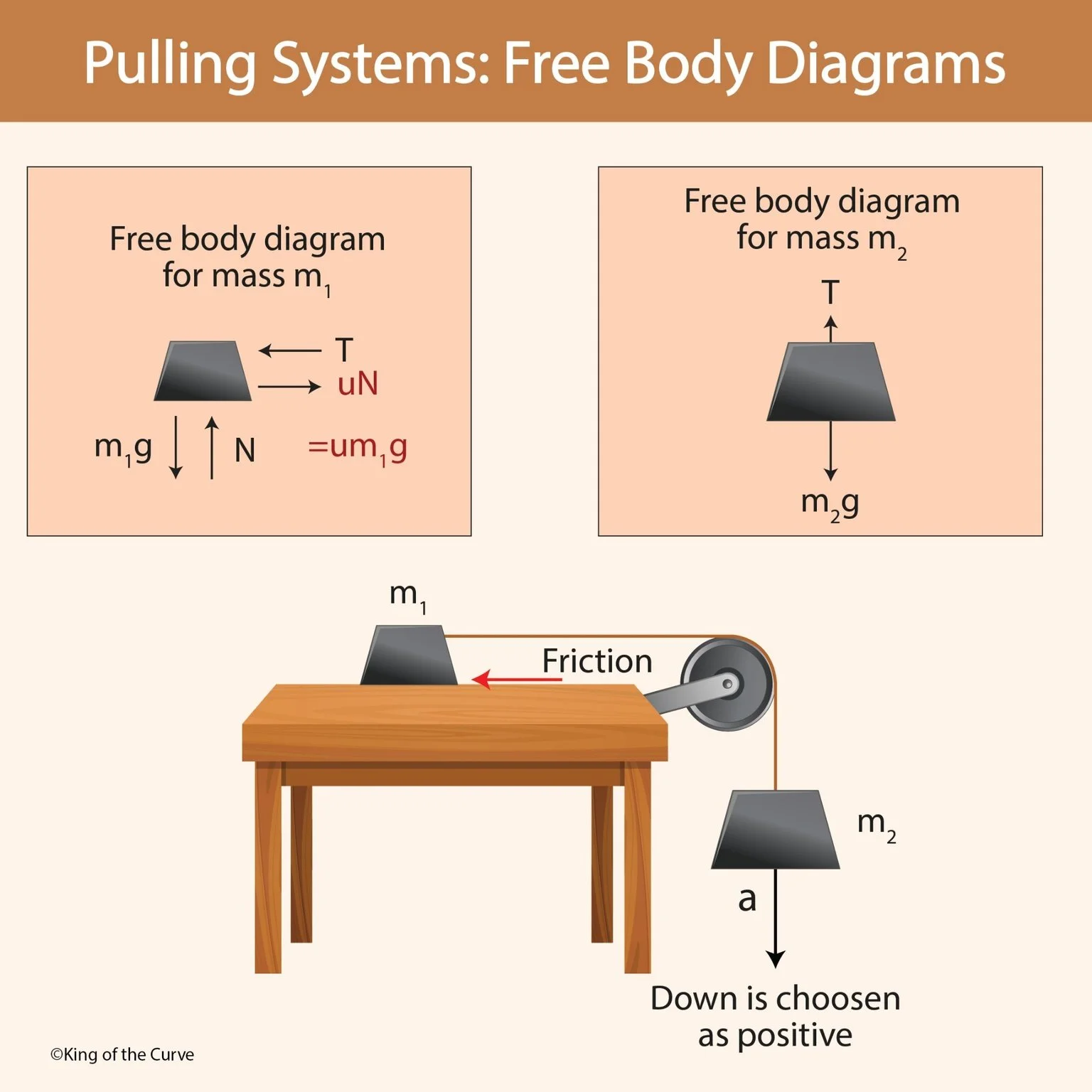
🧲 Pulling Systems & Free-Body Diagrams: Tension, Friction, and Acceleration
Learn pulling systems and free-body diagrams with tension, friction, normal force, and acceleration equations for high-yield MCAT physics problems.
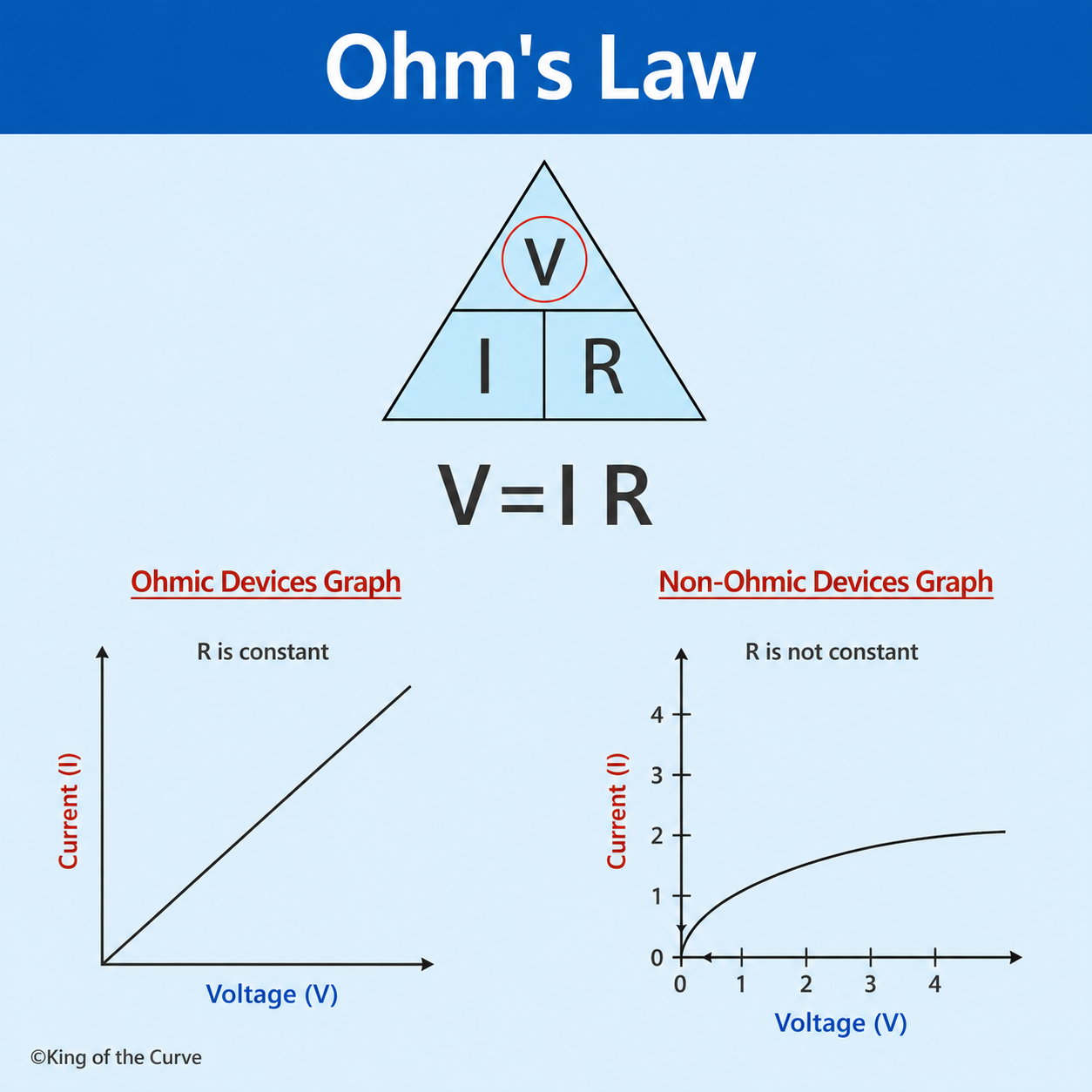
⚡ Ohm’s Law: Voltage, Current, Resistance & MCAT Physics Explained
Learn Ohm’s Law, V = IR, and the relationship between voltage, current, and resistance. Compare ohmic and non-ohmic devices for MCAT physics.
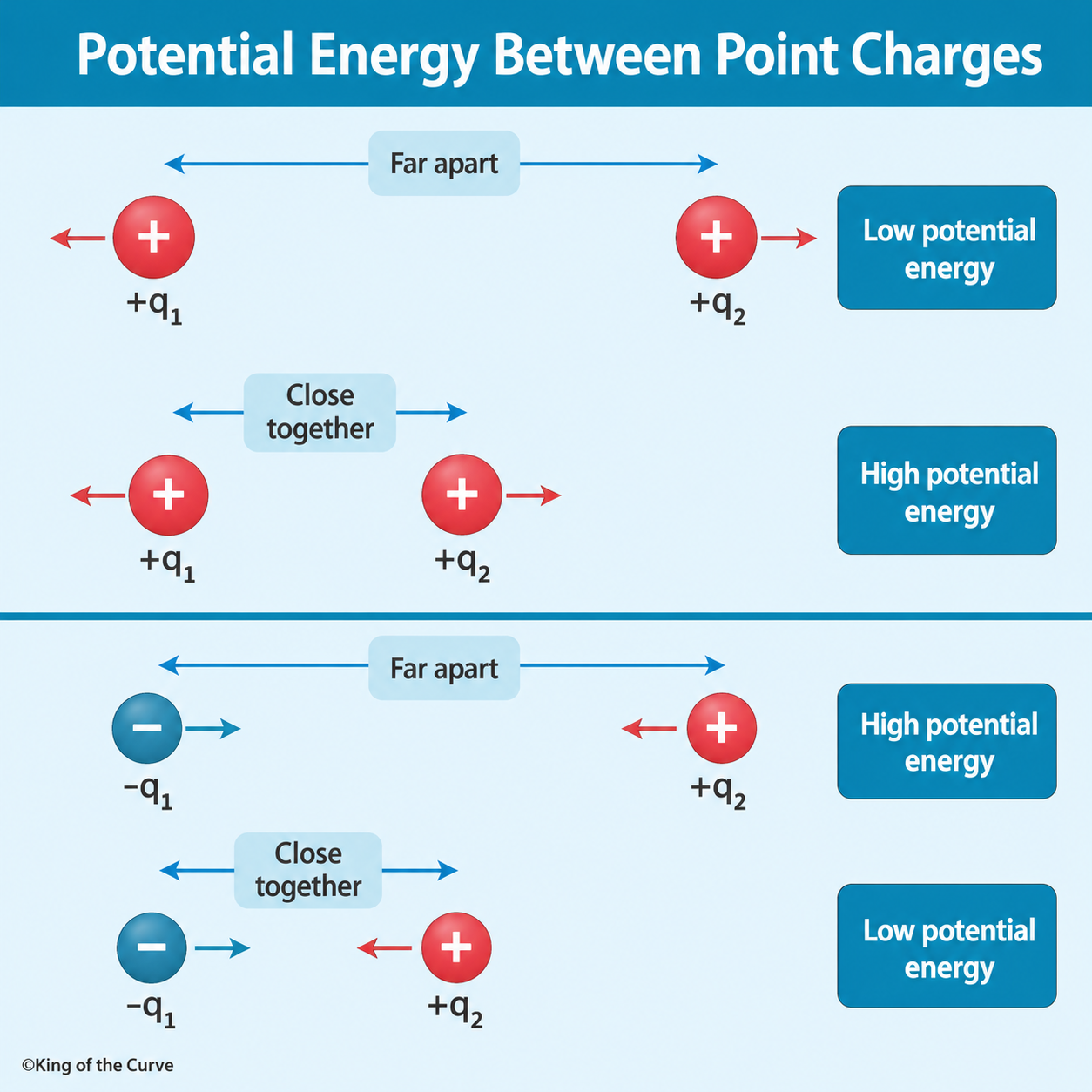
⚡ Potential Energy Between Point Charges
Learn how potential energy changes between point charges. Understand like vs. opposite charges, Coulomb's law, and MCAT electrostatics.
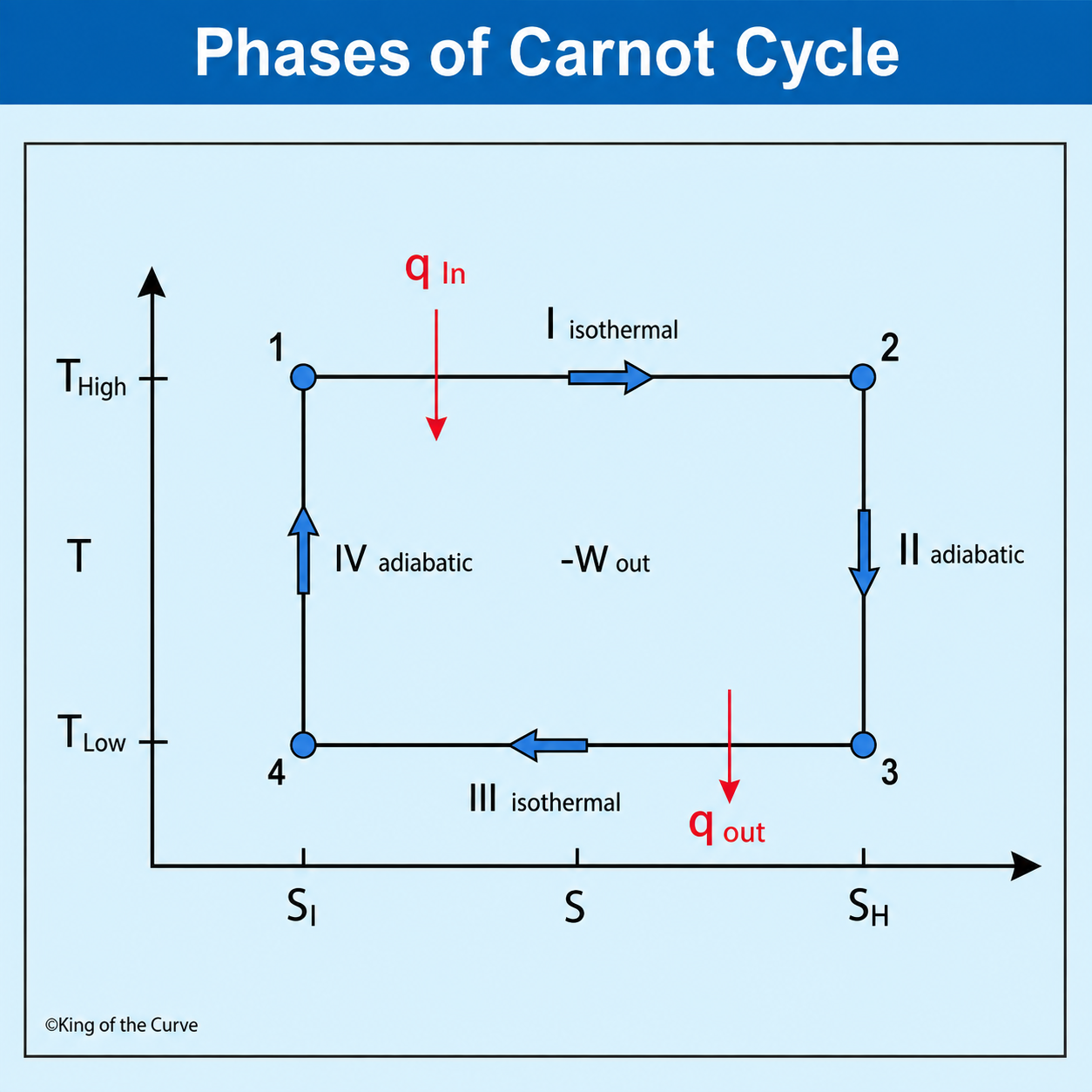
🔥 Phases of the Carnot Cycle: Understanding the Ideal Heat Engine
Learn the four phases of the Carnot cycle, including isothermal and adiabatic processes, Carnot efficiency, heat transfer, and thermodynamics. Perfect for MCAT preparation.
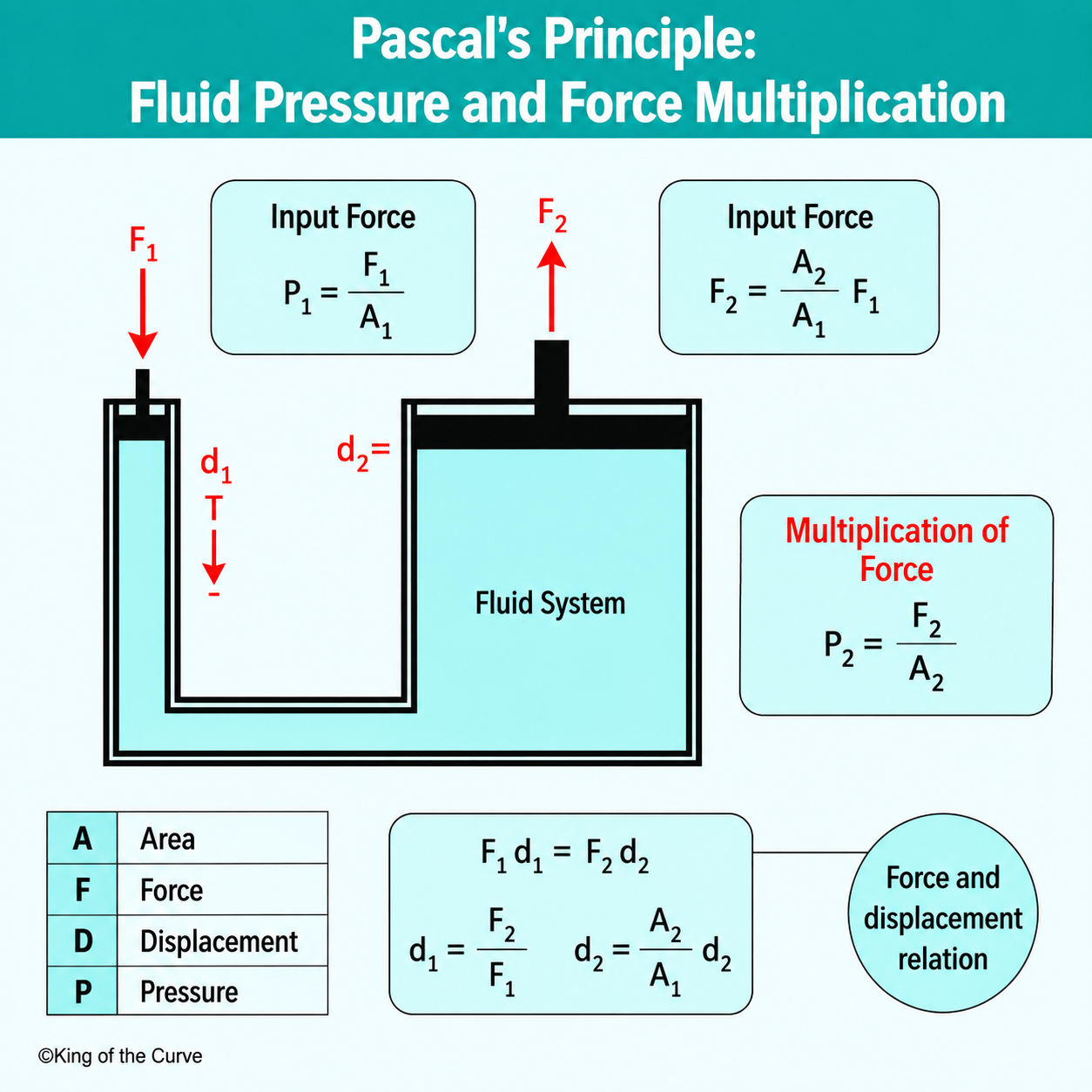
🌊 Pascal’s Principle: Fluid Pressure and Force Multiplication
Learn Pascal's Principle, hydraulic pressure, force multiplication, and fluid mechanics with this high-yield MCAT physics guide and visual infographic.
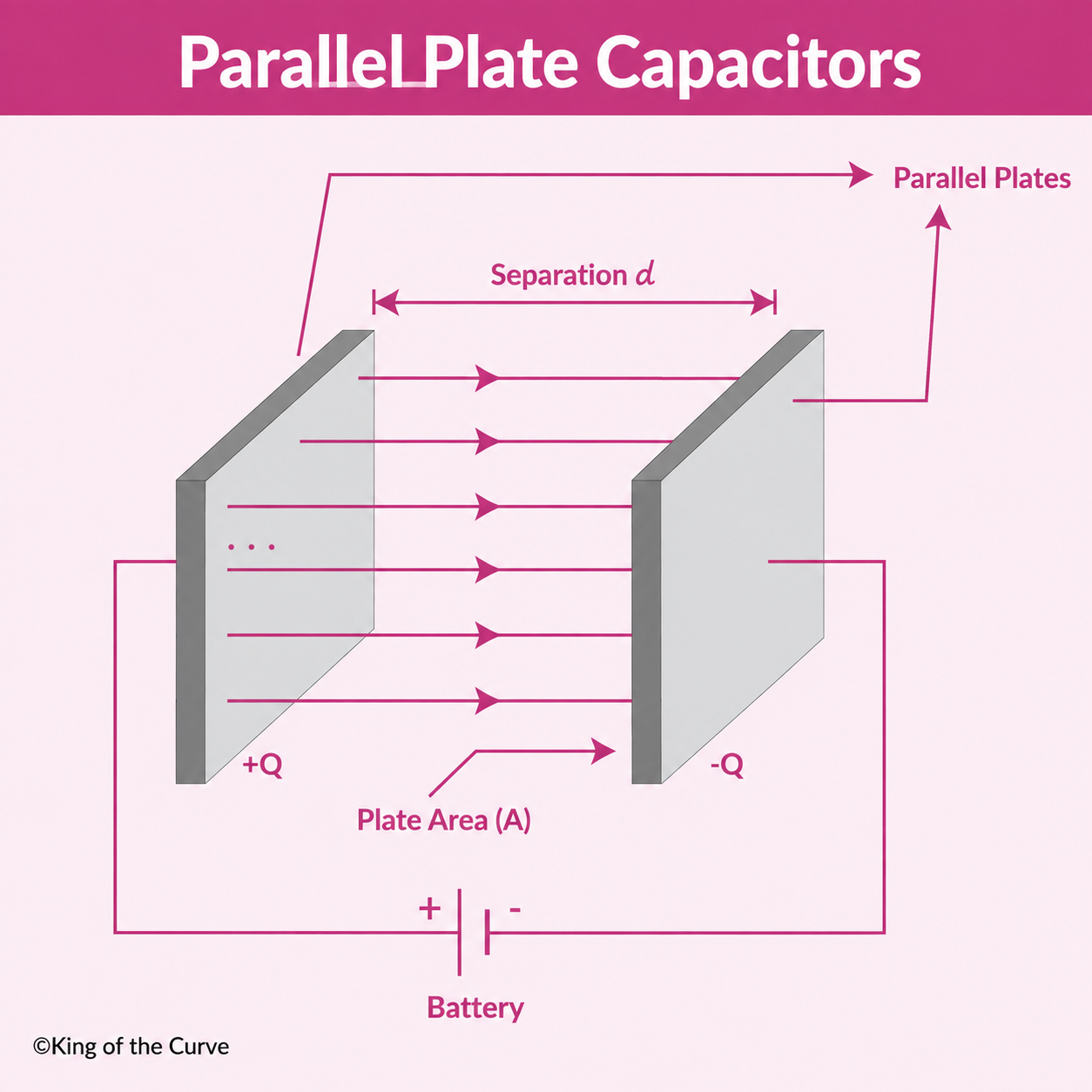
⚡ Parallel Plate Capacitors: A High-Yield MCAT Physics Guide
Learn how parallel plate capacitors work, including capacitance, electric fields, plate area, separation, and dielectrics in this high-yield MCAT physics guide.
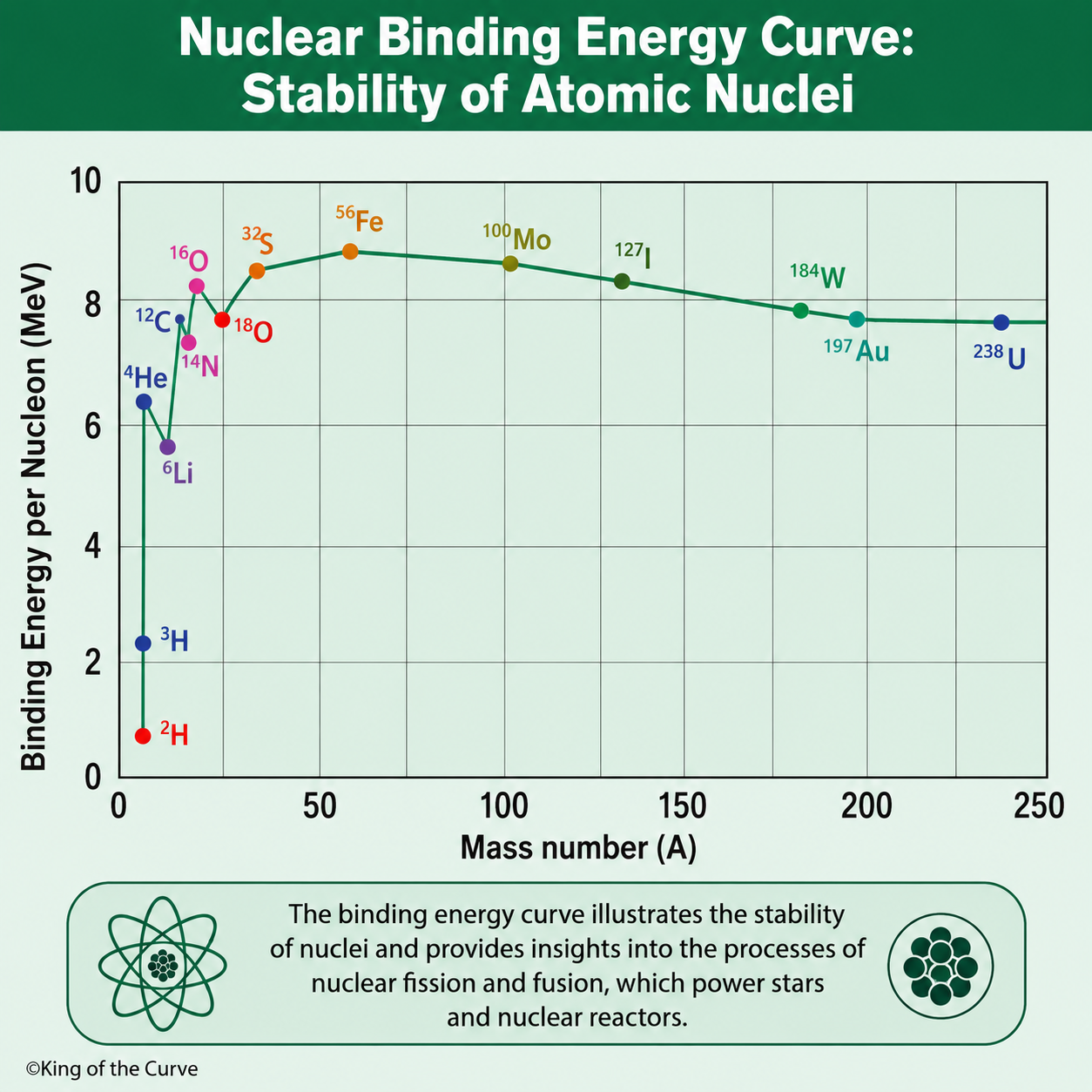
⚛️ Nuclear Binding Energy Curve: Understanding the Stability of Atomic Nuclei
Learn the nuclear binding energy curve, why iron-56 is the most stable nucleus, and how it explains nuclear fusion, fission, atomic stability, and stellar energy production.
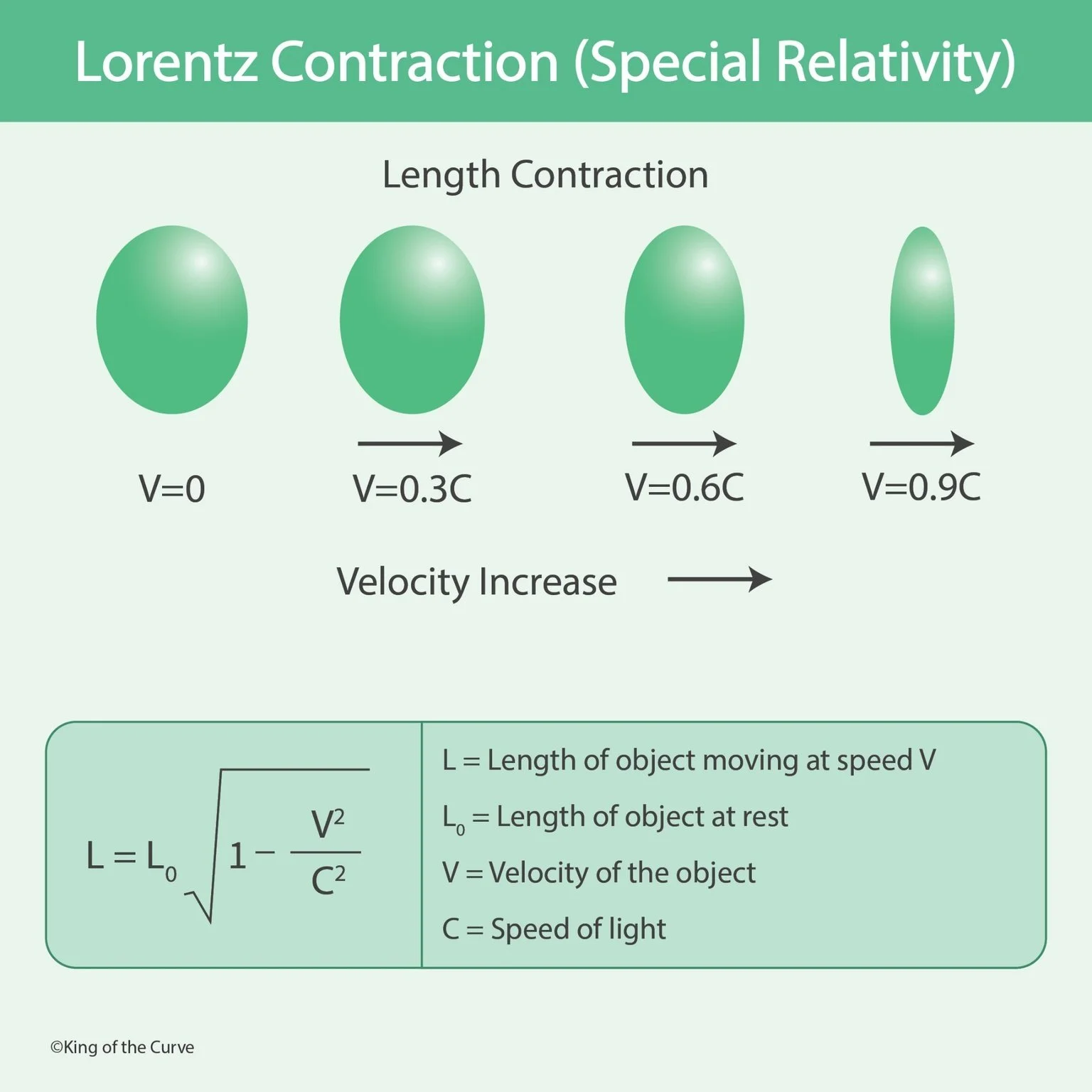
🚀 Lorentz Contraction (Special Relativity)
Learn Lorentz contraction in Special Relativity with the formula, examples, derivation, and how object length changes as velocity approaches light speed.
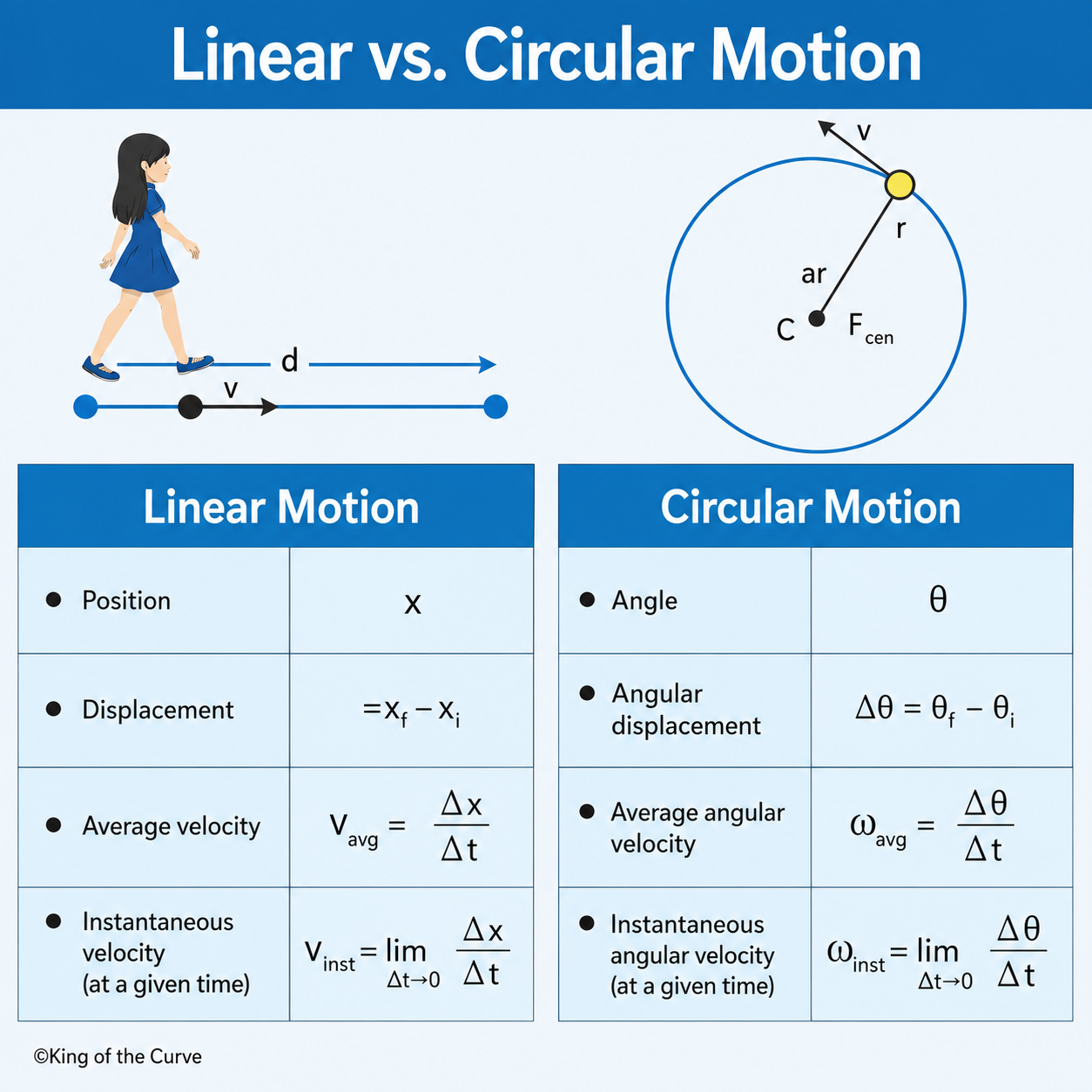
📘 Linear vs. Circular Motion
Learn the differences between linear and circular motion, compare their formulas, understand angular motion, and explore real-world examples.
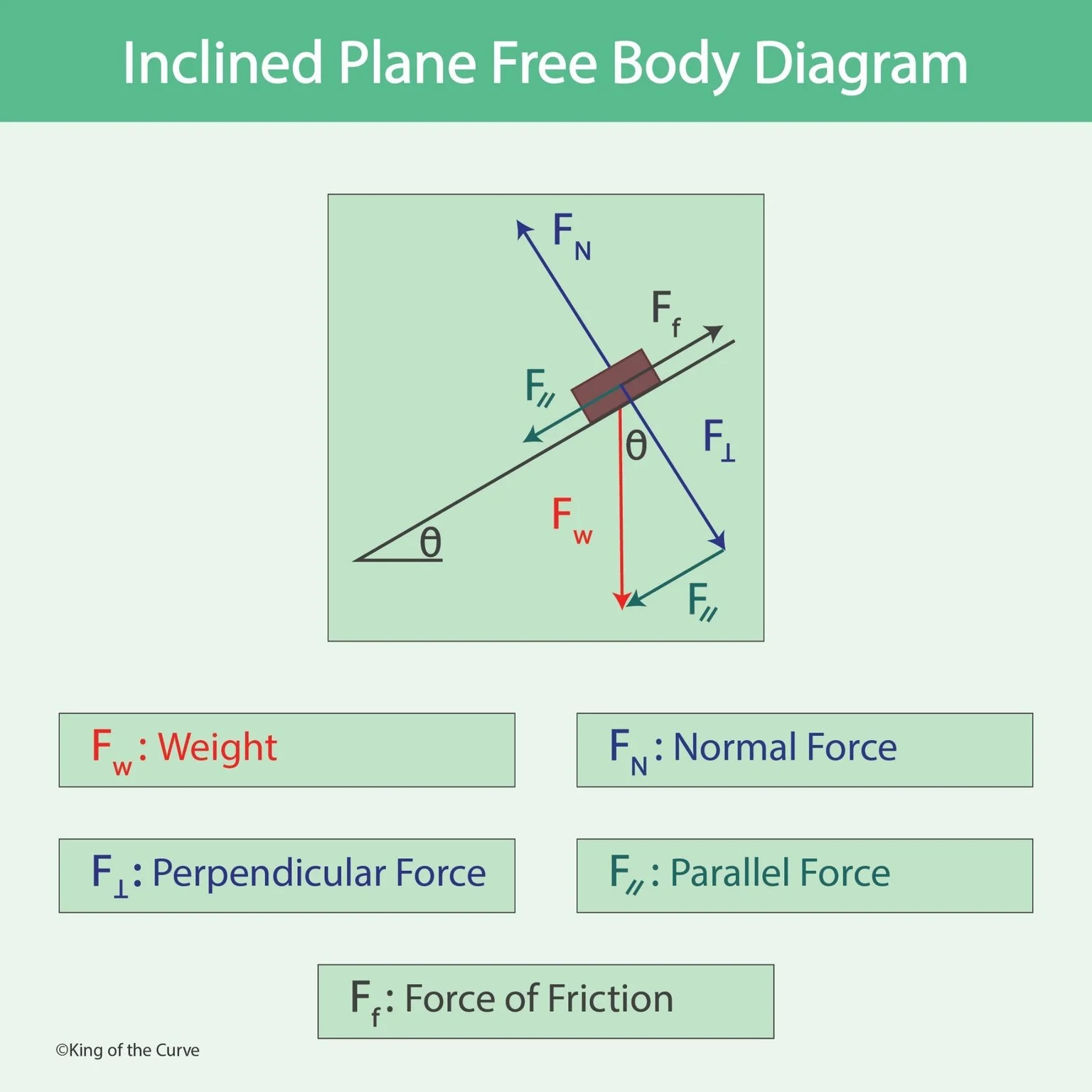
⚖️ What Is an Inclined Plane Free Body Diagram?
Learn inclined plane free body diagrams with simple explanations, force components, friction, and MCAT study tips. Master Newton's Laws visually.