
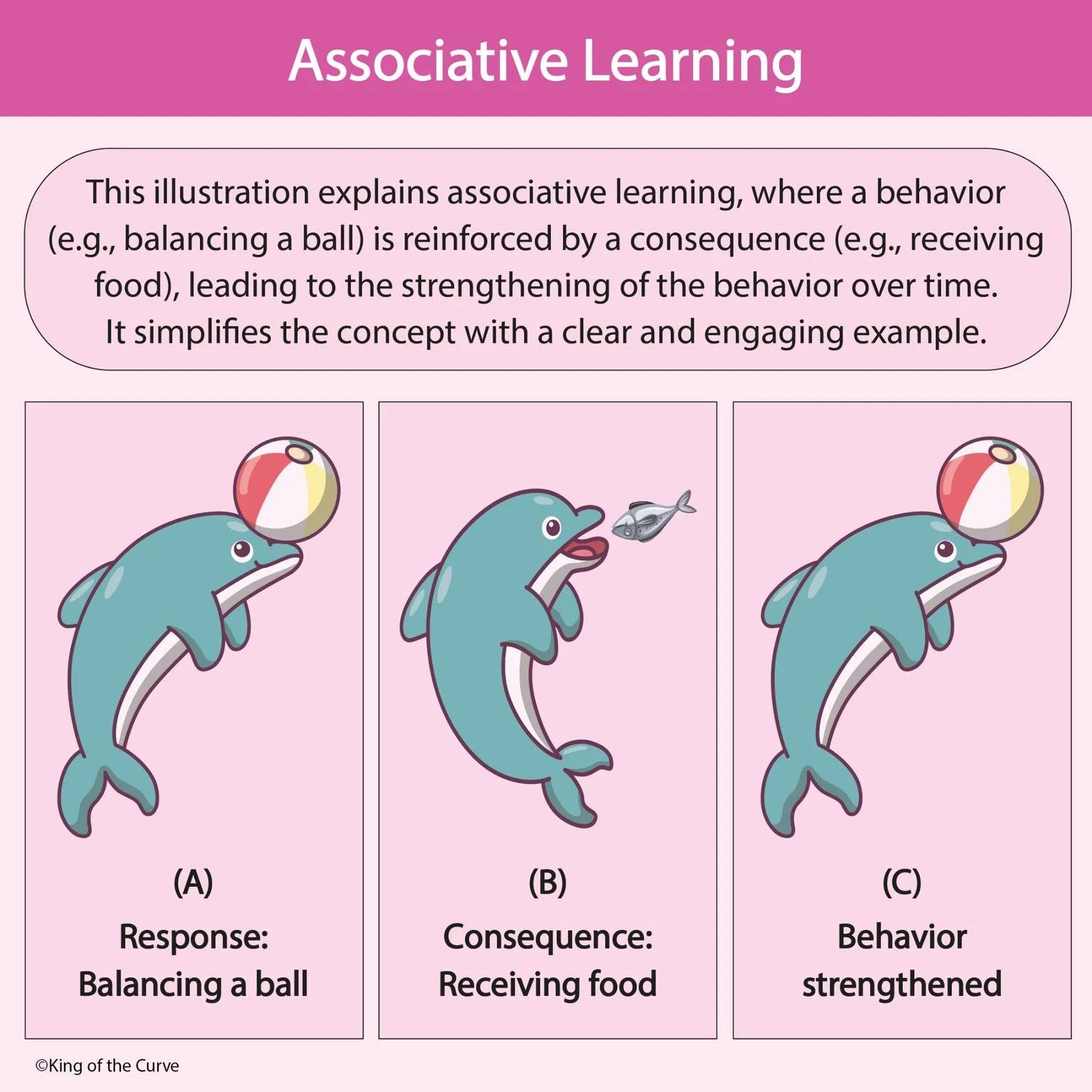
🧠 Associative Learning: How Experiences Shape Behavior
Explore associative learning, classical and operant conditioning, reinforcement, punishment, and shaping with clear explanations and everyday examples.
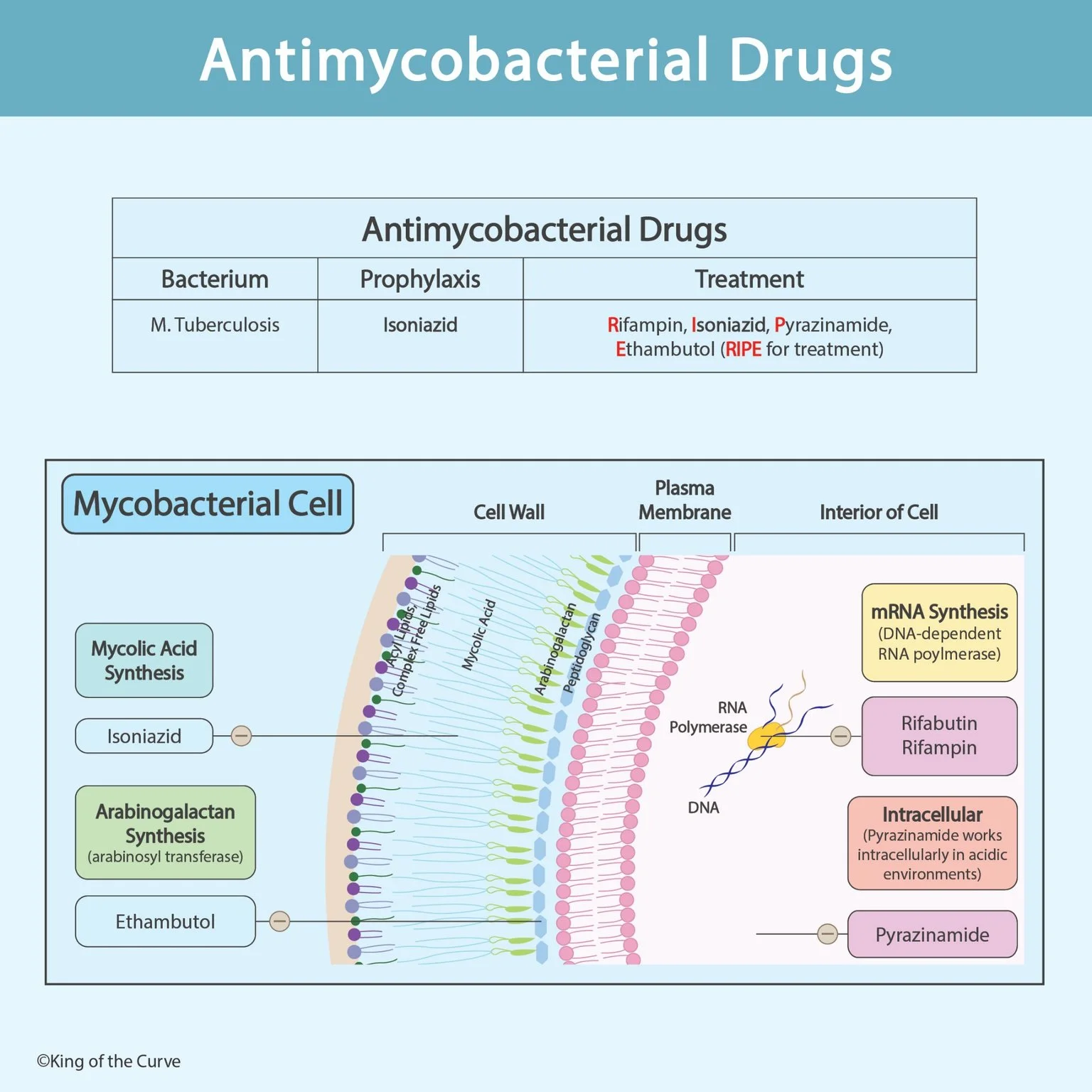
💊 Antimycobacterial Drugs: Mechanisms, Uses, and Key Adverse Effects
Learn how rifampin, isoniazid, pyrazinamide, and ethambutol work, their key adverse effects, and their roles in tuberculosis treatment.
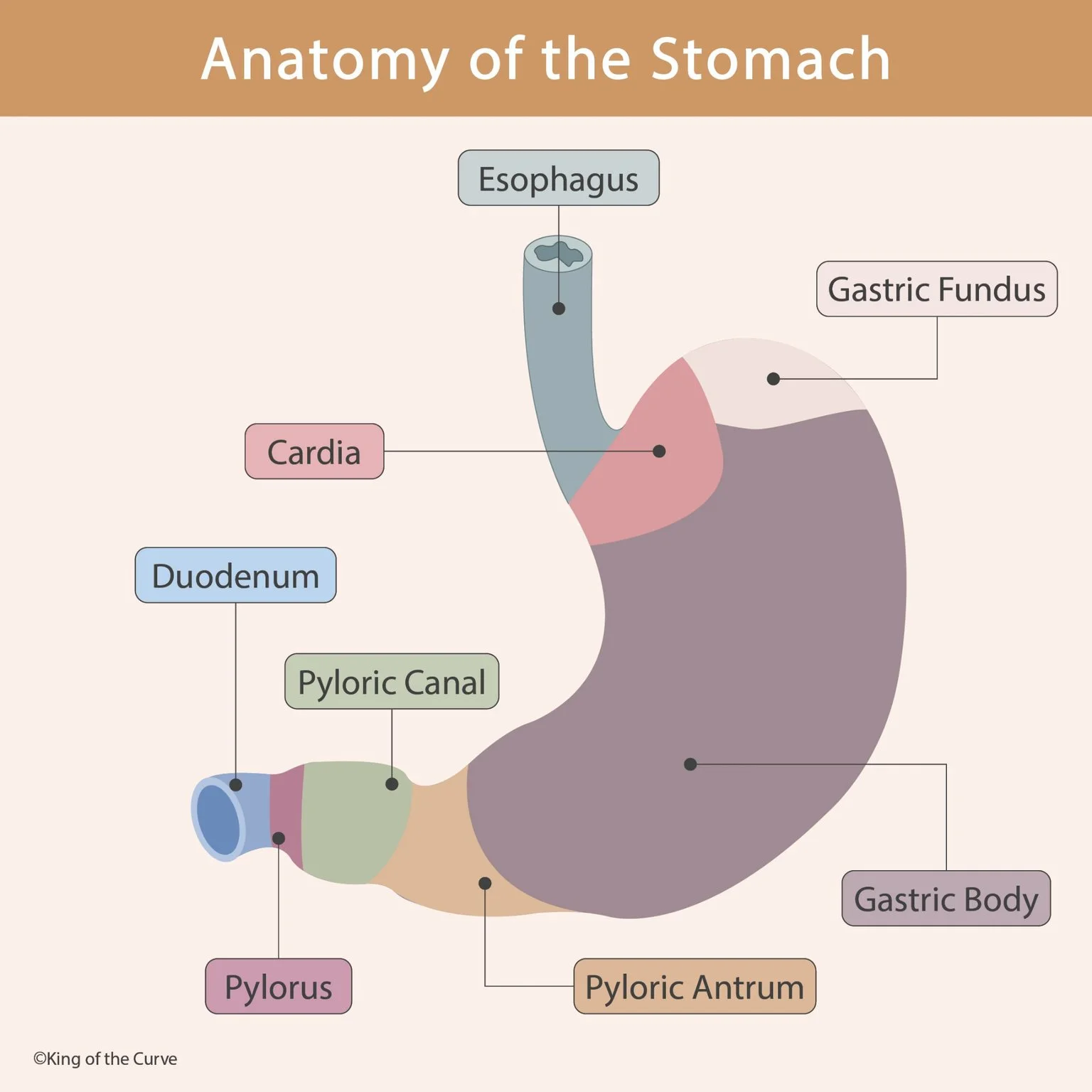
🍽️ Anatomy of the Stomach: Regions and Their Roles in Digestion
Explore stomach anatomy, including the cardia, fundus, body, pyloric antrum, canal, and sphincter, and learn how each region supports digestion.
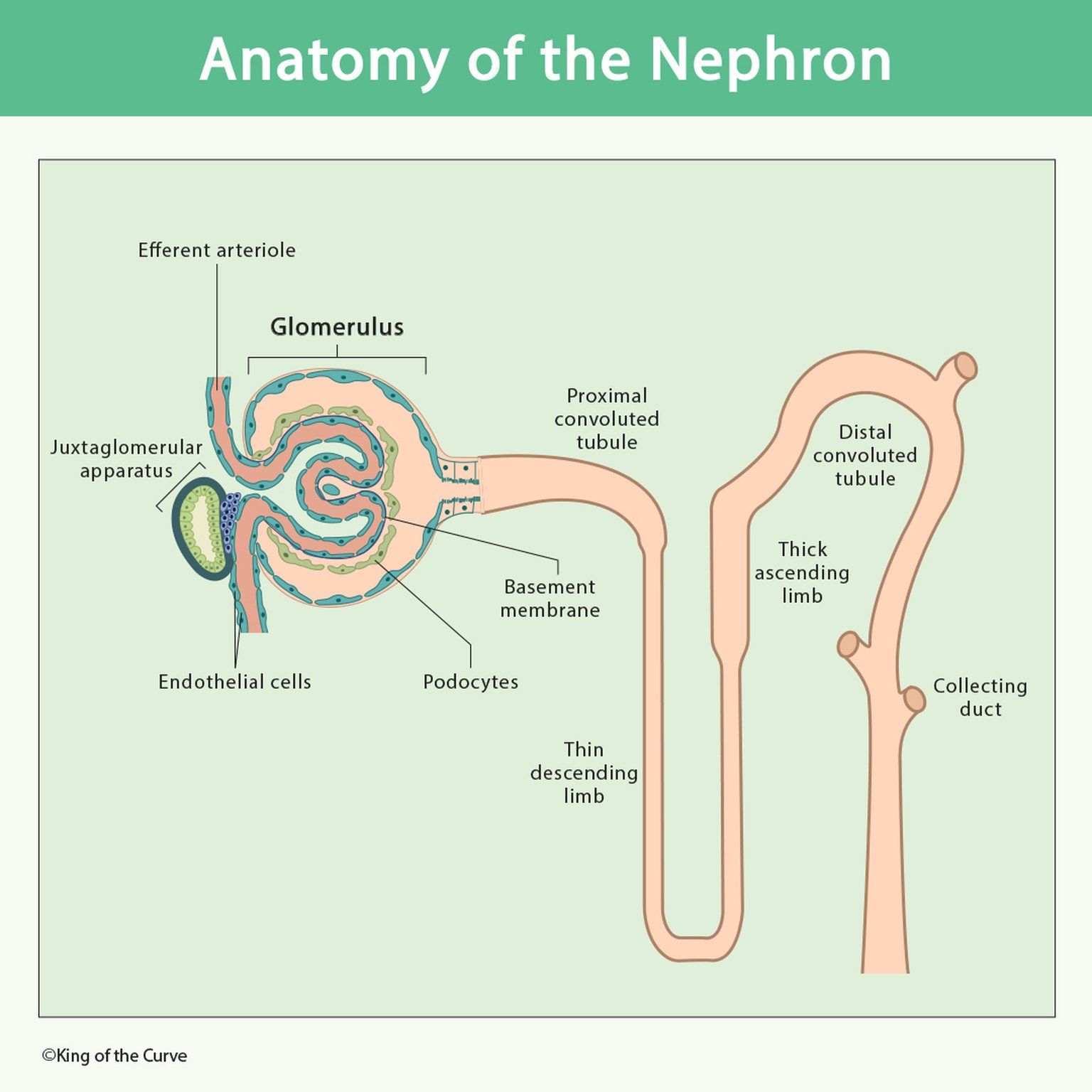
🫘 Anatomy of the Nephron: How the Kidney Forms Urine
Explore nephron anatomy, including the glomerulus, renal tubules, loop of Henle, collecting duct, and how filtration and reabsorption form urine.
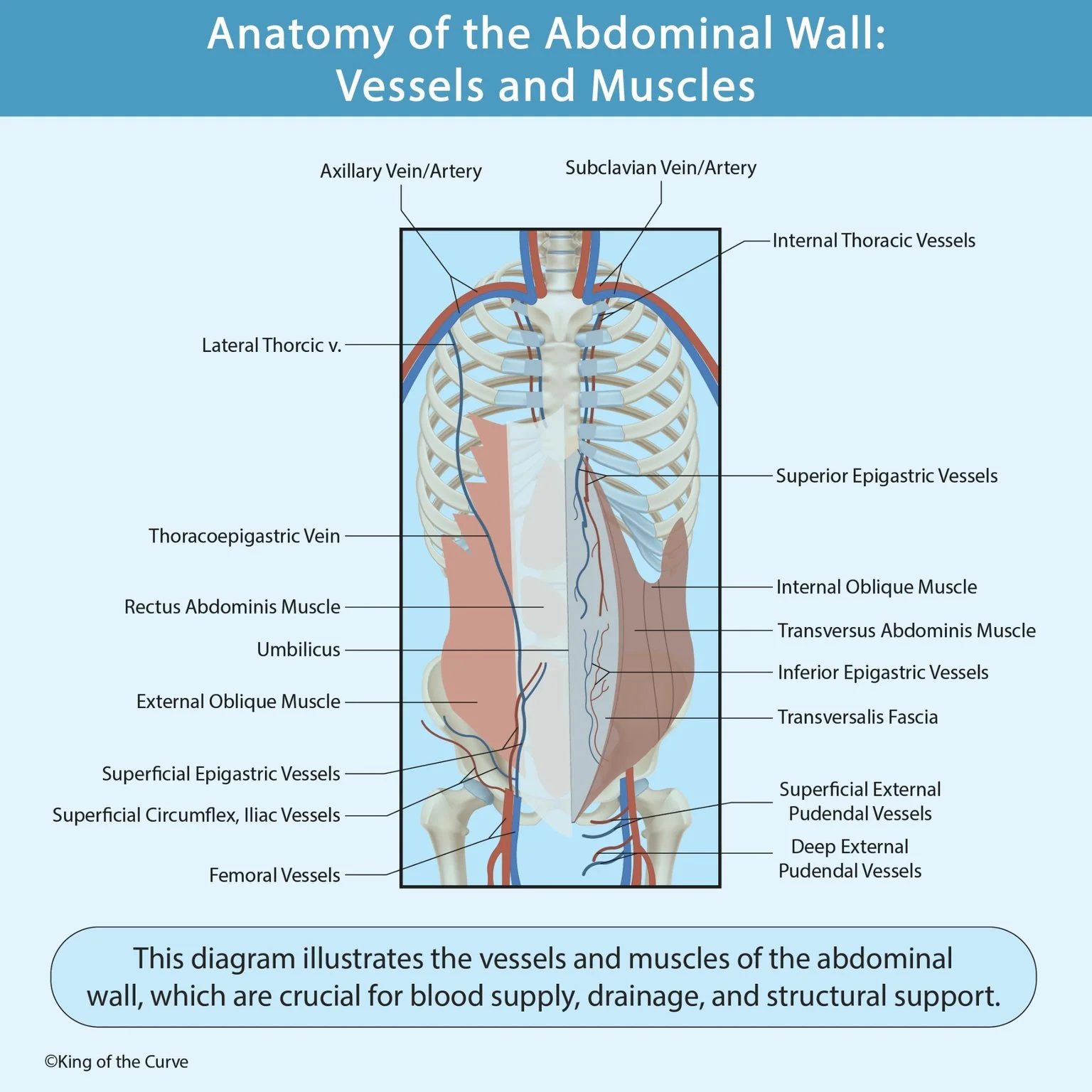
🧍 Abdominal Wall Anatomy: Muscles, Fascia, and Blood Vessels
Explore abdominal wall anatomy, including muscle layers, the rectus sheath, transversalis fascia, epigastric arteries, and venous drainage.
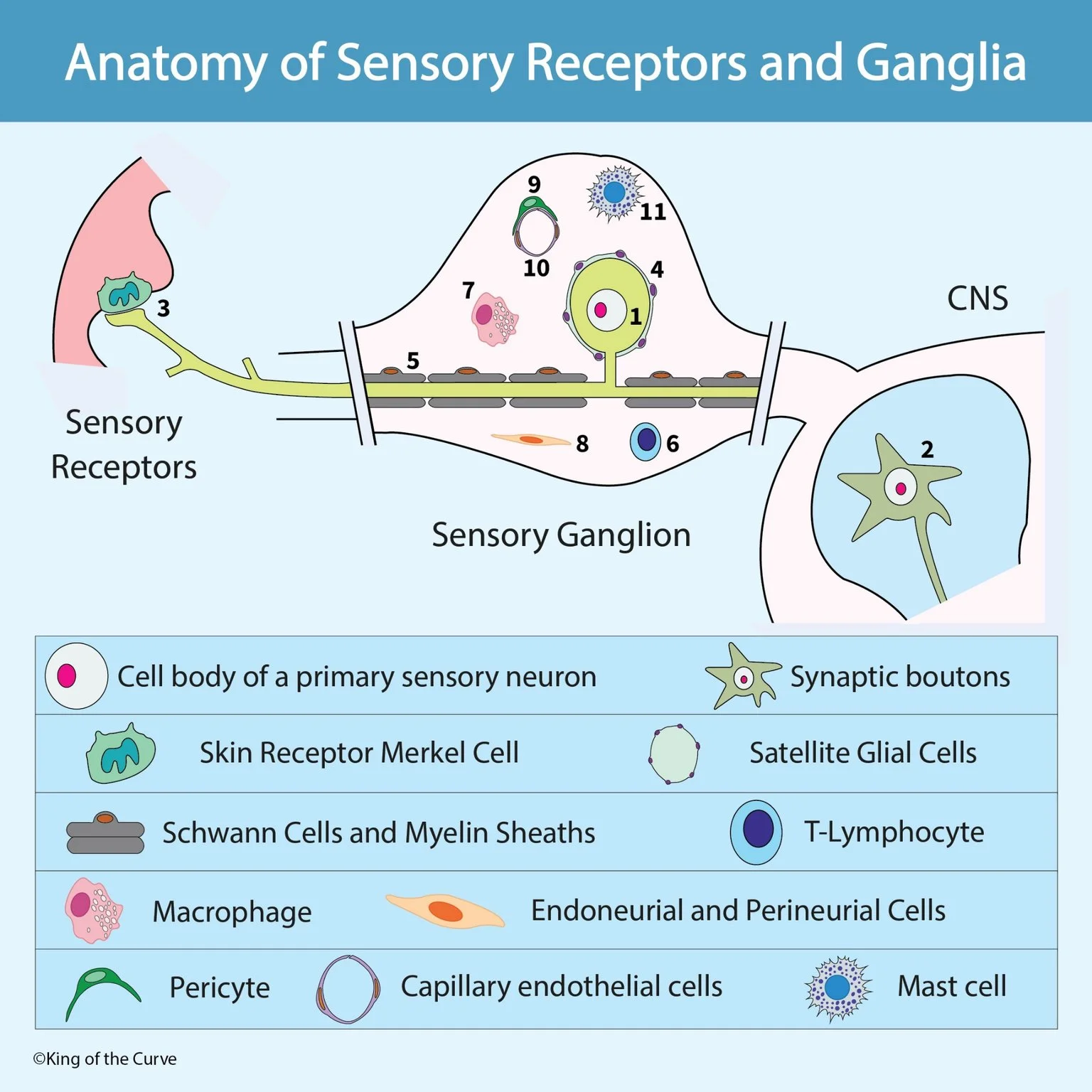
🧠 Sensory Receptors and Ganglia: How Information Reaches the CNS
Explore sensory receptors and ganglia, including Merkel cells, primary sensory neurons, satellite glia, and Schwann cells, and how signals reach the CNS.
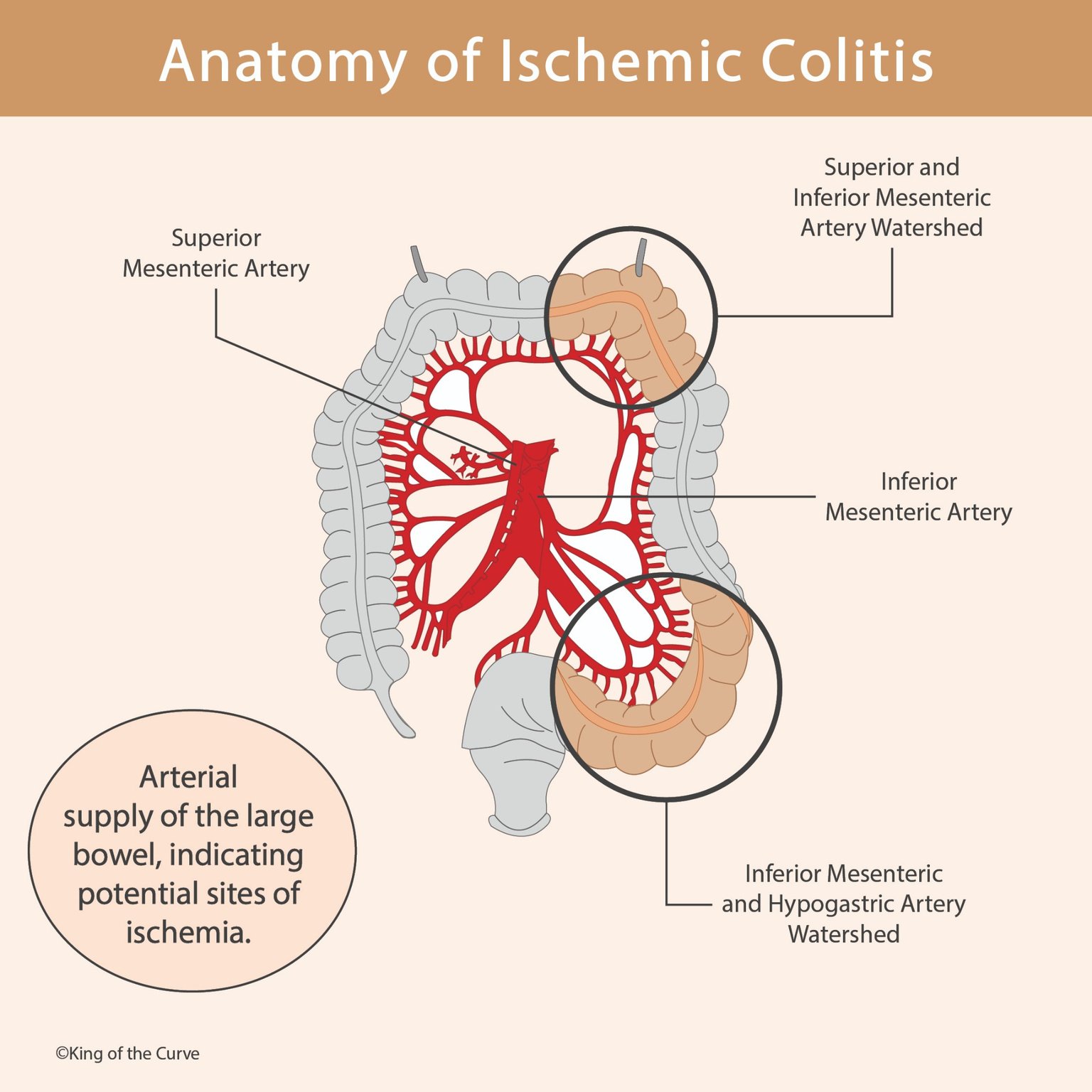
🩸 Ischemic Colitis: Blood Supply and Vulnerable Watershed Areas
Learn how colonic blood supply and watershed areas relate to ischemic colitis, including Griffith’s point, Sudeck’s point, symptoms, and diagnosis.
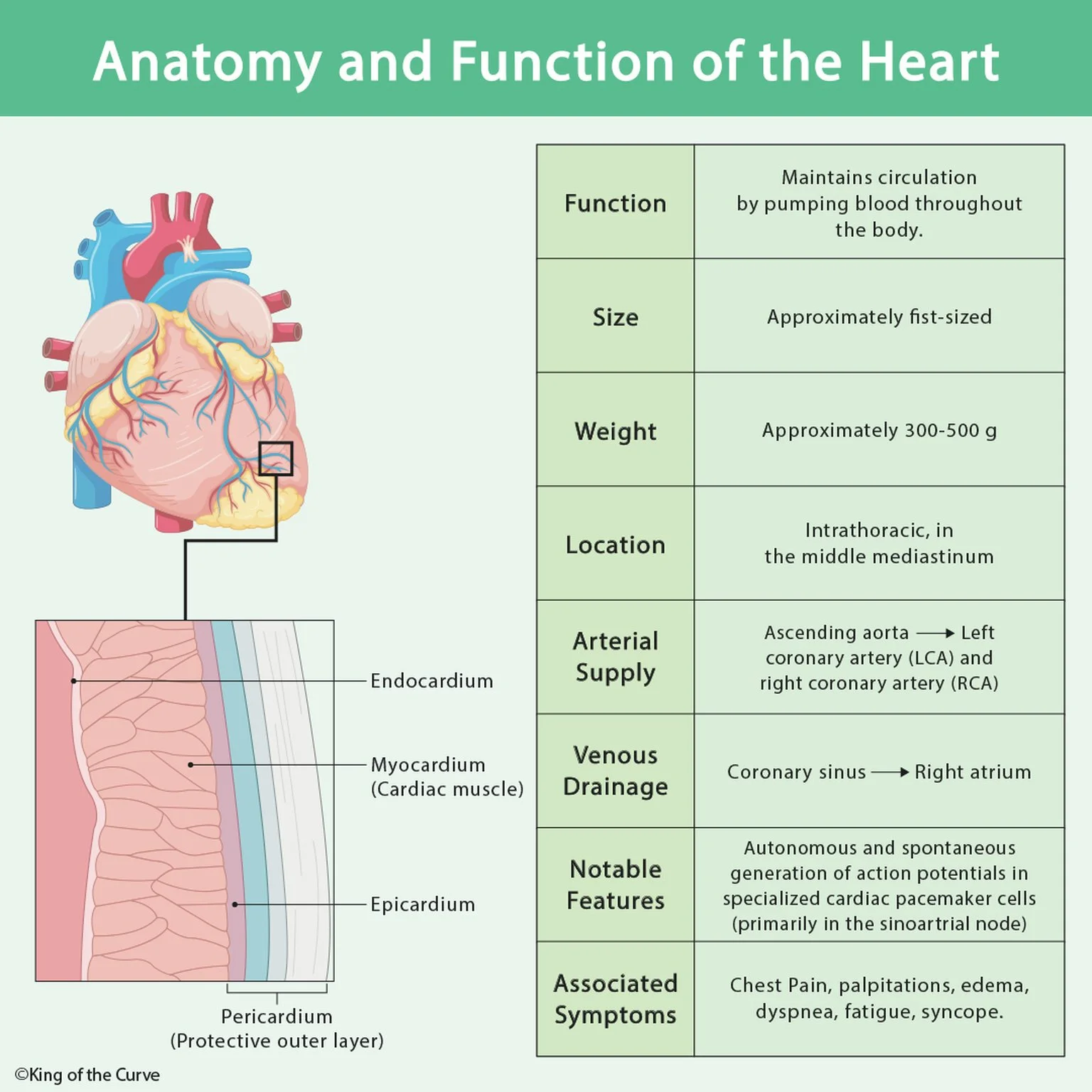
❤️ Anatomy and Function of the Heart: Structure, Circulation, and Rhythm
Explore heart anatomy and function, including its chambers, wall layers, coronary blood supply, electrical conduction, and the cardiac cycle.
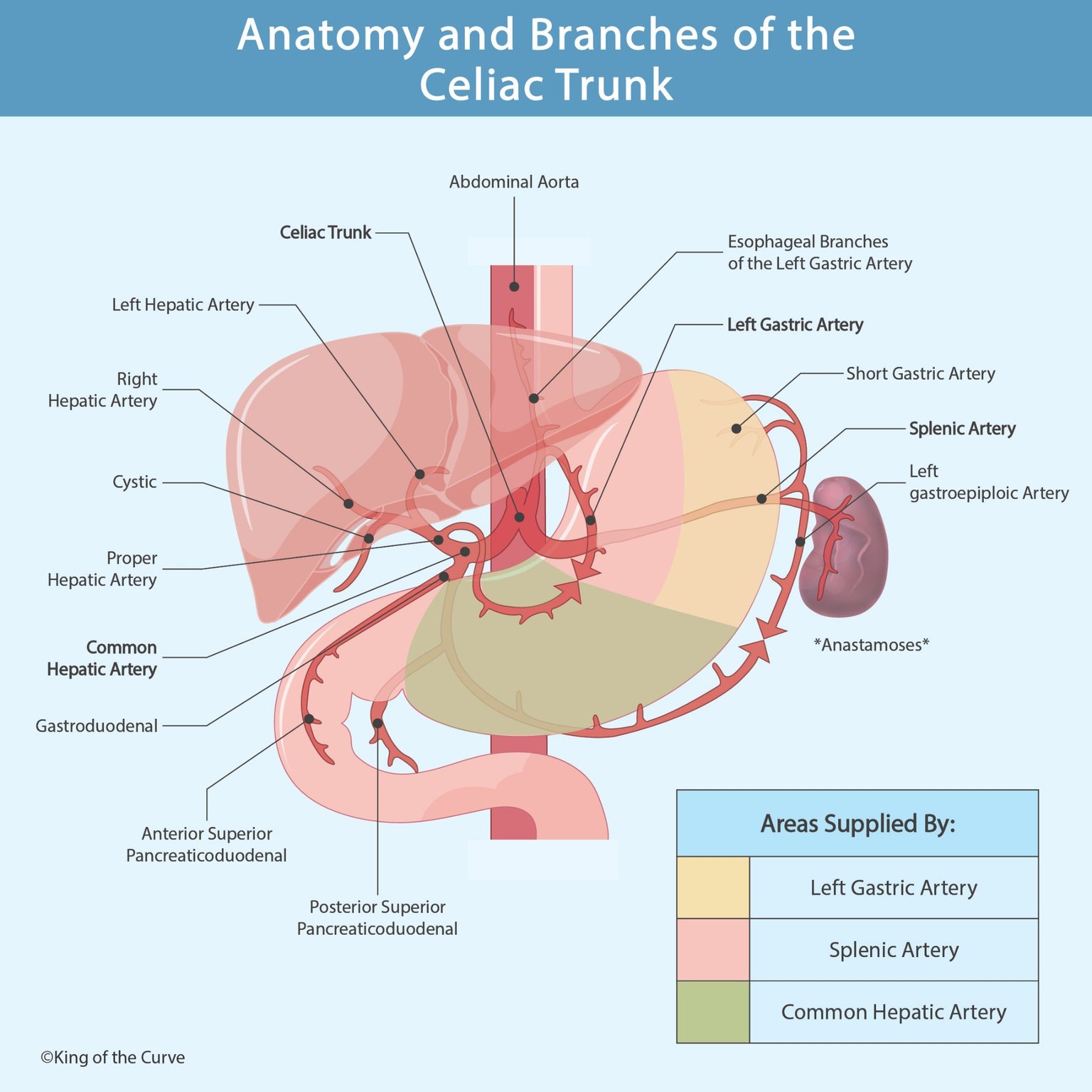
🩸 Celiac Trunk: Anatomy, Branches, and Blood Supply
Explore celiac trunk anatomy, its left gastric, splenic, and common hepatic branches, the organs they supply, and important arterial connections.
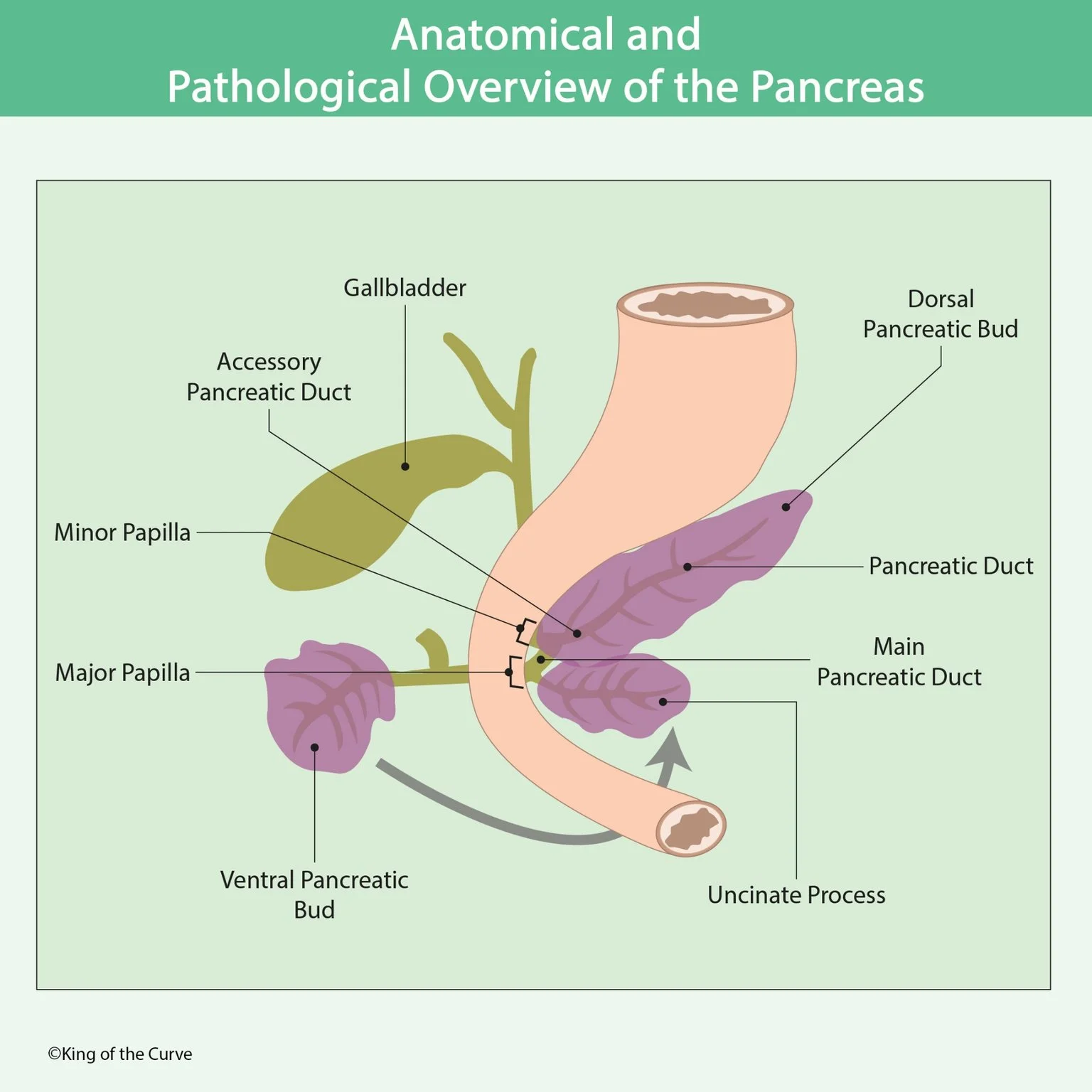
🧬 Pancreatic Development: Anatomy, Ducts, and Related Conditions
Explore pancreatic development, dorsal and ventral buds, main and accessory ducts, duodenal papillae, pancreas divisum, and annular pancreas.
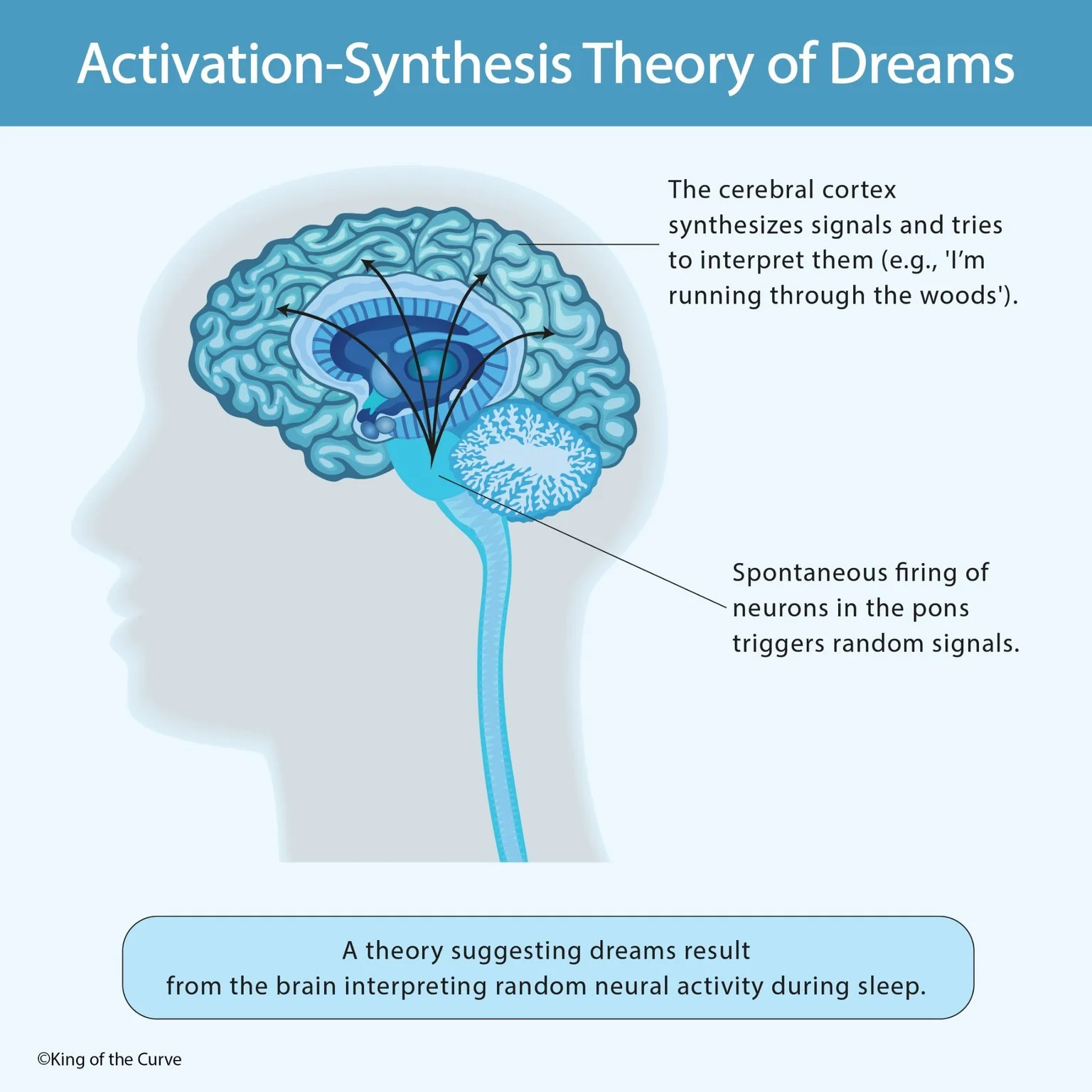
🧠 Activation–Synthesis Theory of Dreams: How the Brain Builds a Story
Explore activation–synthesis theory, how neural activity becomes dream experiences, the role of REM sleep and the pons, and the theory’s limitations.
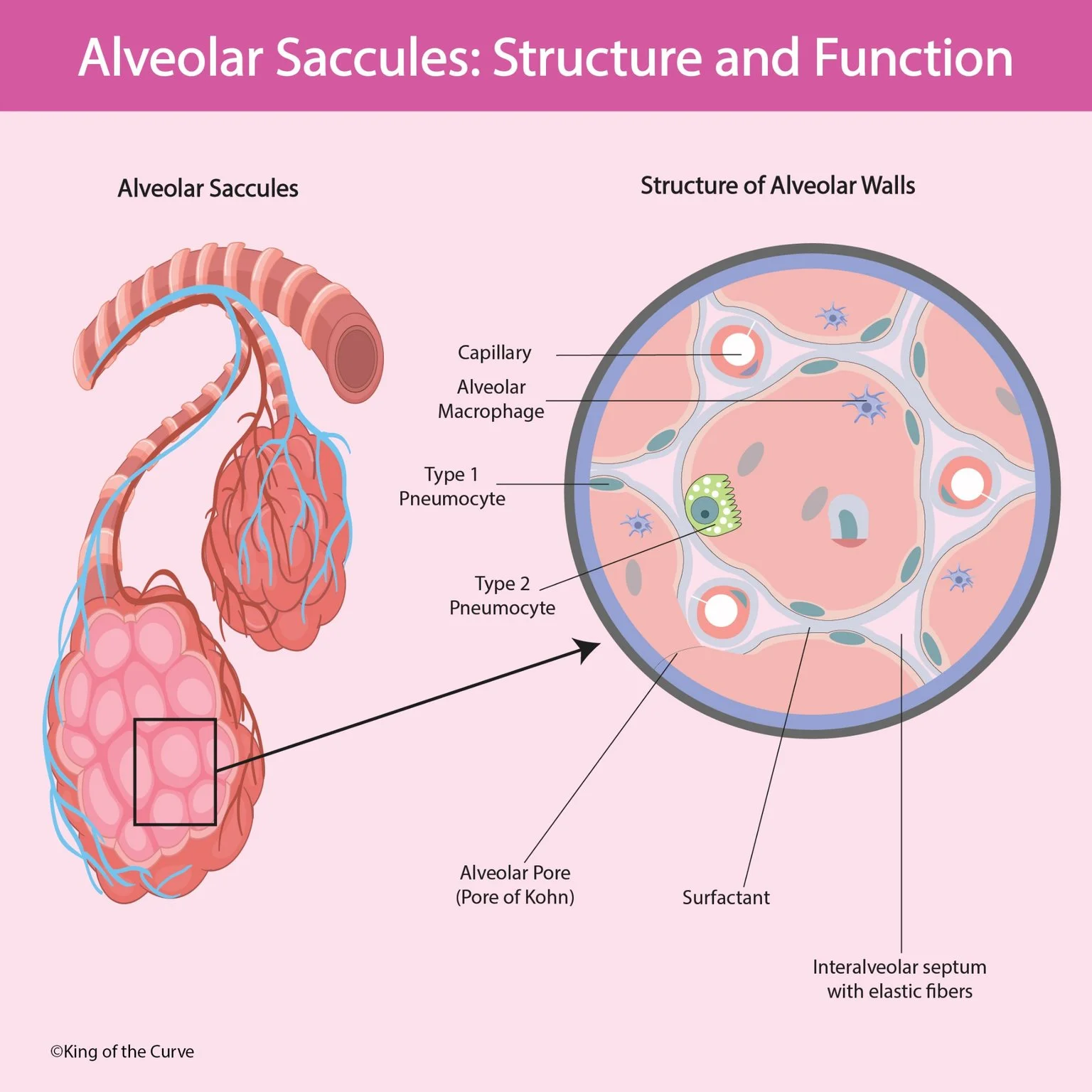
🫁 Alveolar Sacs: Structure, Cells, and Gas Exchange
Explore alveolar sac structure, type I and II pneumocytes, surfactant, macrophages, and how thin alveolar walls support efficient gas exchange.
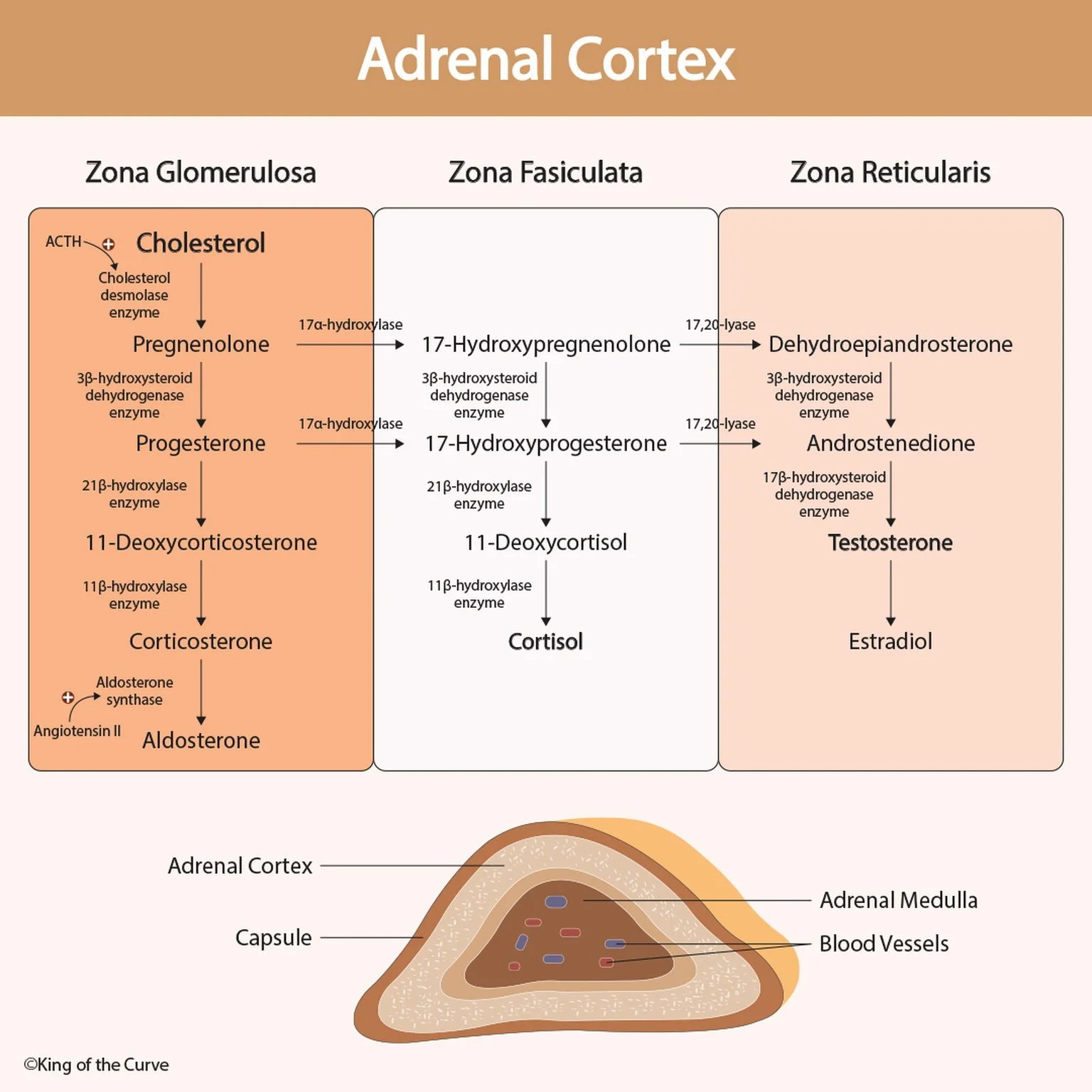
🧬 Adrenal Cortex: Layers, Hormones, and Steroid Production
Explore the adrenal cortex’s three layers, their hormones, and how aldosterone, cortisol, and adrenal androgens are produced and regulated.
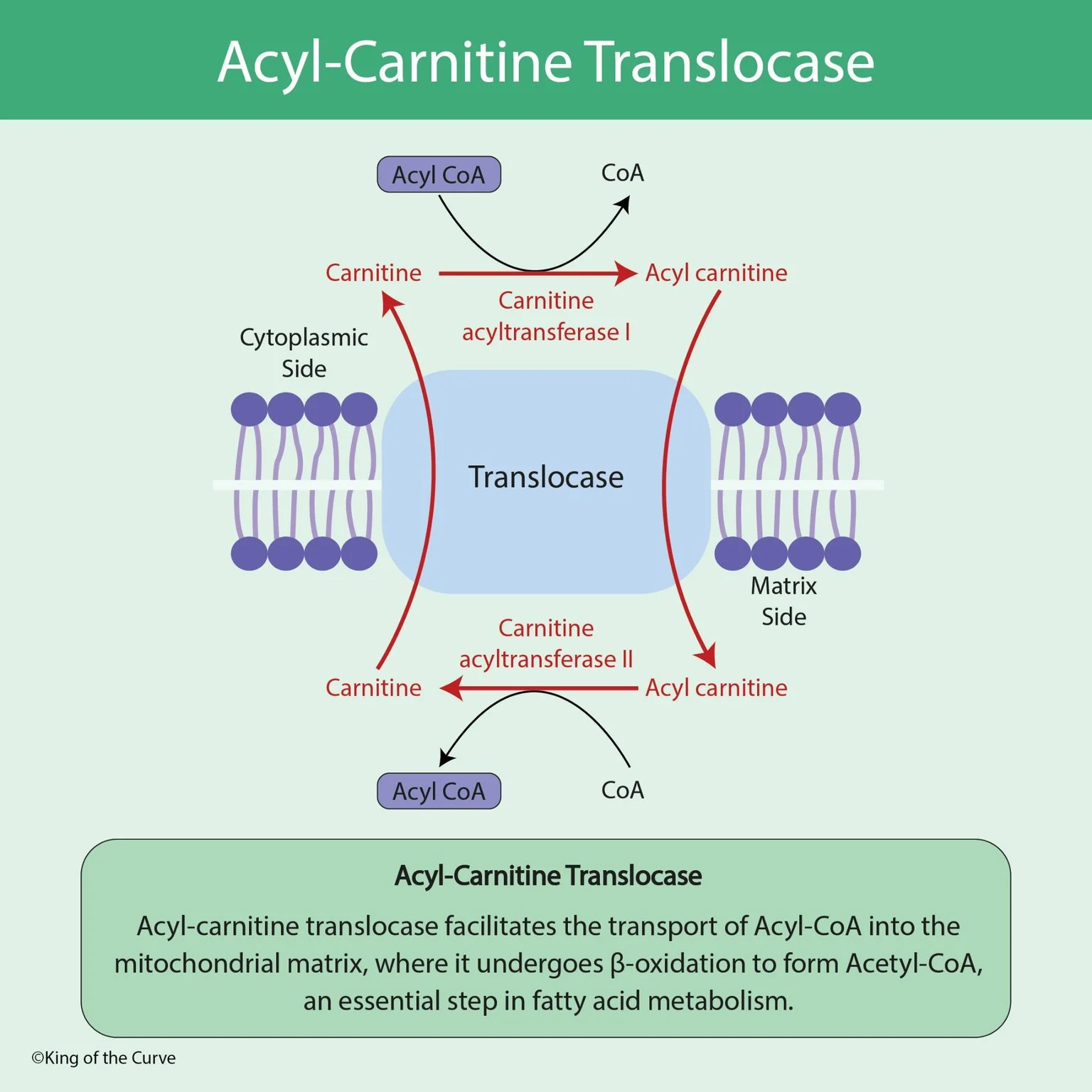
🧬 Acylcarnitine Translocase: How Fatty Acids Enter Mitochondria
Learn how acylcarnitine translocase, CPT I, and CPT II move long-chain fatty acyl groups into mitochondria for beta-oxidation and energy production.
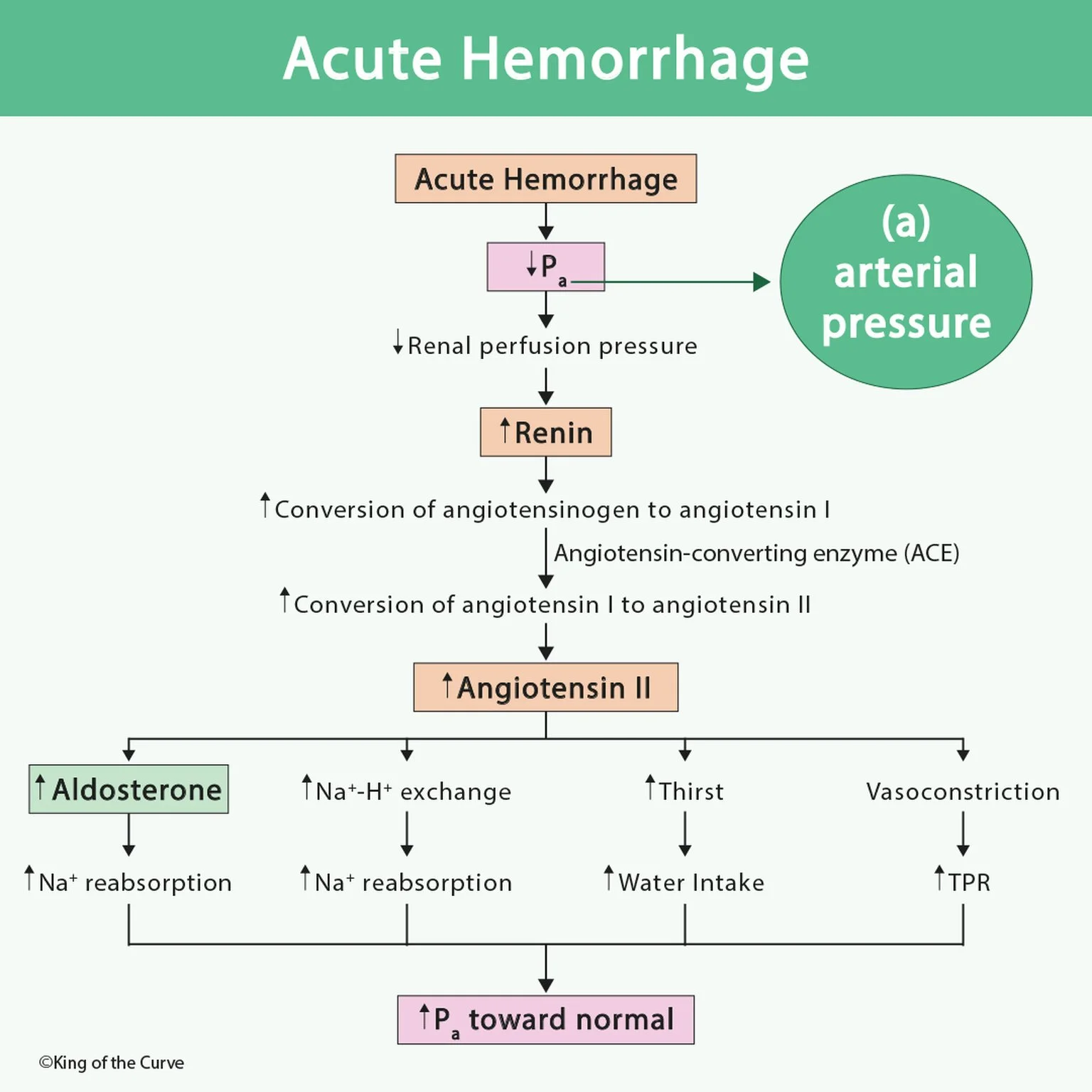
🩸 Acute Hemorrhage: How RAAS Helps Support Blood Pressure
Learn how acute hemorrhage activates RAAS, angiotensin II, aldosterone, and ADH to conserve fluid and support blood pressure after blood loss.
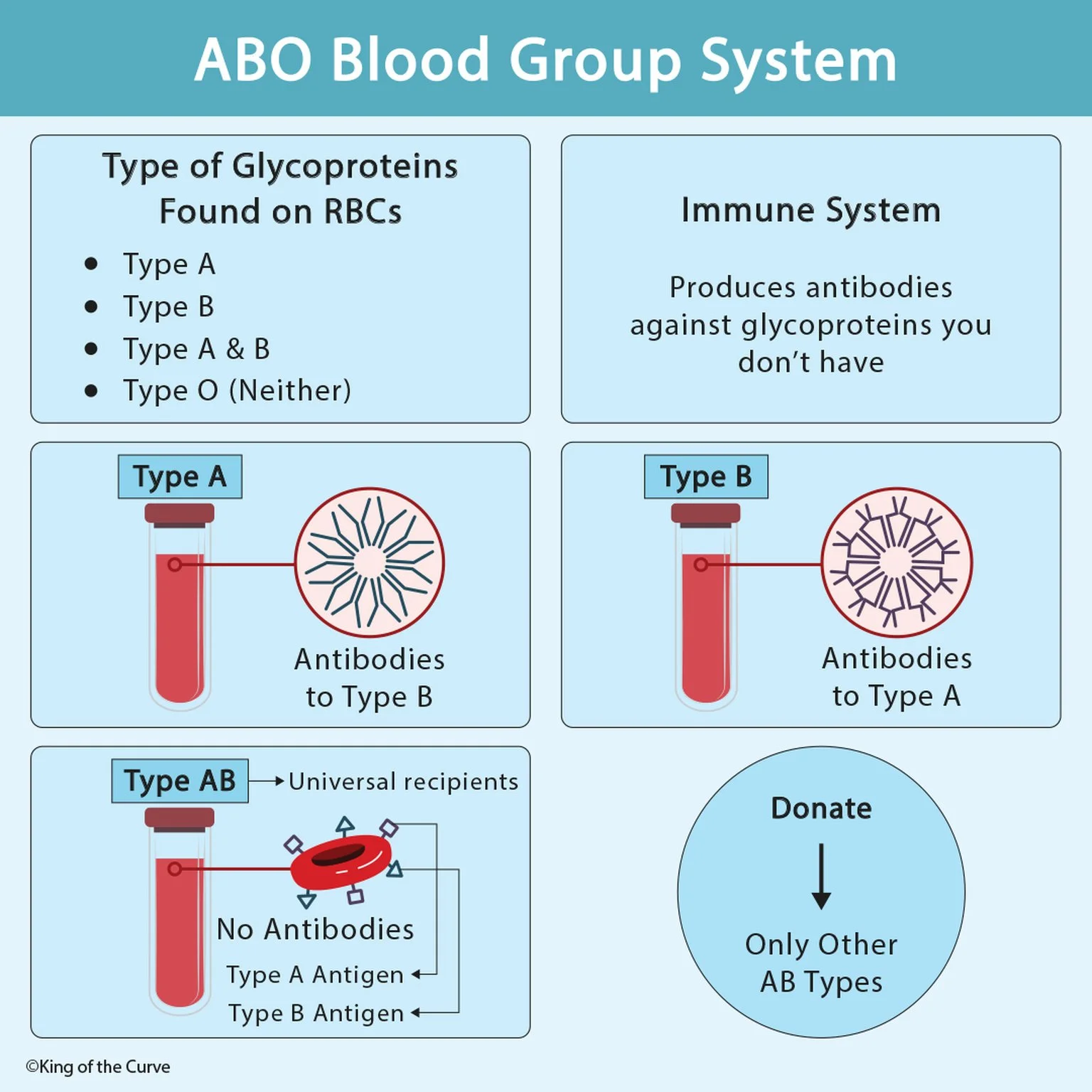
🩸 ABO Blood Group System: Antigens, Antibodies, and Compatibility
Understand the ABO blood group system, A and B antigens, plasma antibodies, and red blood cell compatibility with a clear comparison table.
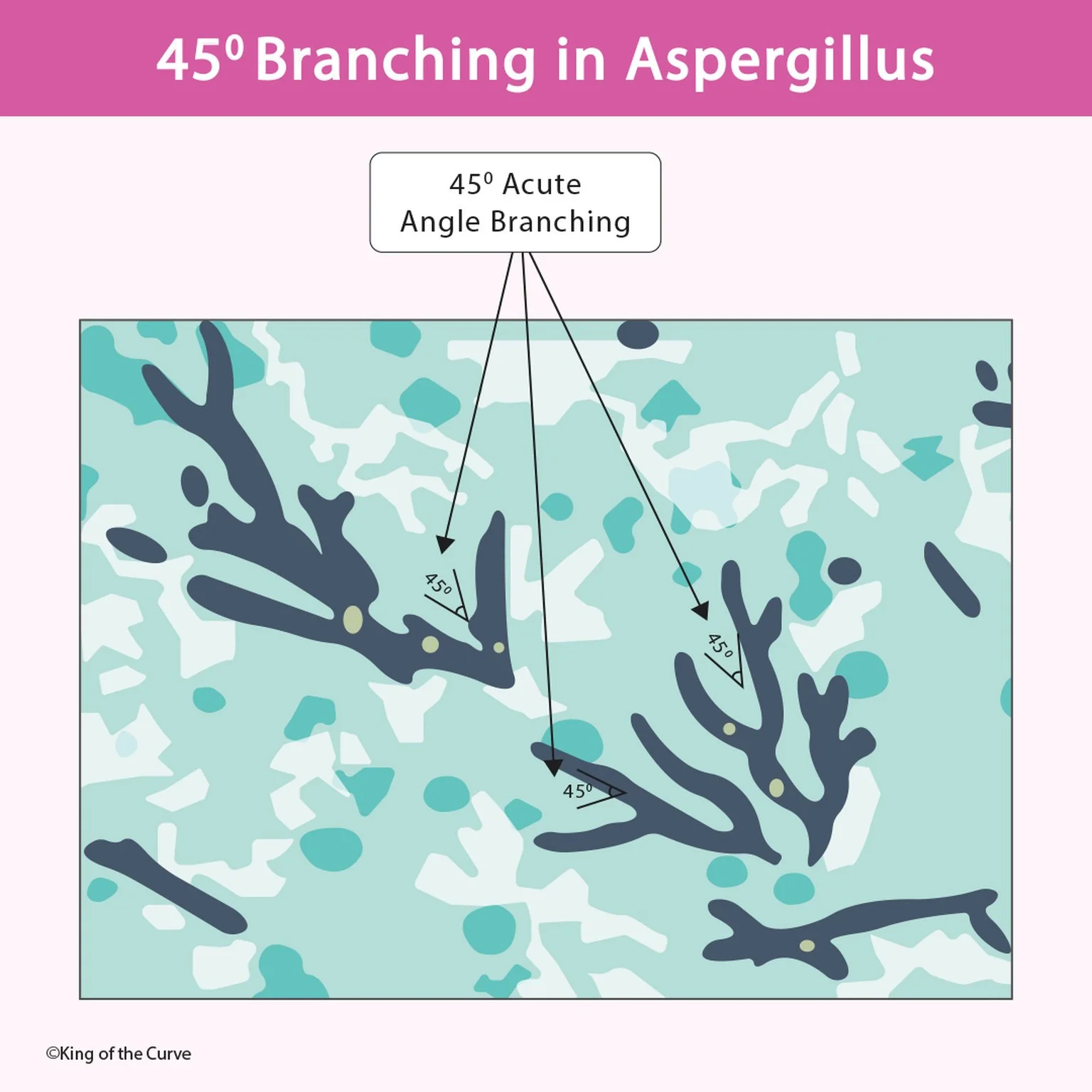
🔬 Aspergillus 45° Branching: A Visual Guide to Fungal Identification
Learn how to recognize Aspergillus by its 45° branching and septate hyphae, compare it with Mucorales, and understand key diagnostic limitations.
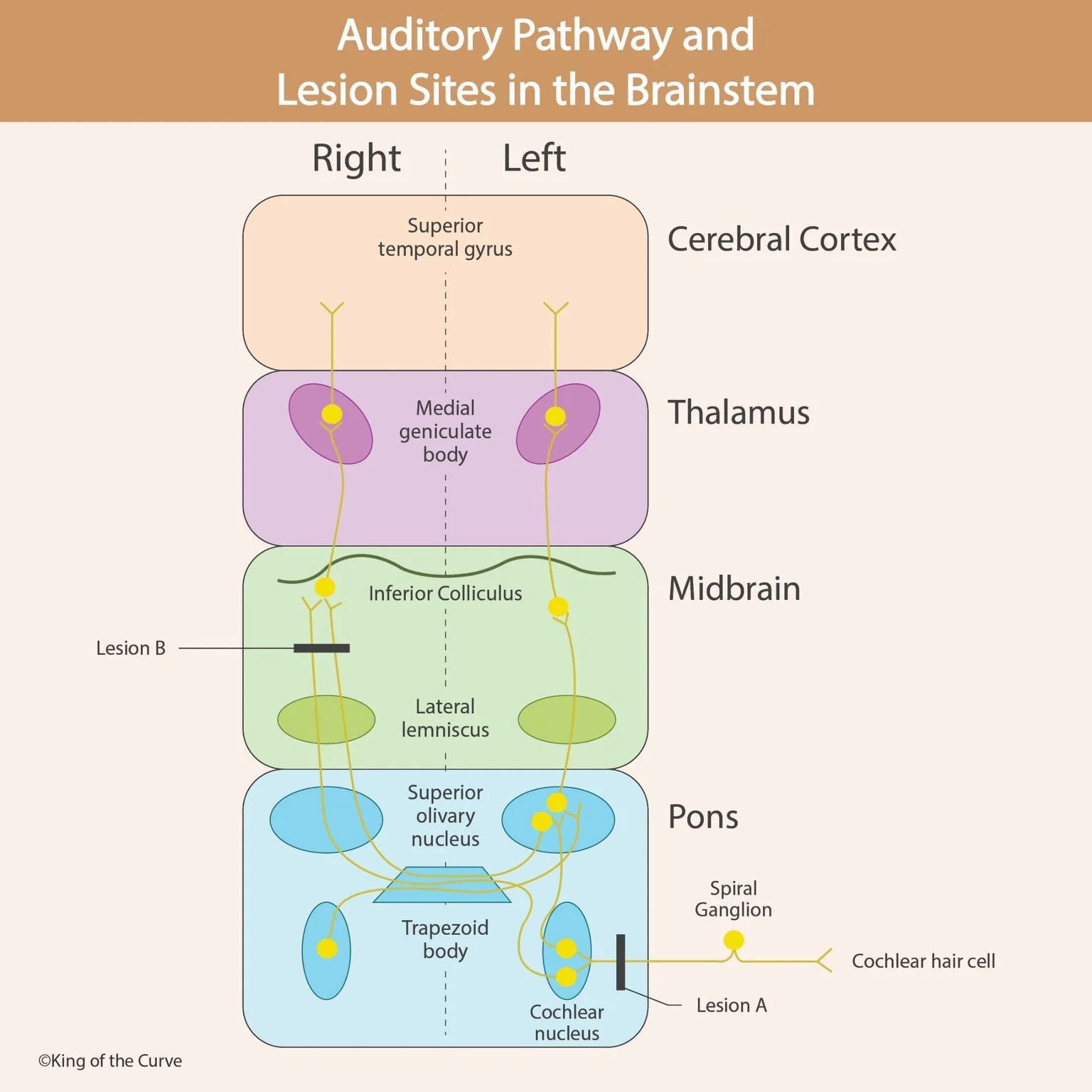
🧠 Auditory Pathway and Lesion Sites in the Brainstem
Learn the auditory pathway, from cochlear hair cells to the auditory cortex. Explore brainstem structures, lesion sites, and high-yield MCAT concepts.
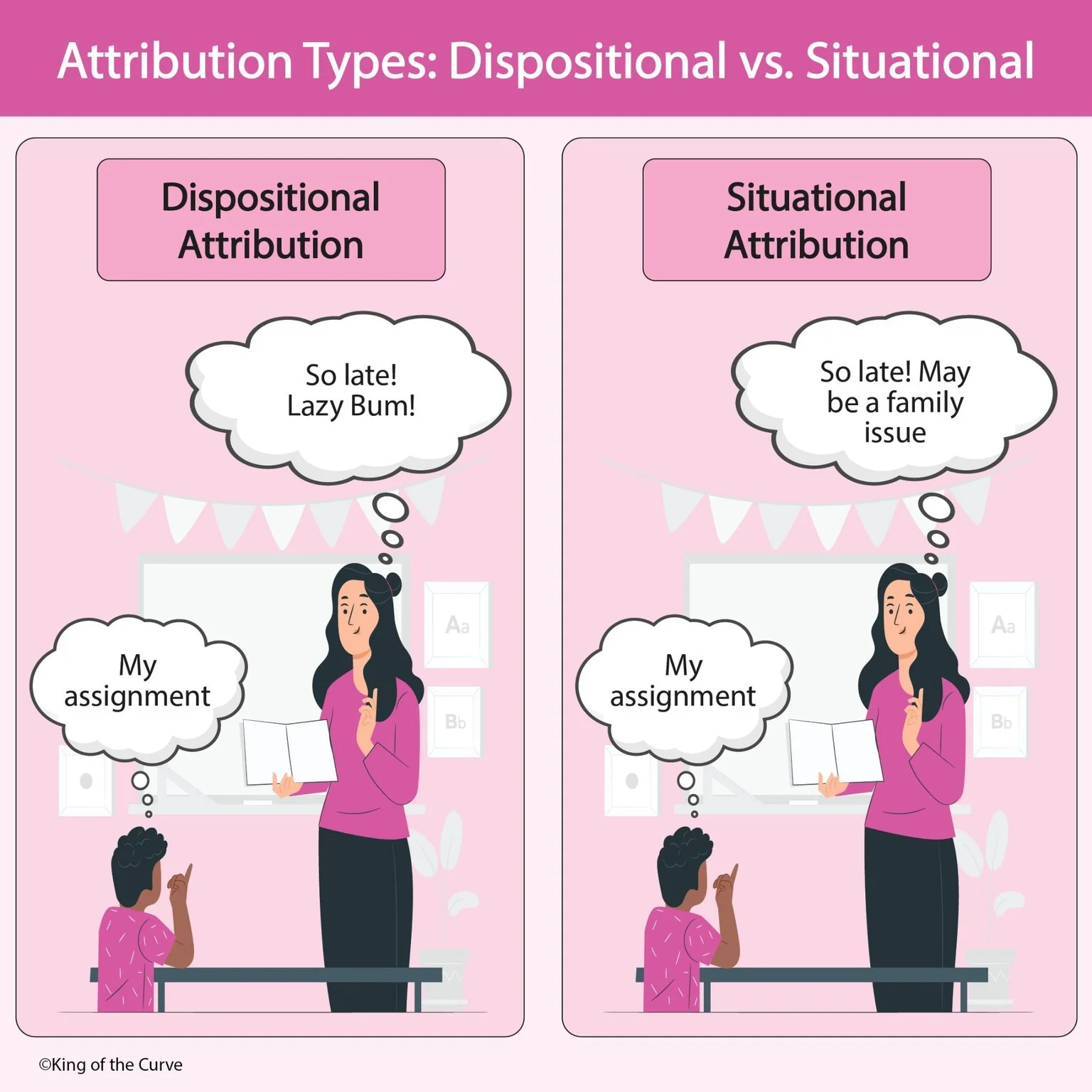
🧠 Dispositional vs. Situational Attribution
Learn dispositional vs. situational attribution with examples, key differences, fundamental attribution error, and high-yield MCAT psychology tips.
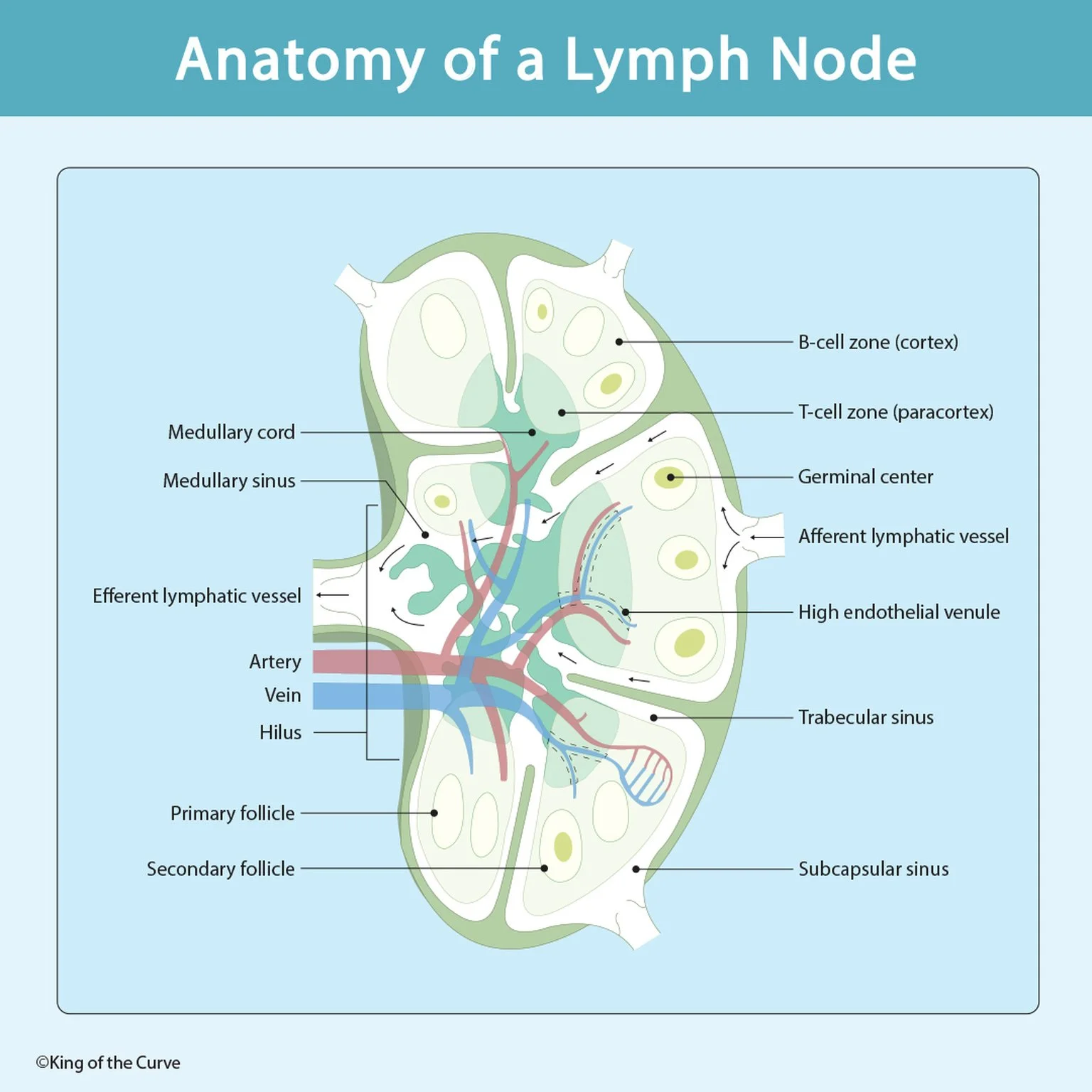
🧬 Anatomy of a Lymph Node: Structure, Function, and Immune Response
Learn lymph node anatomy for the MCAT, including the cortex, paracortex, medulla, B cells, T cells, germinal centers, and lymphatic flow.