
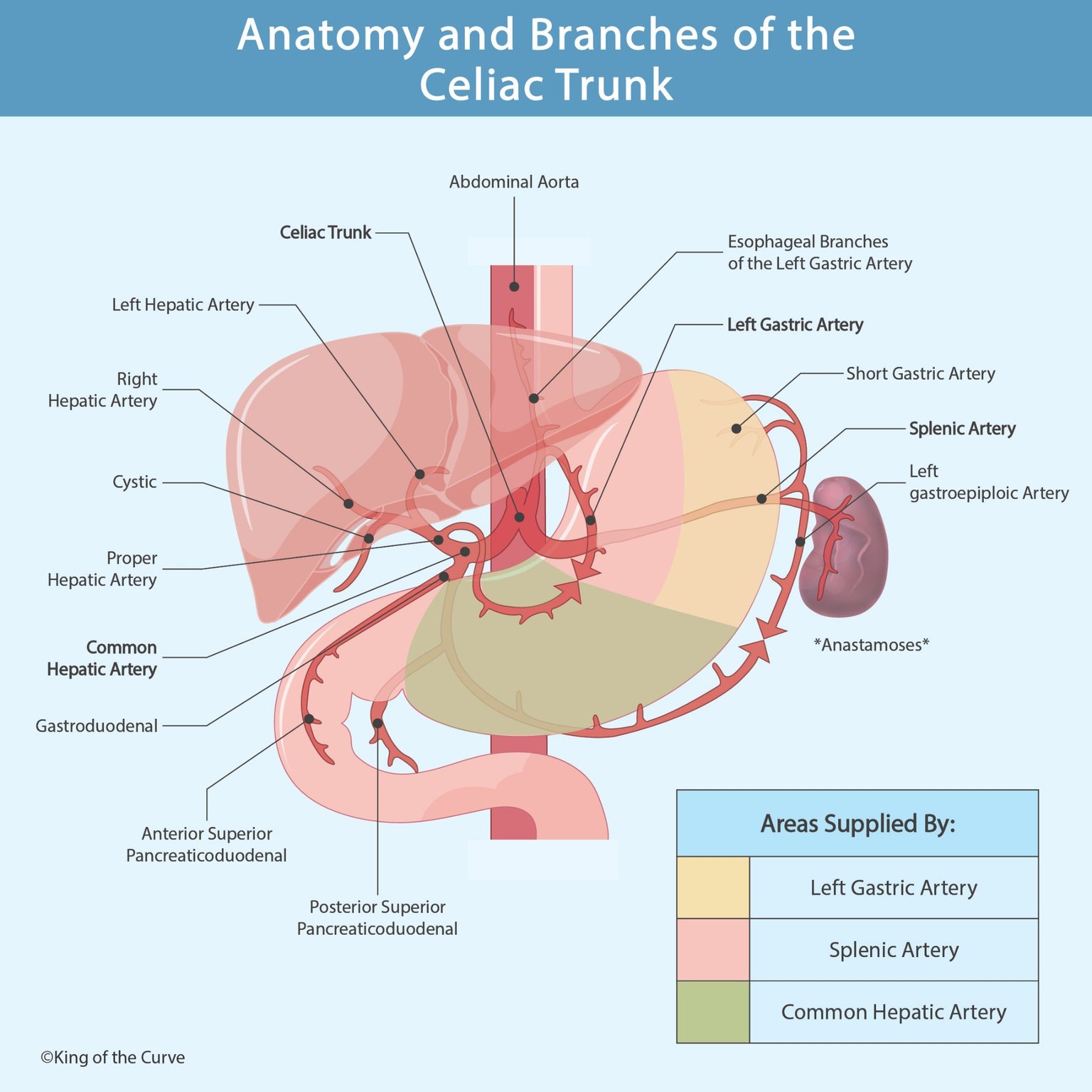
🩸 Celiac Trunk: Anatomy, Branches, and Blood Supply
Explore celiac trunk anatomy, its left gastric, splenic, and common hepatic branches, the organs they supply, and important arterial connections.
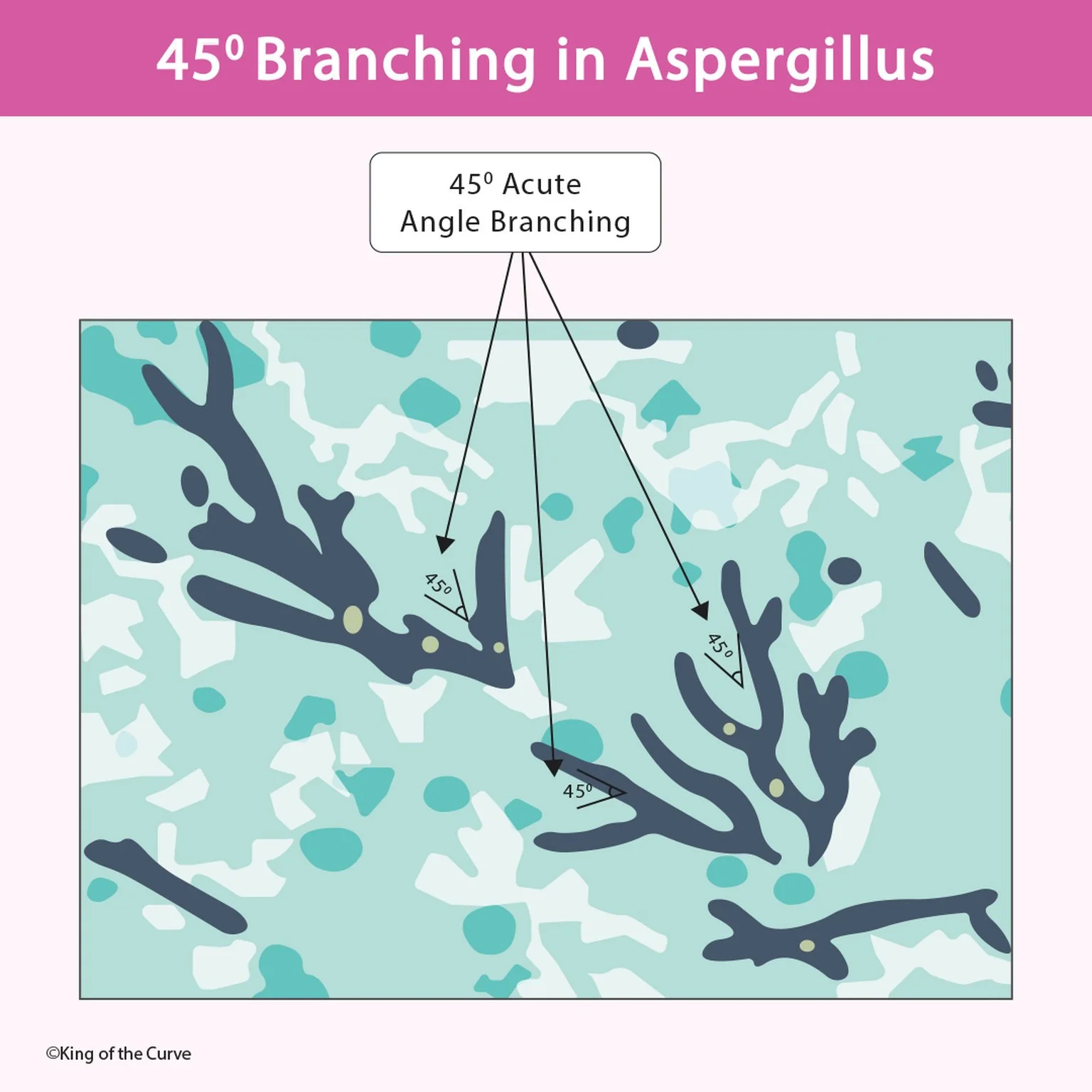
🔬 Aspergillus 45° Branching: A Visual Guide to Fungal Identification
Learn how to recognize Aspergillus by its 45° branching and septate hyphae, compare it with Mucorales, and understand key diagnostic limitations.
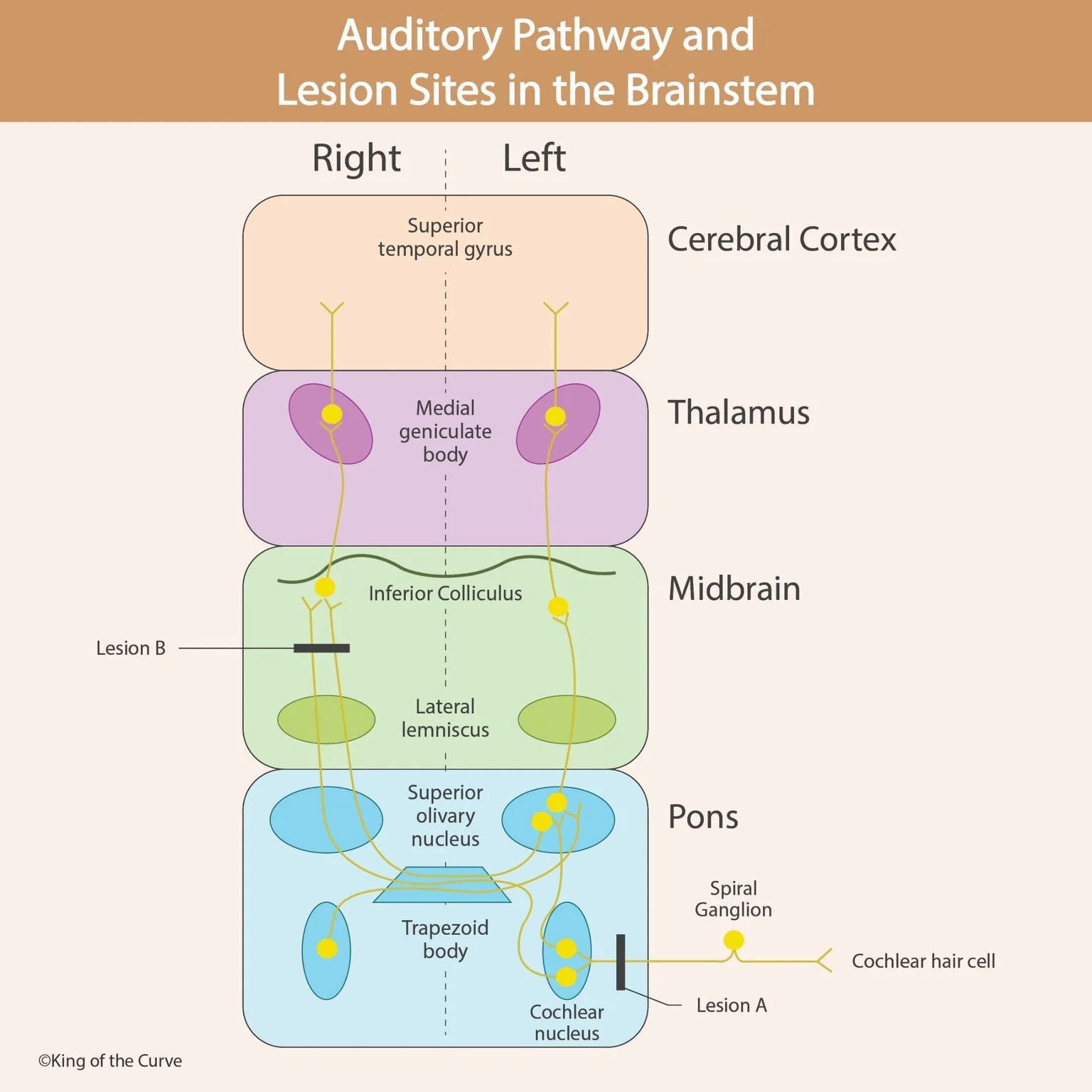
🧠 Auditory Pathway and Lesion Sites in the Brainstem
Learn the auditory pathway, from cochlear hair cells to the auditory cortex. Explore brainstem structures, lesion sites, and high-yield MCAT concepts.
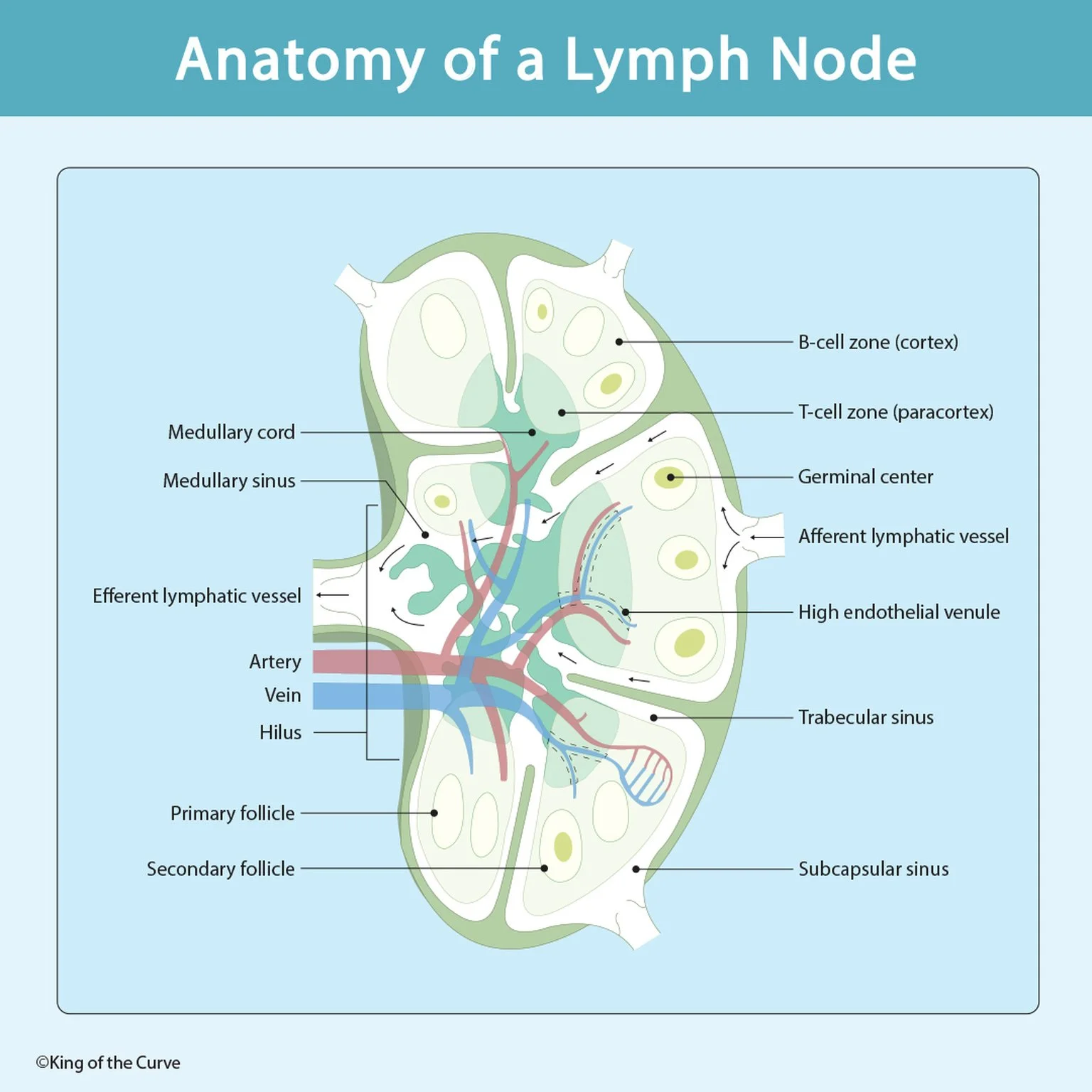
🧬 Anatomy of a Lymph Node: Structure, Function, and Immune Response
Learn lymph node anatomy for the MCAT, including the cortex, paracortex, medulla, B cells, T cells, germinal centers, and lymphatic flow.
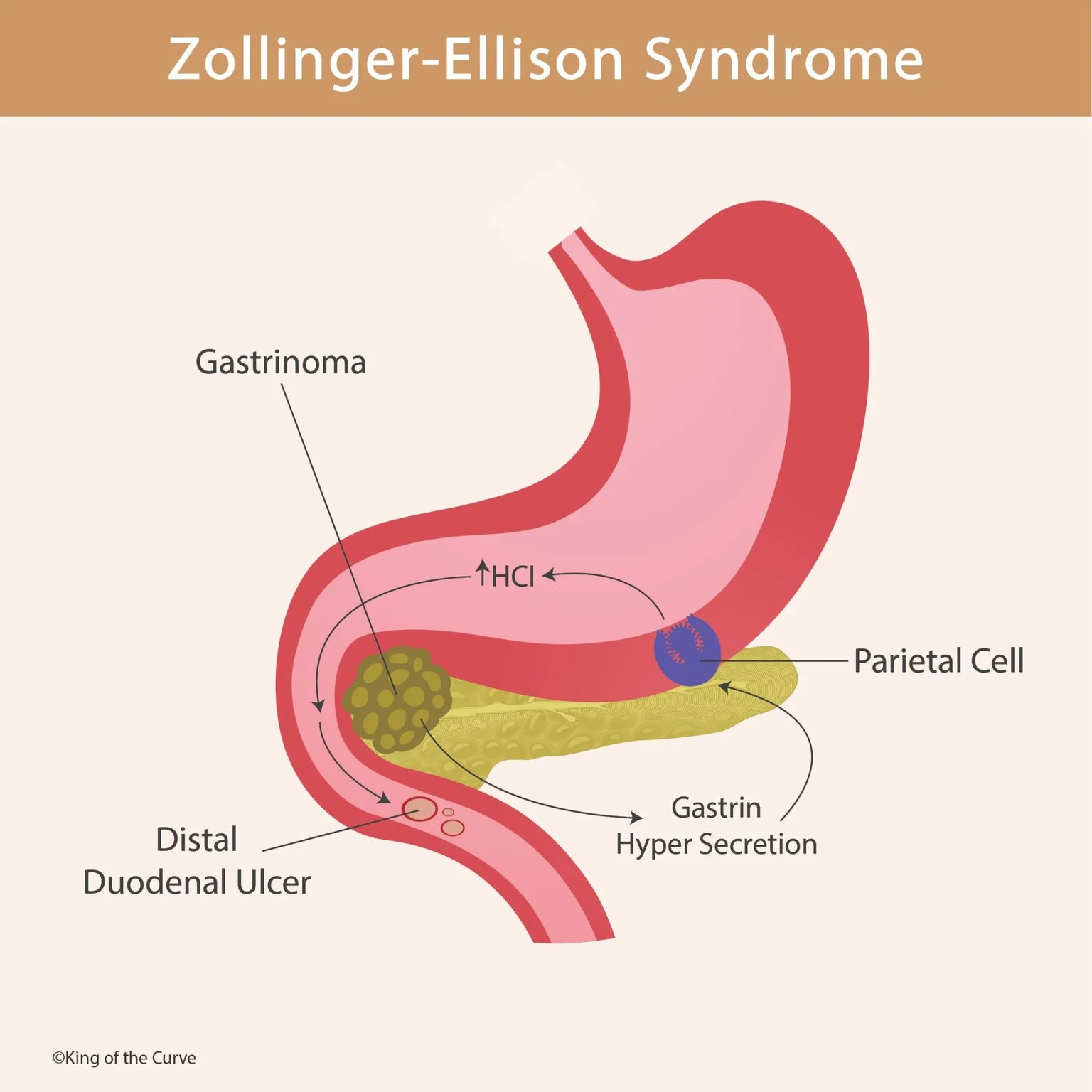
Zollinger-Ellison Syndrome: Gastrinoma, Gastric Acid Hypersecretion, and Duodenal Ulcers
Learn Zollinger-Ellison syndrome, gastrinoma, excess gastrin secretion, symptoms, diagnosis, and treatment with this high-yield MCAT physiology guide.
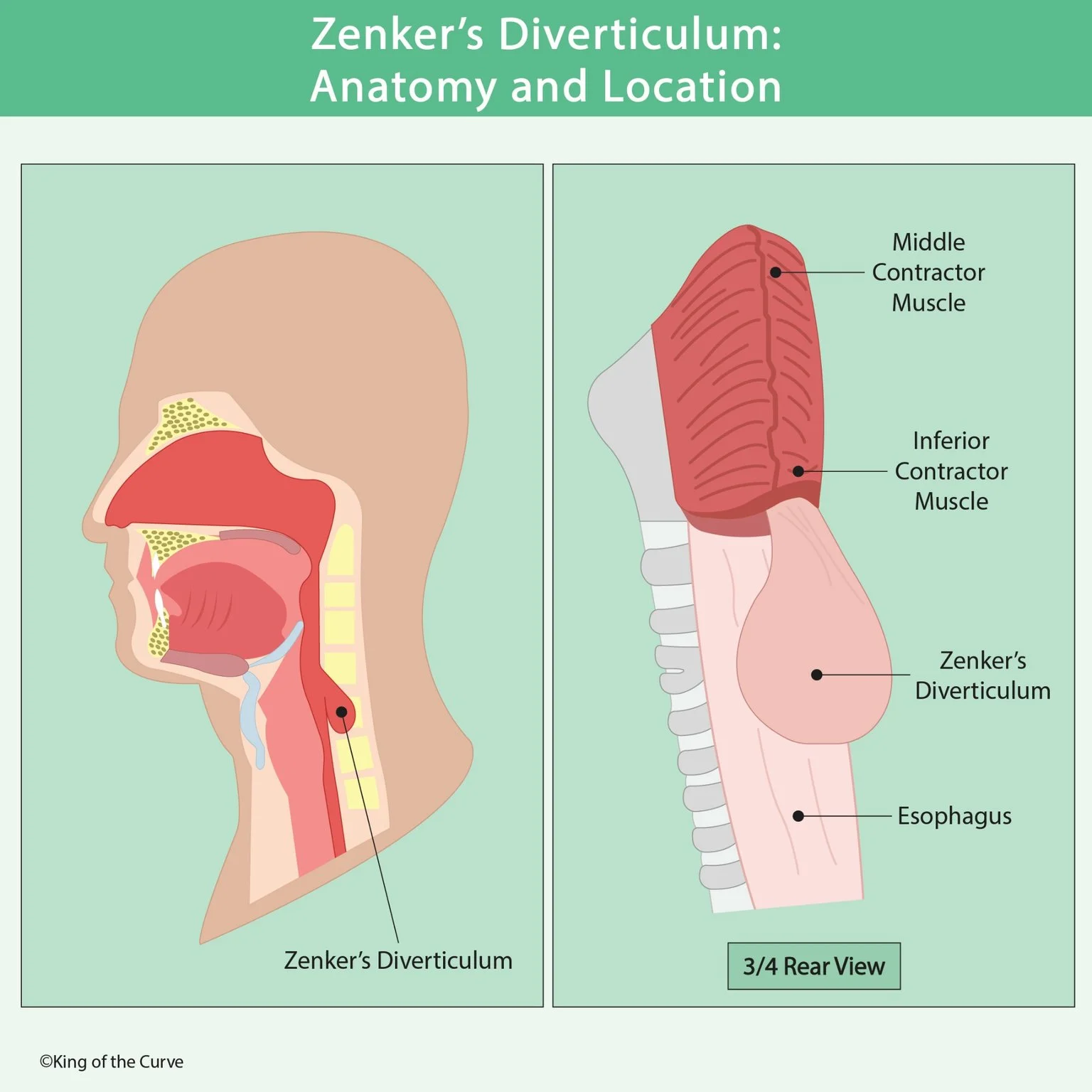
🩺 Zenker’s Diverticulum: Anatomy, Location, Symptoms, and Diagnosis
Learn Zenker’s diverticulum anatomy, causes, symptoms, diagnosis, and treatment. Explore Killian’s triangle and compare esophageal diverticula for MCAT prep.
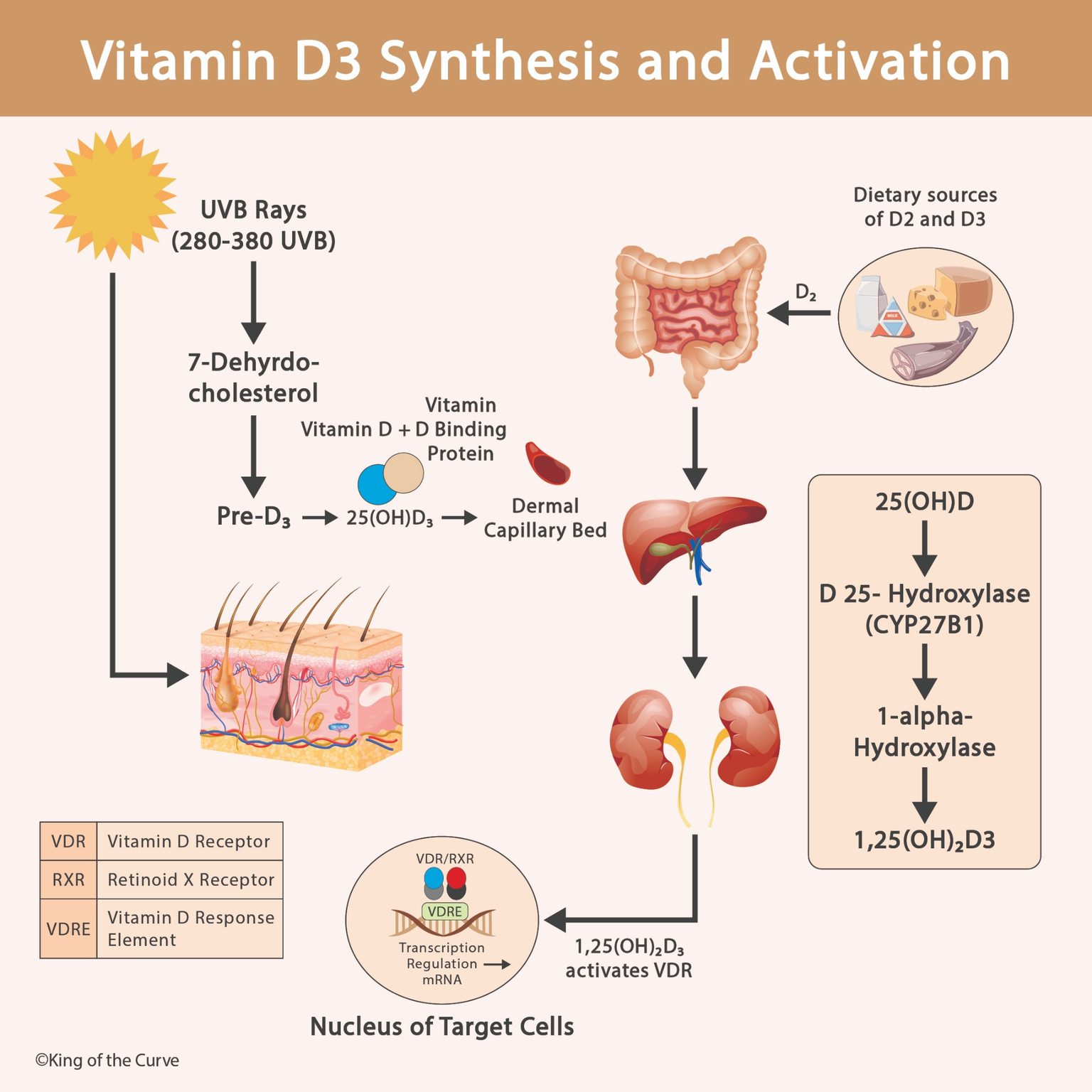
☀️ Vitamin D3 Synthesis and Activation: From Sunlight to Gene Regulation
Learn vitamin D3 synthesis and activation for the MCAT, from UVB sunlight and liver hydroxylation to kidney calcitriol production and VDR signaling.
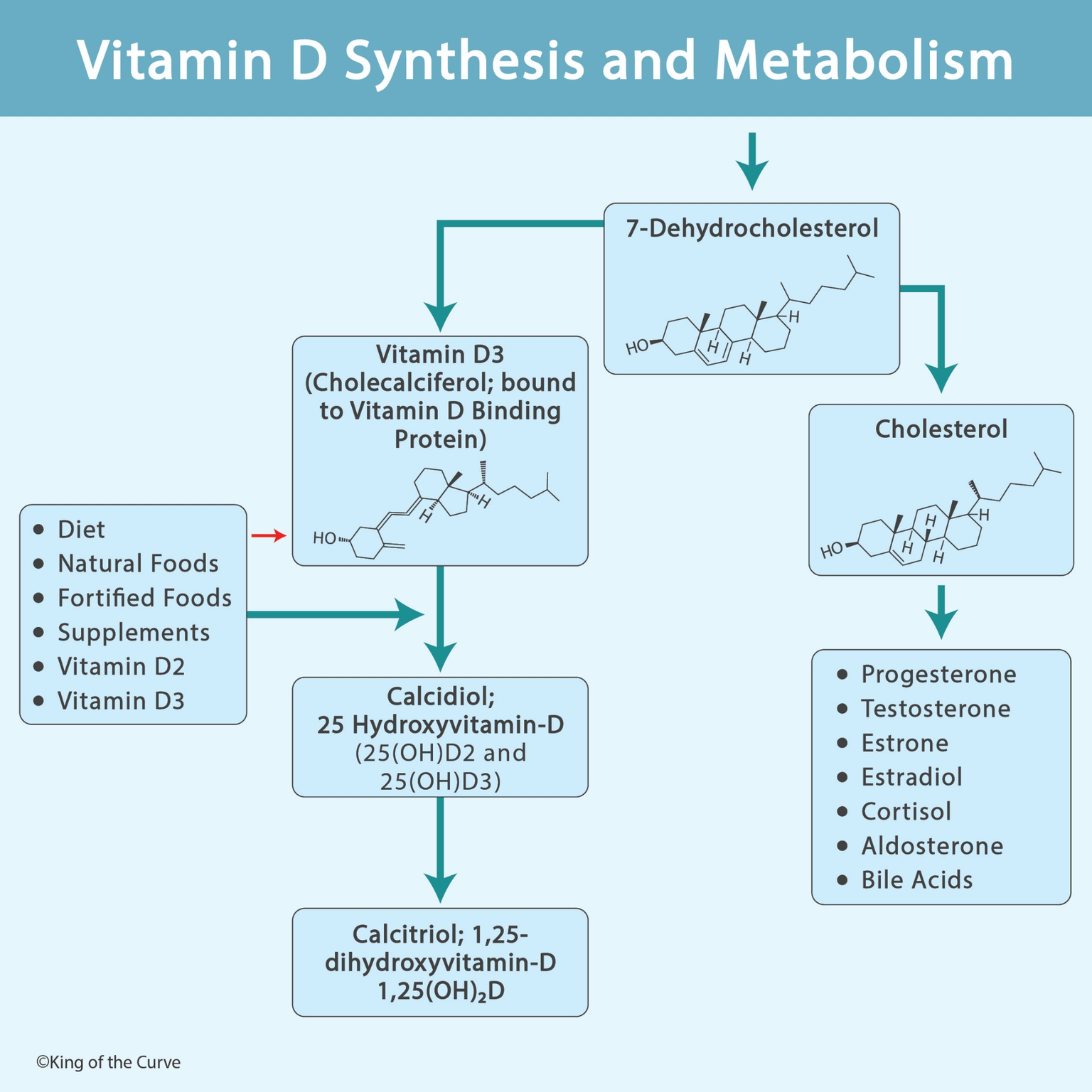
☀️ Vitamin D Synthesis and Metabolism: From Sunlight to Active Hormone
Learn vitamin D synthesis and metabolism for the MCAT. Explore how sunlight, the liver, and kidneys produce calcitriol and regulate calcium and phosphate.
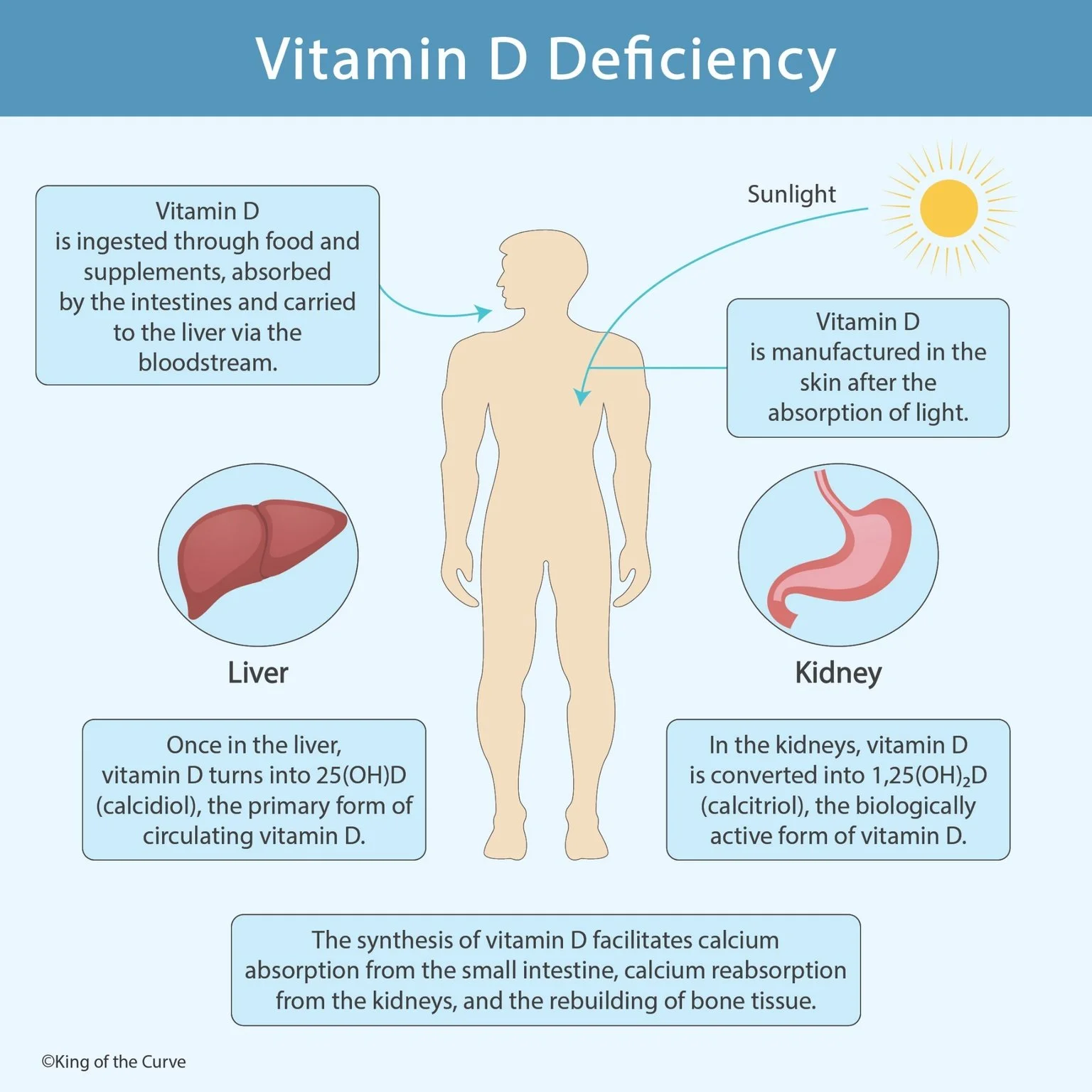
☀️ Vitamin D Deficiency: Synthesis, Activation, and Calcium Balance for the MCAT
Learn vitamin D synthesis and deficiency for the MCAT, including skin production, liver and kidney activation, calcidiol, calcitriol, PTH, and calcium absorption.

🩸 Vasculitis: Understanding Vessel Size, Clinical Features, and Key Tests
Learn the major types of vasculitis by vessel size, including GCA, Takayasu, Kawasaki, PAN, GPA, MPA, EGPA, and IgA vasculitis for the MCAT.

💉 Vaccination: Vaccine Types and How They Work (Copy)
Learn the major vaccine types for the MCAT, including live attenuated, inactivated, subunit, DNA, mRNA, and viral vector vaccines and how they stimulate immunity.

👁️ Types of Sensory Receptors: How the Body Detects Stimuli
Learn the major types of sensory receptors for the MCAT, including photoreceptors, mechanoreceptors, chemoreceptors, thermoreceptors, and nociceptors.

🧬 Types of Evolution: Divergent, Convergent, Parallel & Coevolution
Learn the major types of evolution for the MCAT, including divergent, convergent, parallel evolution, and coevolution, with key examples and differences.

🧬 Trypsinogen Activation Pathway: A High-Yield Guide to Protein Digestion
Learn the trypsinogen activation pathway, including enteropeptidase, trypsin, pancreatic zymogens, chymotrypsin, elastase, and carboxypeptidases.

🫁 Thoracic Cavity and Mediastinum: Anatomy Made Simple
Learn the anatomy of the thoracic cavity and mediastinum, including the superior, anterior, middle, and posterior mediastinal compartments for the MCAT.

🧬 The Endolysosomal Pathway: Endosomes, Lysosomes, and Cellular Recycling
Learn the endolysosomal pathway, including endocytosis, early and late endosomes, lysosomes, receptor recycling, acidic pH, and cargo degradation for the MCAT.

🦴 Synovial Membrane: Structure and Function of Synovial Joints
Learn the structure and function of the synovial membrane, synovial fluid, articular cartilage, ligaments, tendons, bursae, and joint capsule for the MCAT.

🩺 Superior Mesenteric Artery Syndrome: Anatomy, Compression, and Clinical Features
Learn Superior Mesenteric Artery Syndrome, including duodenal compression between the aorta and SMA, symptoms, diagnosis, anatomy, and treatment.

🔗 Gap Junctions: Structure, Function, and Cell-to-Cell Communication
Learn gap junction structure and function, including connexins, connexons, intercellular communication, and their roles in cardiac and smooth muscle for the MCAT.
