
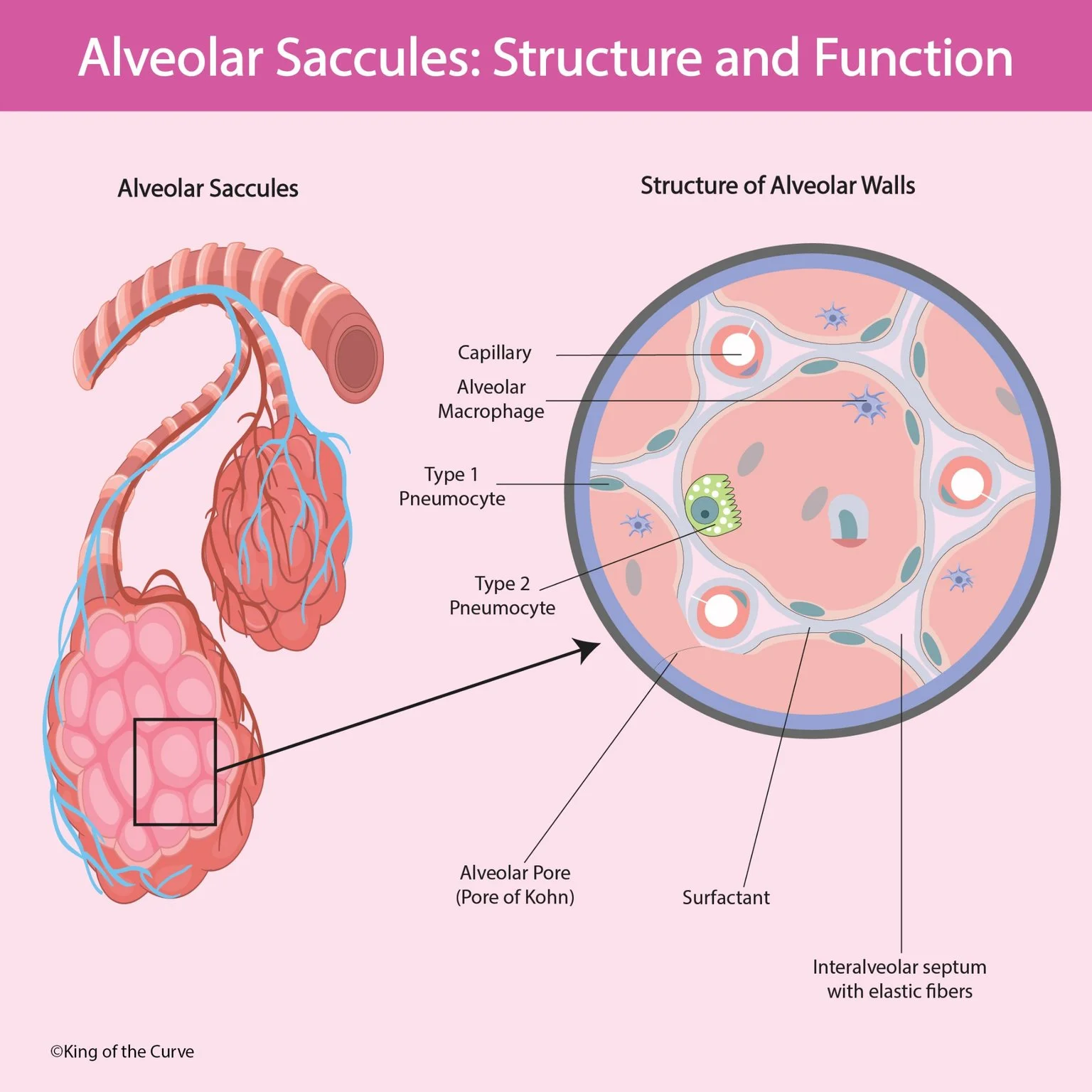
🫁 Alveolar Sacs: Structure, Cells, and Gas Exchange
Explore alveolar sac structure, type I and II pneumocytes, surfactant, macrophages, and how thin alveolar walls support efficient gas exchange.
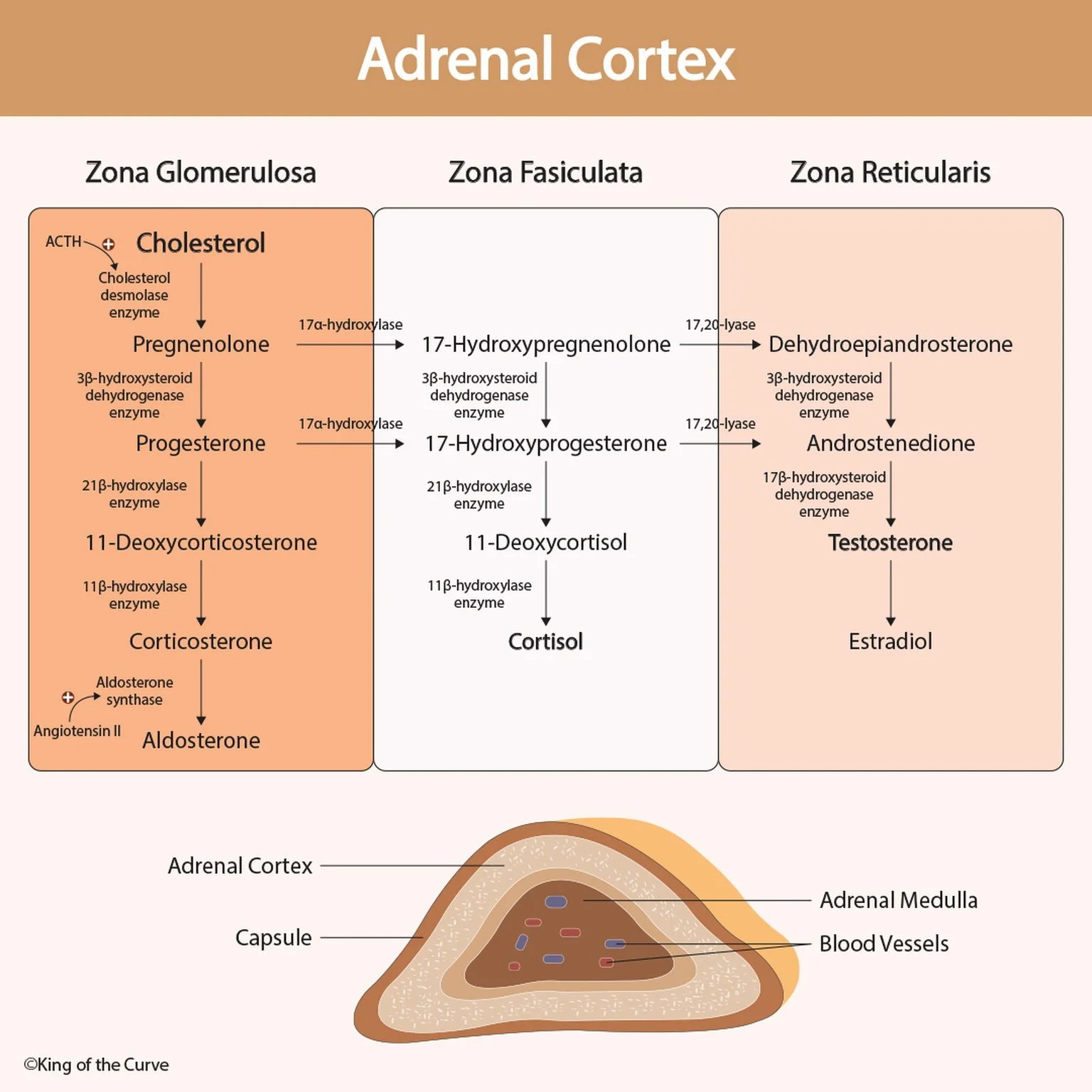
🧬 Adrenal Cortex: Layers, Hormones, and Steroid Production
Explore the adrenal cortex’s three layers, their hormones, and how aldosterone, cortisol, and adrenal androgens are produced and regulated.
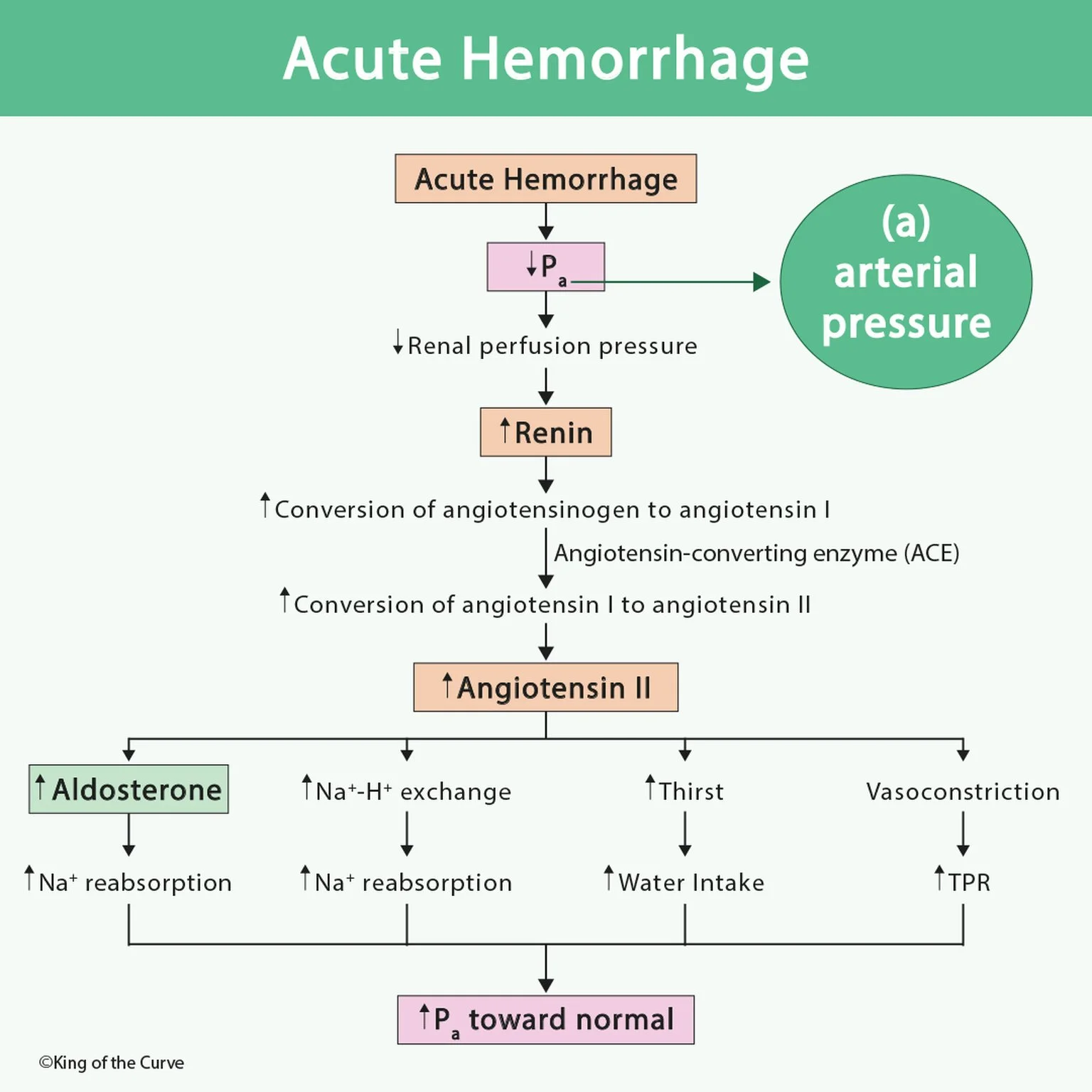
🩸 Acute Hemorrhage: How RAAS Helps Support Blood Pressure
Learn how acute hemorrhage activates RAAS, angiotensin II, aldosterone, and ADH to conserve fluid and support blood pressure after blood loss.
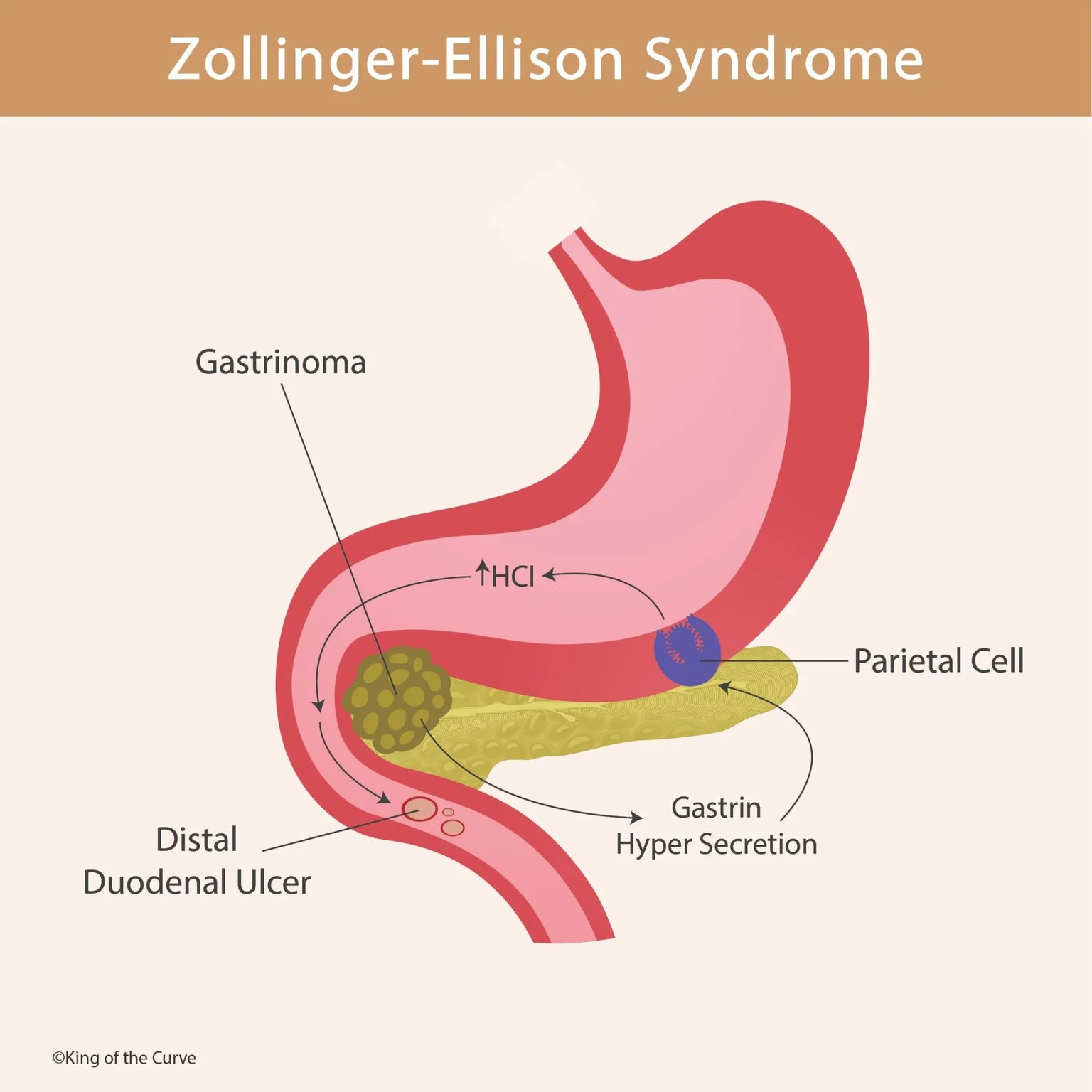
Zollinger-Ellison Syndrome: Gastrinoma, Gastric Acid Hypersecretion, and Duodenal Ulcers
Learn Zollinger-Ellison syndrome, gastrinoma, excess gastrin secretion, symptoms, diagnosis, and treatment with this high-yield MCAT physiology guide.

🌡️ Types of Fever and Associated Conditions
Learn the major types of fever, including continuous, remittent, intermittent, undulant, biphasic, and recurrent fever, with patterns and common associations.

💧 Tubular Fluid Osmolarity in Low ADH: Understanding the Nephron
Learn how low ADH affects tubular fluid osmolarity, water reabsorption, the loop of Henle, collecting ducts, and dilute urine for the MCAT.

🫁 Negative Pressure Breathing: How Inspiration and Expiration Work
Learn how negative pressure breathing works, including diaphragm contraction, thoracic volume, intrapleural pressure, alveolar pressure, and airflow for the MCAT.

🧠 Neural Summation: Temporal, Spatial, and EPSP–IPSP Integration
Learn neural summation for the MCAT, including temporal and spatial summation, EPSPs, IPSPs, threshold potential, and action potentials.

❤️ Spike and Dome Pulse Curve: Understanding Pulsus Bisferiens
Learn the spike and dome pulse curve for the MCAT, including pulsus bisferiens, HOCM, LV outflow obstruction, heart sounds, and preload changes.

🧪 Bicarbonate Reabsorption in the Proximal Tubule
Learn how bicarbonate is reabsorbed in the proximal tubule, including carbonic anhydrase, Na⁺/H⁺ exchange, and renal acid-base regulation for the MCAT.

🦴 Regulation of Blood Calcium Levels: PTH, Calcitonin & Vitamin D for the MCAT
Learn how PTH, calcitonin, vitamin D, bone, kidneys, and the intestines regulate blood calcium levels in this high-yield MCAT physiology guide.

🧠 Phases of HCl Secretion in the Stomach
Master the phases of HCl secretion in the stomach. Learn the cephalic, gastric, and intestinal phases, gastrin regulation, vagus nerve, and MCAT tips.

🧪 Pathways of Inflammatory Mediators: COX, LOX, Leukotrienes & Prostaglandins
Master inflammatory mediators, COX and LOX pathways, prostaglandins, leukotrienes, thromboxanes, and anti-inflammatory drugs with this MCAT guide.

🧪 Pancreatic Secretion of Ions & Plasma Levels
Learn how pancreatic ion concentrations change with secretion flow rate. Master Na⁺, HCO₃⁻, Cl⁻, K⁺, secretin, and pancreatic physiology for the MCAT.

🧪 Pancreatic Enzyme Tests and Clinical Significance
Master pancreatic enzyme tests with this high-yield MCAT guide covering lipase, amylase, elastase, acute pancreatitis, and pancreatic insufficiency.

🧪 Mechanism of NH₄⁺ Excretion in the Proximal Tubule
Learn the mechanism of NH4+ excretion in the proximal tubule, including glutamine metabolism, ammonium secretion, bicarbonate generation, and acid-base regulation.

🩺 Mechanism of Bicarbonate Reabsorption in the Proximal Tubule
Learn the mechanism of bicarbonate reabsorption in the proximal tubule, including carbonic anhydrase, Na+/H+ exchange, and acid-base regulation.

🩺 Management of Cirrhosis: Monitoring, Preventing Complications, and Improving Outcomes
Learn the management of cirrhosis, including monitoring, hepatocellular carcinoma surveillance, variceal bleeding, ascites, hepatic encephalopathy, and long-term care.

🩺 Locations of Gastrointestinal Secretory Cells: Functions, Hormones, and Clinical Significance
Learn the locations, secretions, and functions of gastrointestinal secretory cells including parietal, chief, G, D, ECL, I, S, K, and mucous cells.

🧬 Lipid Absorption: Pathway from Digestion to Lymphatic Transport
Learn the lipid absorption pathway, from micelle formation and intestinal absorption to chylomicron assembly and lymphatic transport.