
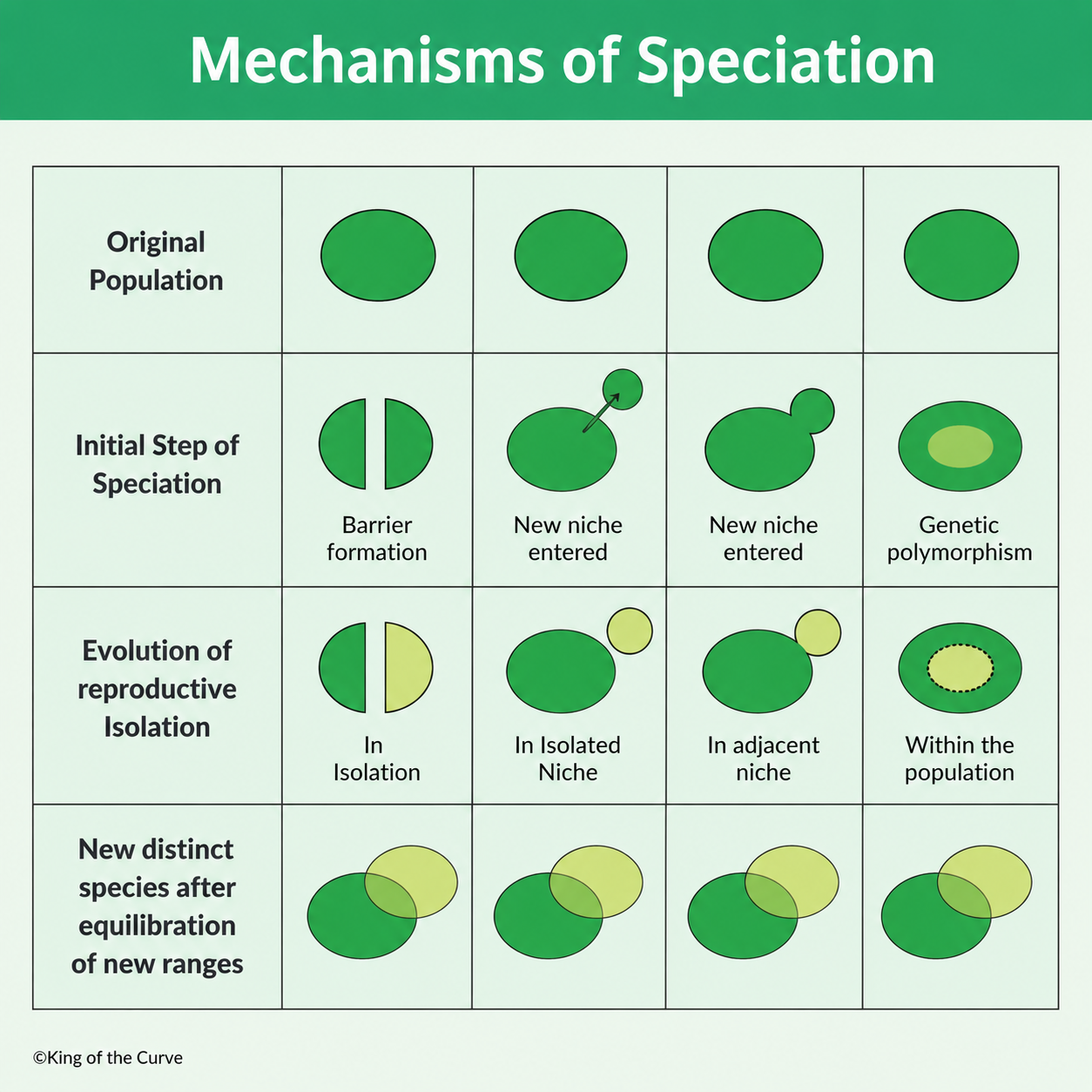
🧬 Mechanisms of Speciation: Types, Processes, and Evolutionary Significance
Learn the mechanisms of speciation including allopatric, peripatric, parapatric, and sympatric speciation with examples and evolutionary significance.
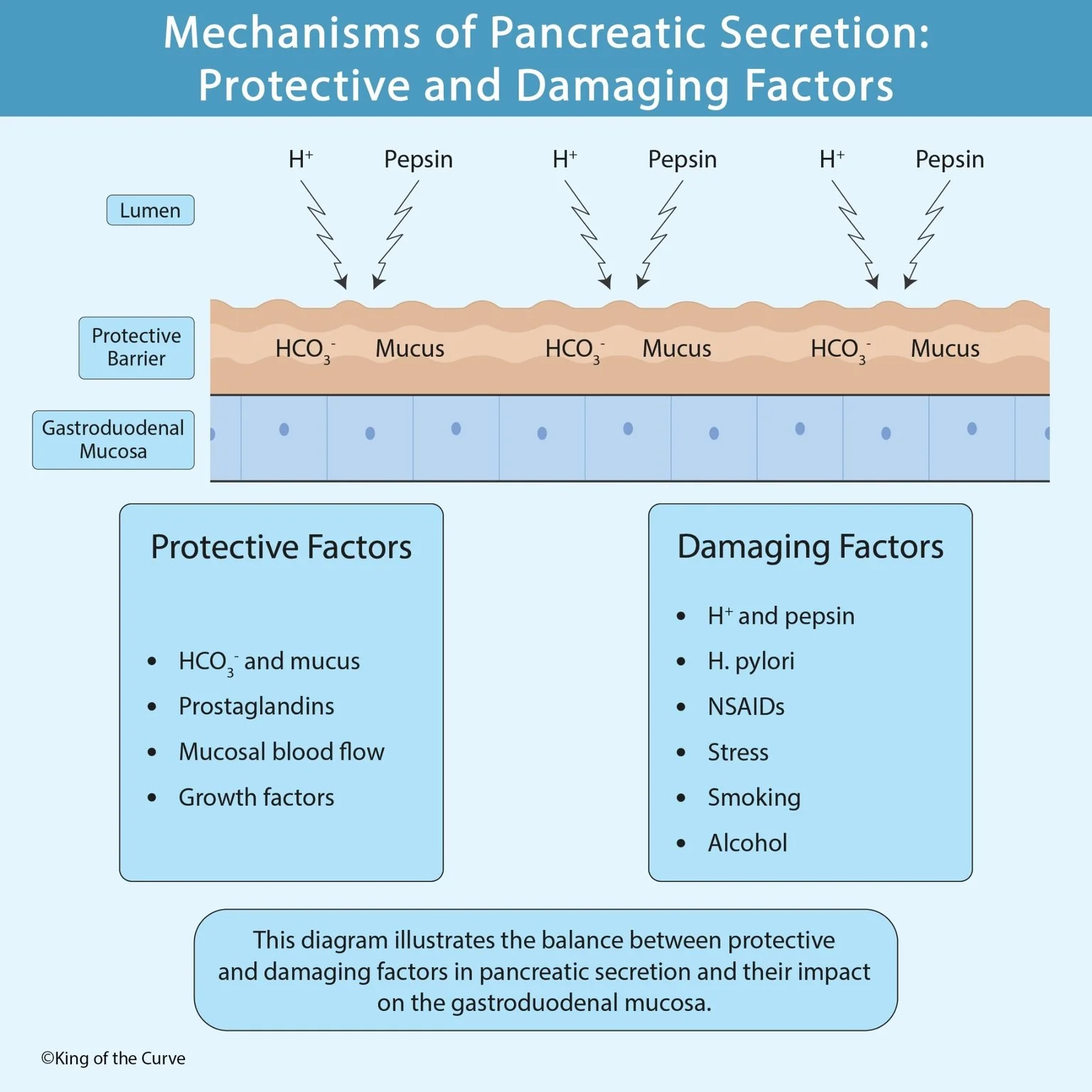
🛡️ Mechanisms of Gastroduodenal Mucosal Protection and Injury
Learn the protective and damaging factors affecting the gastroduodenal mucosa, including mucus, bicarbonate, prostaglandins, H. pylori, NSAIDs, and acid.
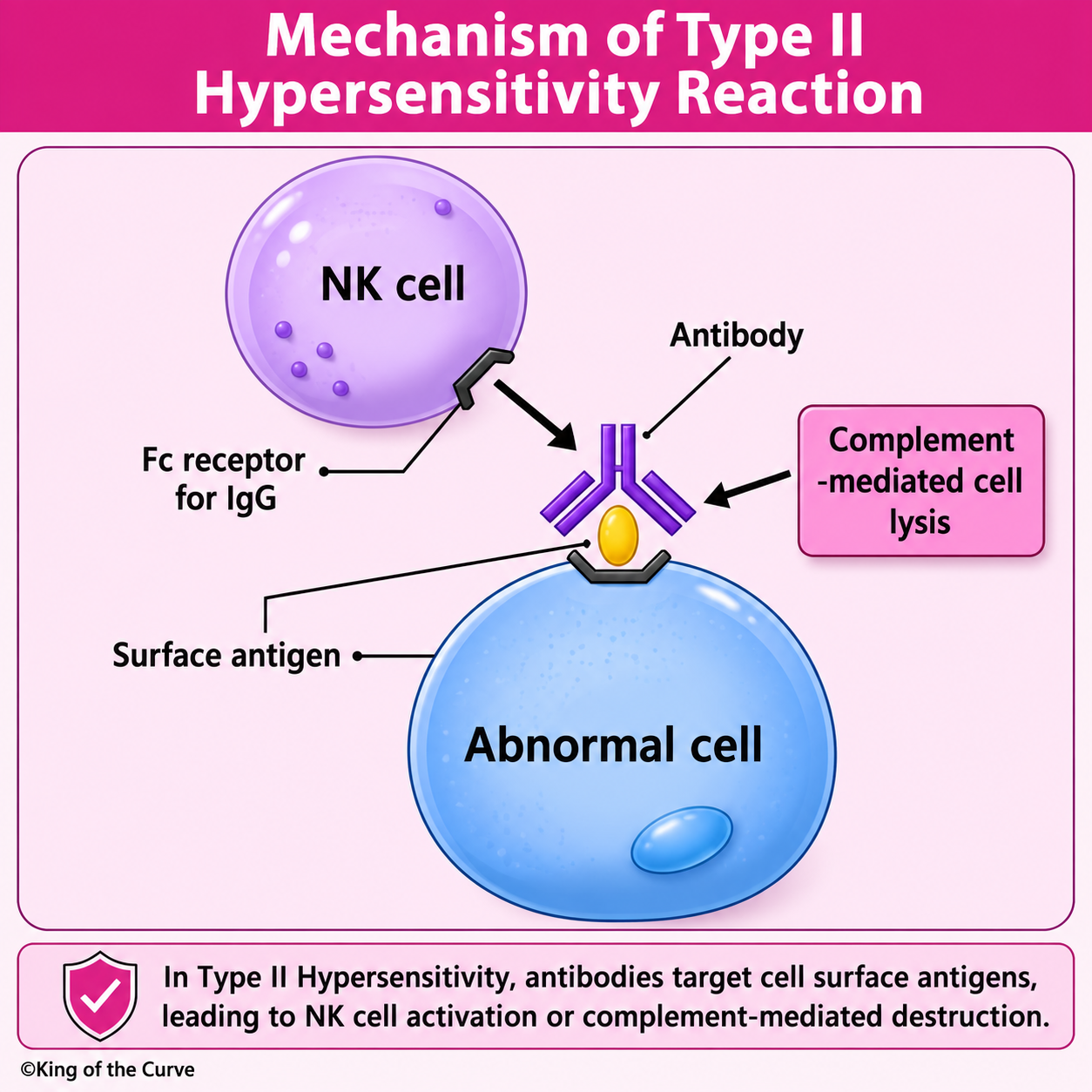
🛡️ Mechanism of Type II Hypersensitivity Reaction
Learn the mechanism of Type II hypersensitivity reaction, including IgG and IgM antibody binding, complement activation, antibody-dependent cellular cytotoxicity (ADCC), and clinical examples.
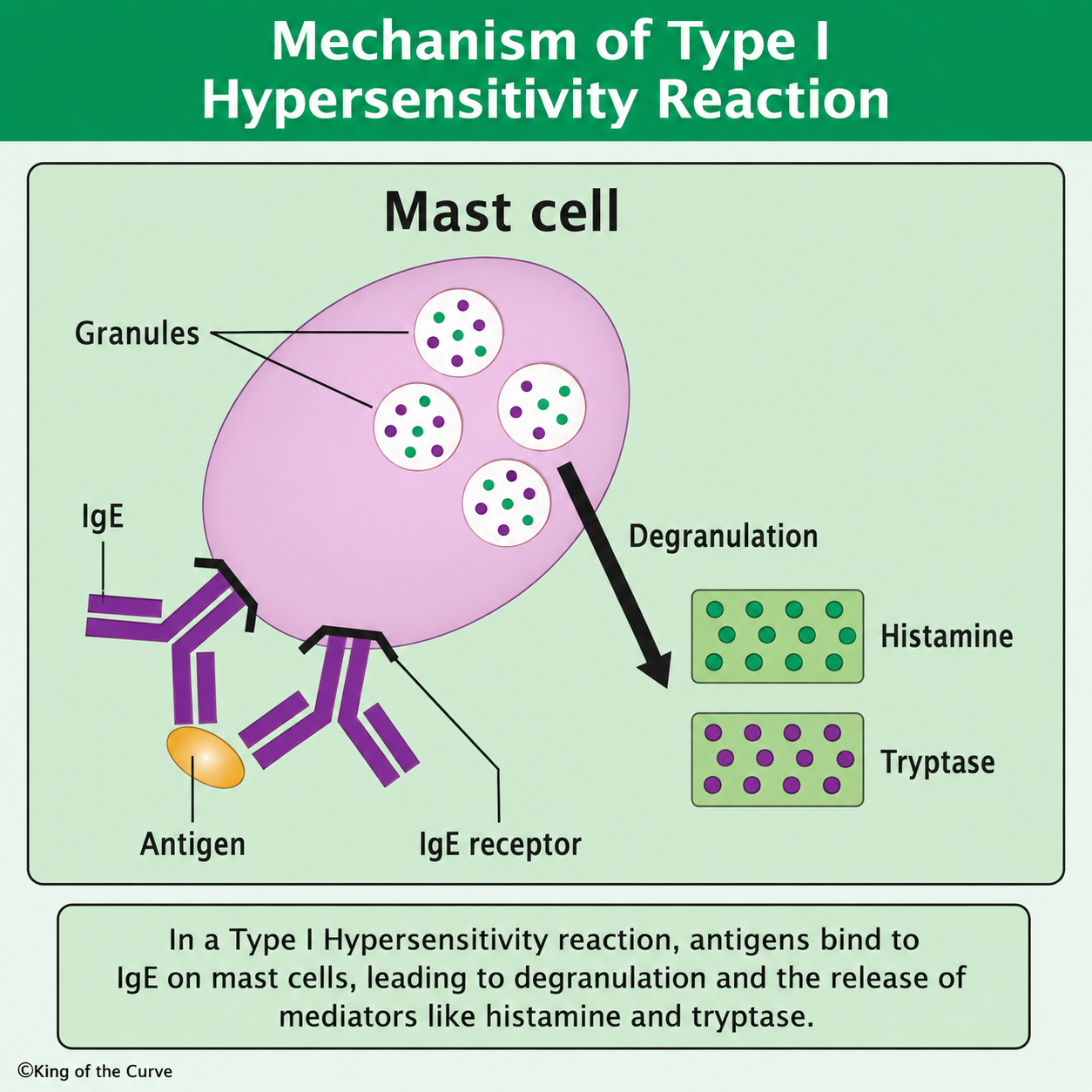
✅ Understanding the Mechanism of Type I Hypersensitivity Reaction
Learn the mechanism of Type I hypersensitivity reaction, including IgE, mast cell activation, degranulation, histamine release, and allergic responses.
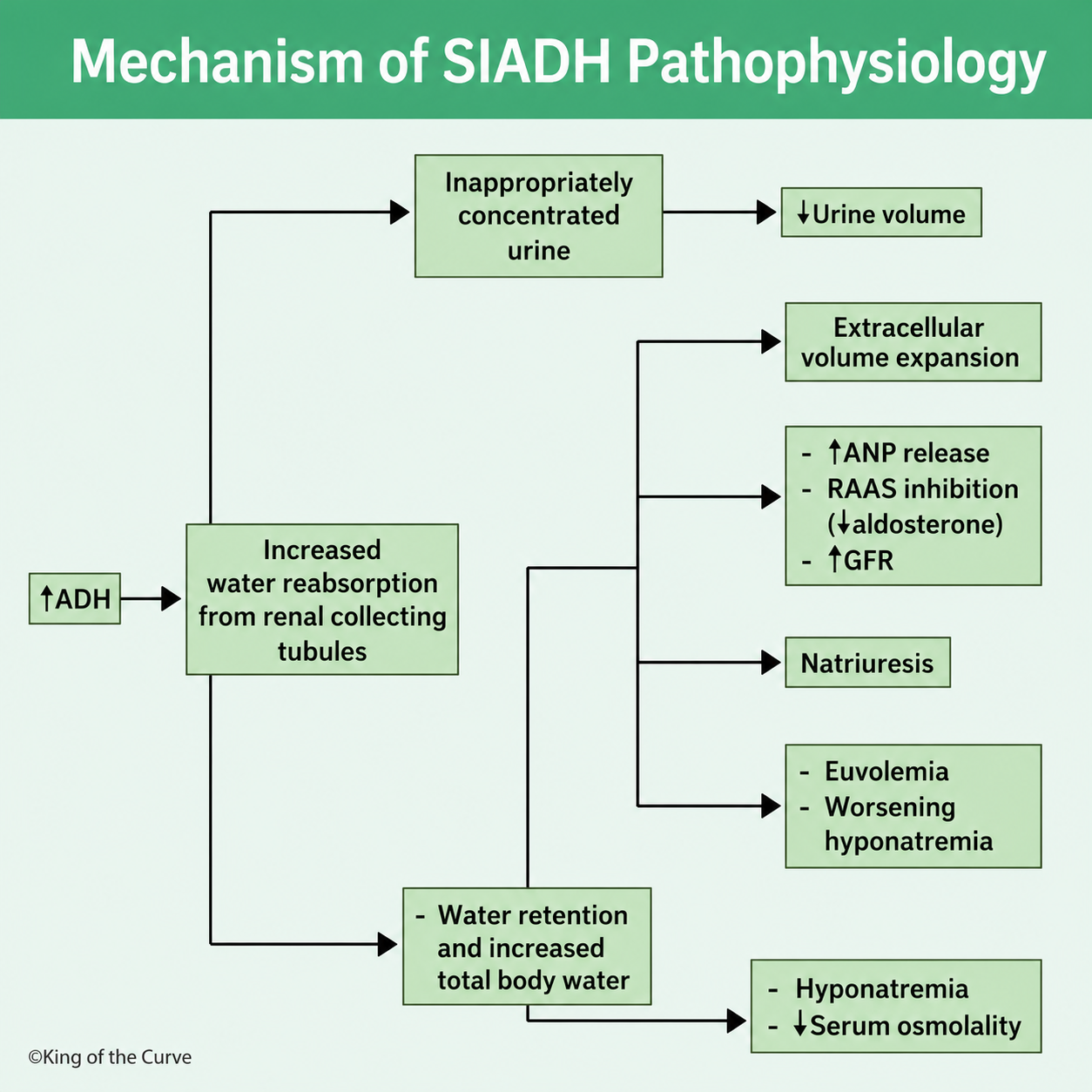
✅ Understanding the Mechanism of SIADH Pathophysiology
Understand the mechanism of SIADH pathophysiology, including ADH excess, water retention, hyponatremia, natriuresis, and euvolemic hyponatremia.
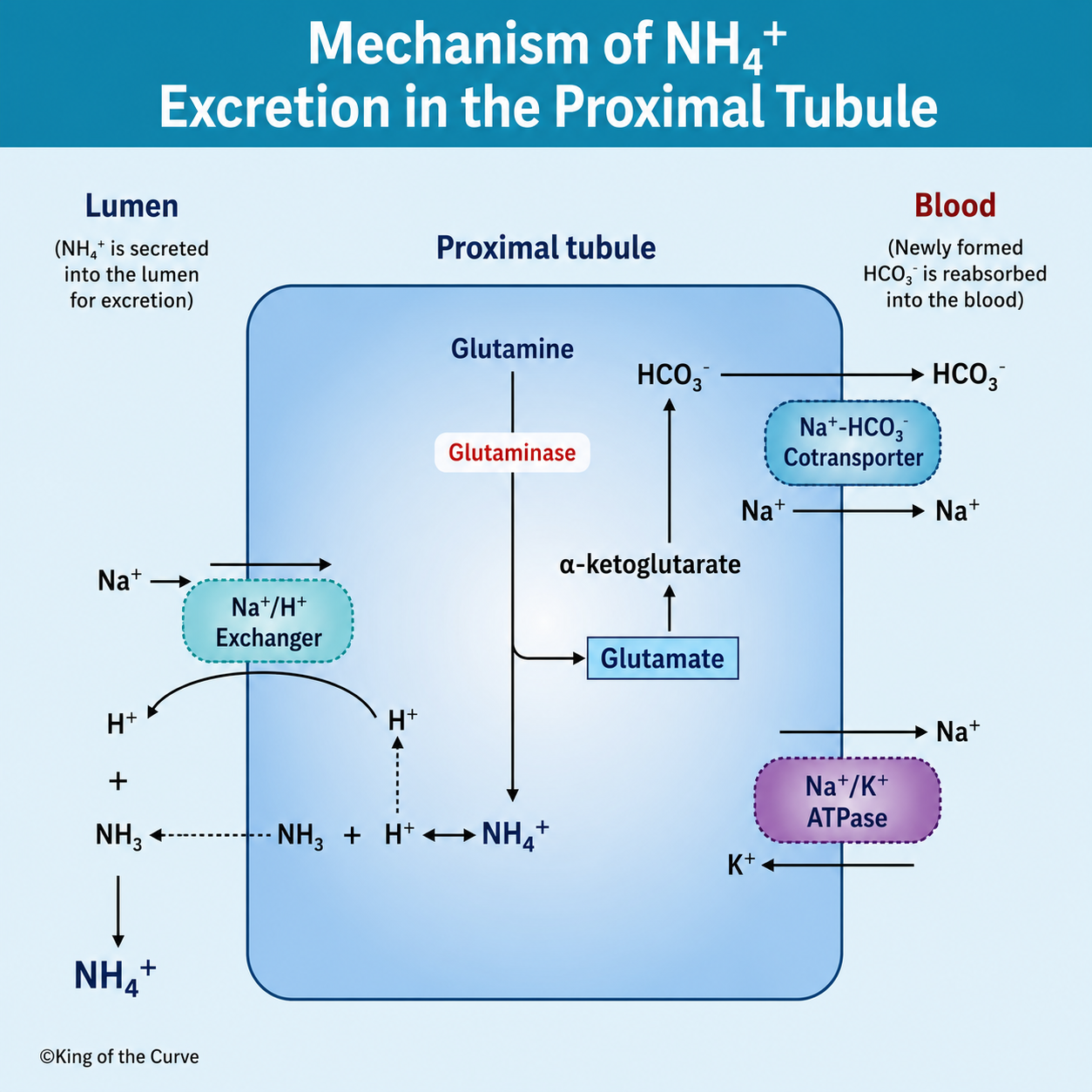
🧪 Mechanism of NH₄⁺ Excretion in the Proximal Tubule
Learn the mechanism of NH4+ excretion in the proximal tubule, including glutamine metabolism, ammonium secretion, bicarbonate generation, and acid-base regulation.
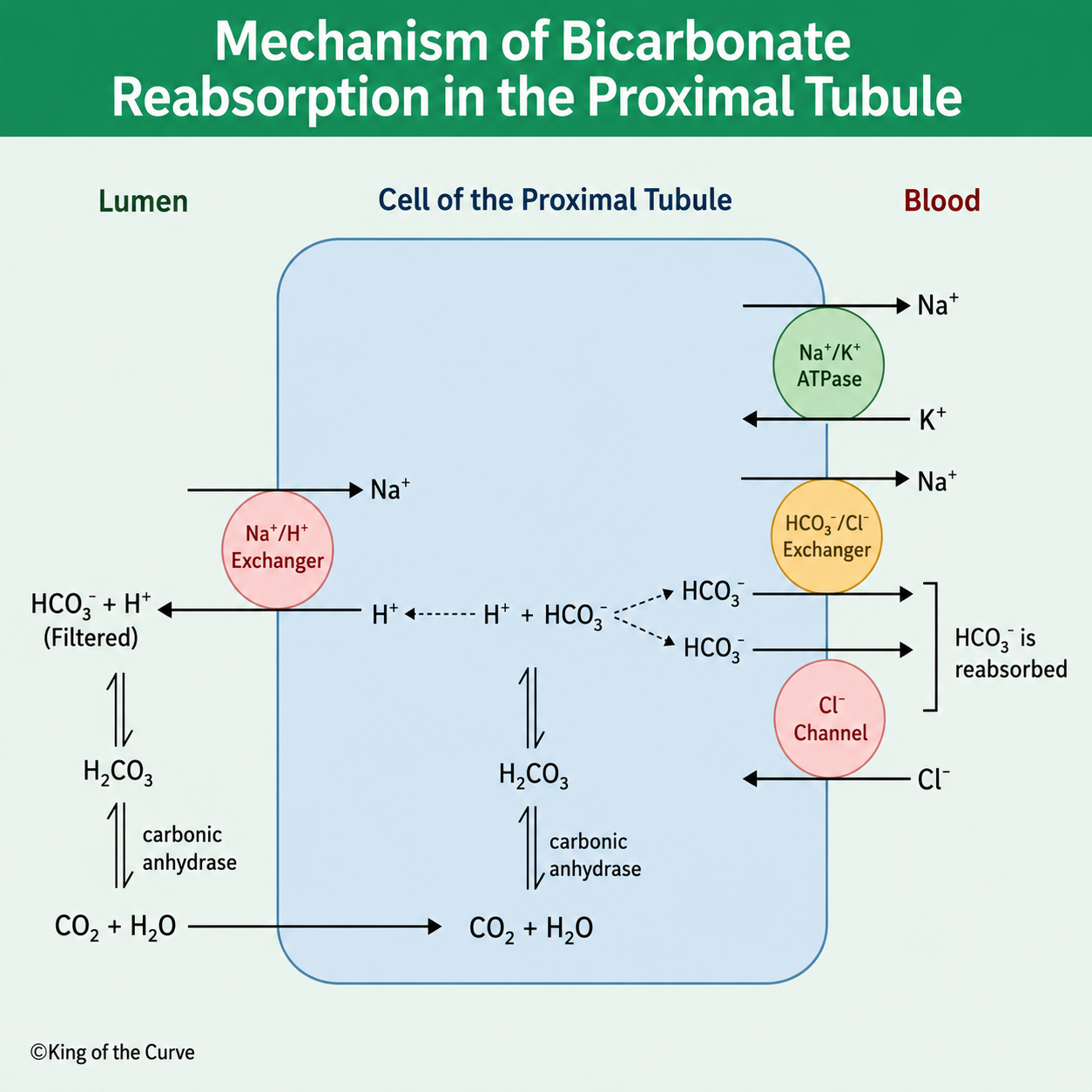
🩺 Mechanism of Bicarbonate Reabsorption in the Proximal Tubule
Learn the mechanism of bicarbonate reabsorption in the proximal tubule, including carbonic anhydrase, Na+/H+ exchange, and acid-base regulation.
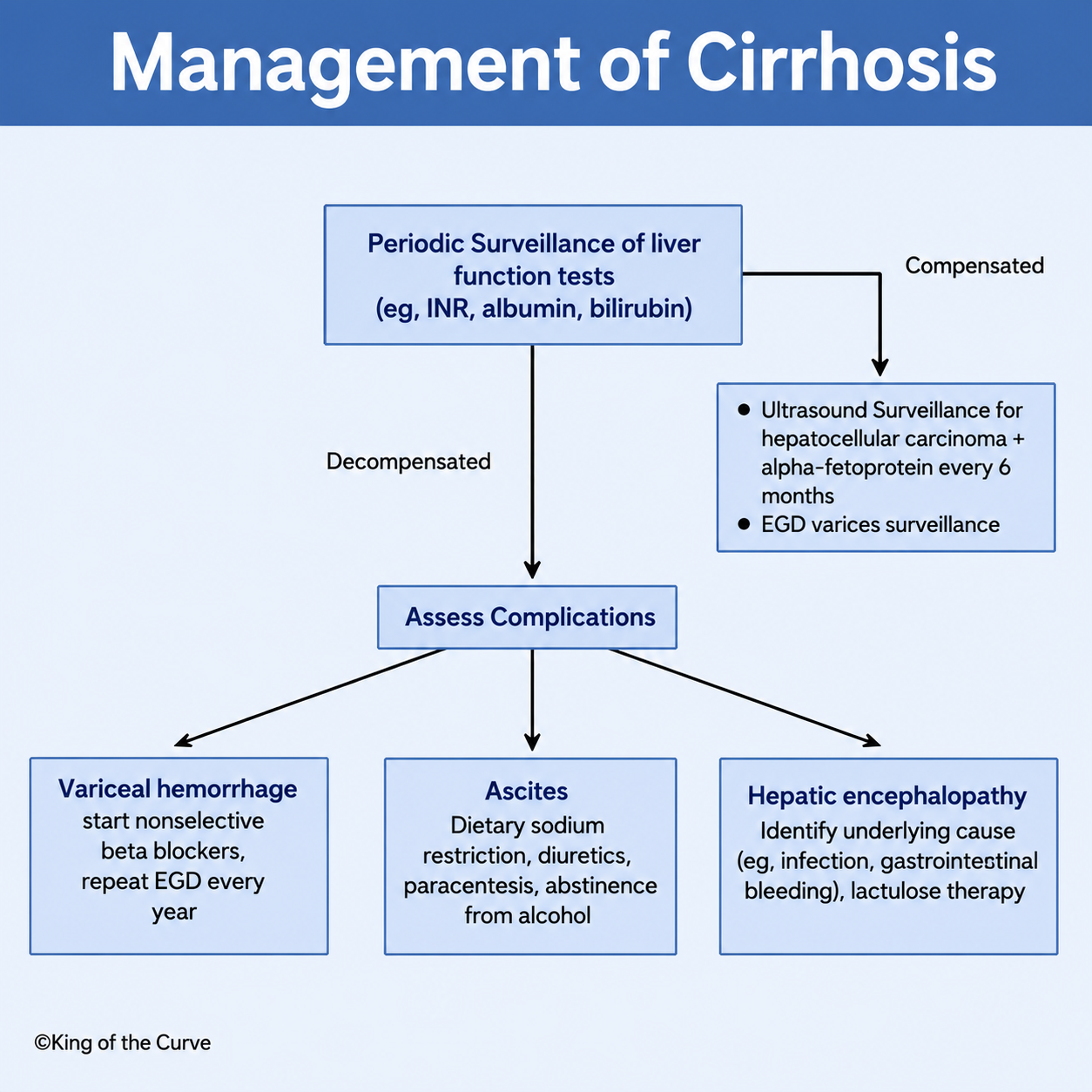
🩺 Management of Cirrhosis: Monitoring, Preventing Complications, and Improving Outcomes
Learn the management of cirrhosis, including monitoring, hepatocellular carcinoma surveillance, variceal bleeding, ascites, hepatic encephalopathy, and long-term care.
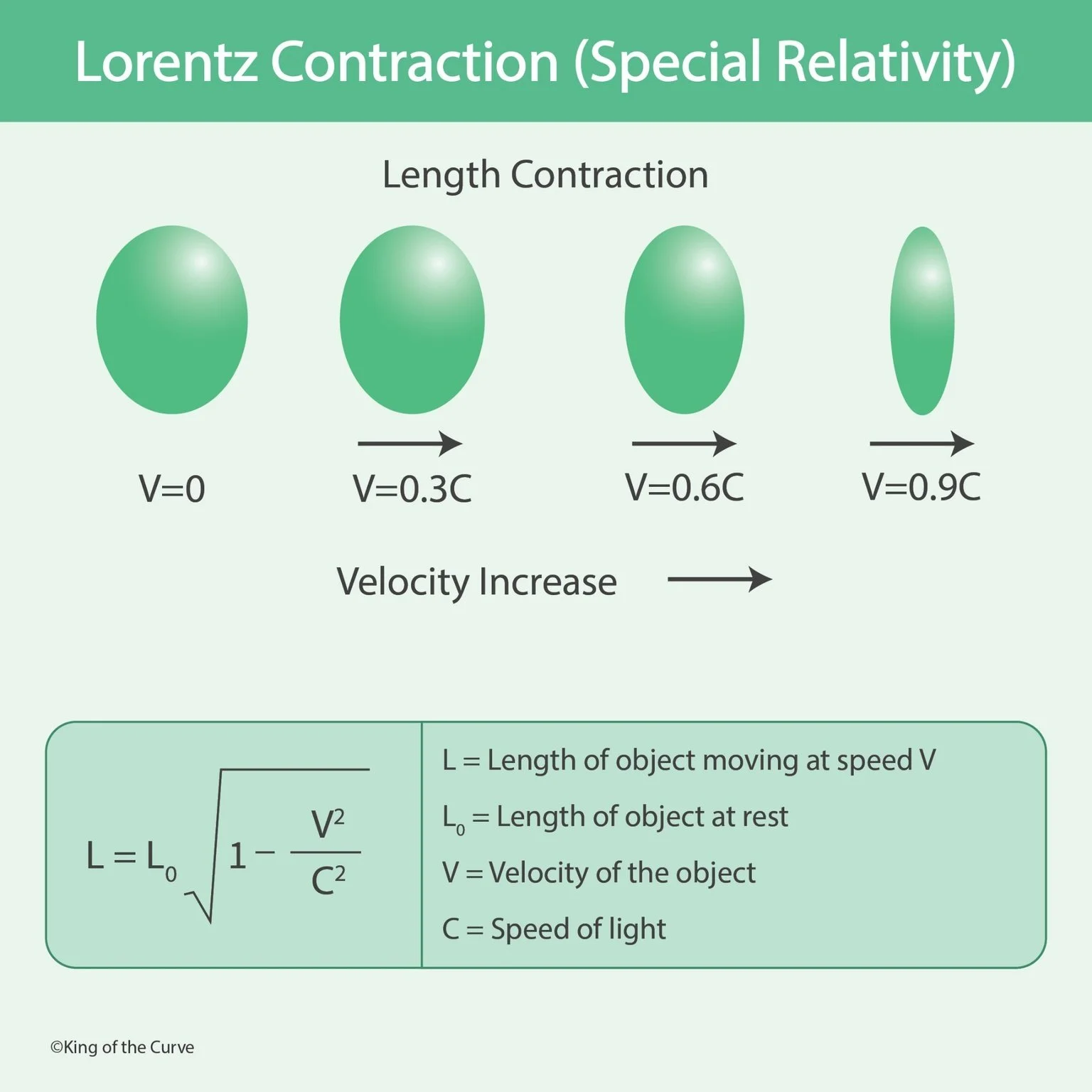
🚀 Lorentz Contraction (Special Relativity)
Learn Lorentz contraction in Special Relativity with the formula, examples, derivation, and how object length changes as velocity approaches light speed.
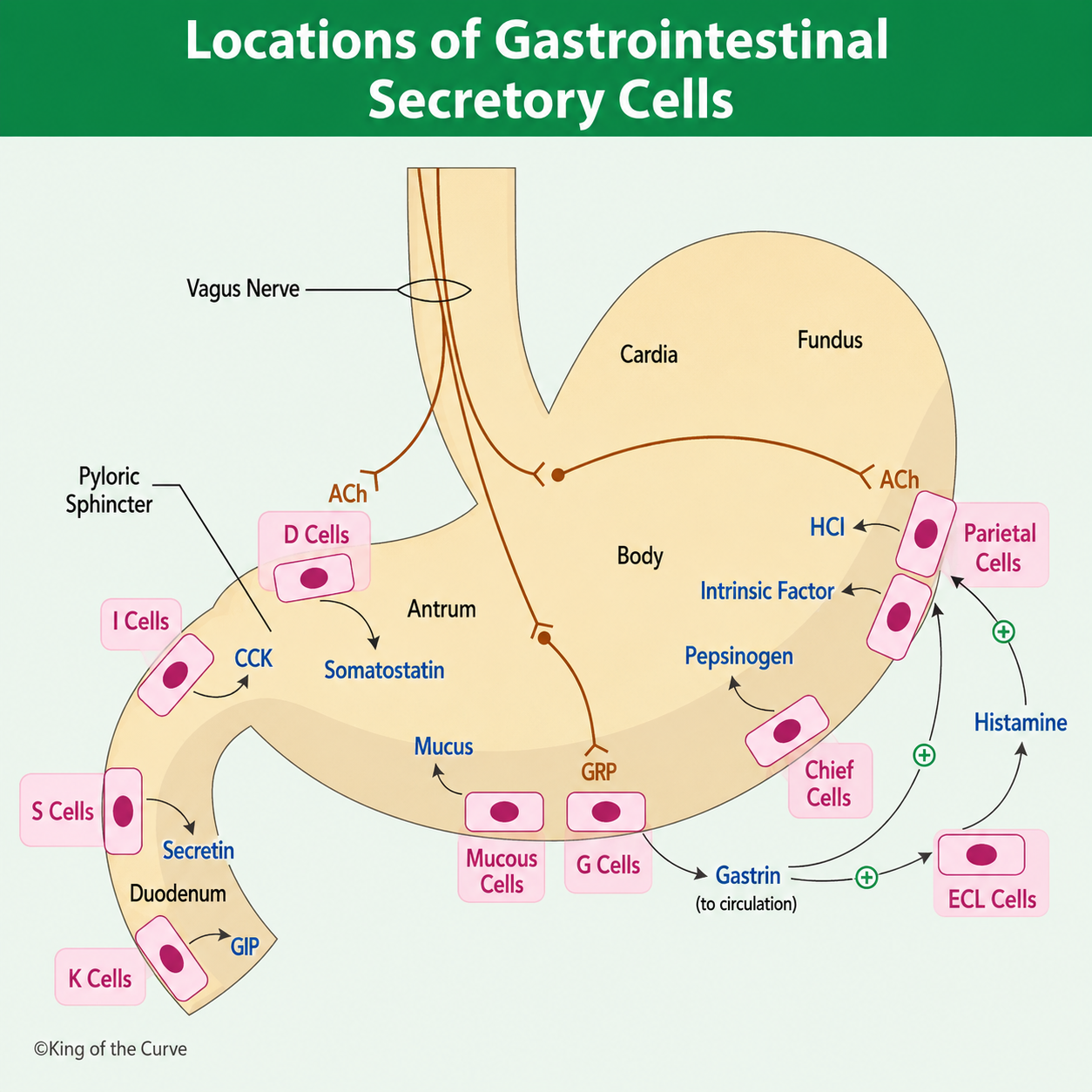
🩺 Locations of Gastrointestinal Secretory Cells: Functions, Hormones, and Clinical Significance
Learn the locations, secretions, and functions of gastrointestinal secretory cells including parietal, chief, G, D, ECL, I, S, K, and mucous cells.
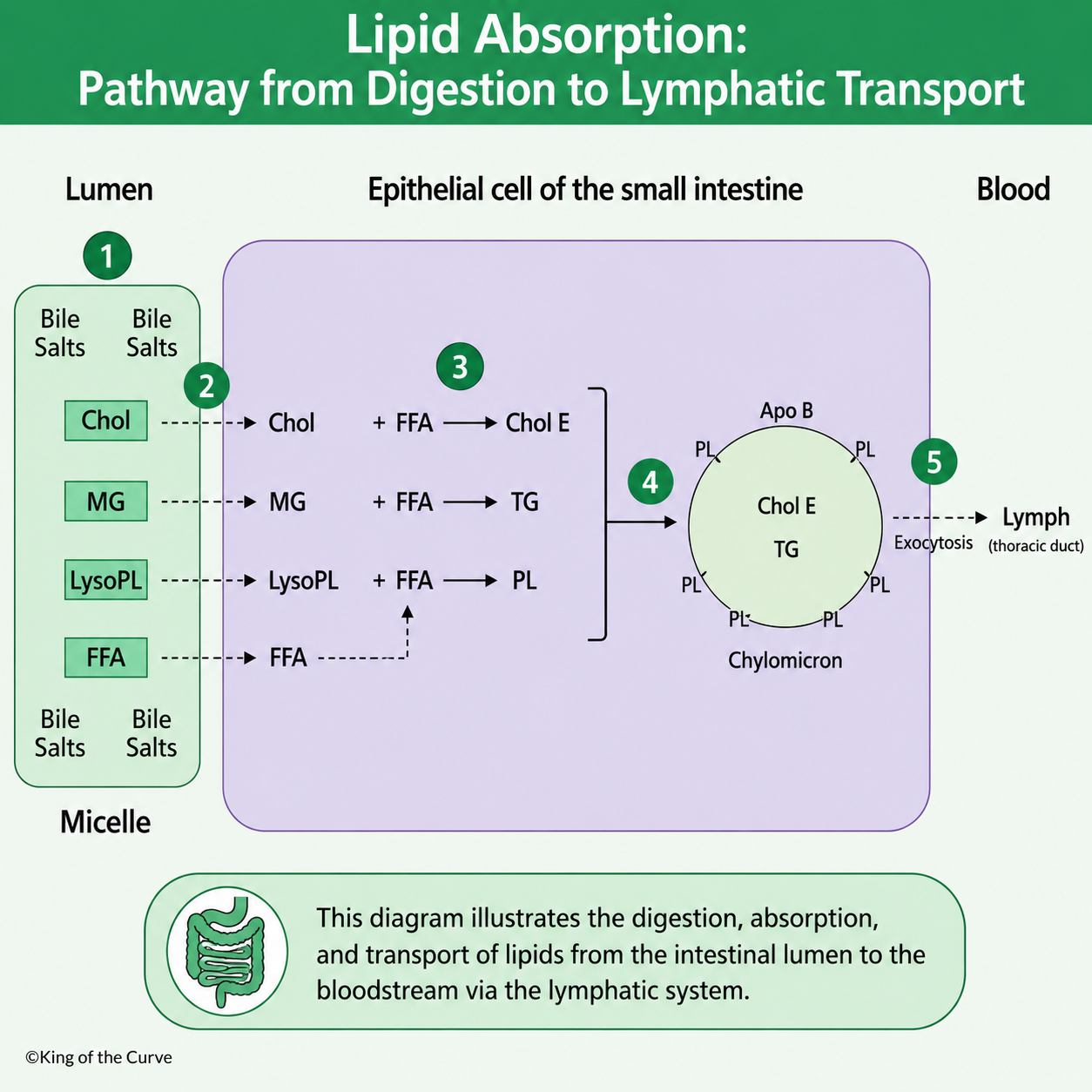
🧬 Lipid Absorption: Pathway from Digestion to Lymphatic Transport
Learn the lipid absorption pathway, from micelle formation and intestinal absorption to chylomicron assembly and lymphatic transport.
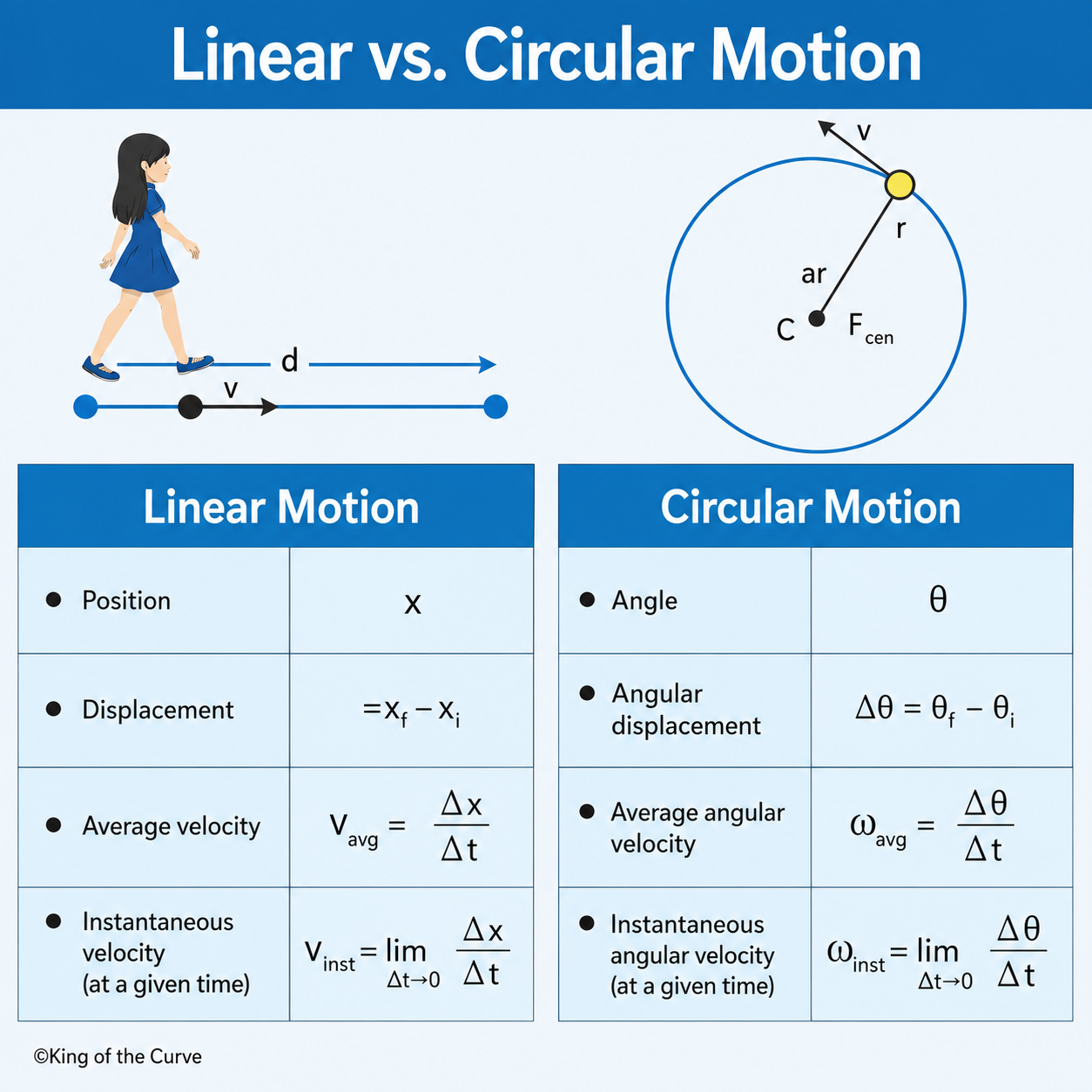
📘 Linear vs. Circular Motion
Learn the differences between linear and circular motion, compare their formulas, understand angular motion, and explore real-world examples.
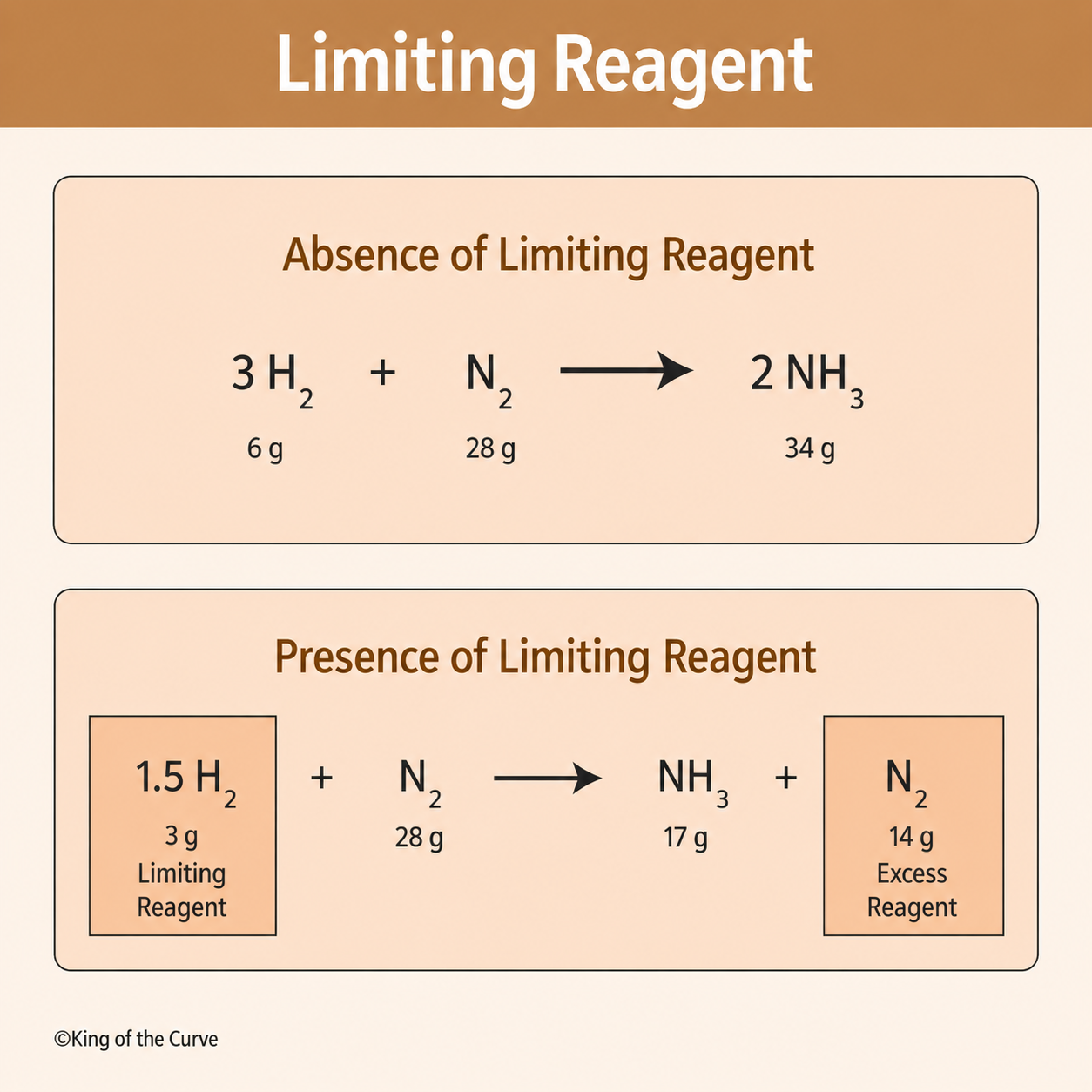
🧪 What Is a Limiting Reagent?
Learn what a limiting reagent is, how to identify it, calculate theoretical yield, and distinguish it from the excess reagent with examples.
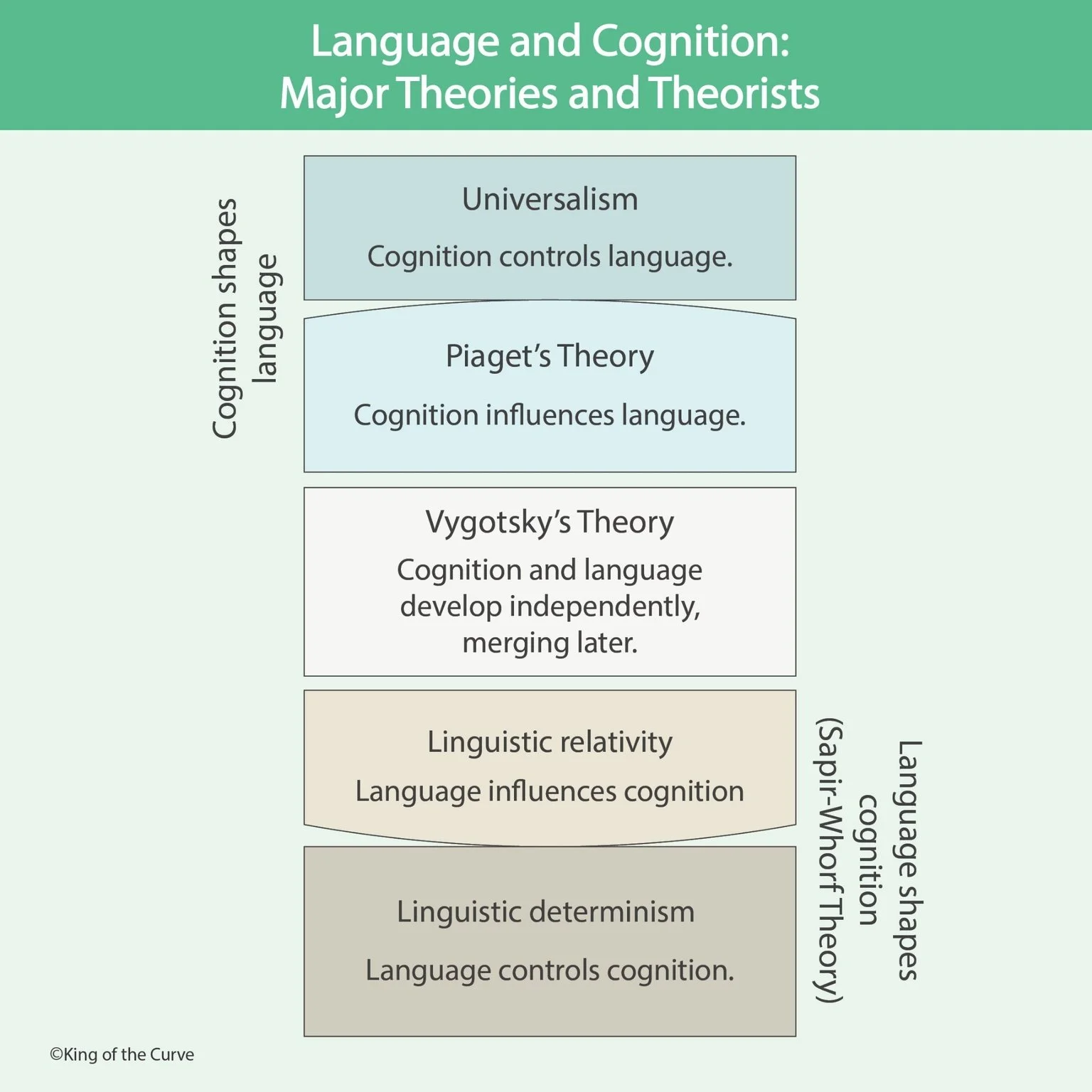
🧠 What Is the Relationship Between Language and Cognition?
Master language and cognition theories for the MCAT. Learn Piaget, Vygotsky, Universalism, Linguistic Relativity, and Linguistic Determinism.
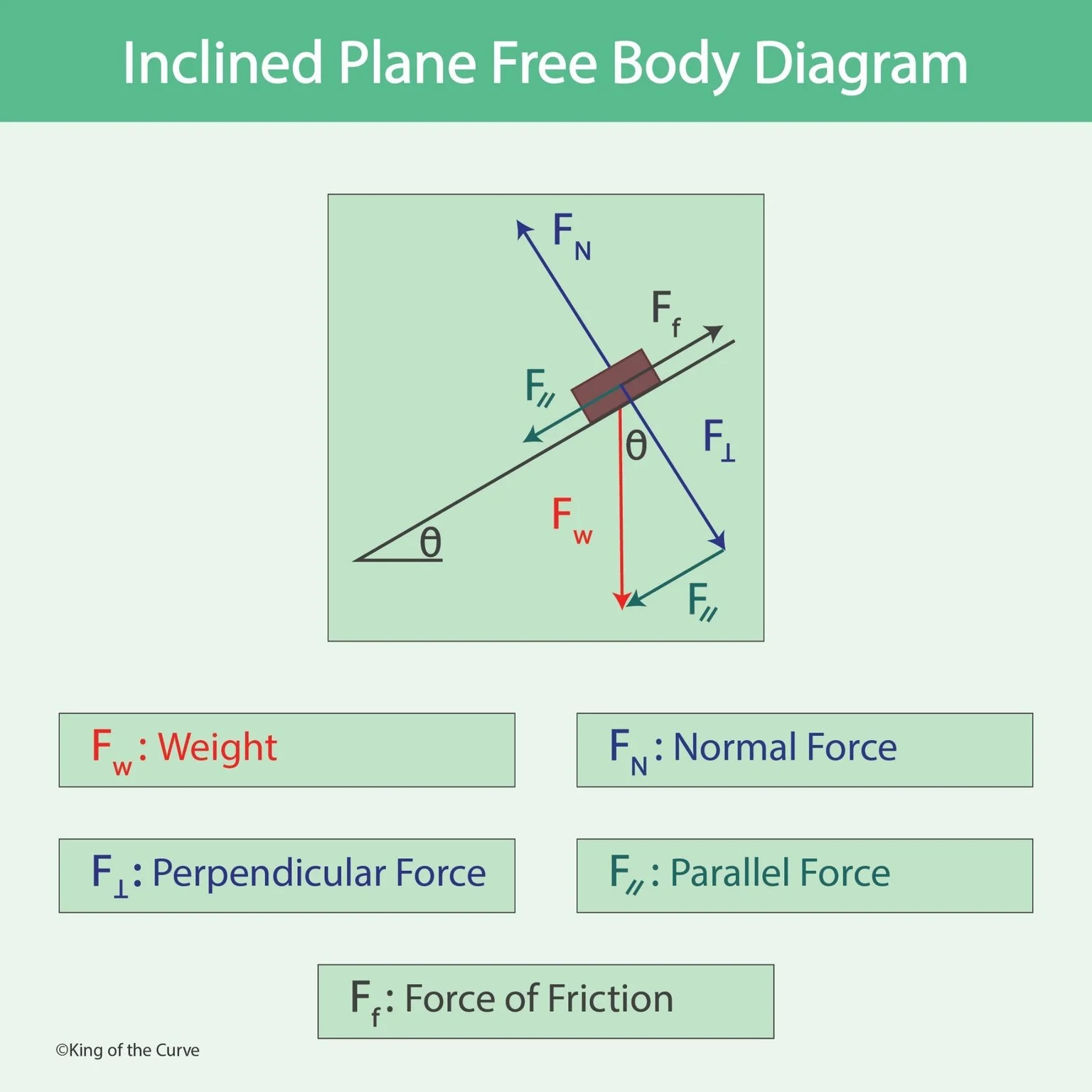
⚖️ What Is an Inclined Plane Free Body Diagram?
Learn inclined plane free body diagrams with simple explanations, force components, friction, and MCAT study tips. Master Newton's Laws visually.
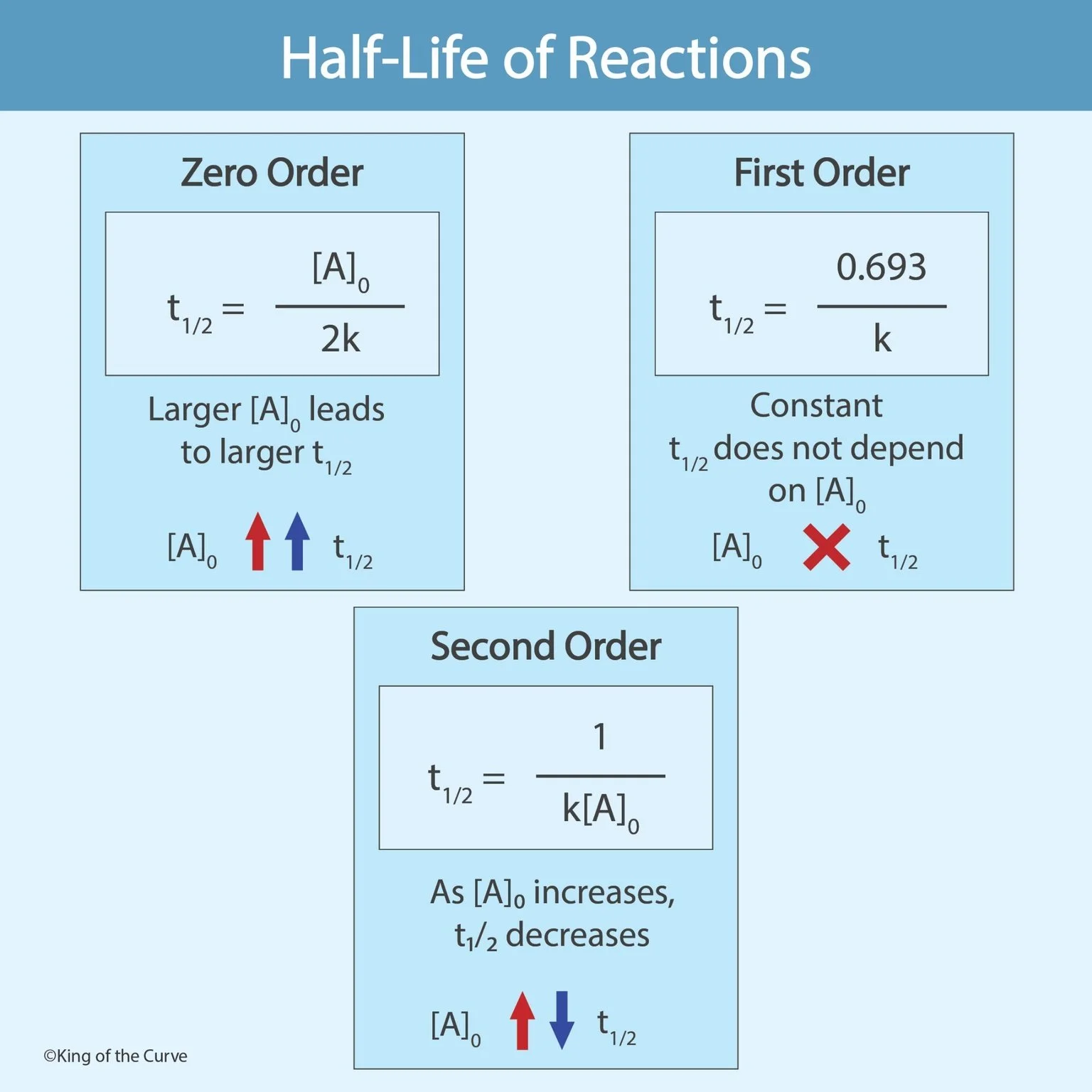
⚛️ What Is Half-Life in Chemical Reactions?
Master the half-life of reactions with simple formulas, reaction order comparisons, and MCAT study tips. Learn zero-, first-, and second-order kinetics.
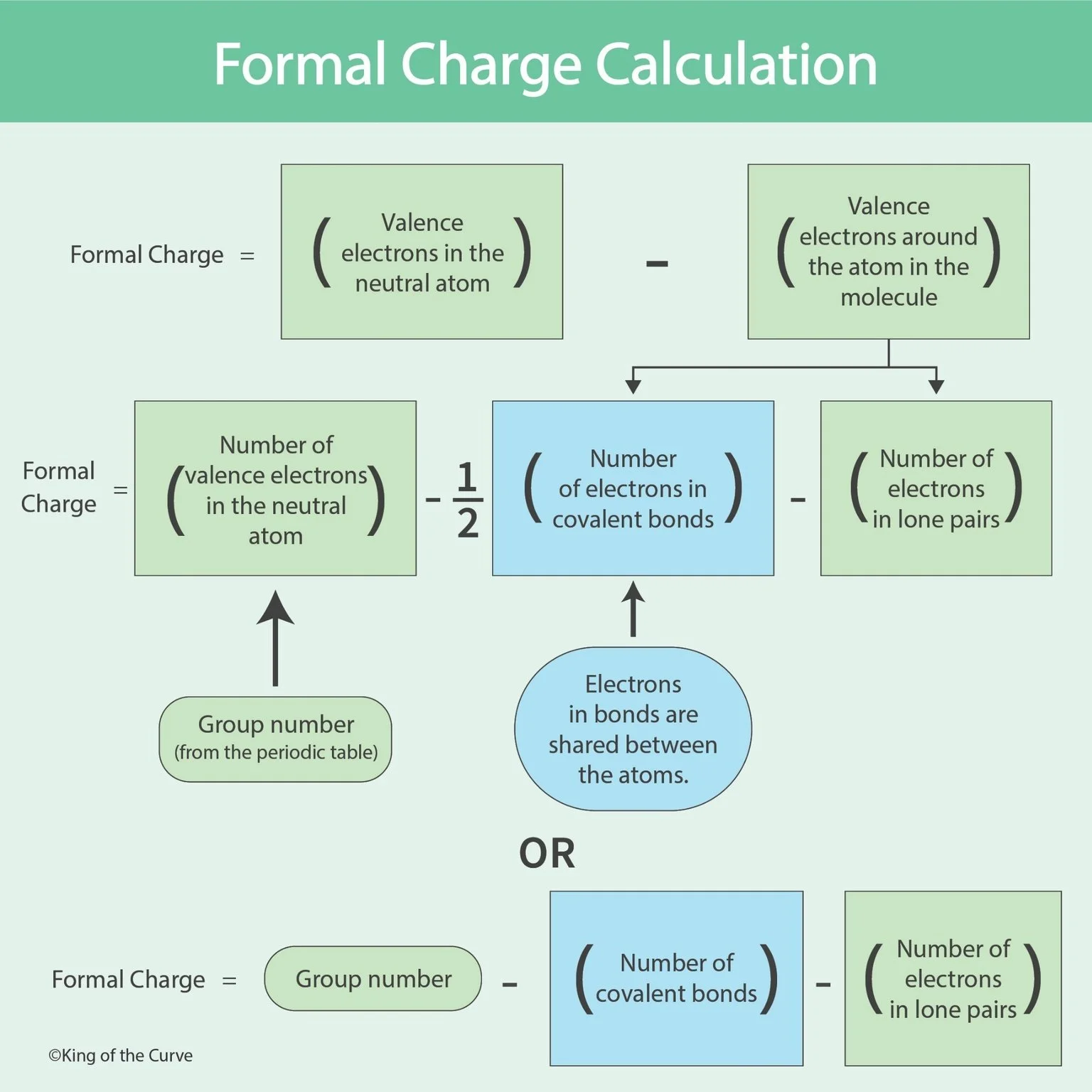
⚛️ What Is Formal Charge?
Learn how to calculate formal charge with simple formulas, examples, and MCAT study tips. Master Lewis structures and molecular stability with ease.
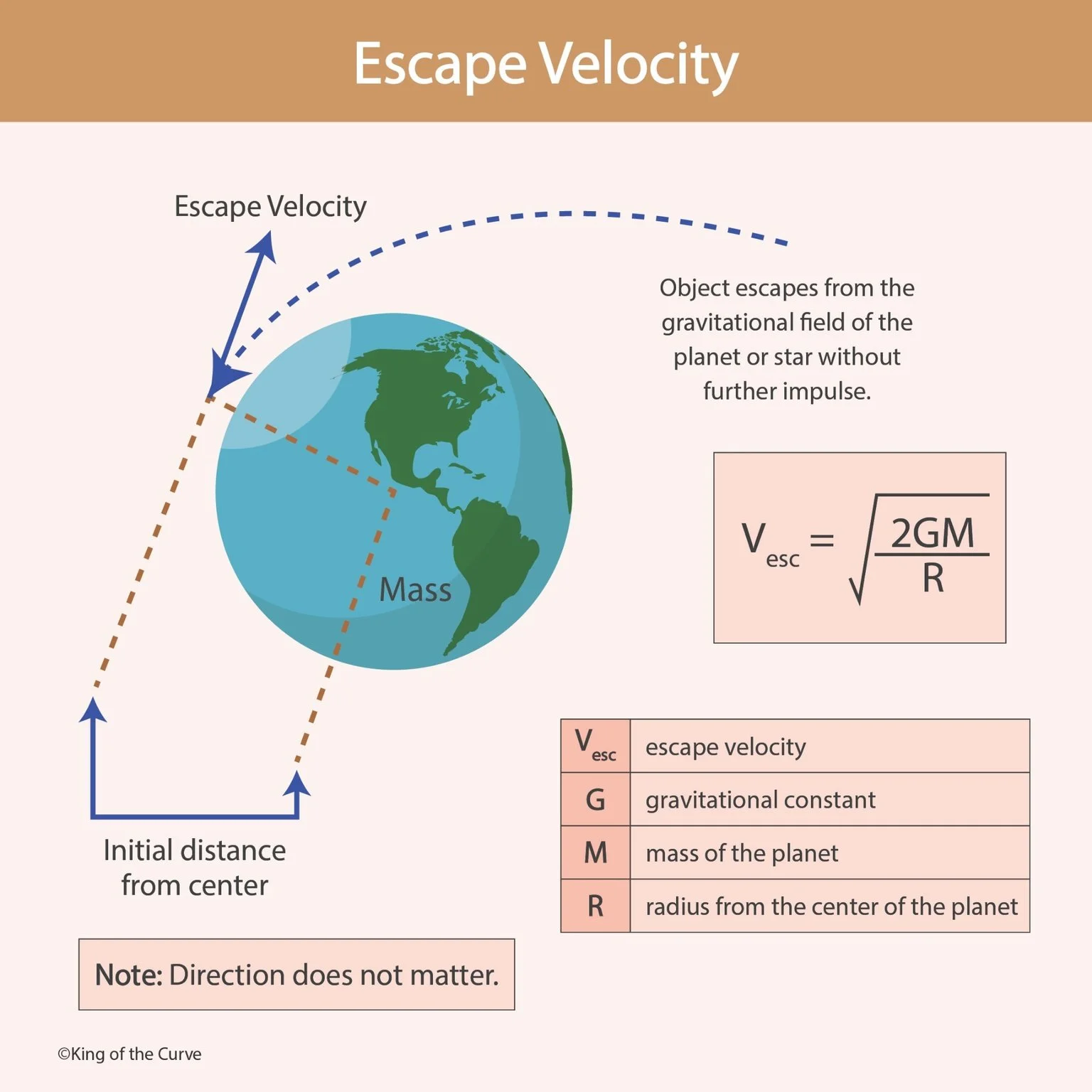
🚀 What Is Escape Velocity?
Master escape velocity with simple explanations, visual learning, and MCAT study tips. Learn the escape velocity formula and its real-world applications.
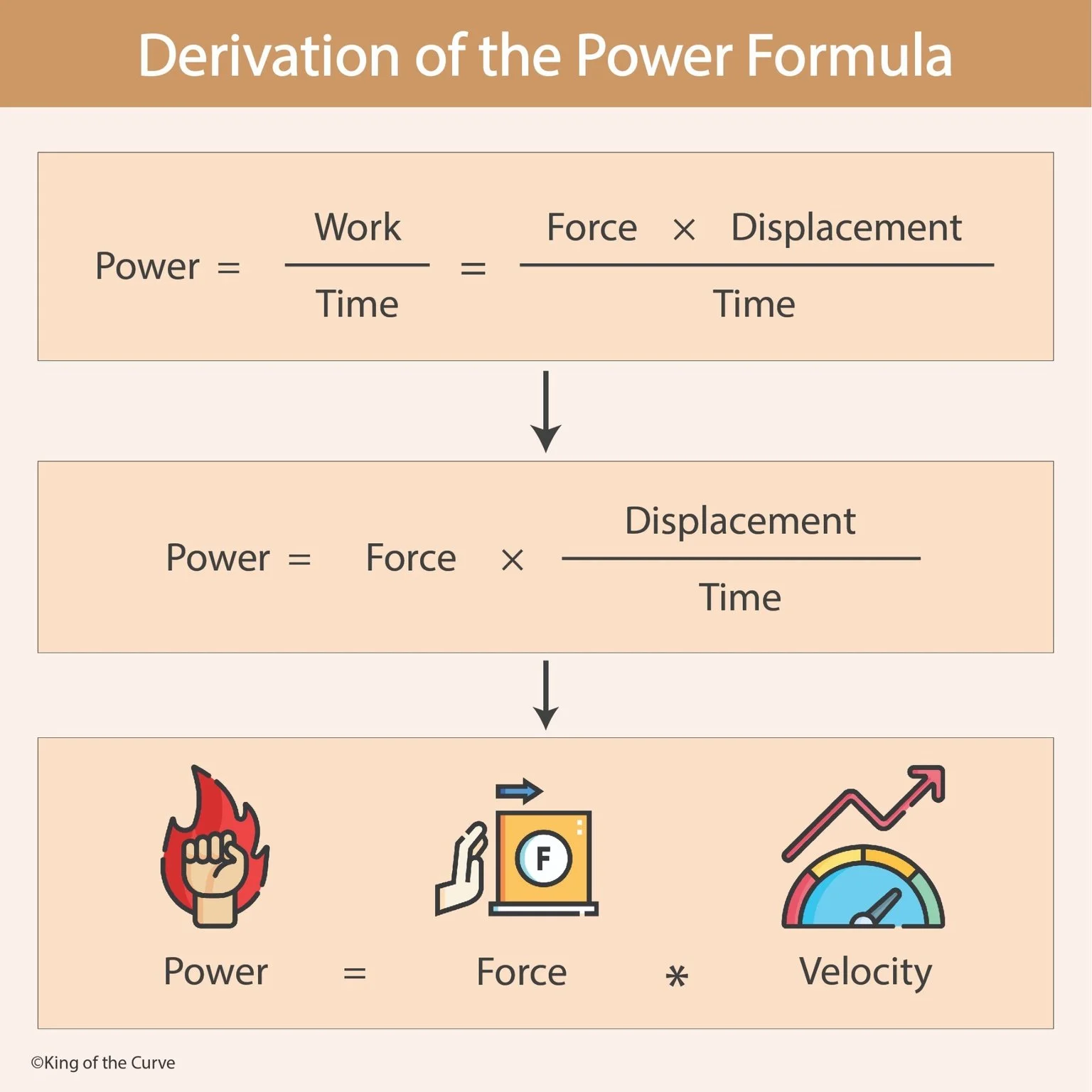
🧪 What Is the Power Formula?
Learn the derivation of the Power Formula with simple explanations, real-world examples, and MCAT study tips. Master why Power = Force × Velocity.
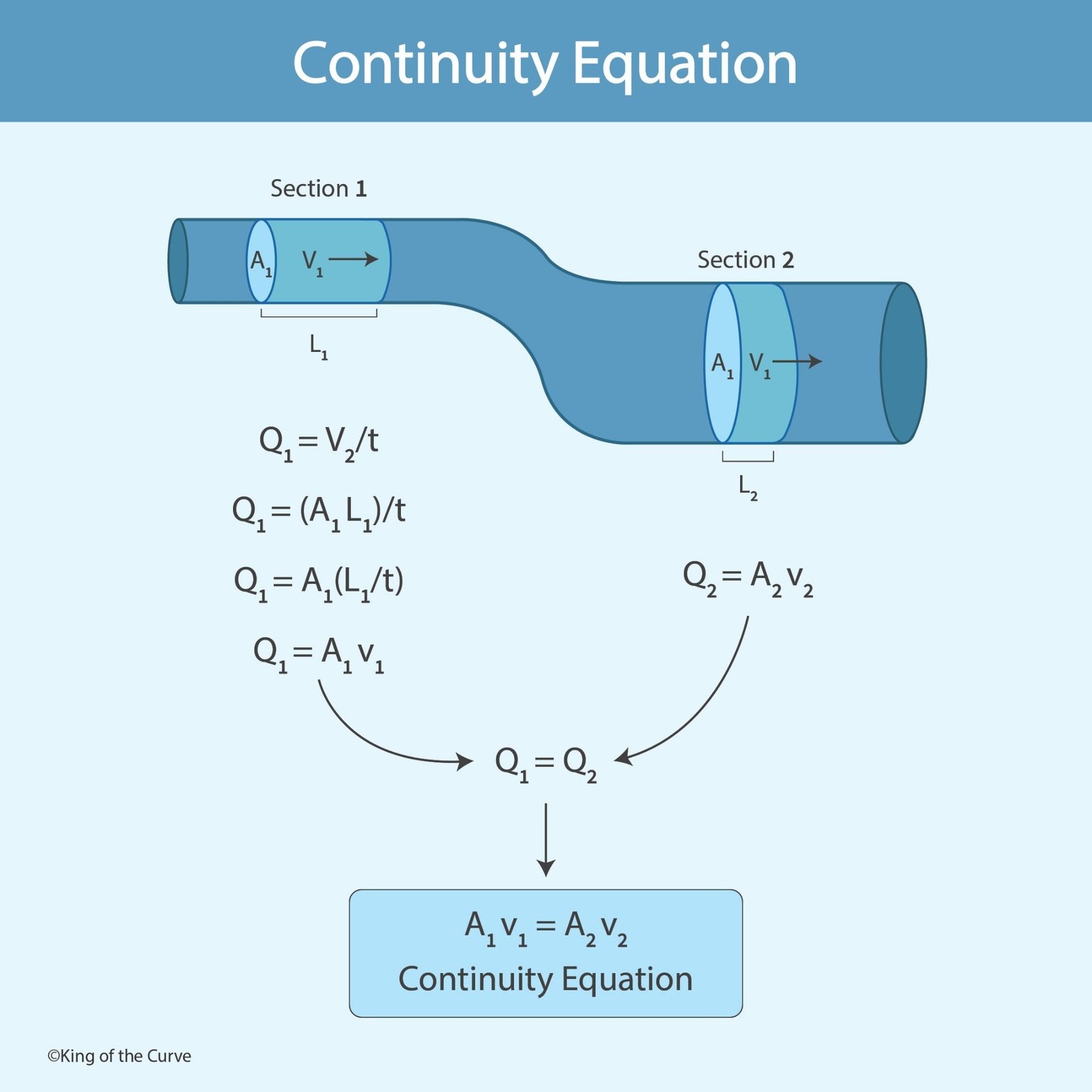
🧪 What Is the Continuity Equation?
Learn the Continuity Equation with visual explanations, MCAT tips, and real-world medical examples. Master fluid dynamics with King of the Curve.