
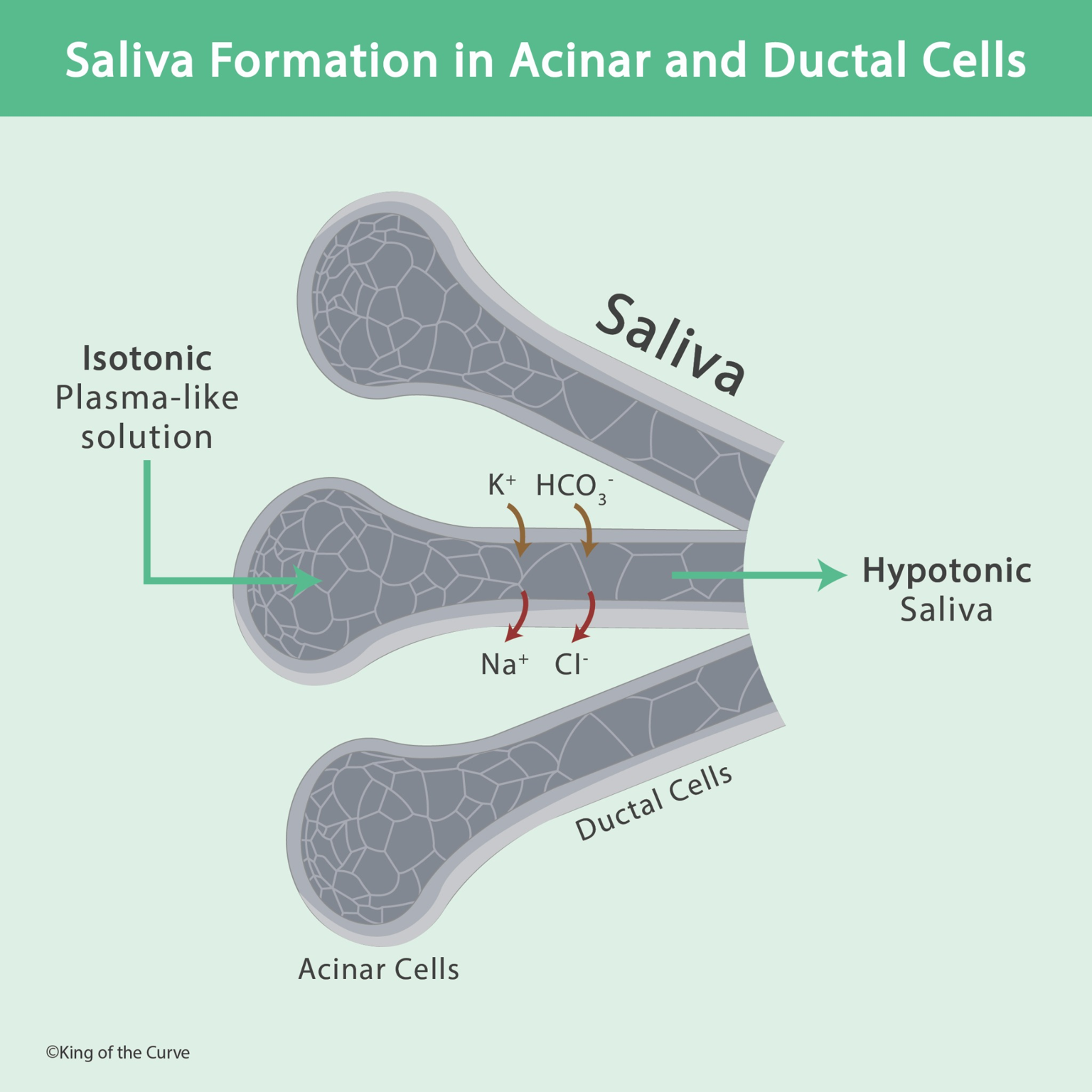
🧪 Saliva Formation in Acinar and Ductal Cells: How Saliva Becomes Hypotonic
Learn how saliva is formed in salivary glands. Discover how acinar cells produce isotonic primary saliva and how ductal cells modify it to create hypotonic saliva through ion exchange.
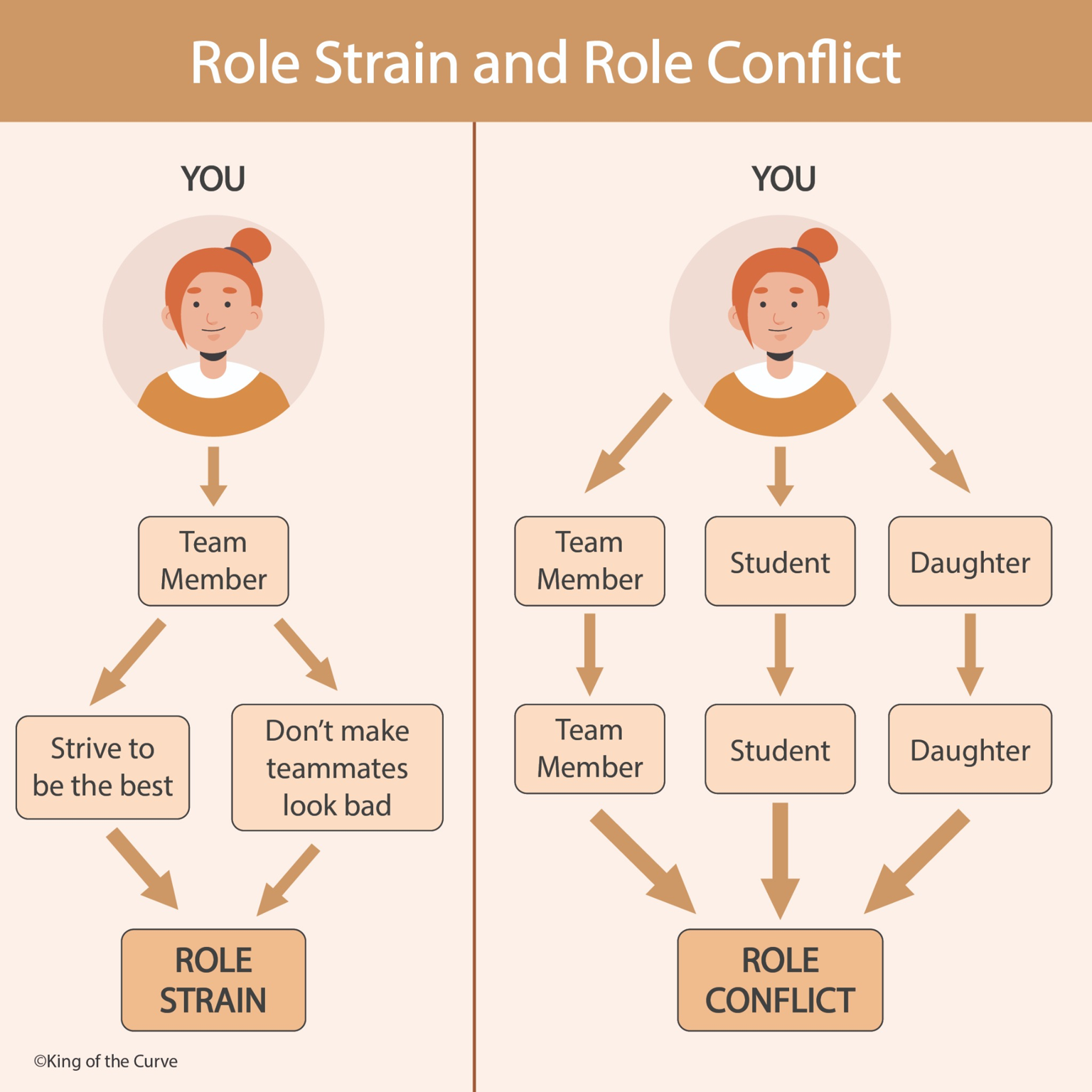
🔹 Role Strain vs. Role Conflict: Understanding the Difference
Learn the difference between role strain and role conflict in sociology. Explore clear definitions, real-life examples, and how competing expectations within and between roles create stress. Perfect for MCAT, USMLE, and sociology exam preparation.

✈️ Relative Motion Diagram: Understanding Airspeed, Wind, and Ground Velocity
Understand relative motion using airspeed and wind vectors. Learn how vector addition determines an airplane’s ground velocity in physics.
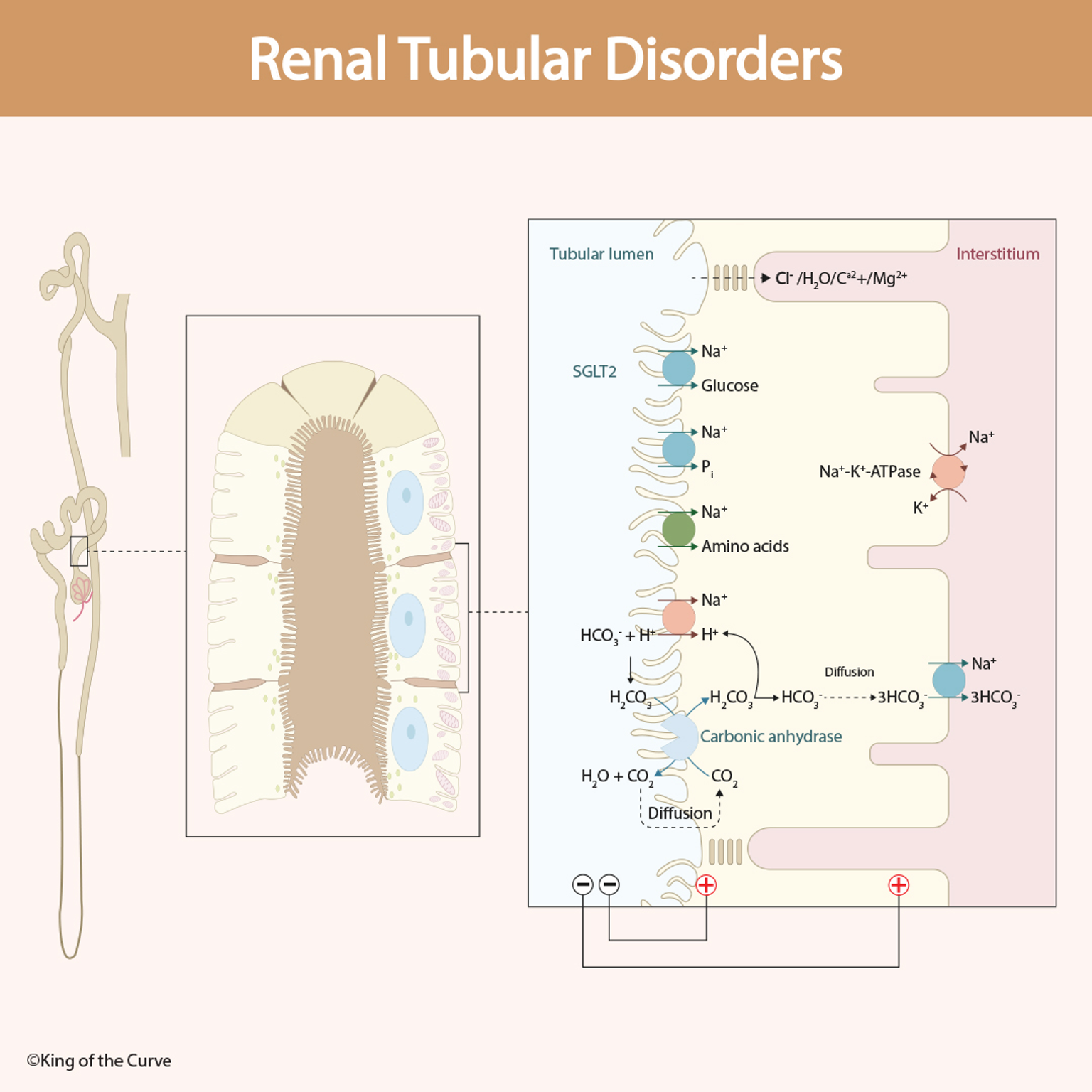
🩺 Renal Tubular Disorders: Understanding Proximal Tubule Dysfunction
Learn renal tubular disorders including Fanconi syndrome and Type 2 RTA. Understand proximal tubule transport, bicarbonate reabsorption, and clinical links.
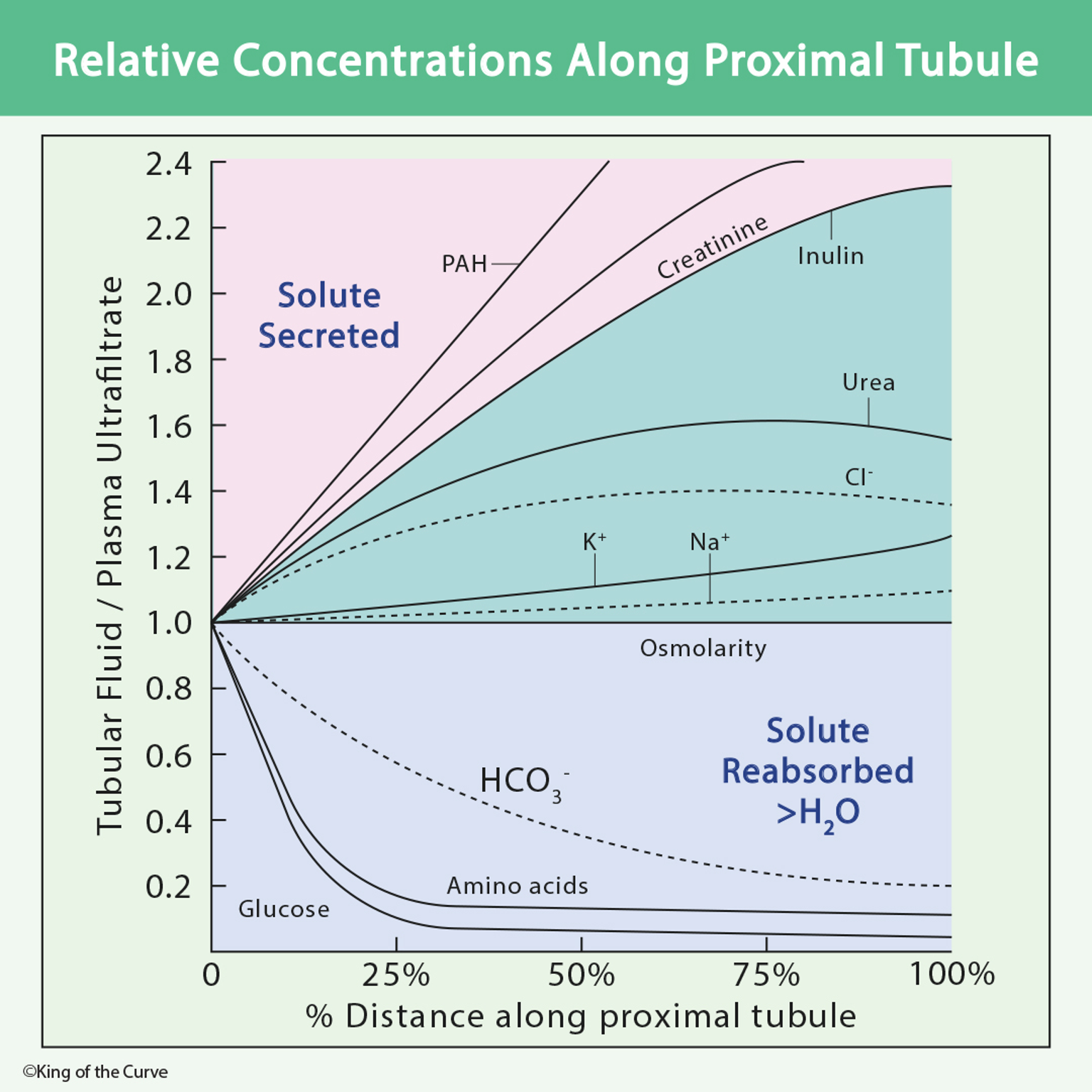
🧪 Relative Concentrations Along the Proximal Tubule
Learn how solute concentrations change along the proximal tubule. Understand TF/P ratios, reabsorption patterns, PAH, inulin, and GFR concepts.
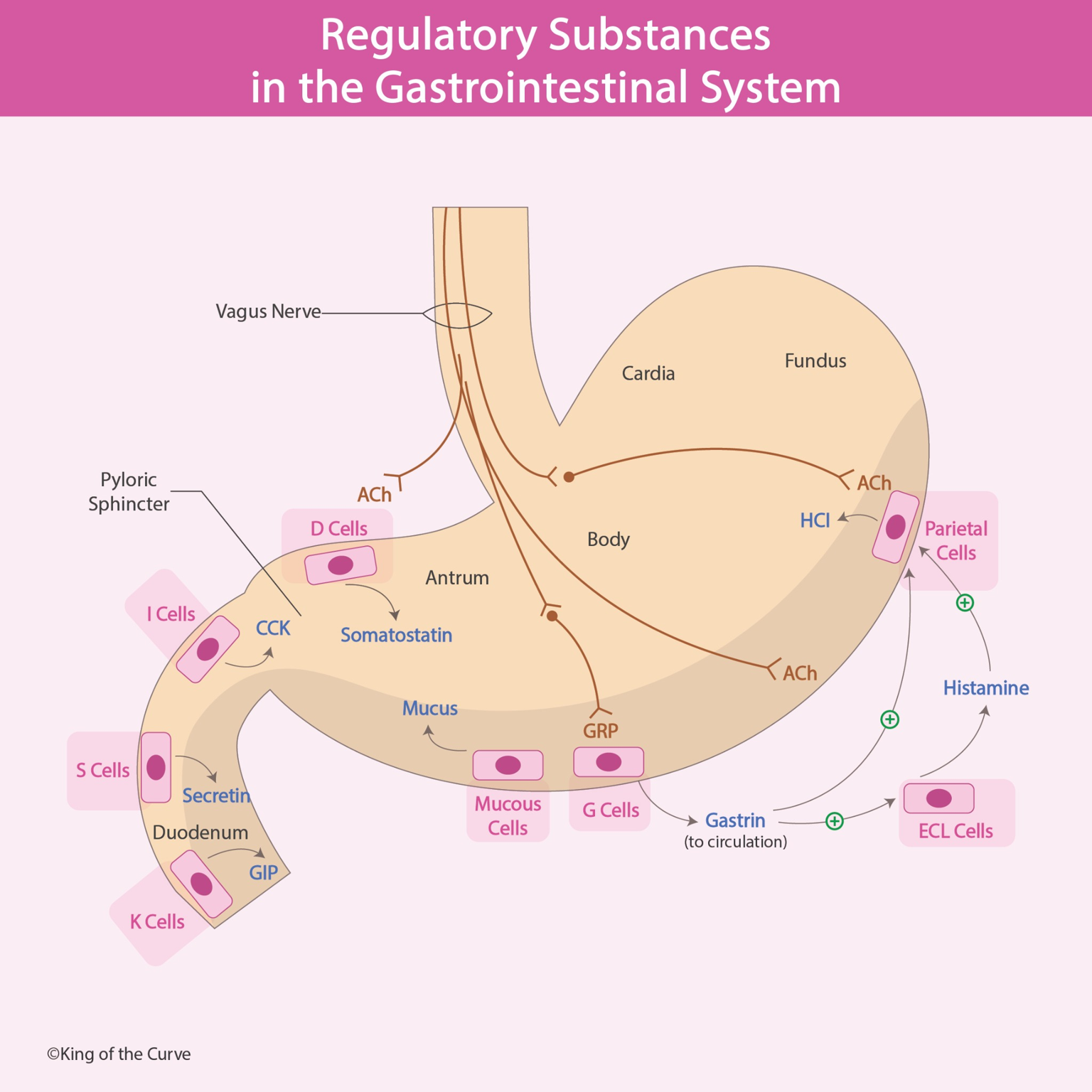
🧠 Regulatory Substances in the Gastrointestinal System
Learn how gastrin, histamine, acetylcholine, somatostatin, secretin, CCK, and GIP regulate gastric acid and digestion.
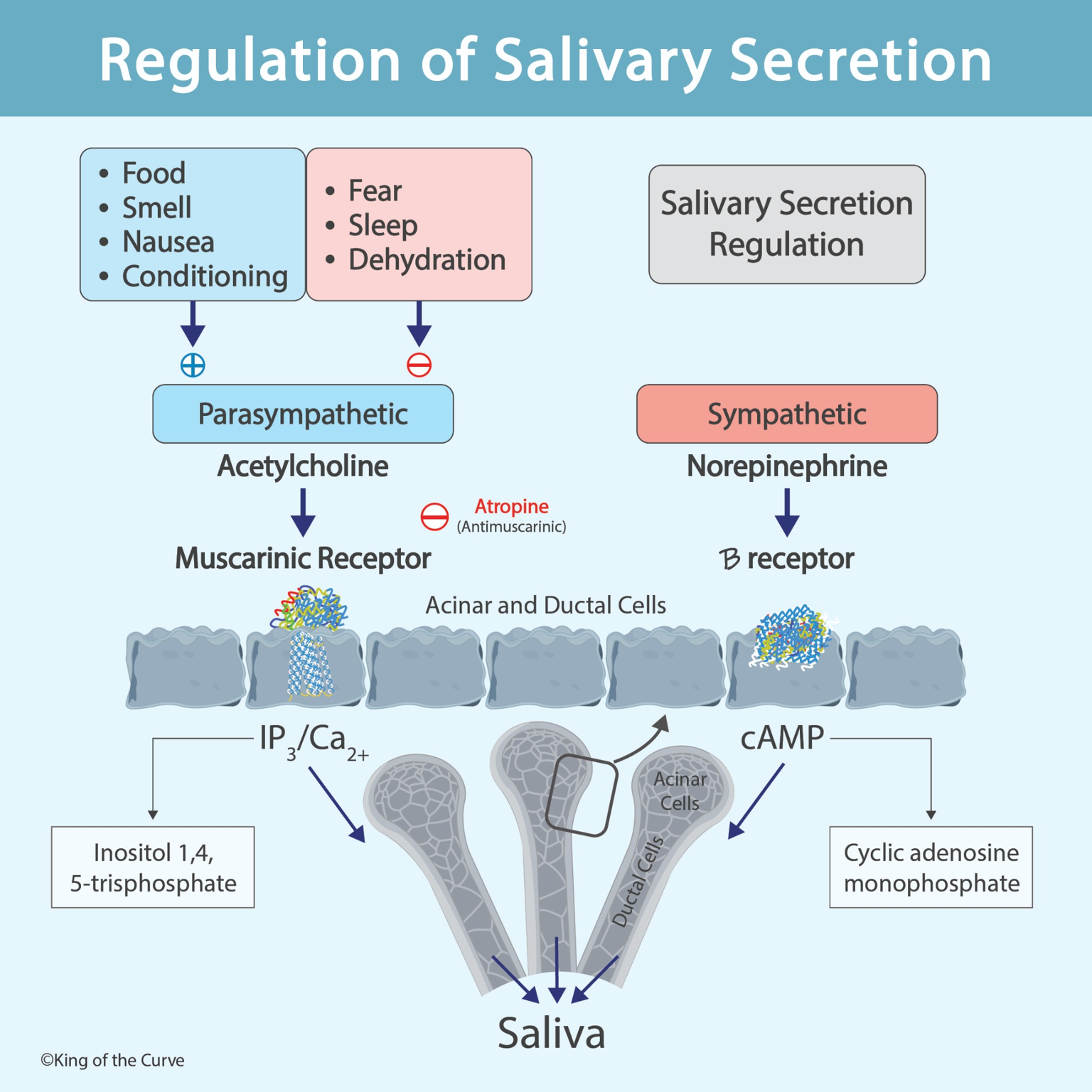
🔹 Introduction: Why Saliva Matters
Learn how parasympathetic and sympathetic pathways regulate salivary secretion through muscarinic and β-adrenergic receptors.
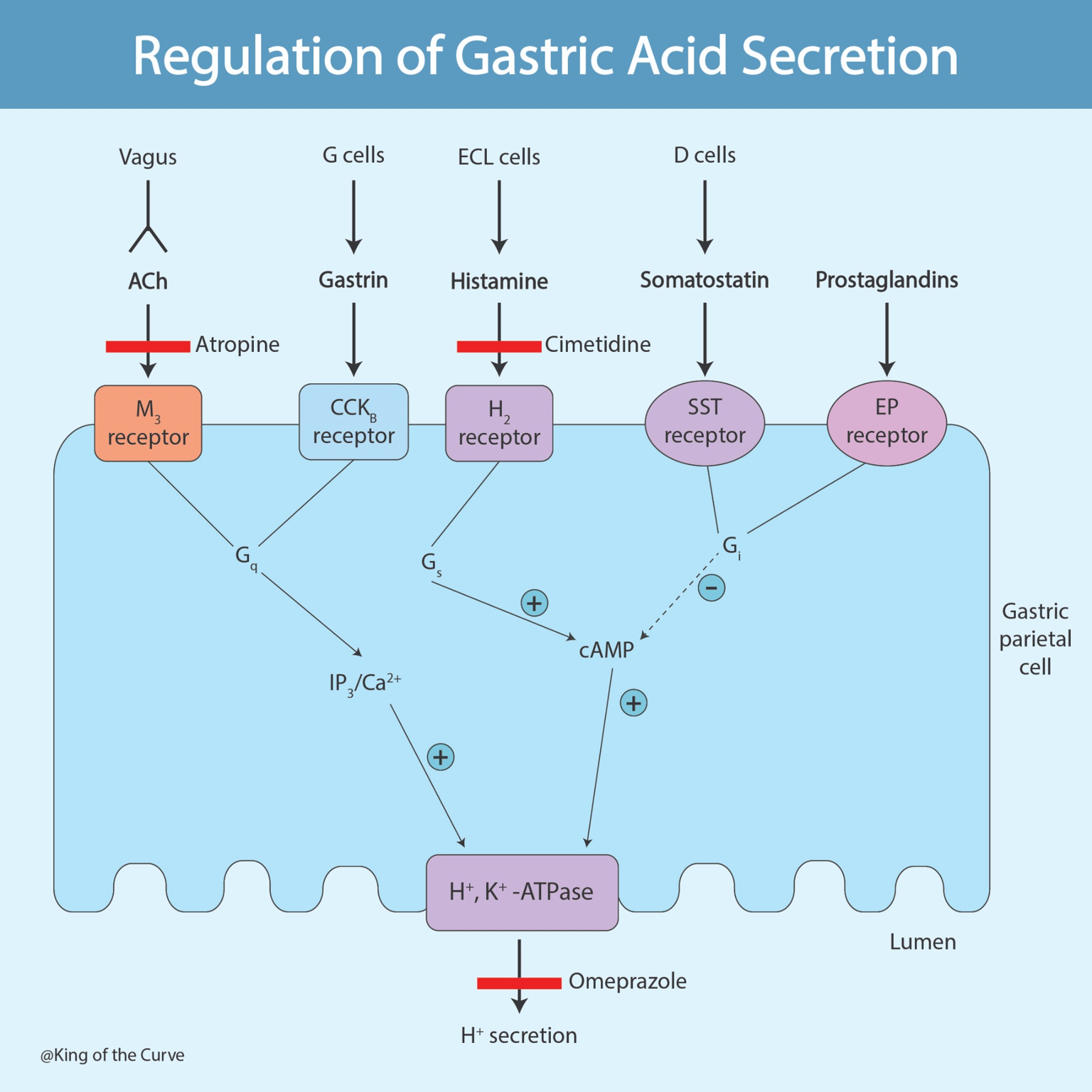
🧪 Regulation of Gastric Acid Secretion
Learn how gastric acid secretion is regulated by acetylcholine, gastrin, histamine, somatostatin, and prostaglandins, plus key drug targets.
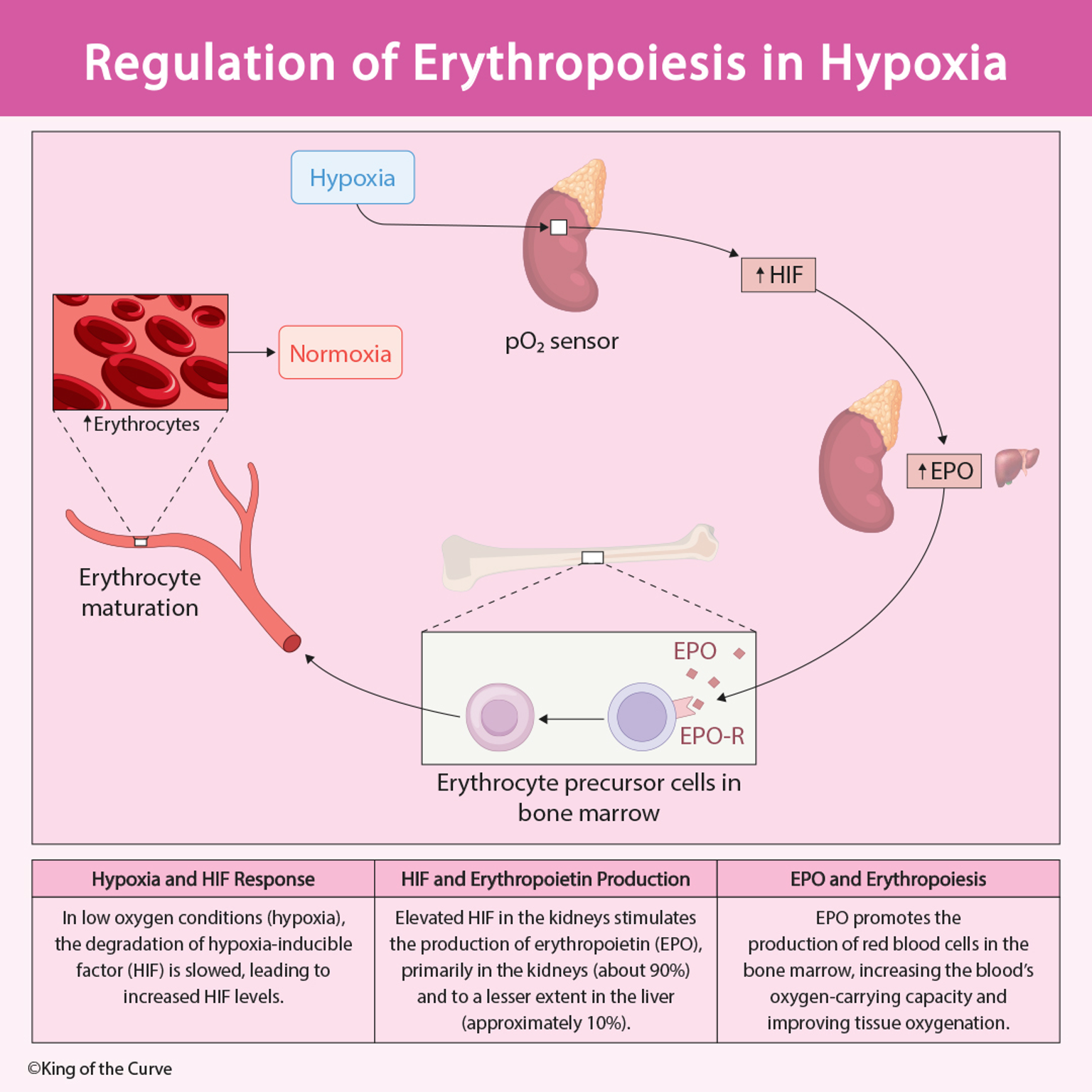
🩸 Regulation of Erythropoiesis in Hypoxia
Learn how hypoxia regulates erythropoiesis through HIF and erythropoietin (EPO). Understand kidney oxygen sensing and red blood cell production.
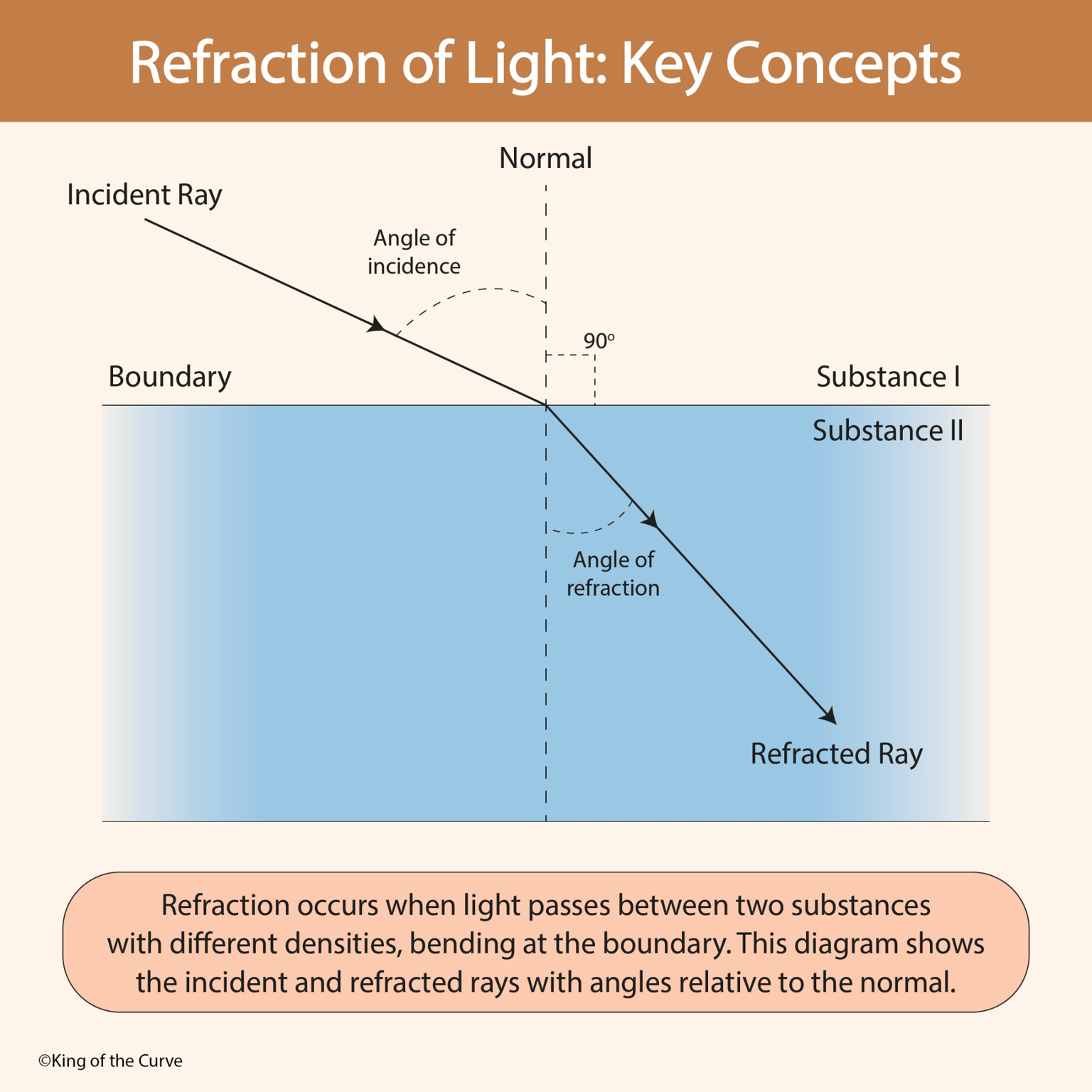
🔎 Refraction of Light: The Physics Concept Every MCAT Student Must Master
Master refraction of light for the MCAT. Learn Snell’s Law, angles of incidence and refraction, and how light bends between media.
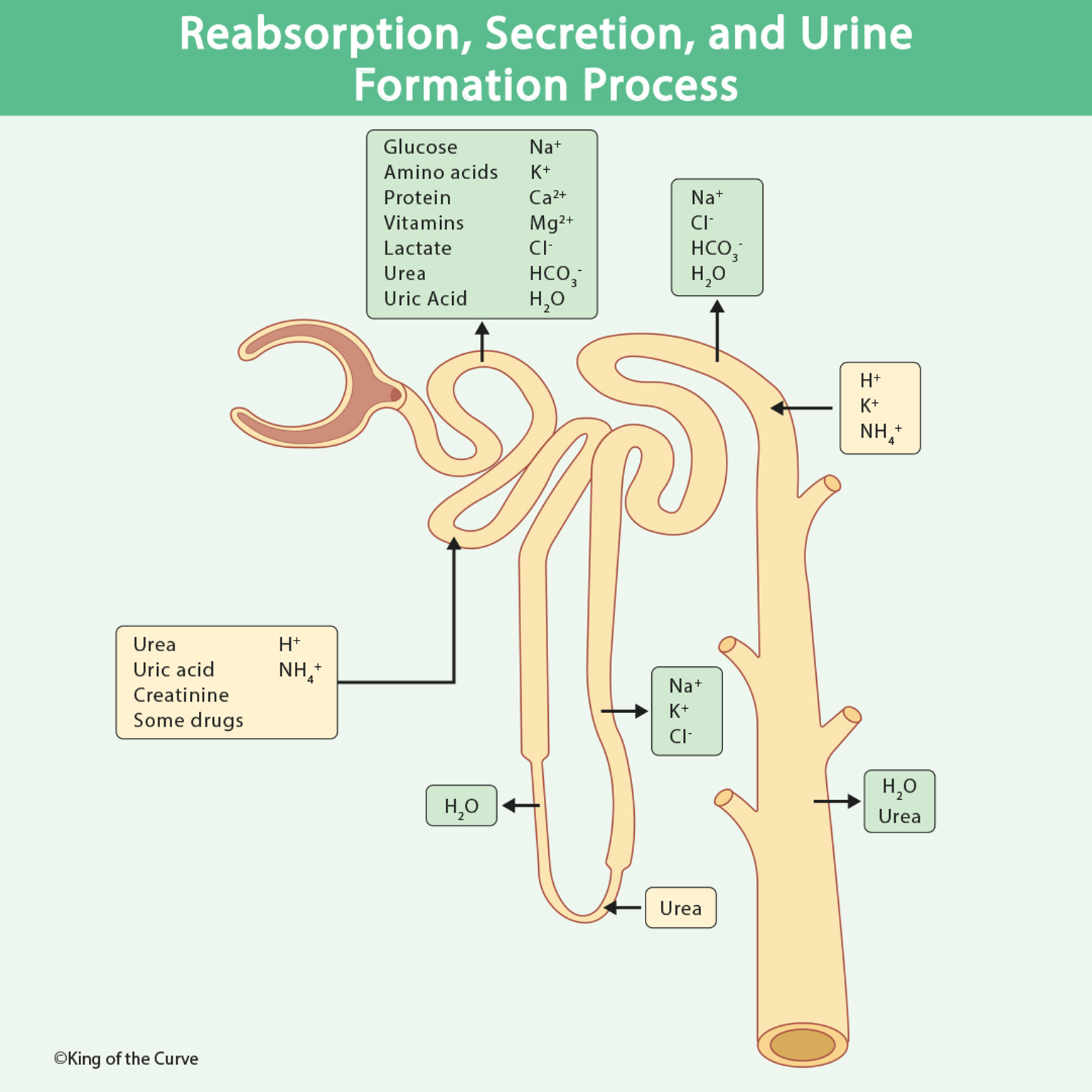
💧 Reabsorption, Secretion, and Urine Formation: The Nephron Process Every MCAT Student Must Know
Learn reabsorption, secretion, and urine formation for the MCAT. Master nephron physiology, filtration, and kidney regulation concepts.
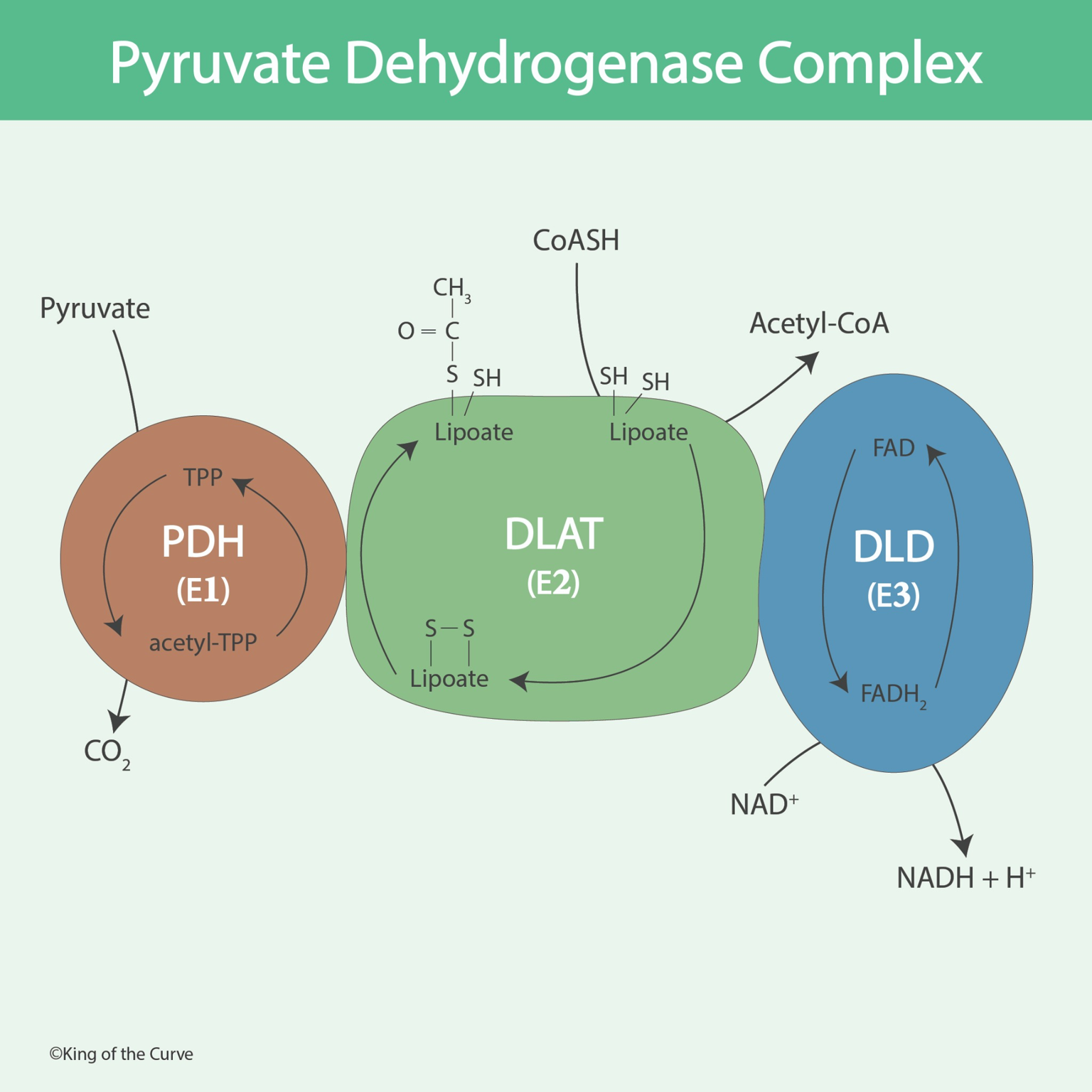
🔥 Pyruvate Dehydrogenase Complex: The Most Tested Metabolism Bridge on the MCAT
Master the Pyruvate Dehydrogenase Complex for the MCAT. Learn E1, E2, E3, cofactors, regulation, and metabolism connections.
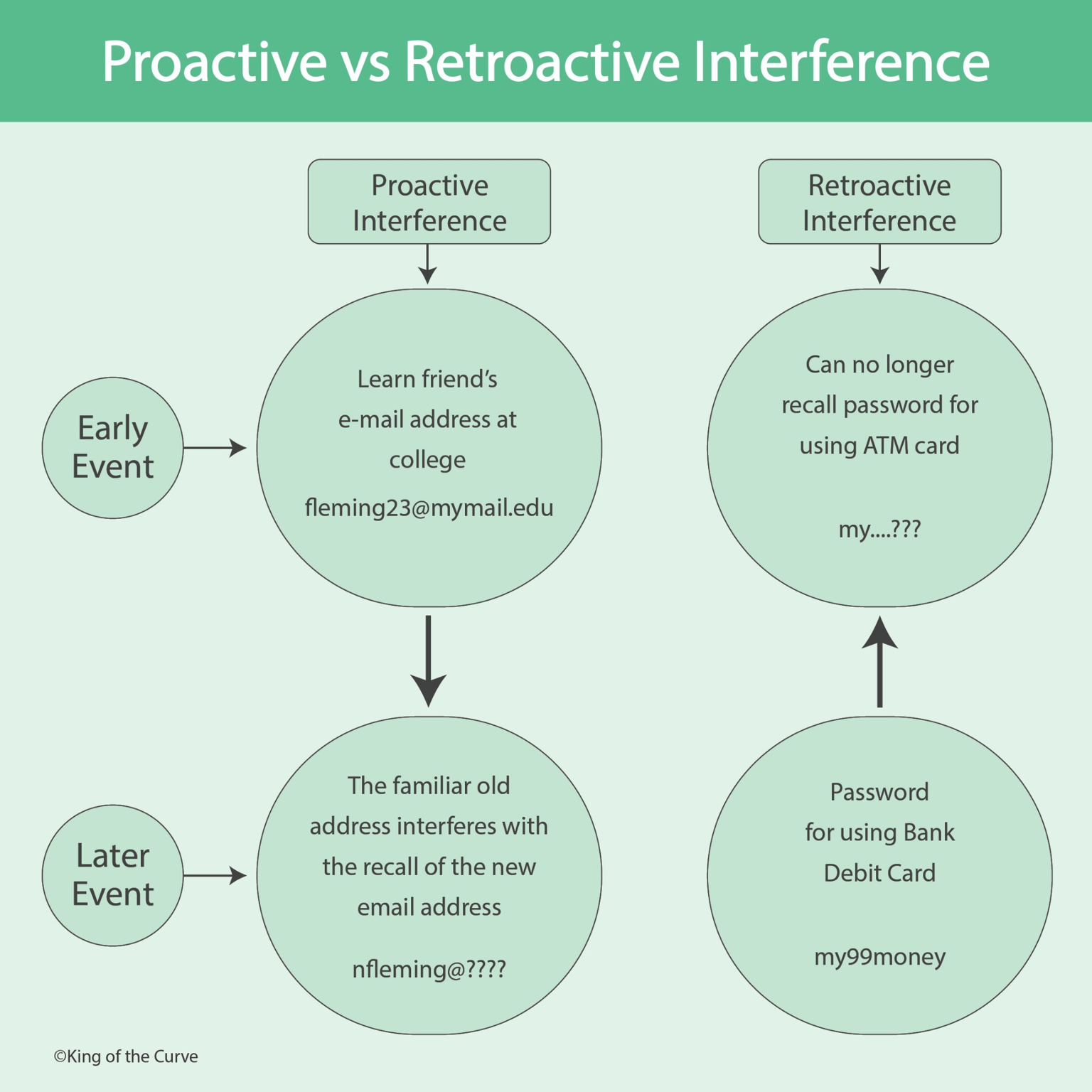
🧠 What Is Interference Theory?
Learn proactive vs retroactive interference for the MCAT. Understand memory interference with clear examples and test-day strategies.

🧠 What Is the Prisoner’s Dilemma?
Learn the Prisoner’s Dilemma for the MCAT. Understand dominant strategy, rational choice theory, and how this concept appears in Psych/Soc passages.
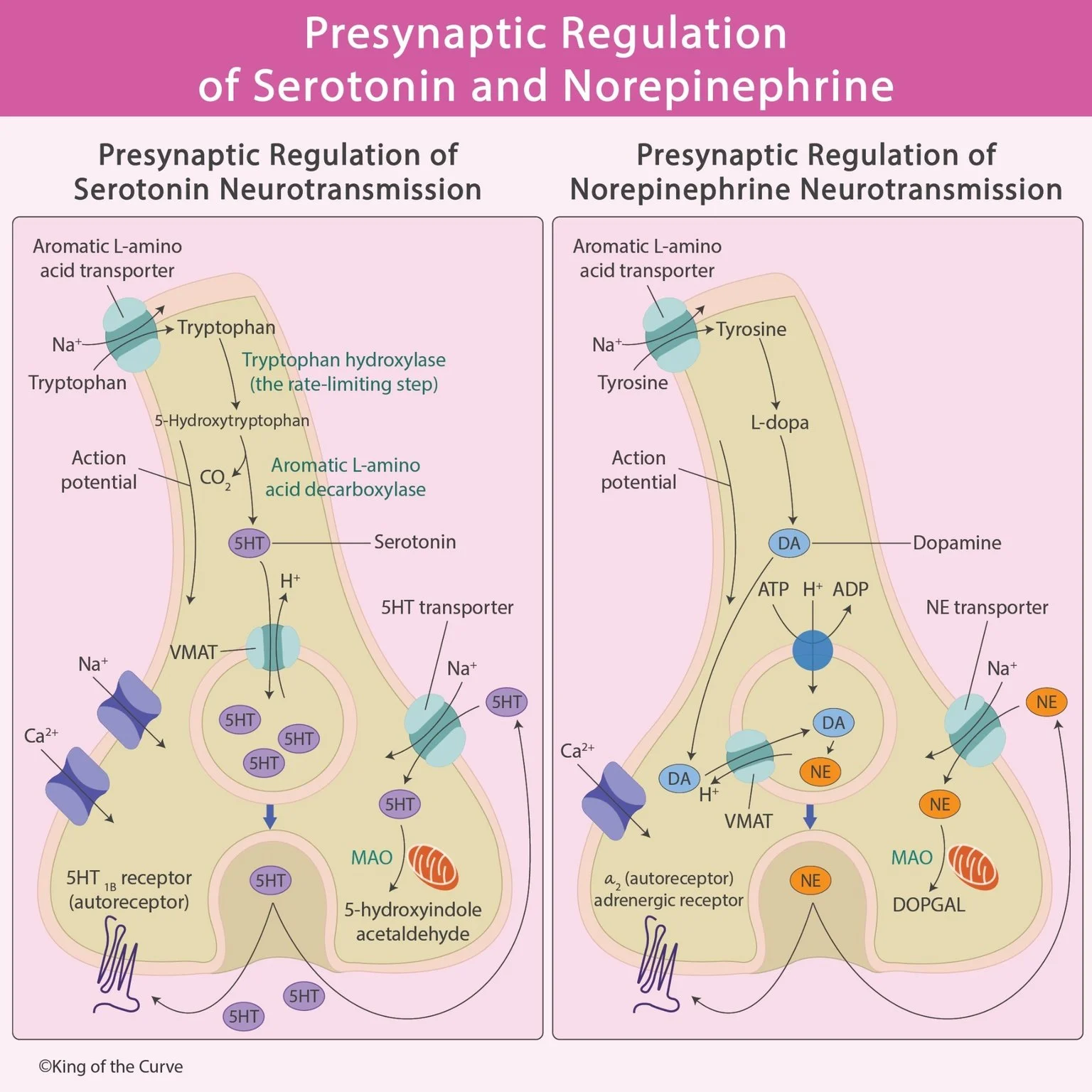
🧠 Presynaptic Regulation of Serotonin and Norepinephrine
Learn how serotonin and norepinephrine are regulated at the presynaptic neuron, including synthesis, release, reuptake, autoreceptors, and MAO metabolism.
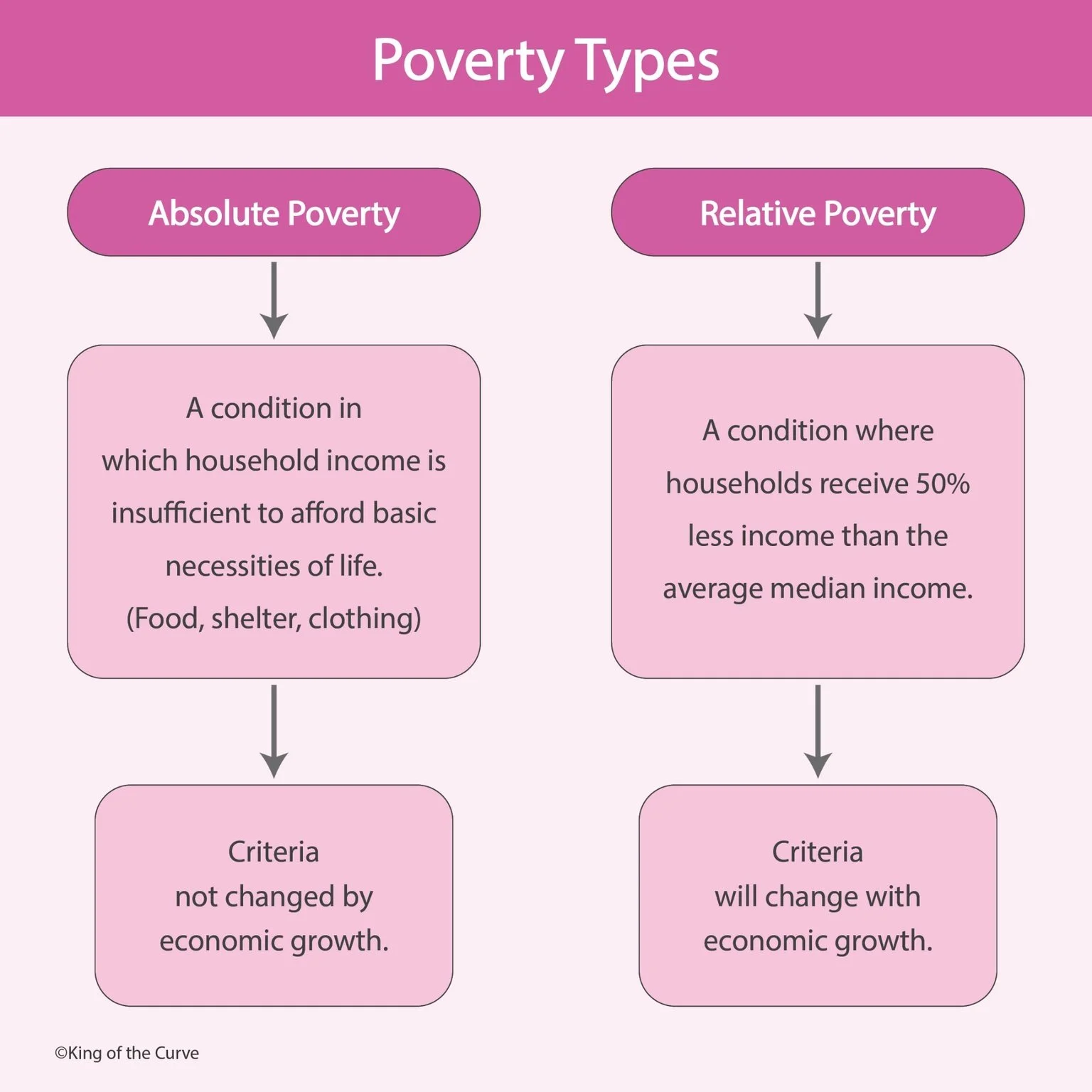
🌍 Poverty Types: Understanding Absolute vs Relative Poverty
Learn the difference between absolute and relative poverty, their definitions, key characteristics, and how economic growth affects each type. Simple comparison table included.
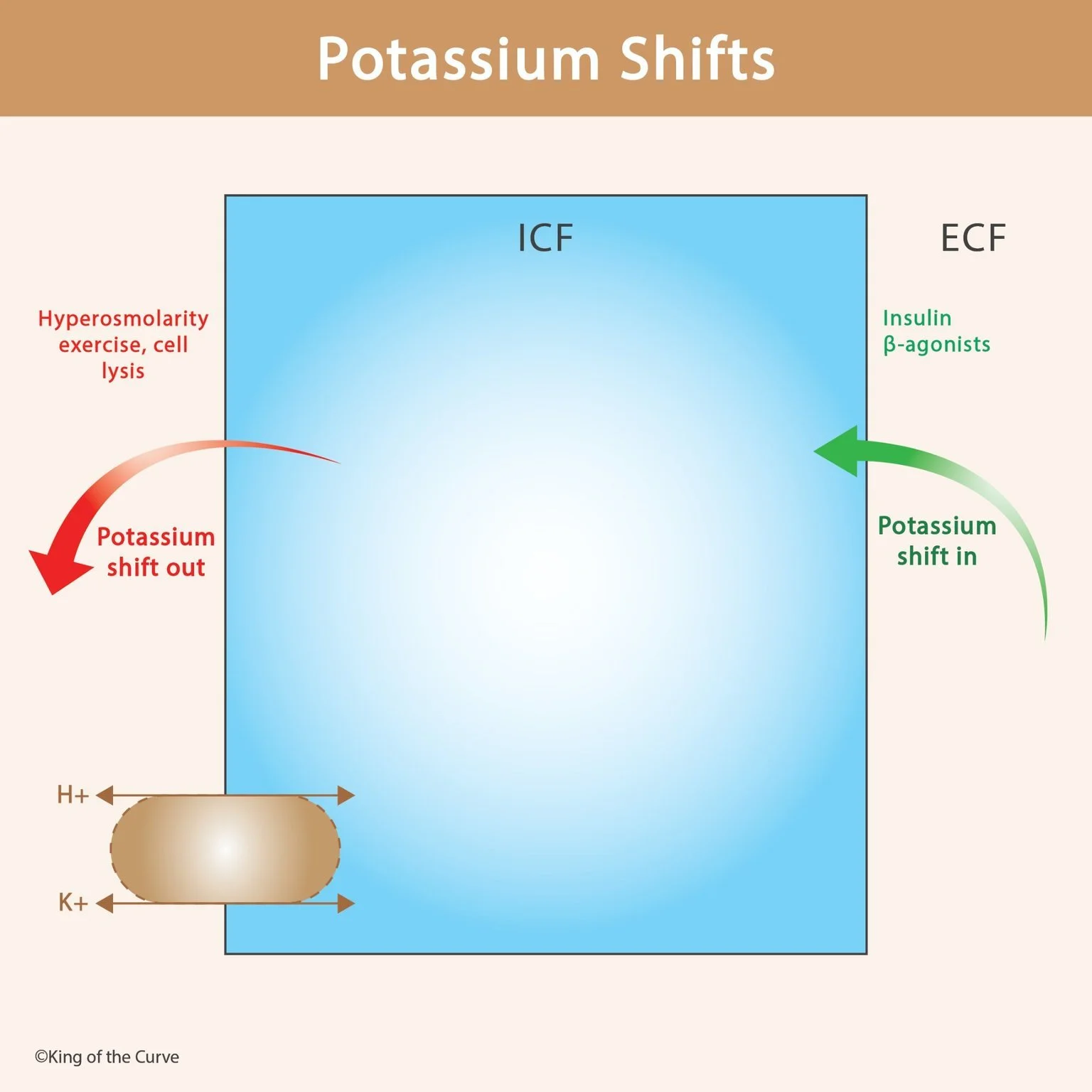
Potassium Shifts: Movement Between ICF and ECF
Learn how potassium shifts between ICF and ECF cause hyperkalemia and hypokalemia. Understand insulin, β-agonists, acidosis, and cell lysis effects.
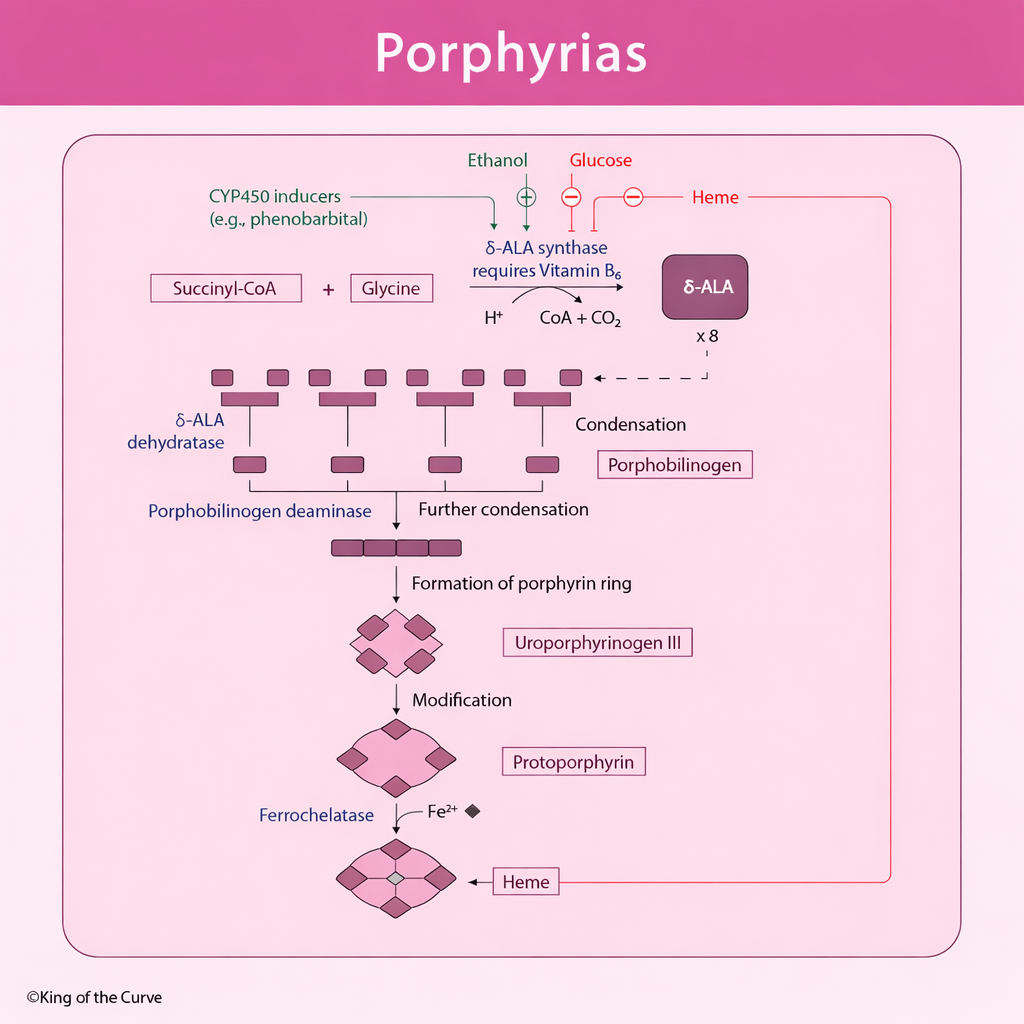
🧬 Porphyrias: Understanding Disorders of Heme Synthesis
Learn the heme synthesis pathway, enzyme defects, regulation of δ-ALA synthase, and how porphyrias cause neurovisceral and cutaneous symptoms.
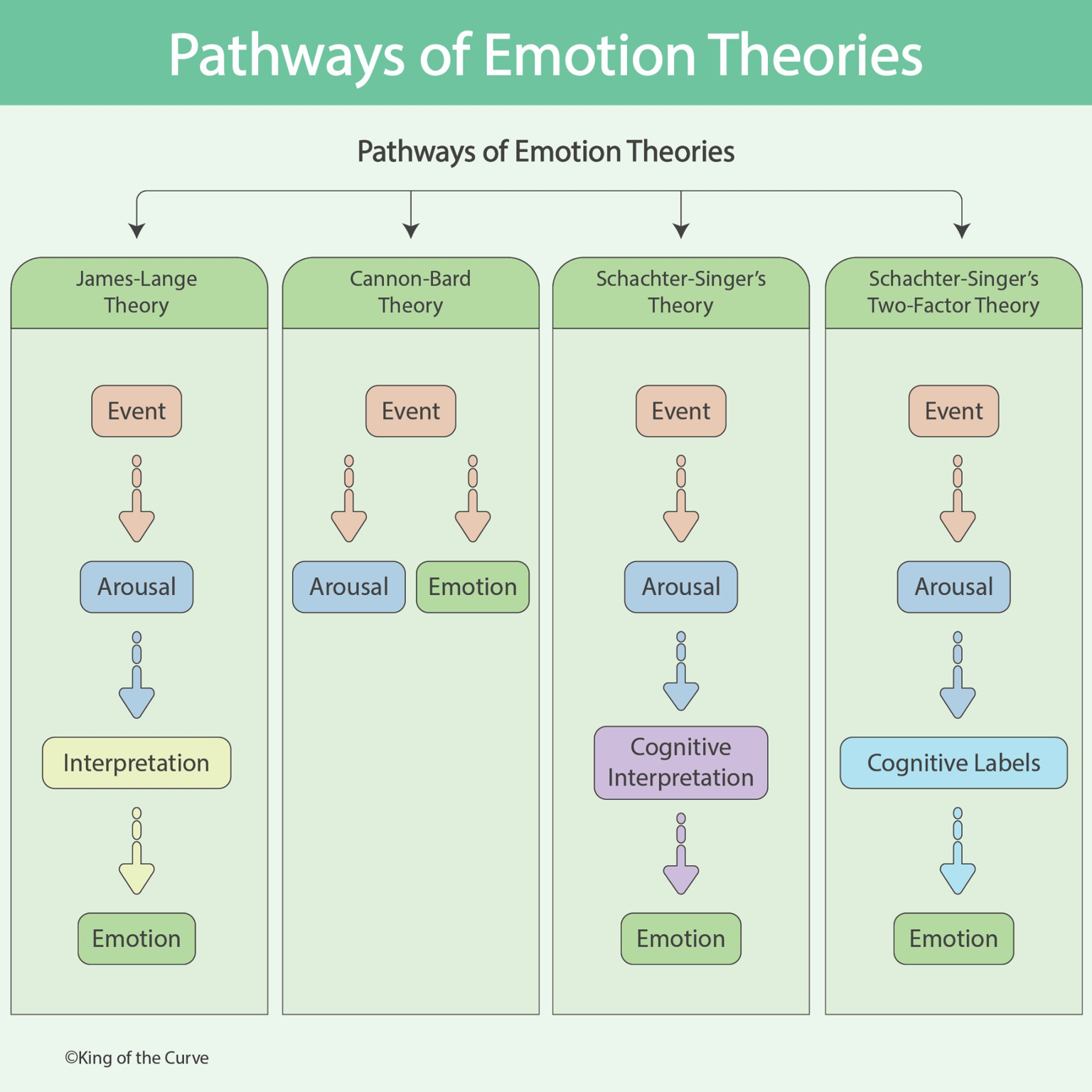
🧠 Pathways of Emotion Theories: How Do We Actually Feel Emotions?
Learn the major pathways of emotion theories including James-Lange, Cannon-Bard, and Schachter-Singer’s Two-Factor Theory. Understand how arousal, cognition, and emotion interact in each model.
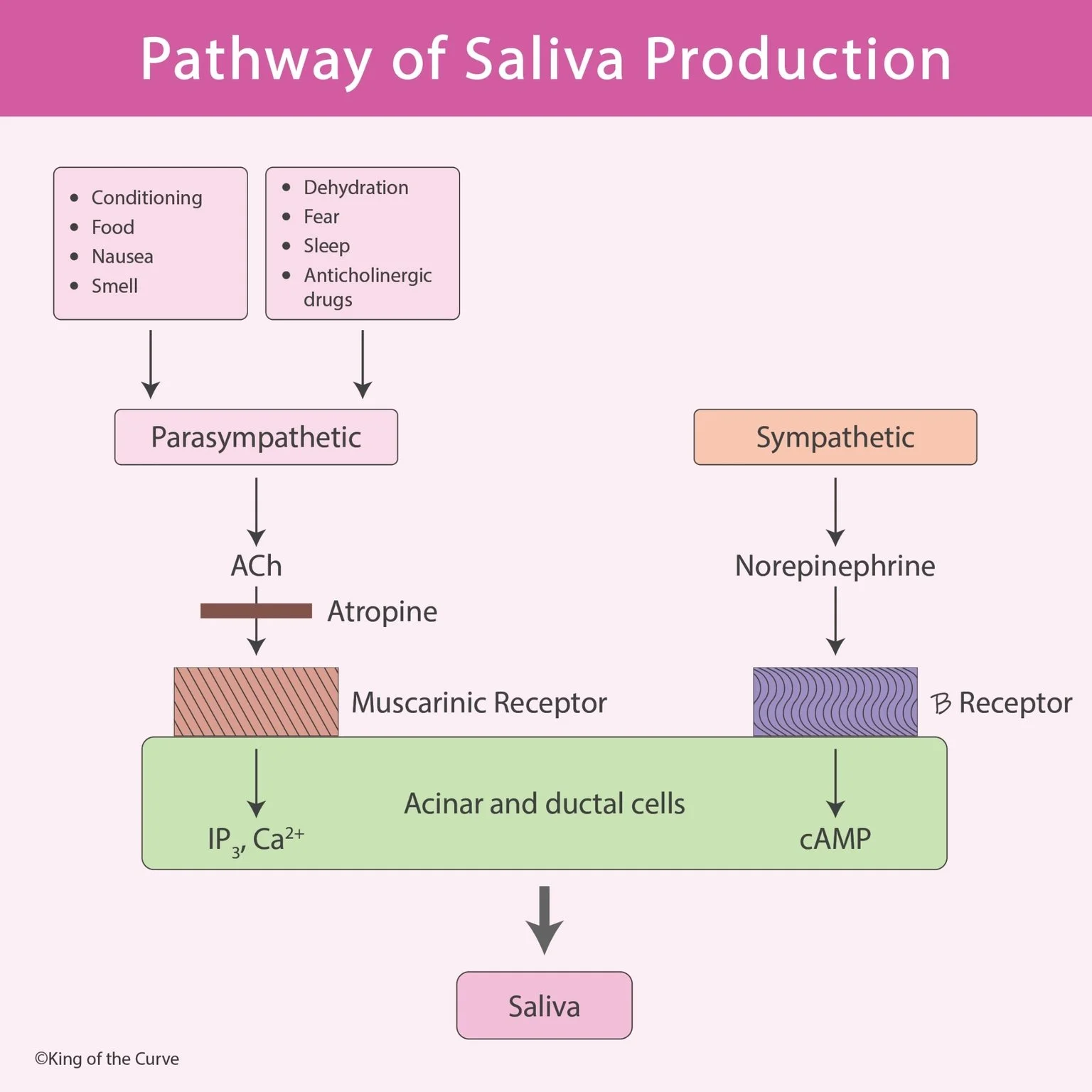
🧠 Pathway of Saliva Production: Parasympathetic vs Sympathetic Control
Learn the pathway of saliva production and how parasympathetic (ACh) and sympathetic (norepinephrine) stimulation regulate salivary secretion through IP₃/Ca²⁺ and cAMP signaling.