
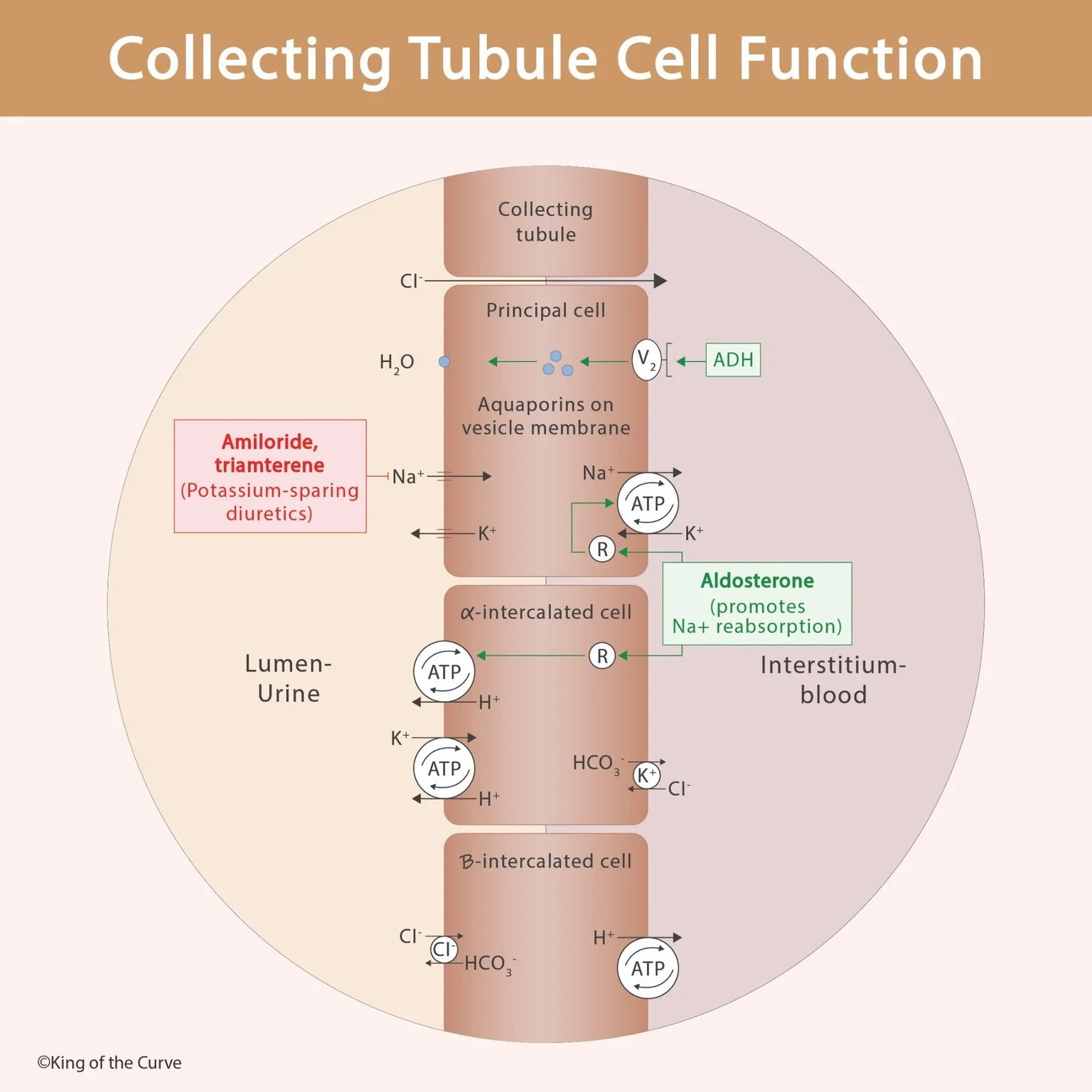
🚰 Collecting Tubule Cell Function Explained: ADH, Aldosterone, and Diuretics
Learn how the collecting tubule regulates water, sodium, potassium, and pH through ADH, aldosterone, and potassium-sparing diuretics.
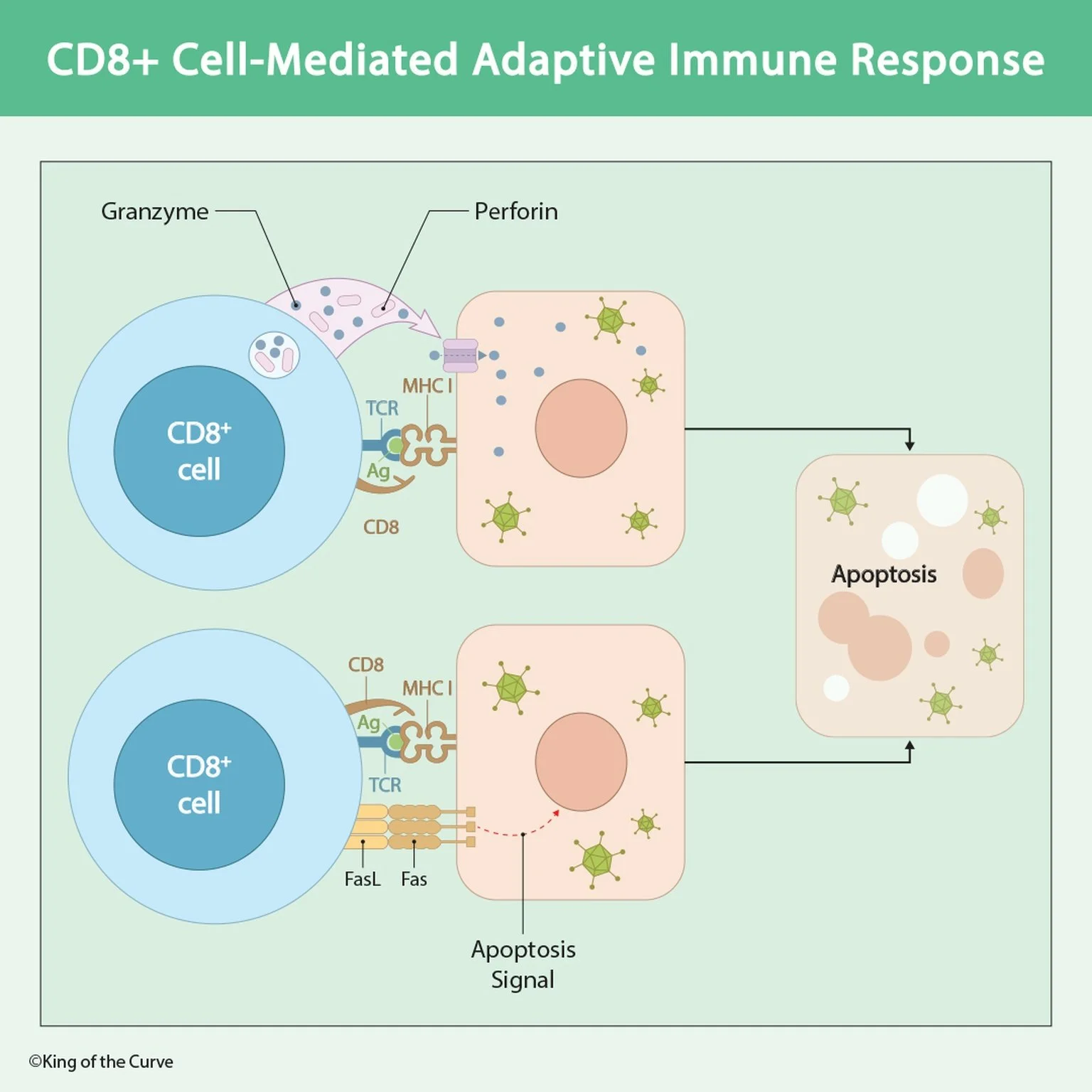
🧬 CD8+ Cell-Mediated Adaptive Immune Response: How Cytotoxic T Cells Kill Infected Cells
Learn how CD8+ cytotoxic T cells recognize MHC I and kill infected cells using perforin, granzyme, and Fas-FasL apoptosis pathways.
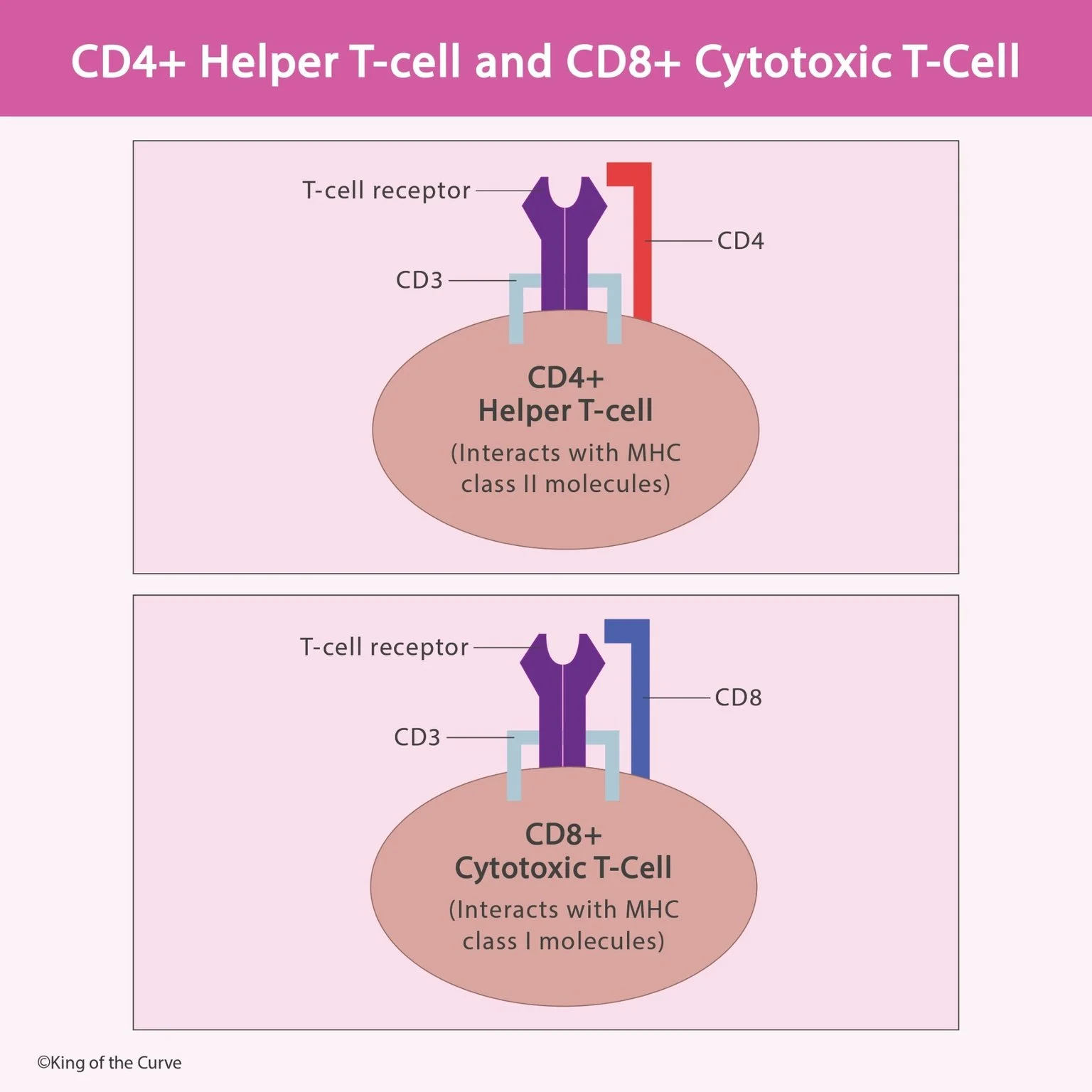
🧬 CD4+ Helper T Cells vs CD8+ Cytotoxic T Cells: The Immune System’s Power Duo (MCAT Guide)
Learn the difference between CD4+ helper and CD8+ cytotoxic T cells, their MHC interactions, and high-yield MCAT immunology tips.
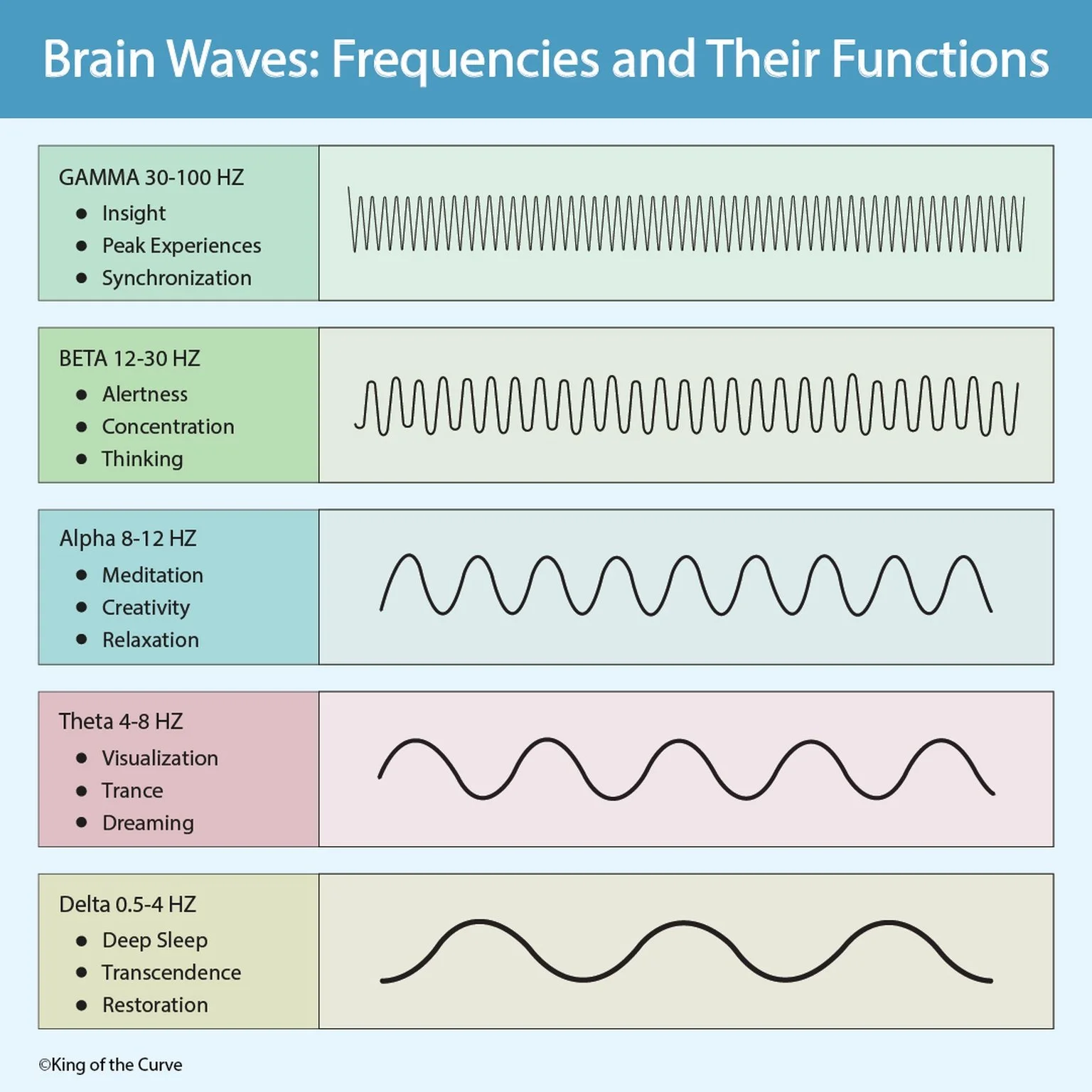
🧠 Brain Waves Explained: Frequencies and Their Functions (MCAT EEG Guide)
Learn the five major brain waves gamma, beta, alpha, theta, and delta with EEG frequency ranges, functions, and high-yield MCAT tips.
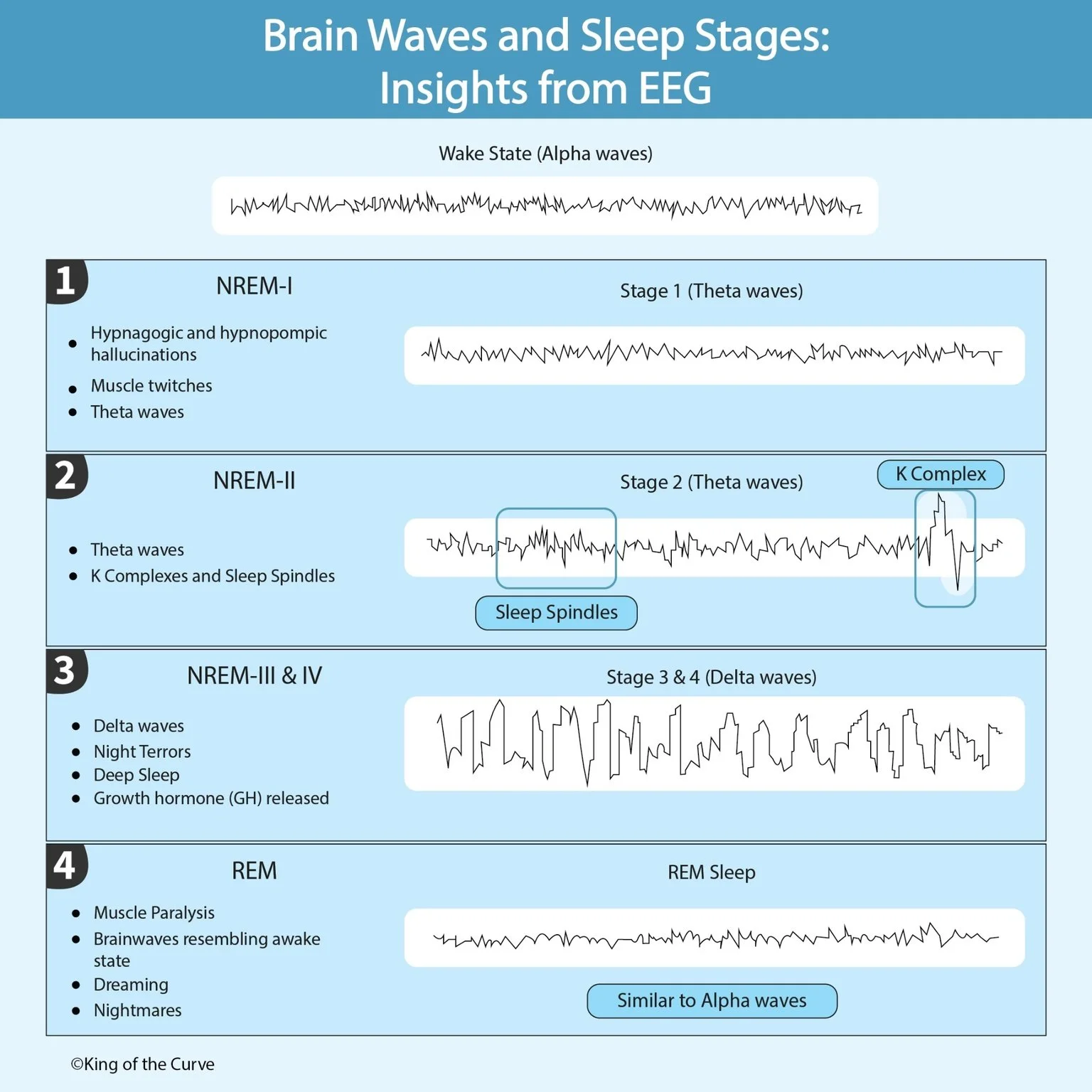
🧠 Brain Waves and Sleep Stages
Learn EEG brain waves across sleep stages alpha, theta, delta, REM plus high-yield MCAT tips to recognize sleep spindles and K complexes fast.
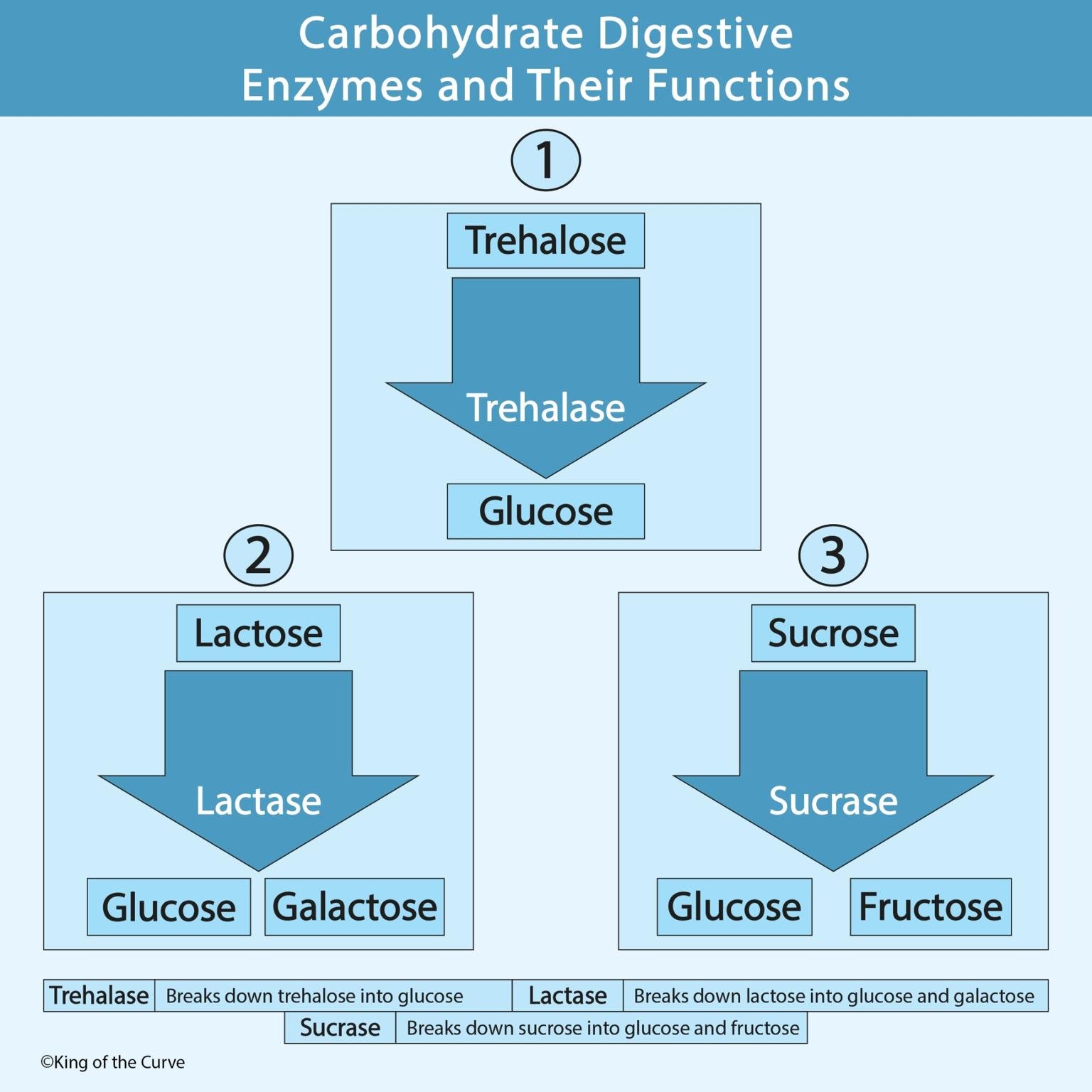
🍞 Carbohydrate Digestive Enzymes and Their Functions
Learn about key carbohydrate digestive enzymes trehalase, lactase, and sucrase the sugars they break down, the products formed, and their clinical importance in digestion.
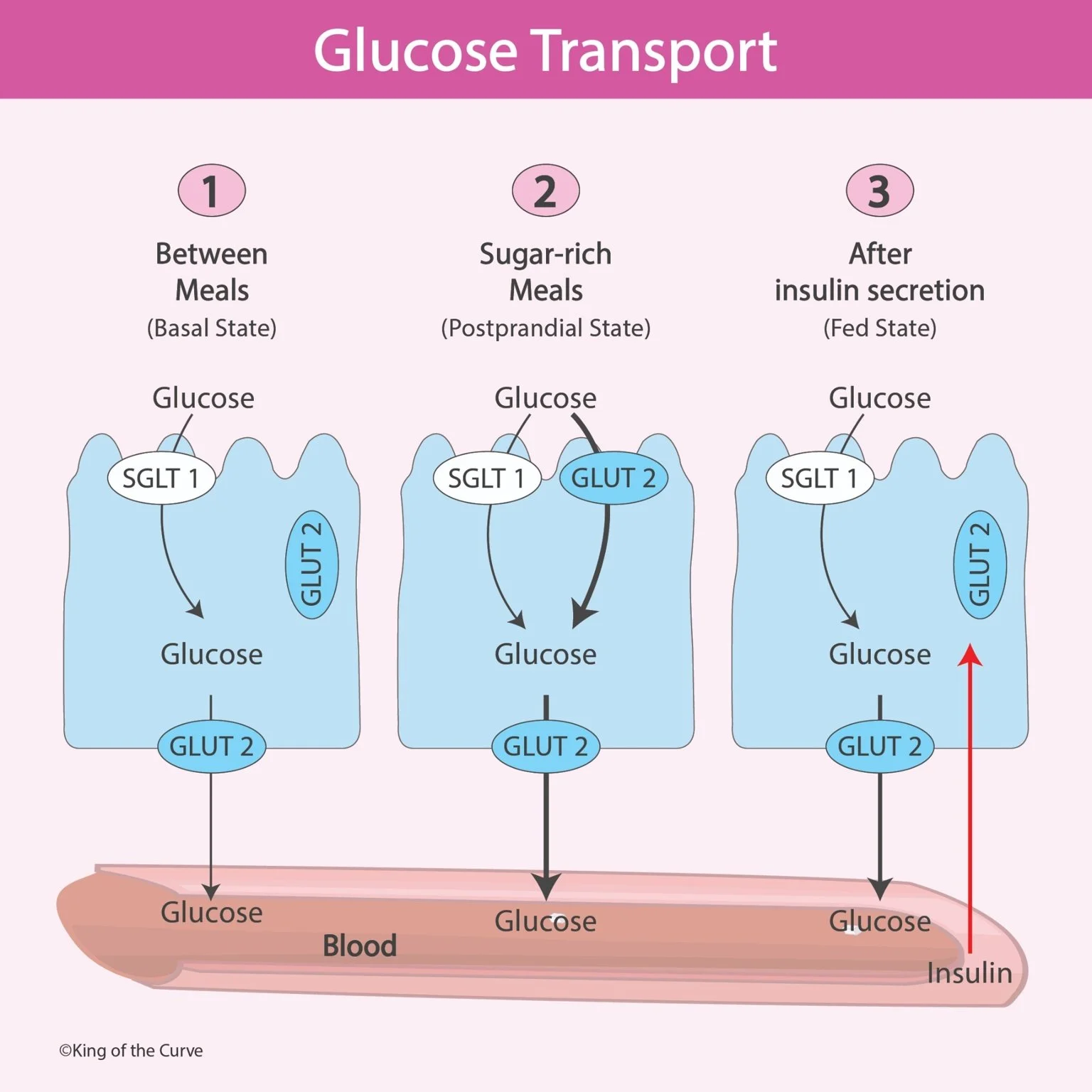
🍬 Glucose Transport in the Intestinal Epithelium
Learn how glucose is absorbed in the intestine during fasting, postprandial, and fed states. Understand the roles of SGLT1, GLUT2, and insulin in glucose transport.
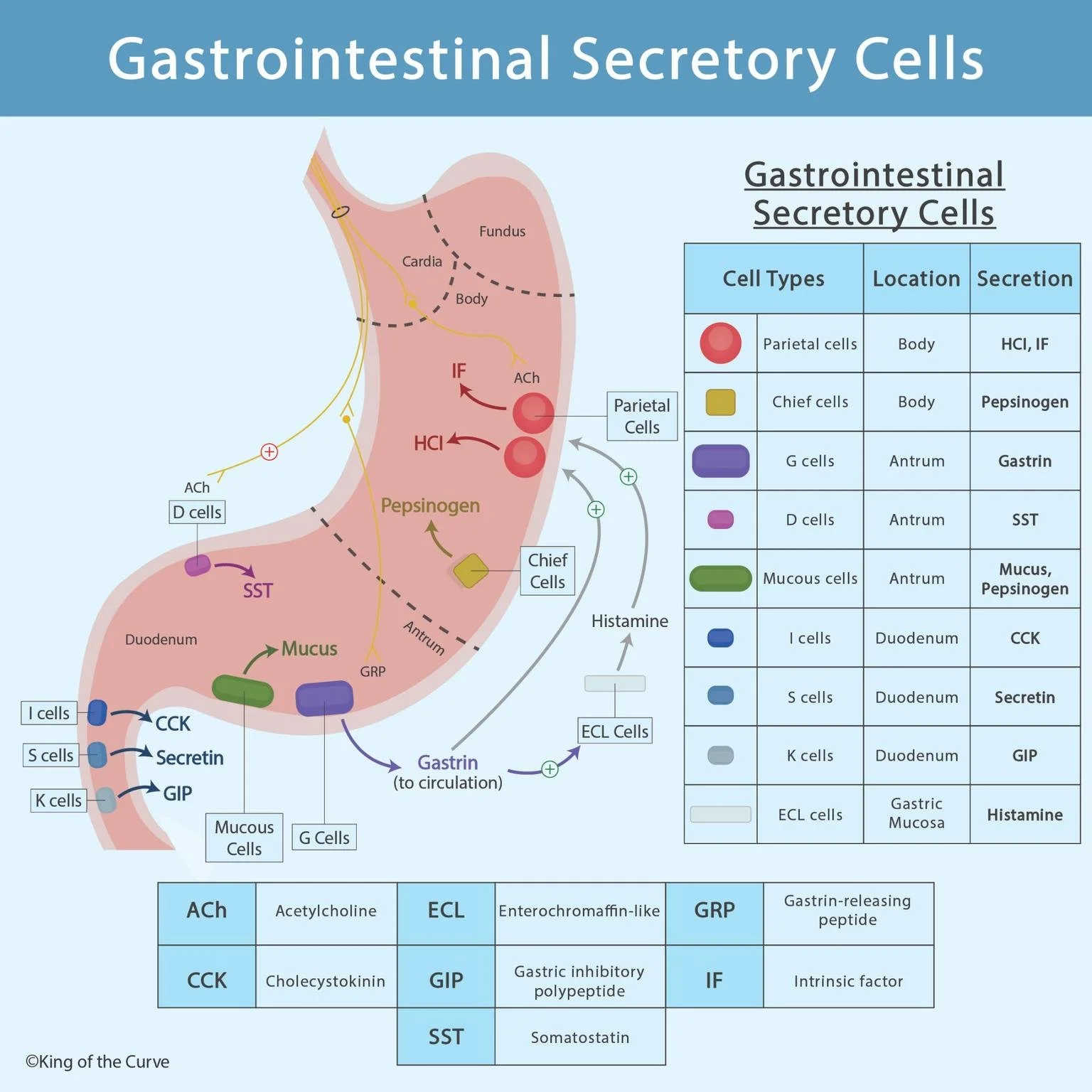
🧠 Gastrointestinal Secretory Cells: An Integrated Overview
Learn about gastrointestinal secretory cells, their locations, hormones, and functions including gastrin, secretin, CCK, histamine, and more.
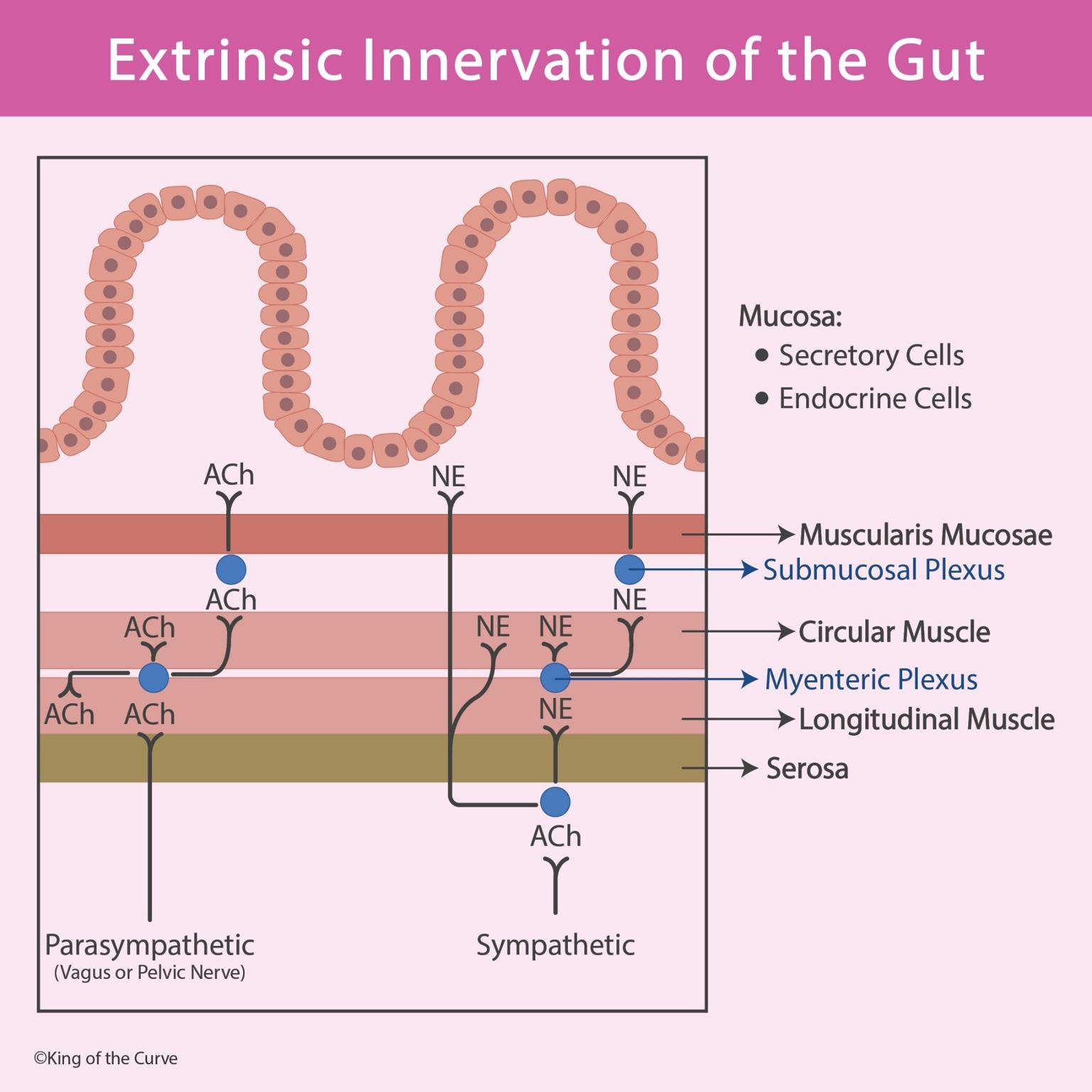
🧠 Extrinsic Innervation of the Gut
Learn how extrinsic innervation regulates gut function. Compare parasympathetic and sympathetic effects on motility, secretion, blood flow, and enteric plexuses.

✝️ Examples of Christian Sects: An Overview
Learn about the major Christian sects, including Early Christianity, Eastern and Western Christianity, and Protestant movements. A clear and simple overview.
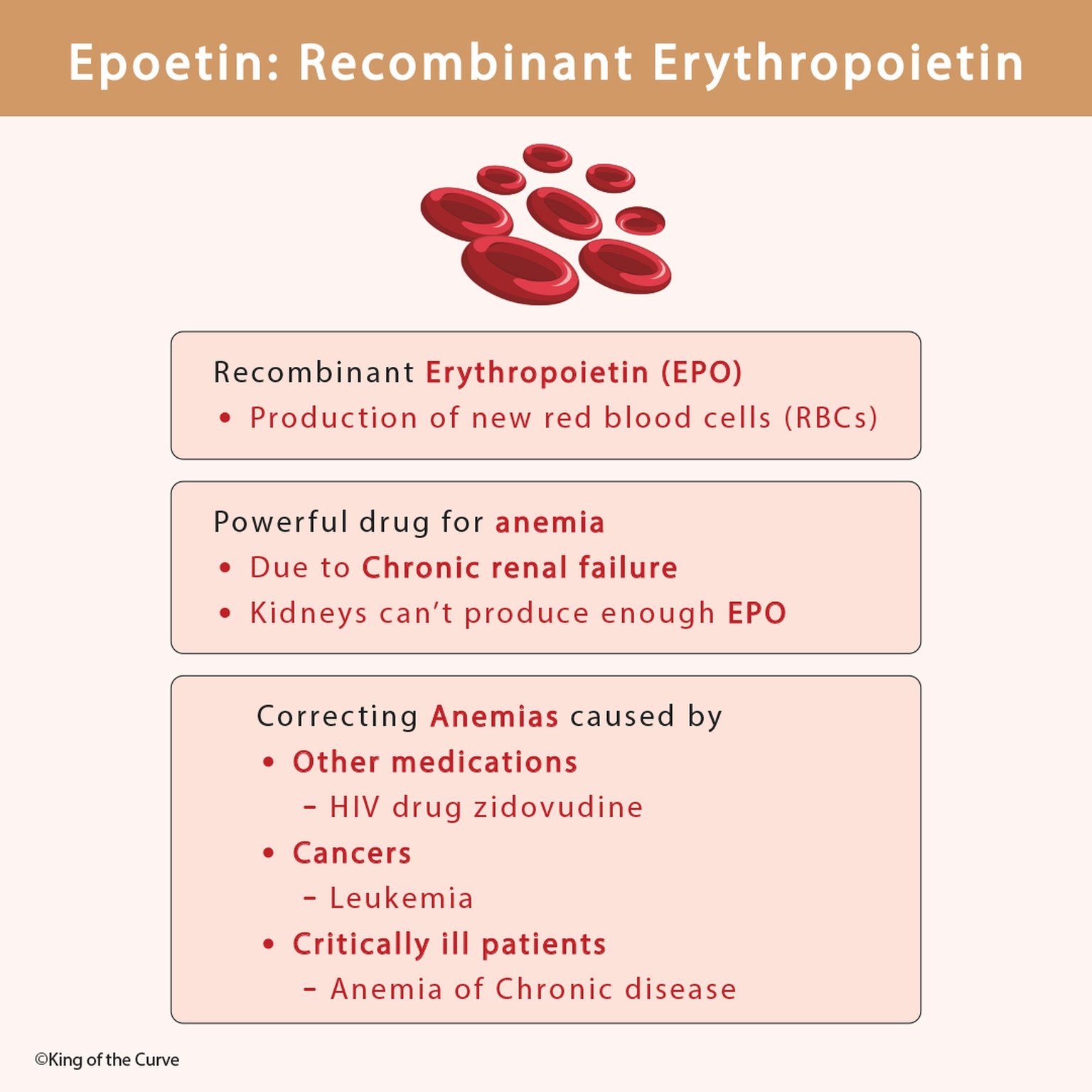
🩸 Epoetin: Recombinant Erythropoietin (EPO)
Epoetin is a recombinant form of erythropoietin used to treat anemia, especially in chronic kidney disease. Learn its mechanism, uses, and clinical indications.
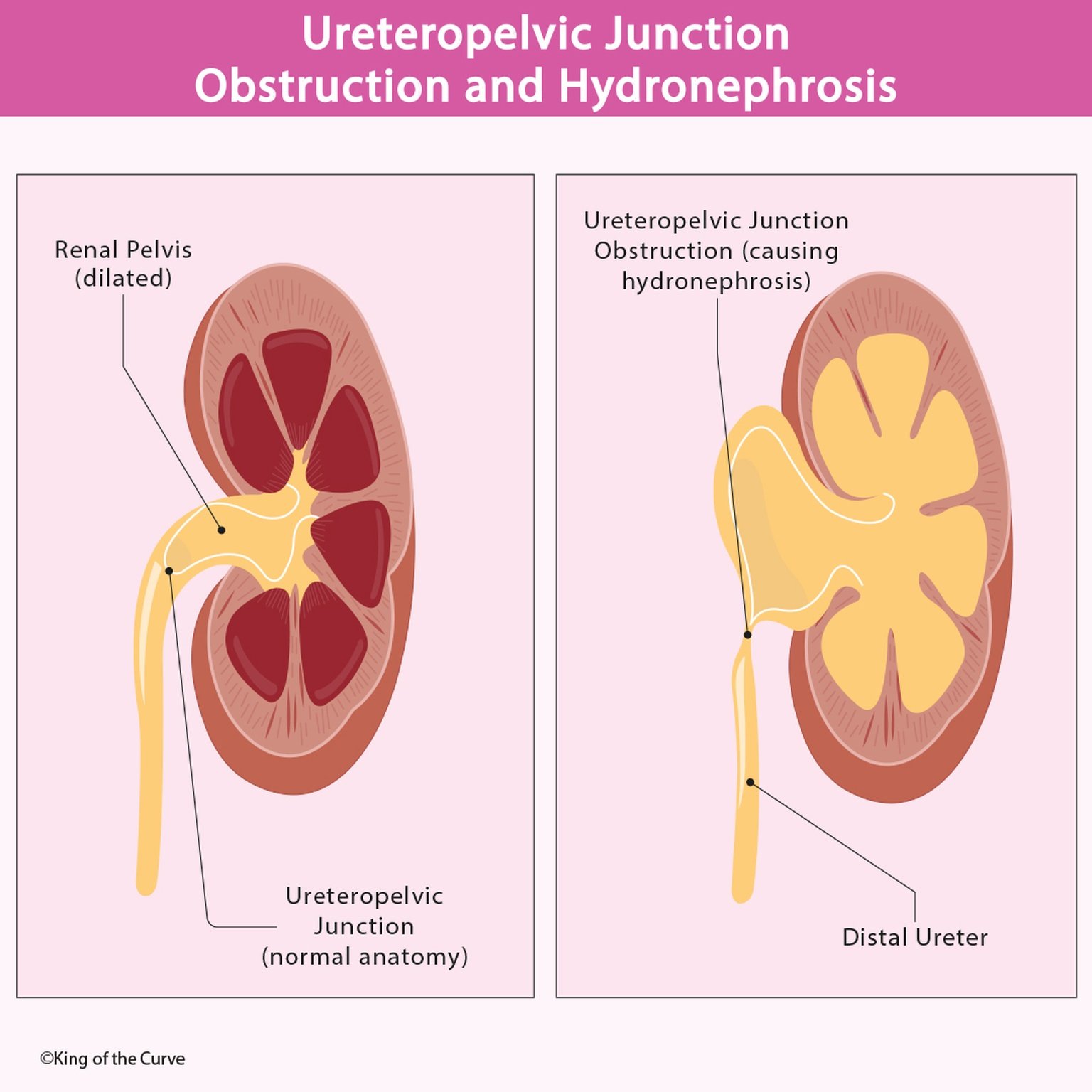
🚑 Ureteropelvic Junction Obstruction and Hydronephrosis
Learn what ureteropelvic junction (UPJ) obstruction is, how it causes hydronephrosis, key anatomical changes, symptoms, diagnosis, and treatment options explained with clear visuals.
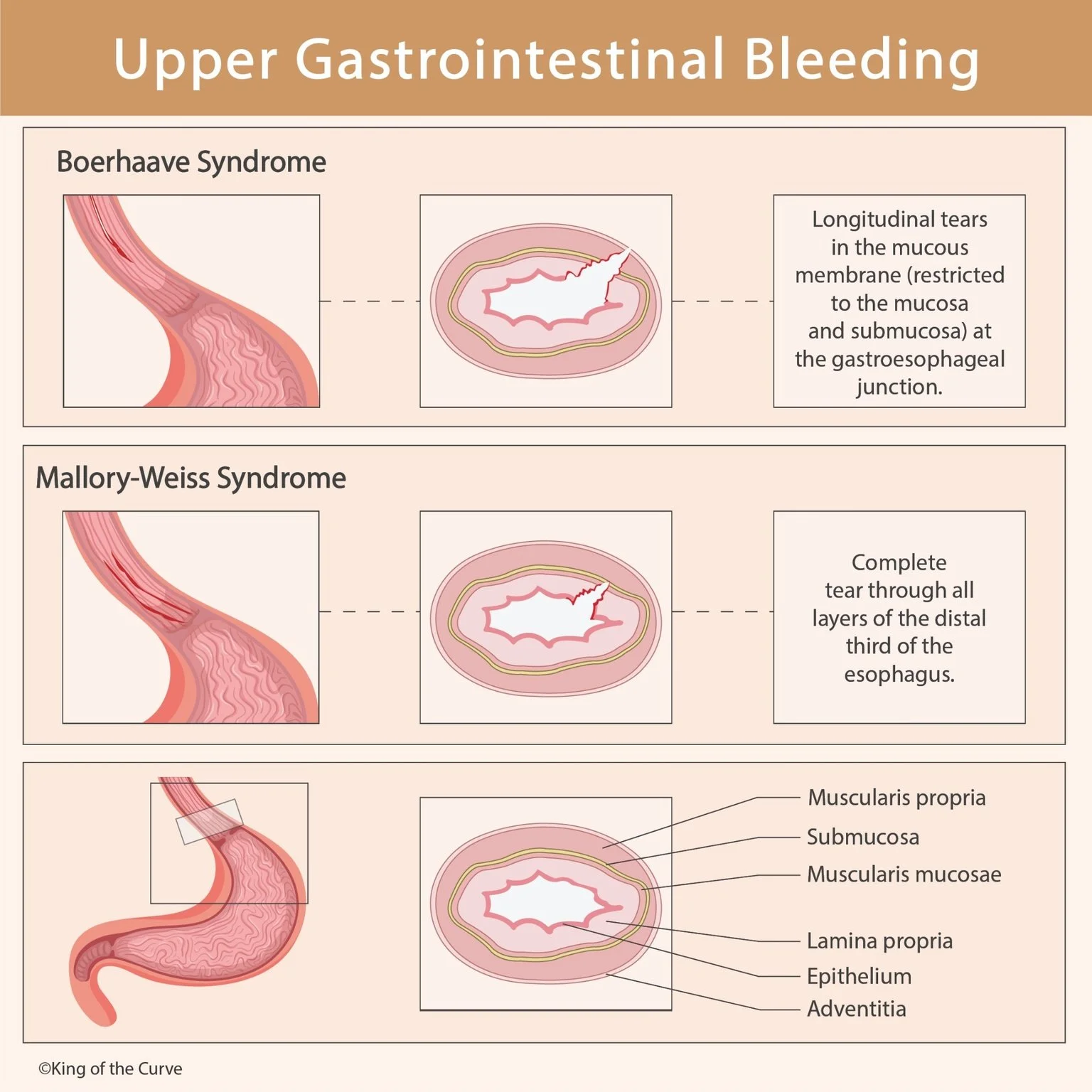
Upper Gastrointestinal Bleeding: Boerhaave vs Mallory-Weiss Syndrome
Learn the key differences between Mallory-Weiss and Boerhaave syndrome, including tear depth, symptoms, diagnosis, and treatment in upper GI bleeding.
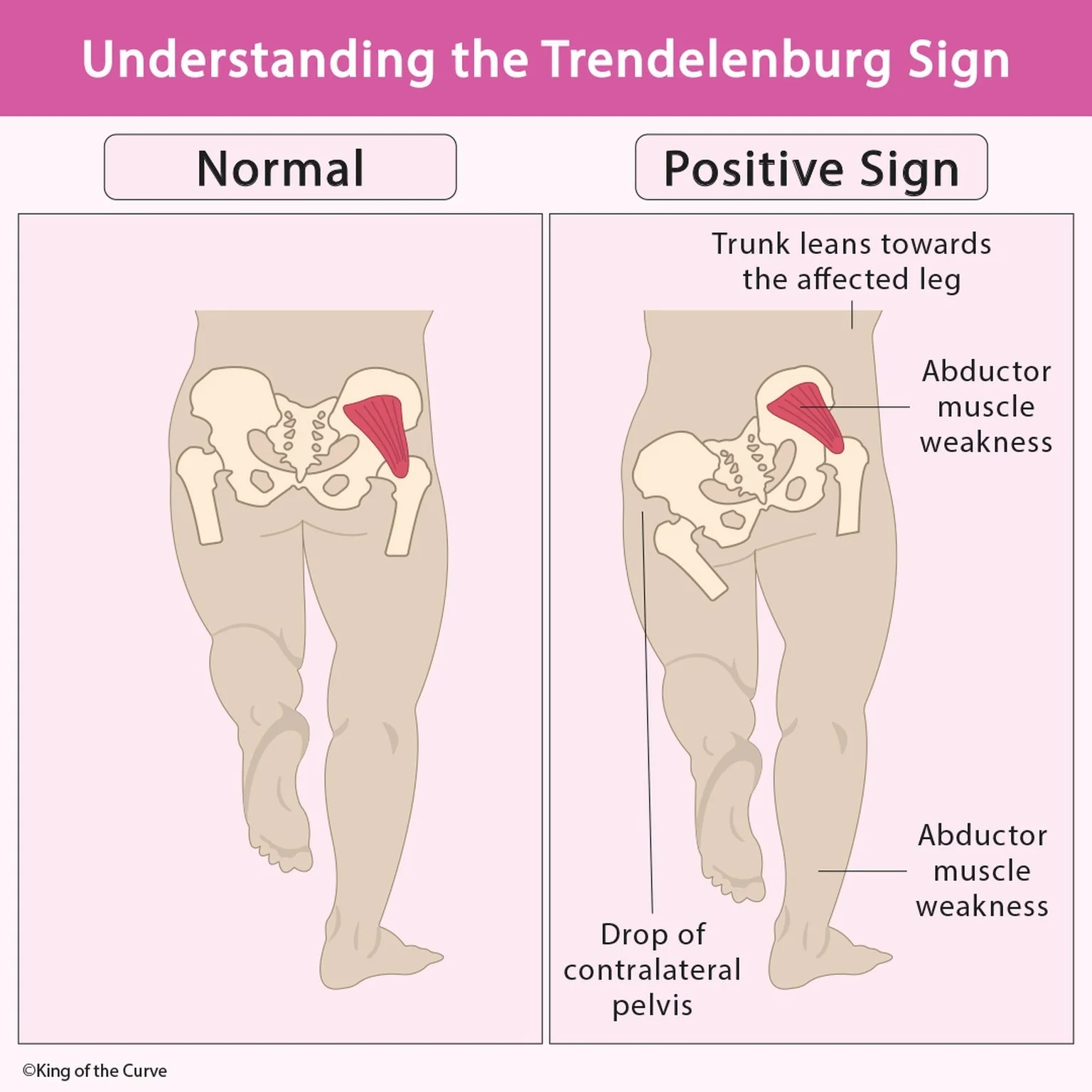
🦵 Understanding the Trendelenburg Sign (Normal vs Positive)
Learn what the Trendelenburg sign means, how to test it, and how to identify normal vs positive results linked to hip abductor weakness.
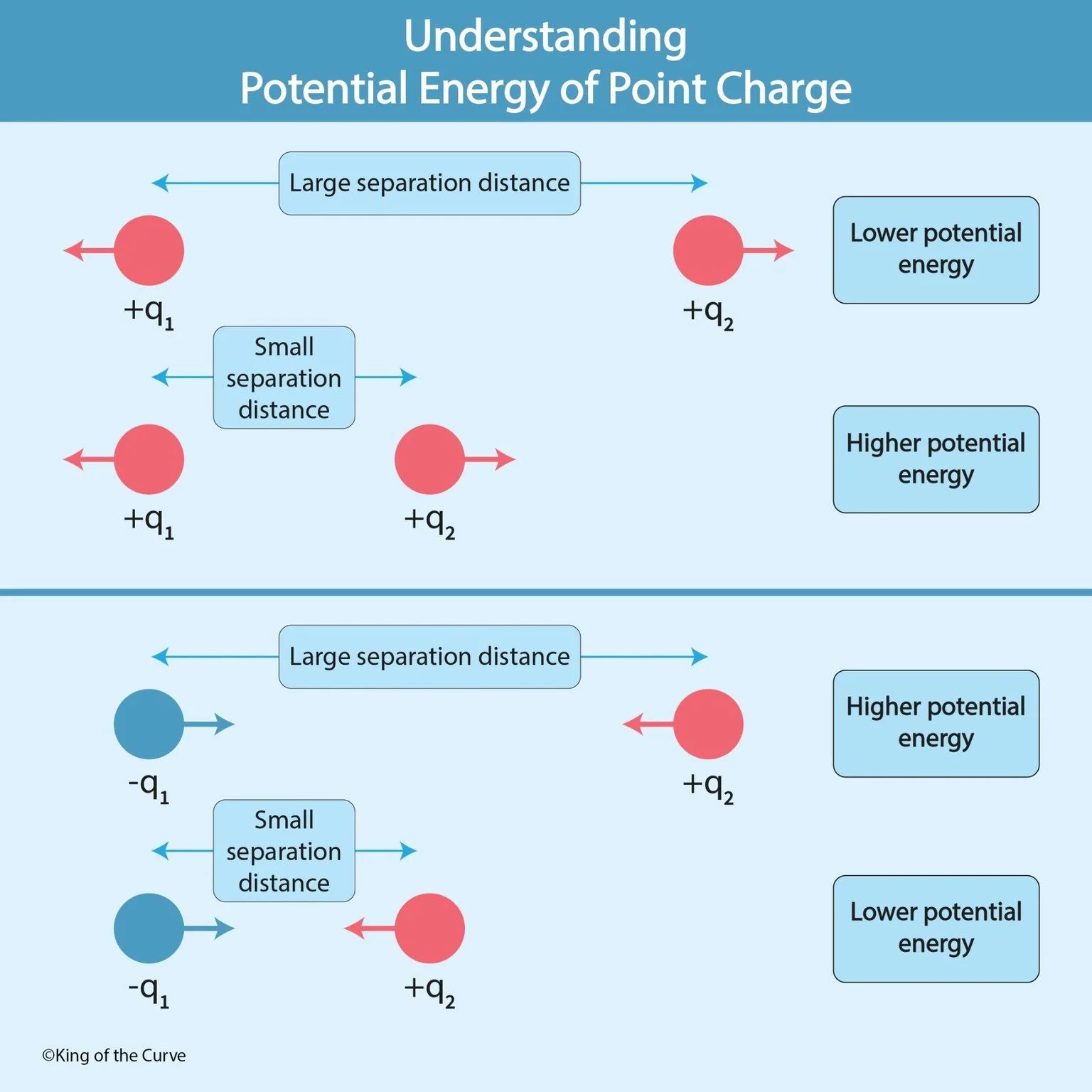
✅ Understanding Potential Energy of a Point Charge
Learn how distance affects the potential energy between point charges. Compare like vs opposite charges with a clear diagram and simple table.
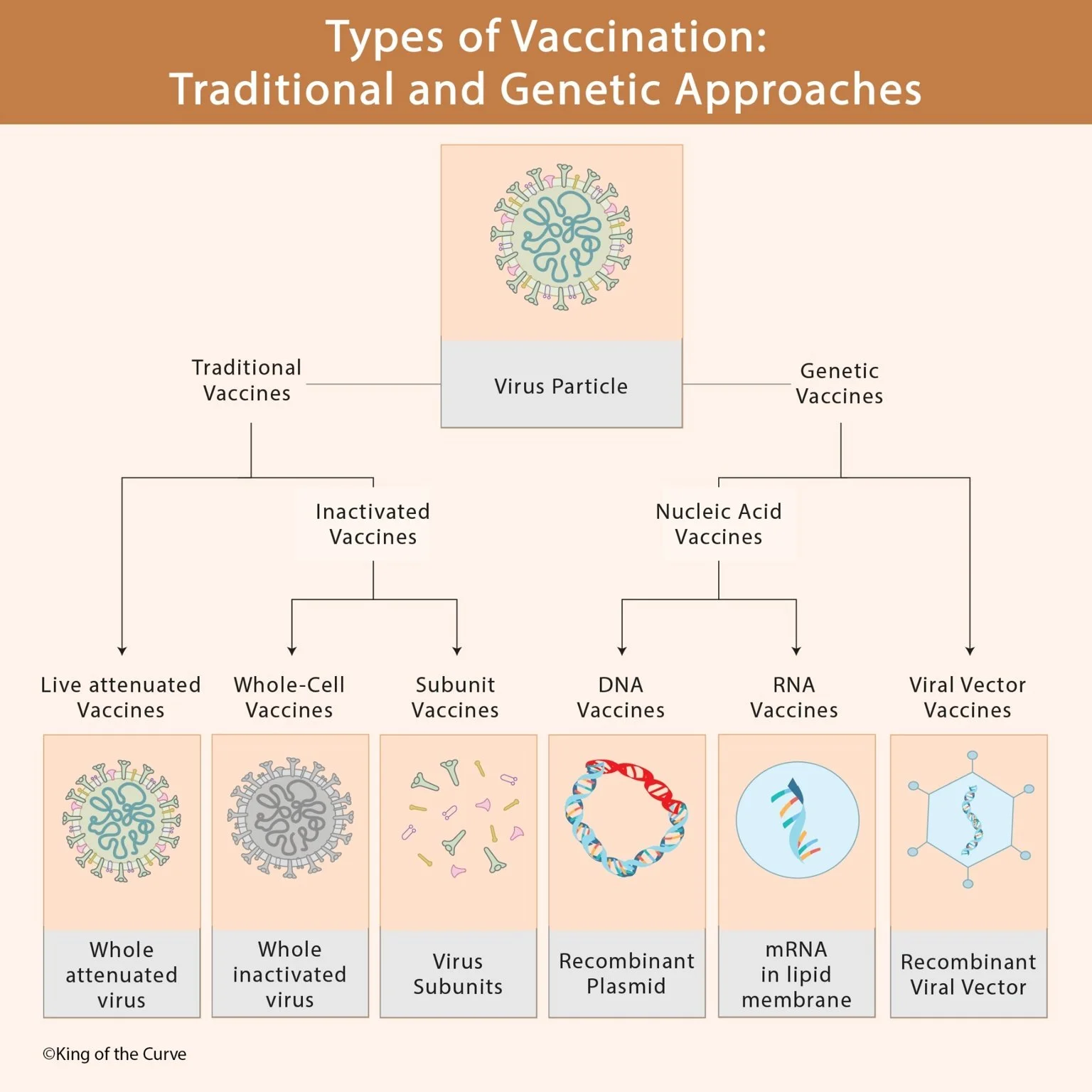
📘 Types of Vaccination: Traditional and Genetic Approaches
Learn the major types of vaccines including live attenuated, inactivated, subunit, DNA, mRNA, and viral vector vaccines. Compare how they work, benefits, and examples.

📘 Types of Tracheoesophageal Fistula (TEF): Explained Simply
Tracheoesophageal fistula (TEF) is a congenital airway esophagus connection. Learn the 4 TEF types, symptoms, diagnosis, and key imaging clues.
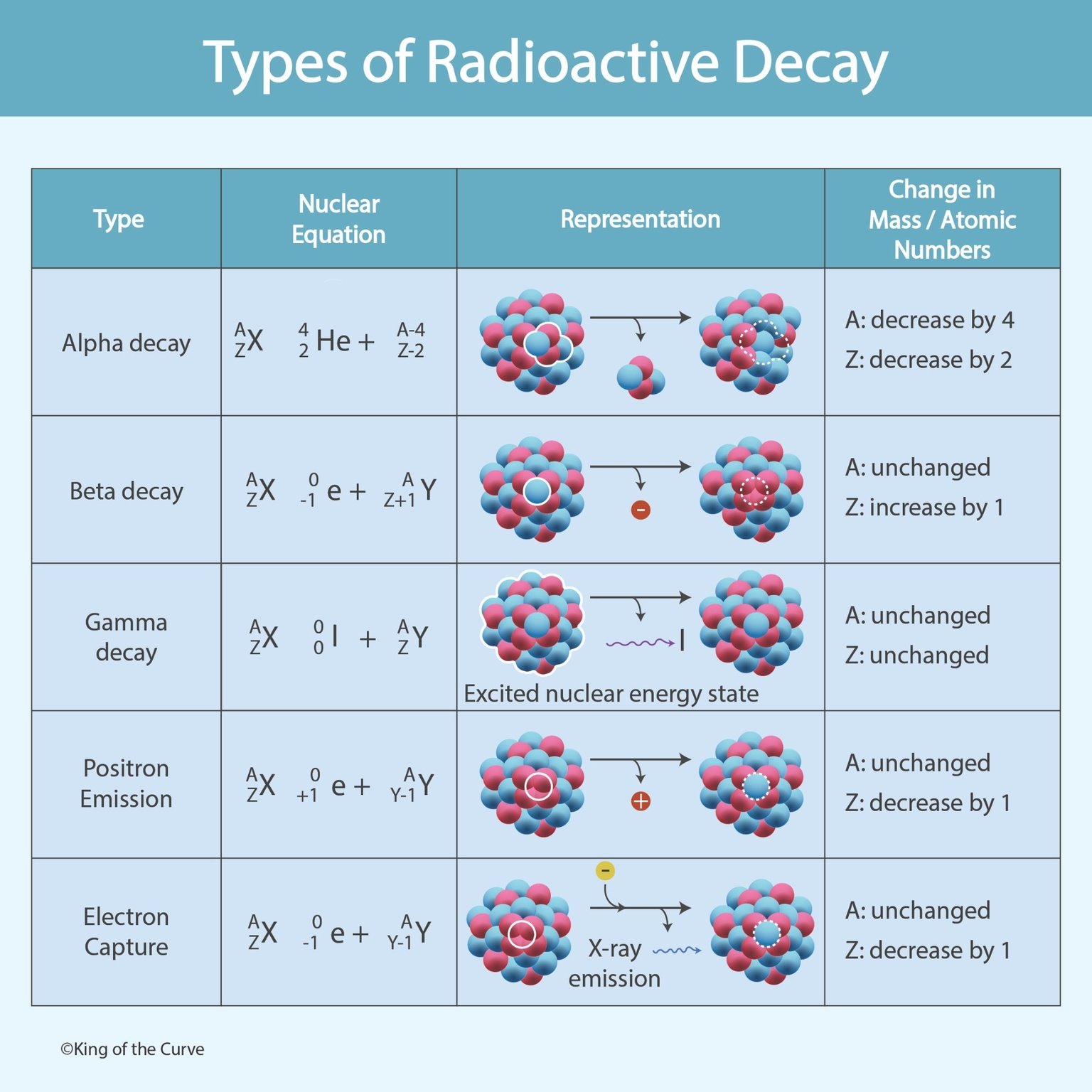
📘 Types of Radioactive Decay
Learn the 5 main types of radioactive decay alpha, beta, gamma, positron emission, and electron capture with equations and atomic number changes.

🧠 Types of Hiatus Hernia (Normal vs Sliding vs Paraesophageal)
Learn the types of hiatus hernia sliding vs paraesophageal with symptoms, risks, and MCAT/USMLE tips using a KOTC visual for fast recall.

🧬 Type IV Hypersensitivity (Delayed-Type): The CD4+ T-Cell Reaction You’ll See Everywhere on Exams
Learn Type IV hypersensitivity (delayed-type): CD4+ T-cell activation, macrophage cytokines, and classic examples like contact dermatitis and PPD test.