
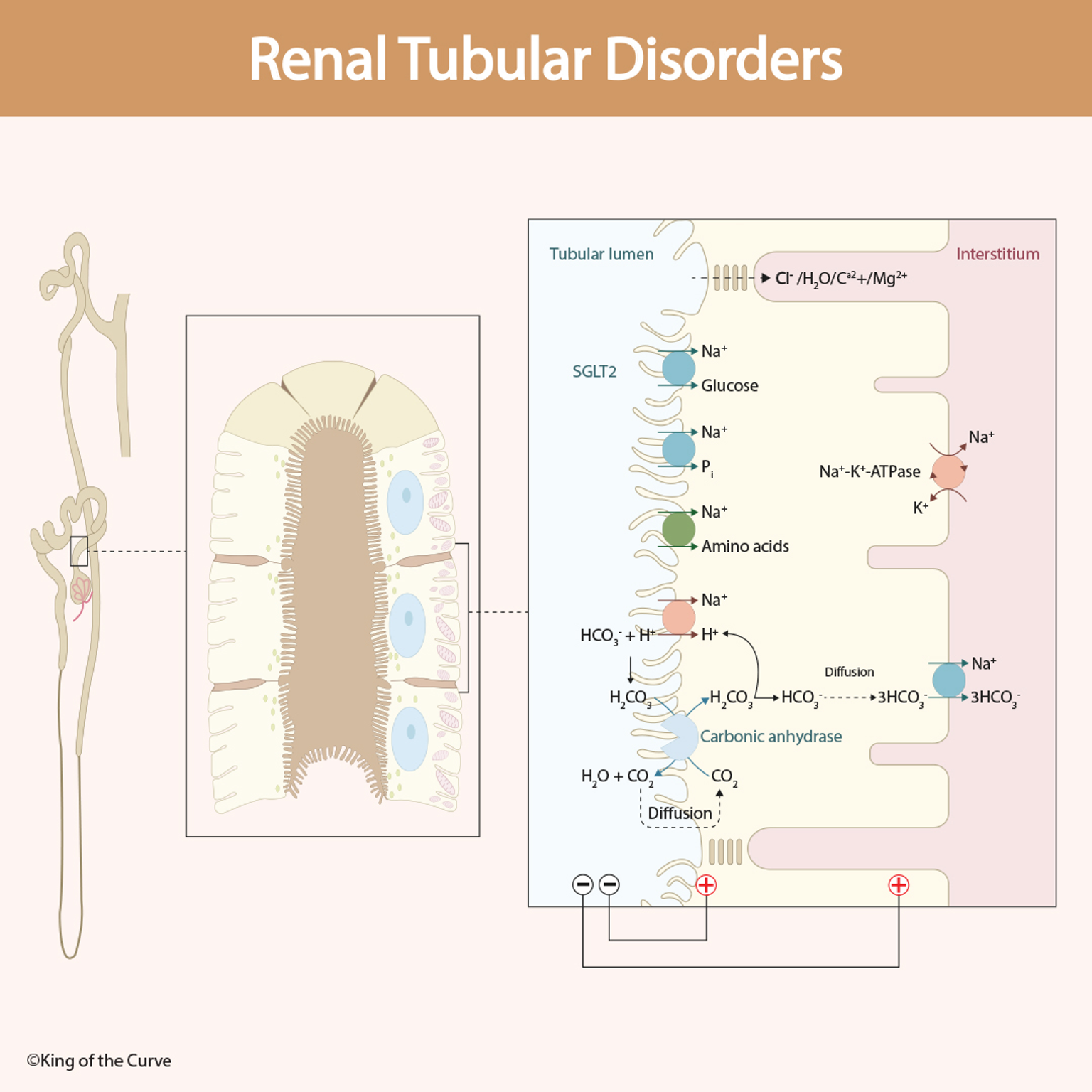
🩺 Renal Tubular Disorders: Understanding Proximal Tubule Dysfunction
Learn renal tubular disorders including Fanconi syndrome and Type 2 RTA. Understand proximal tubule transport, bicarbonate reabsorption, and clinical links.
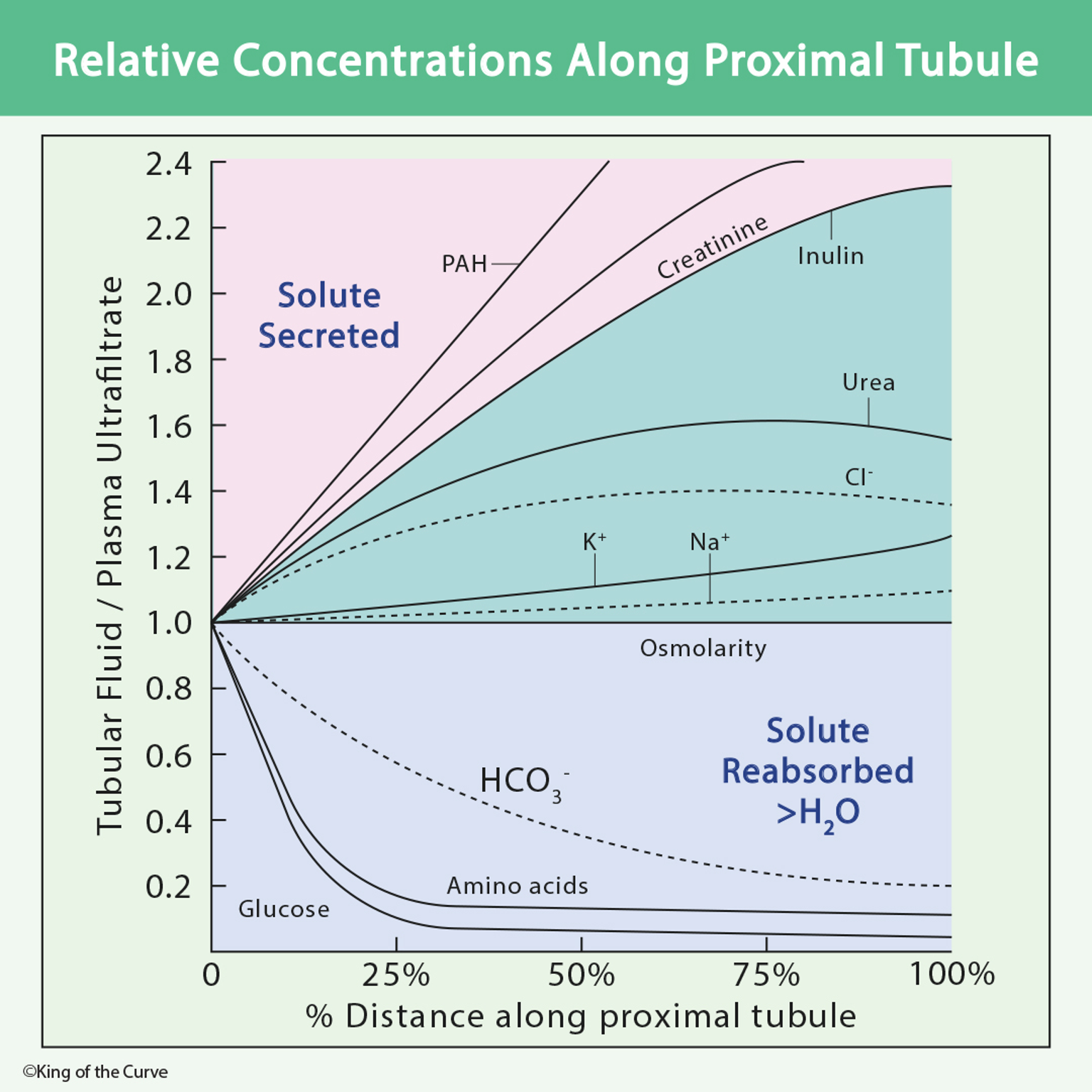
🧪 Relative Concentrations Along the Proximal Tubule
Learn how solute concentrations change along the proximal tubule. Understand TF/P ratios, reabsorption patterns, PAH, inulin, and GFR concepts.
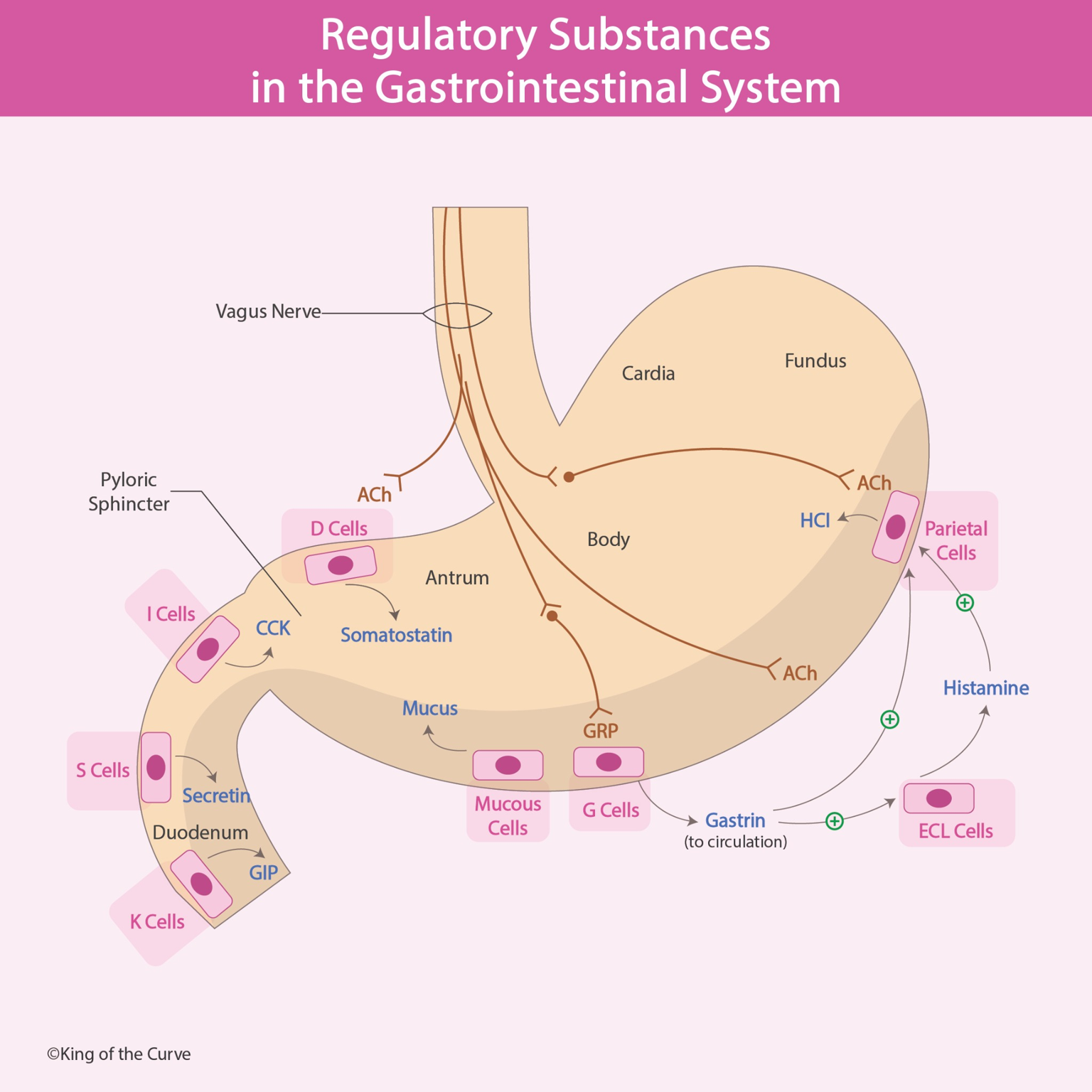
🧠 Regulatory Substances in the Gastrointestinal System
Learn how gastrin, histamine, acetylcholine, somatostatin, secretin, CCK, and GIP regulate gastric acid and digestion.
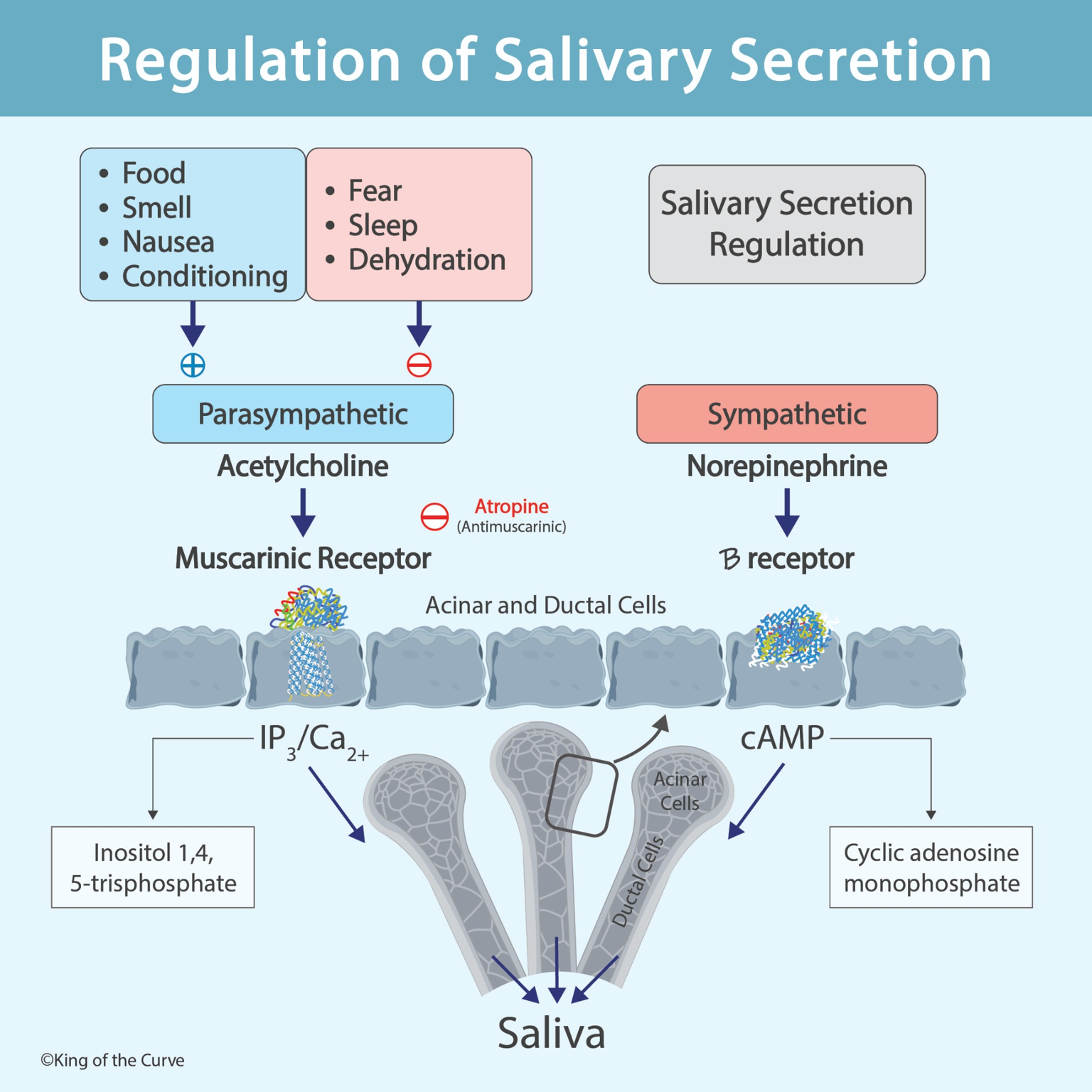
🔹 Introduction: Why Saliva Matters
Learn how parasympathetic and sympathetic pathways regulate salivary secretion through muscarinic and β-adrenergic receptors.
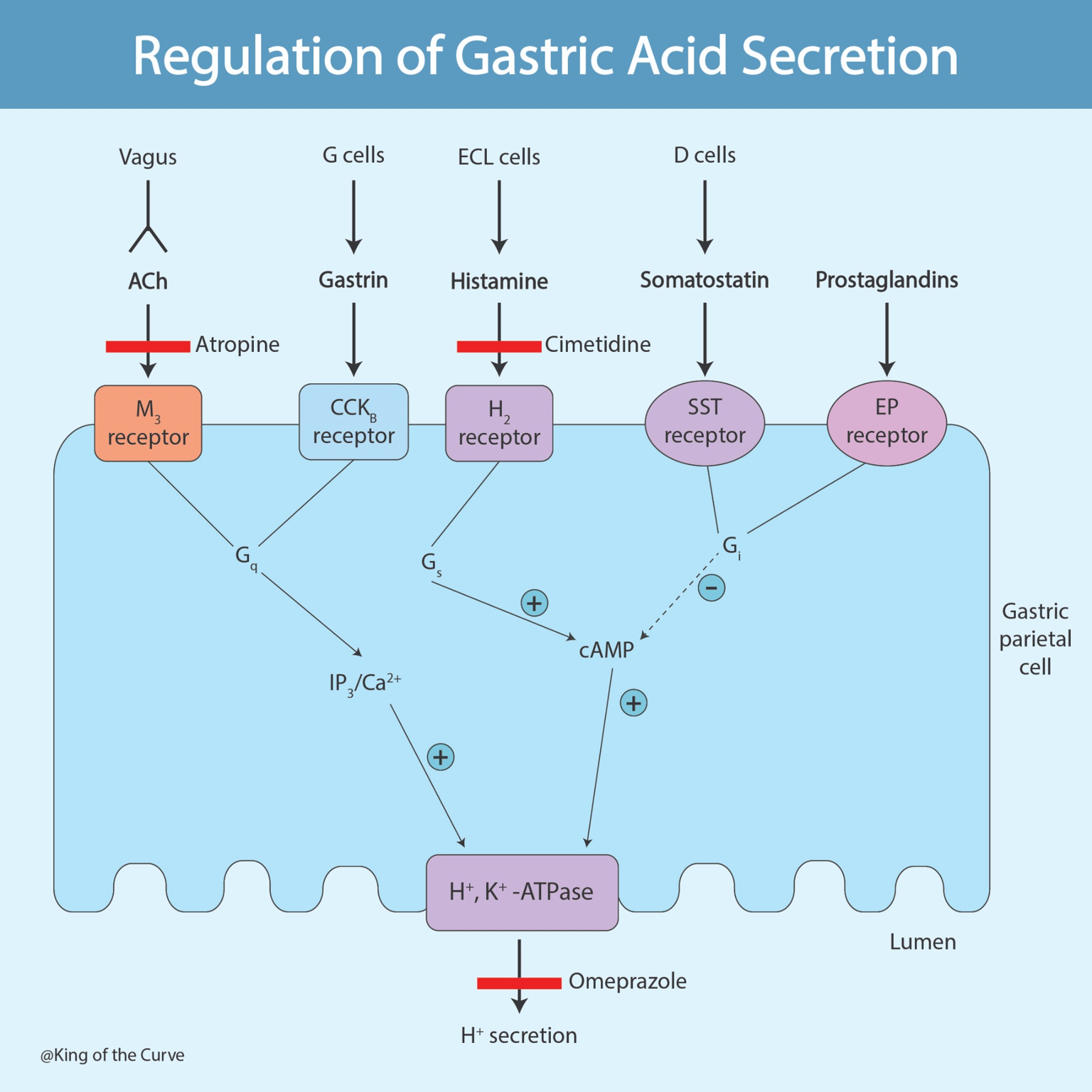
🧪 Regulation of Gastric Acid Secretion
Learn how gastric acid secretion is regulated by acetylcholine, gastrin, histamine, somatostatin, and prostaglandins, plus key drug targets.
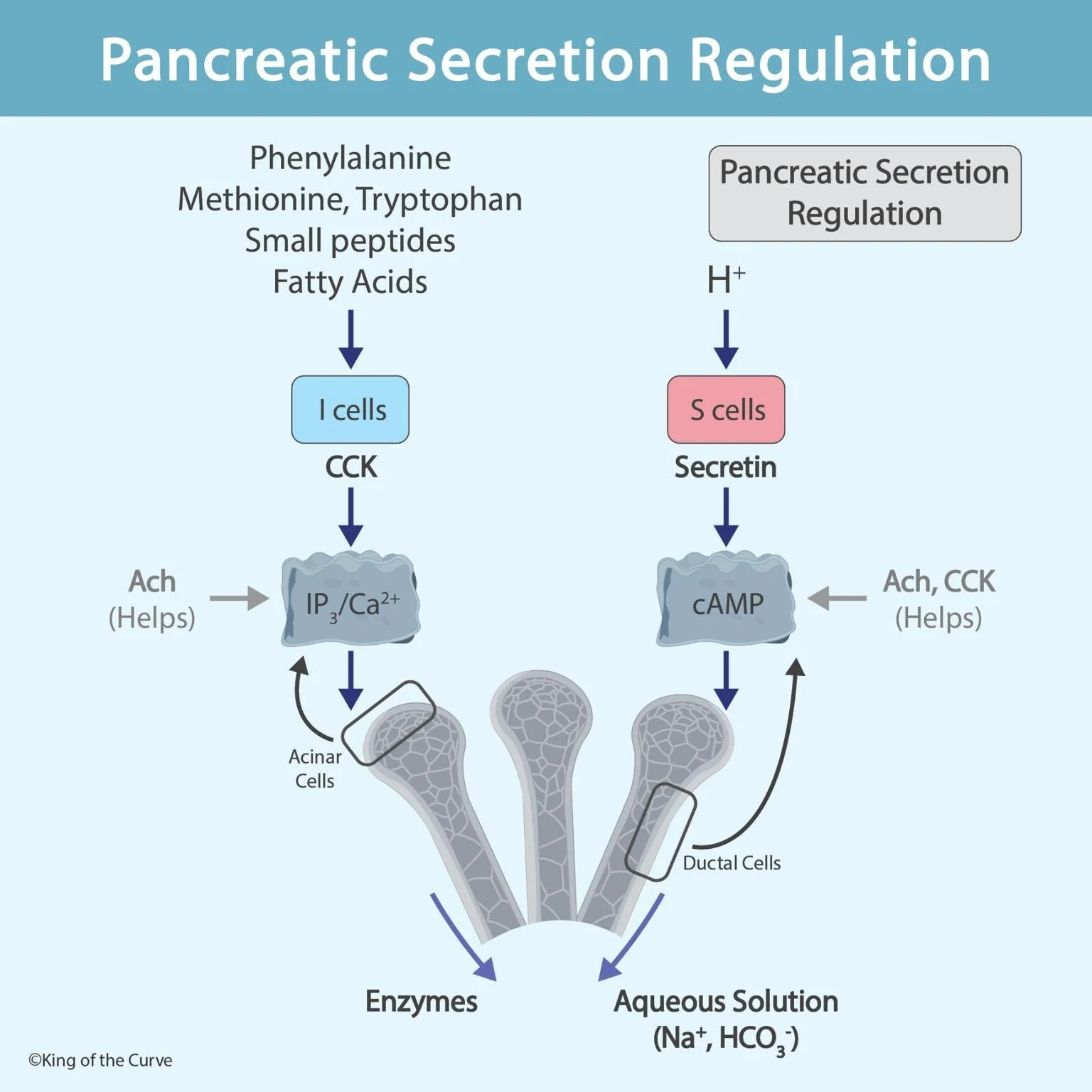
🩺 Pancreatic Secretion Regulation: How Digestive Enzymes and Bicarbonate Are Controlled
Learn how pancreatic secretion is regulated by CCK and secretin. Understand acinar and ductal cell signaling pathways including IP3/Ca2+ and cAMP mechanisms in digestion.
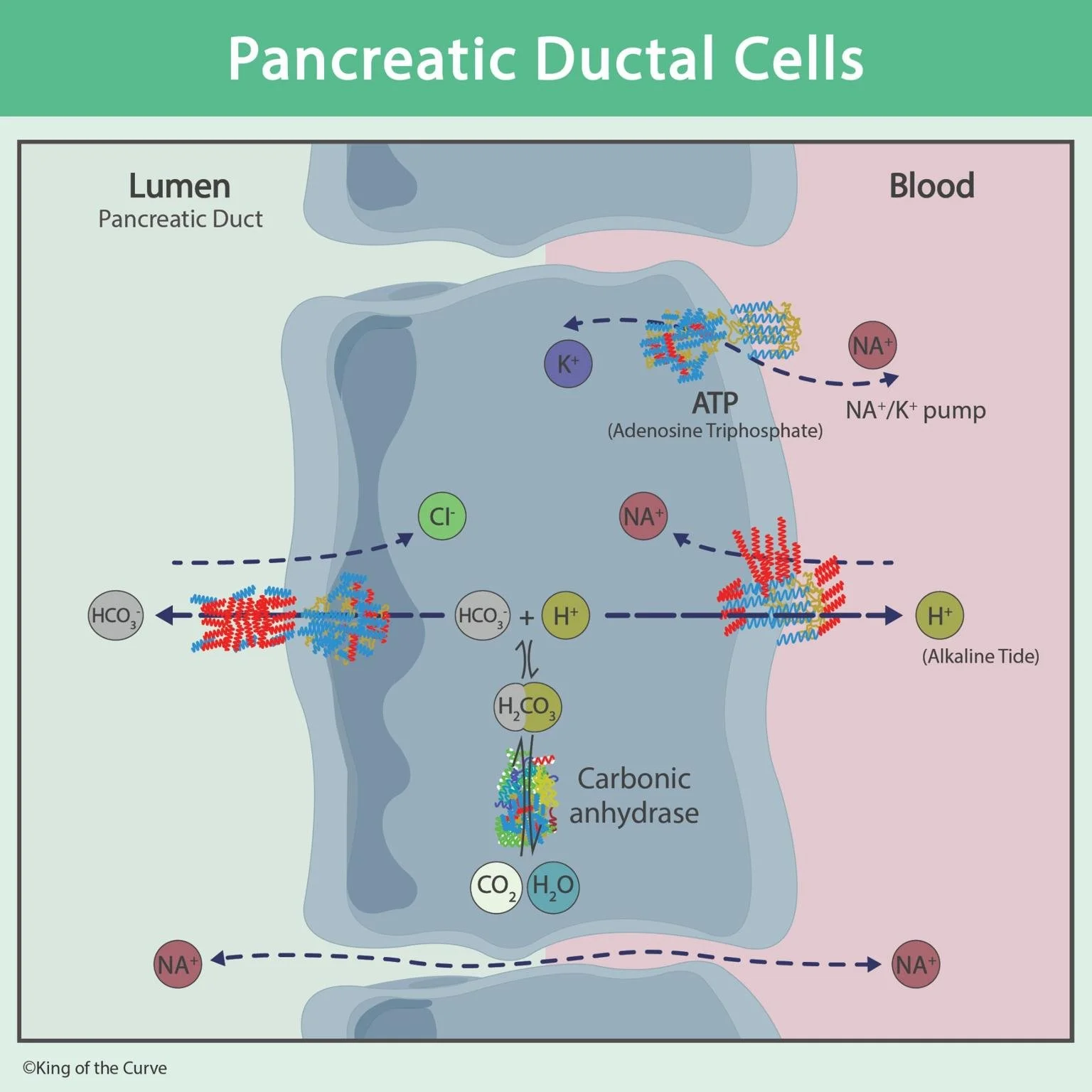
🟢 Pancreatic Ductal Cells: How the Pancreas Creates Bicarbonate-Rich Fluid
Learn how pancreatic ductal cells secrete bicarbonate-rich fluid using carbonic anhydrase, CFTR, and Cl⁻/HCO₃⁻ exchangers. Includes key transport mechanisms.
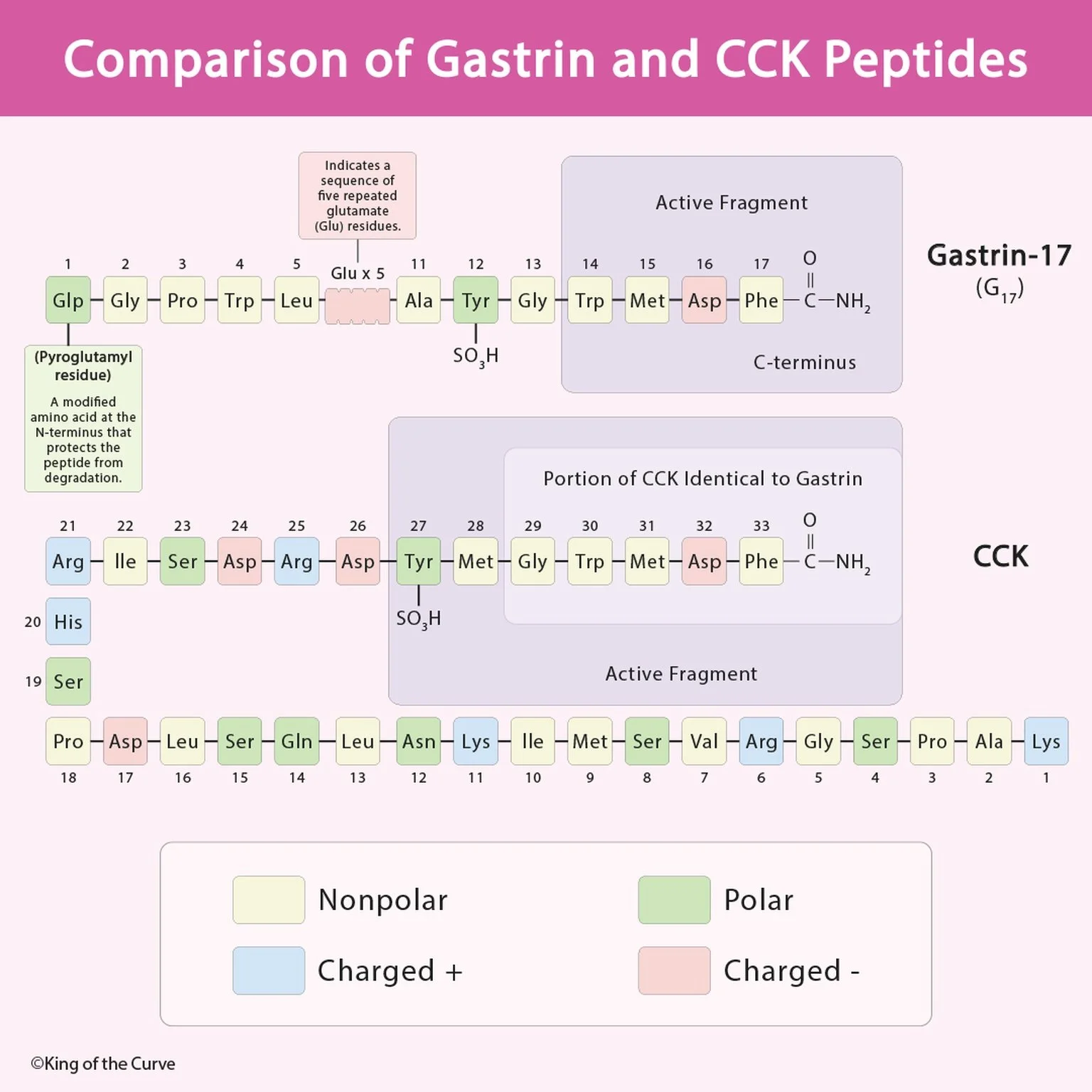
🧠 Why Gastrin vs CCK Matters?
Learn the differences between gastrin and CCK hormones, including release sites, functions, and how they appear in MCAT-style digestion questions.
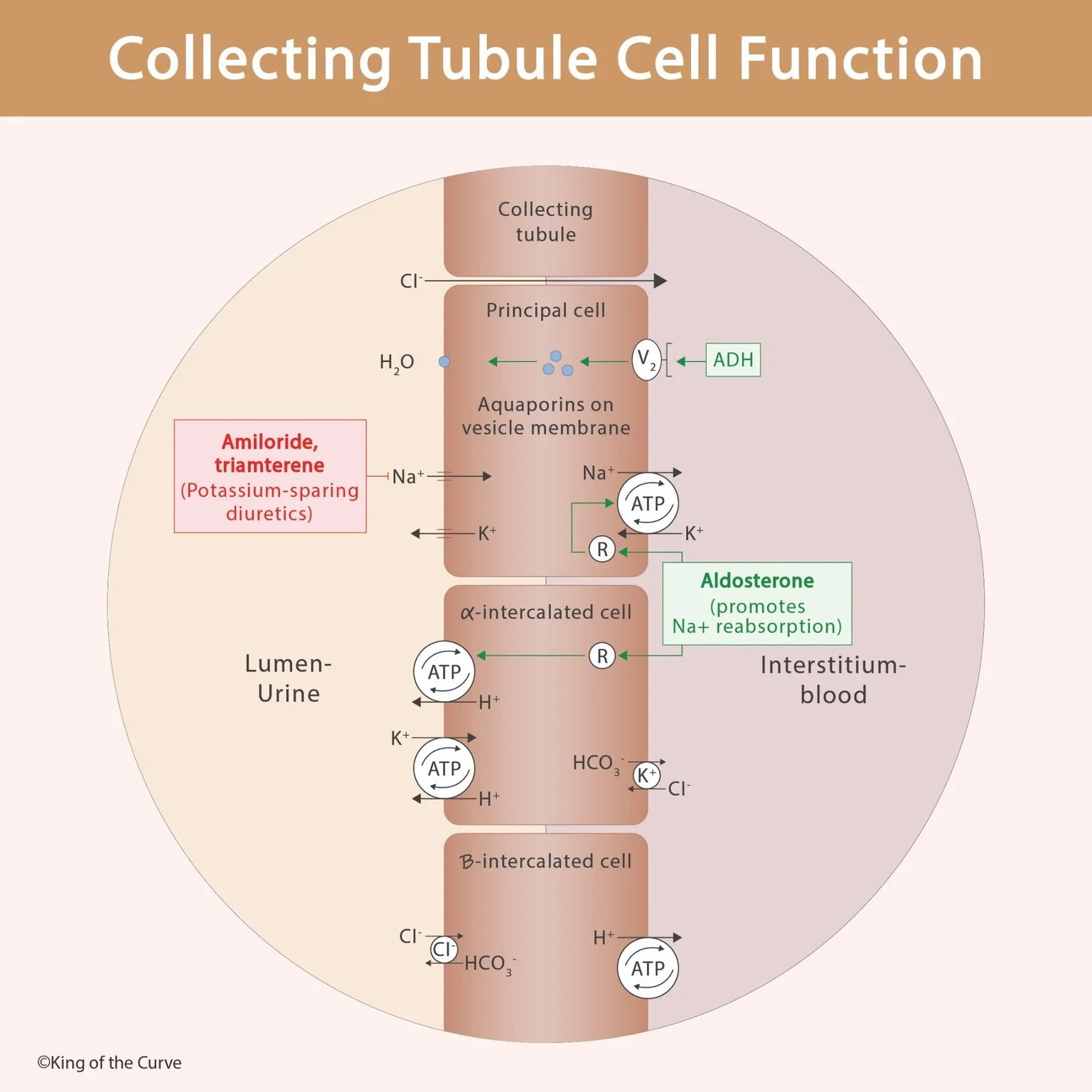
🚰 Collecting Tubule Cell Function Explained: ADH, Aldosterone, and Diuretics
Learn how the collecting tubule regulates water, sodium, potassium, and pH through ADH, aldosterone, and potassium-sparing diuretics.
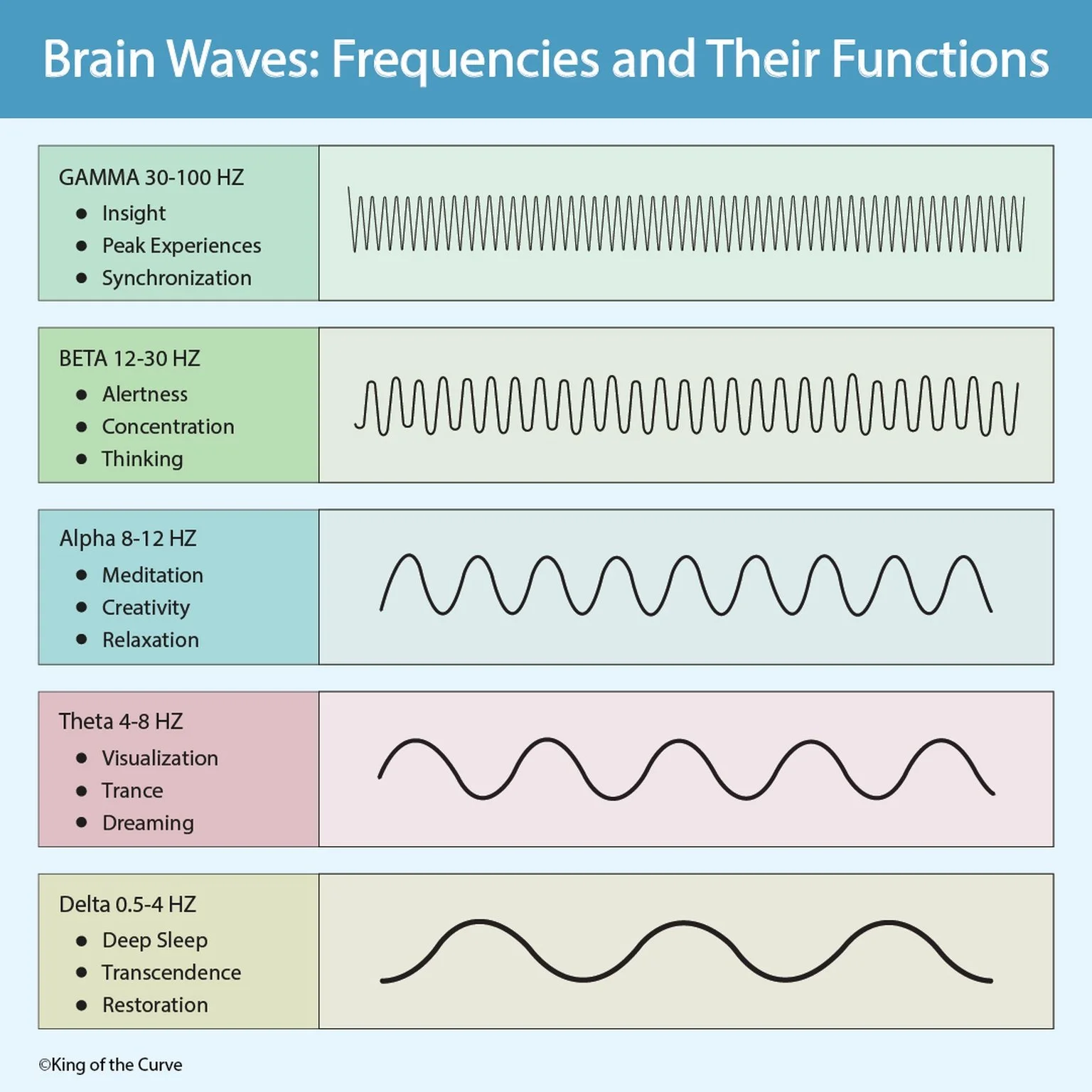
🧠 Brain Waves Explained: Frequencies and Their Functions (MCAT EEG Guide)
Learn the five major brain waves gamma, beta, alpha, theta, and delta with EEG frequency ranges, functions, and high-yield MCAT tips.
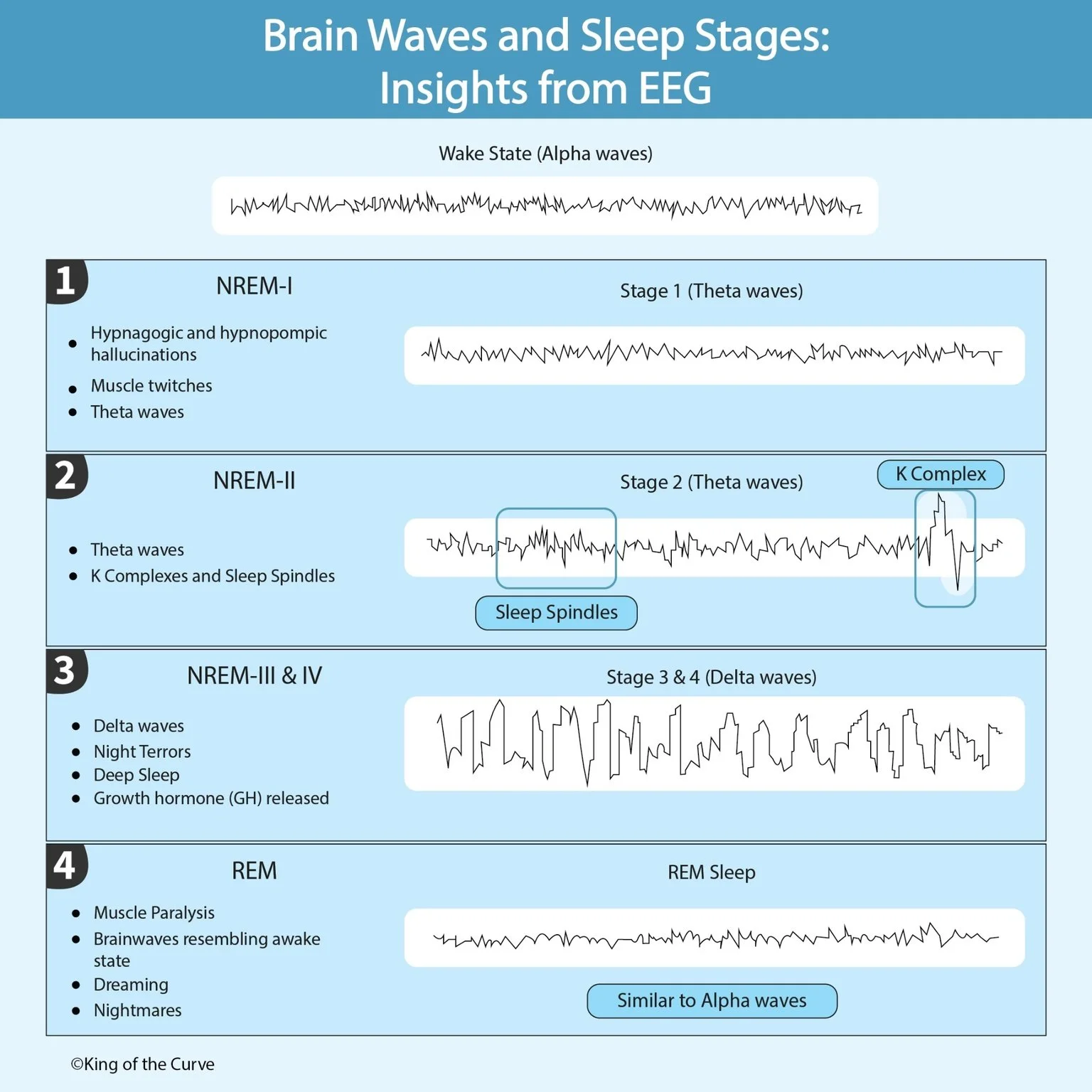
🧠 Brain Waves and Sleep Stages
Learn EEG brain waves across sleep stages alpha, theta, delta, REM plus high-yield MCAT tips to recognize sleep spindles and K complexes fast.
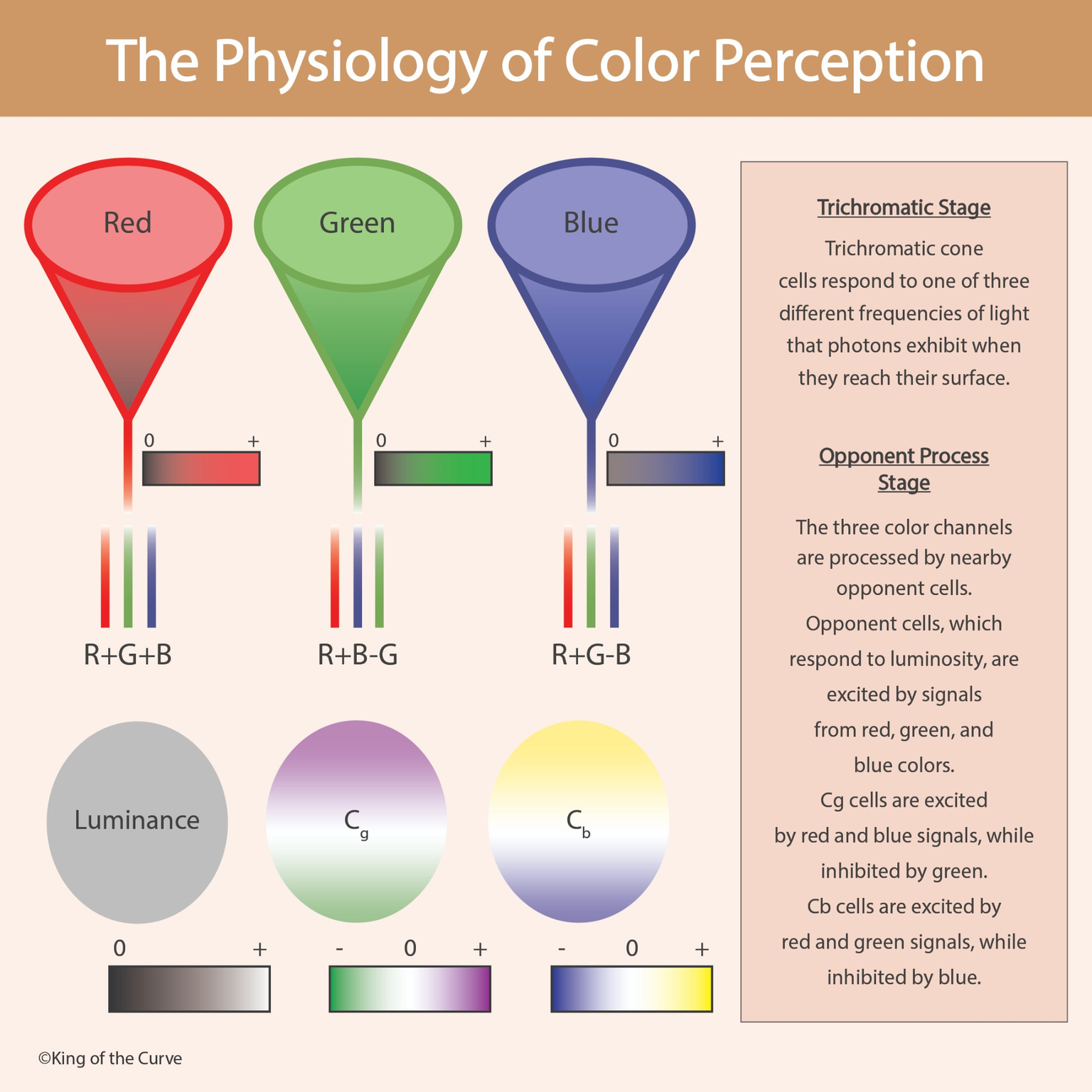
🎨 The Physiology of Color Perception: How the Brain Sees Color
Learn how humans perceive color through the trichromatic theory and opponent process theory. Understand cones, light signals, and how the brain creates color vision.
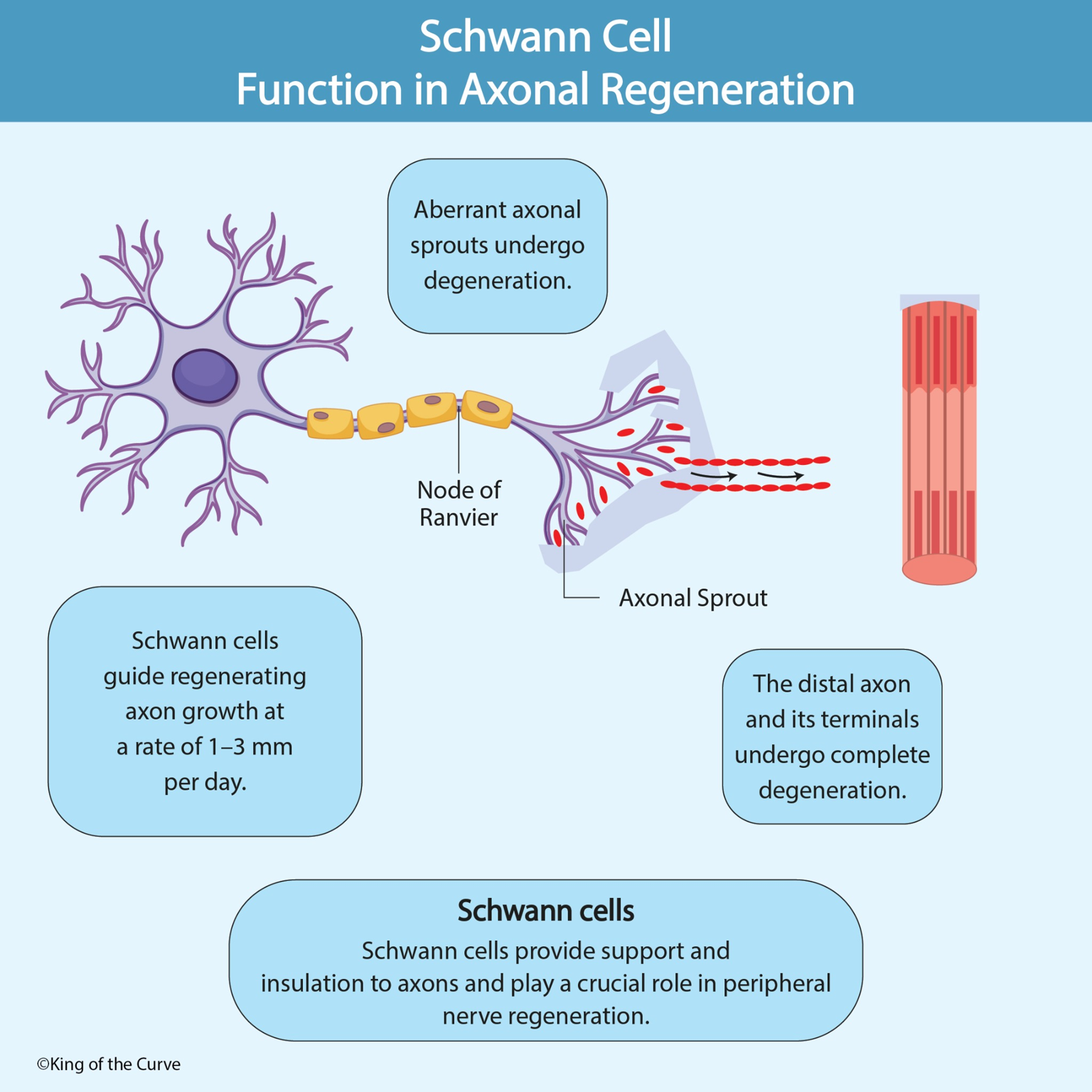
🧠 Schwann Cell Function in Axonal Regeneration
Learn how Schwann cells enable peripheral nerve regeneration through guidance, neurotrophic support, and remyelination after axonal injury.
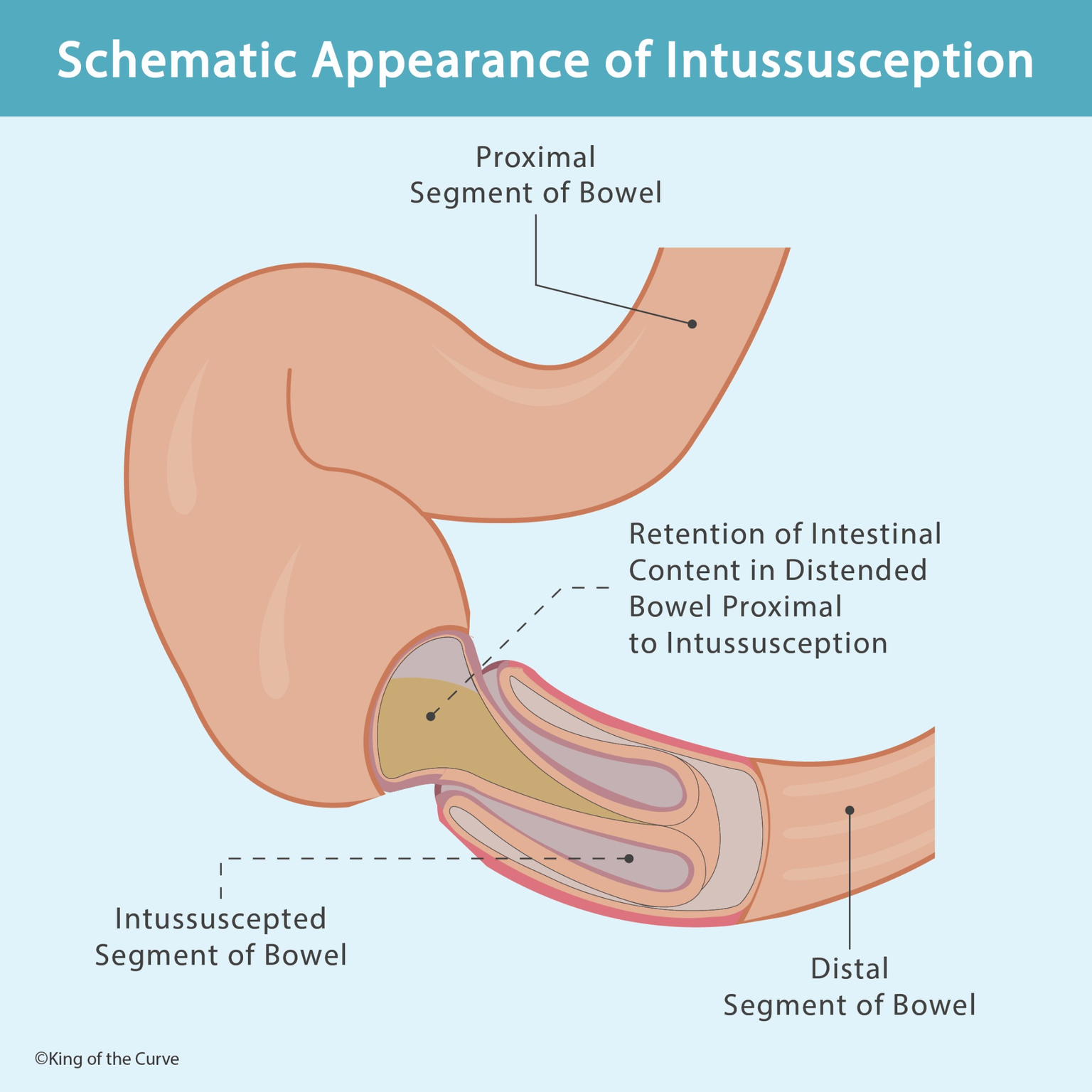
🩺 Schematic Appearance of Intussusception
A clear explanation of intussusception using a schematic diagram. Learn bowel telescoping, clinical signs, diagnosis, and treatment for MCAT and nursing exams.
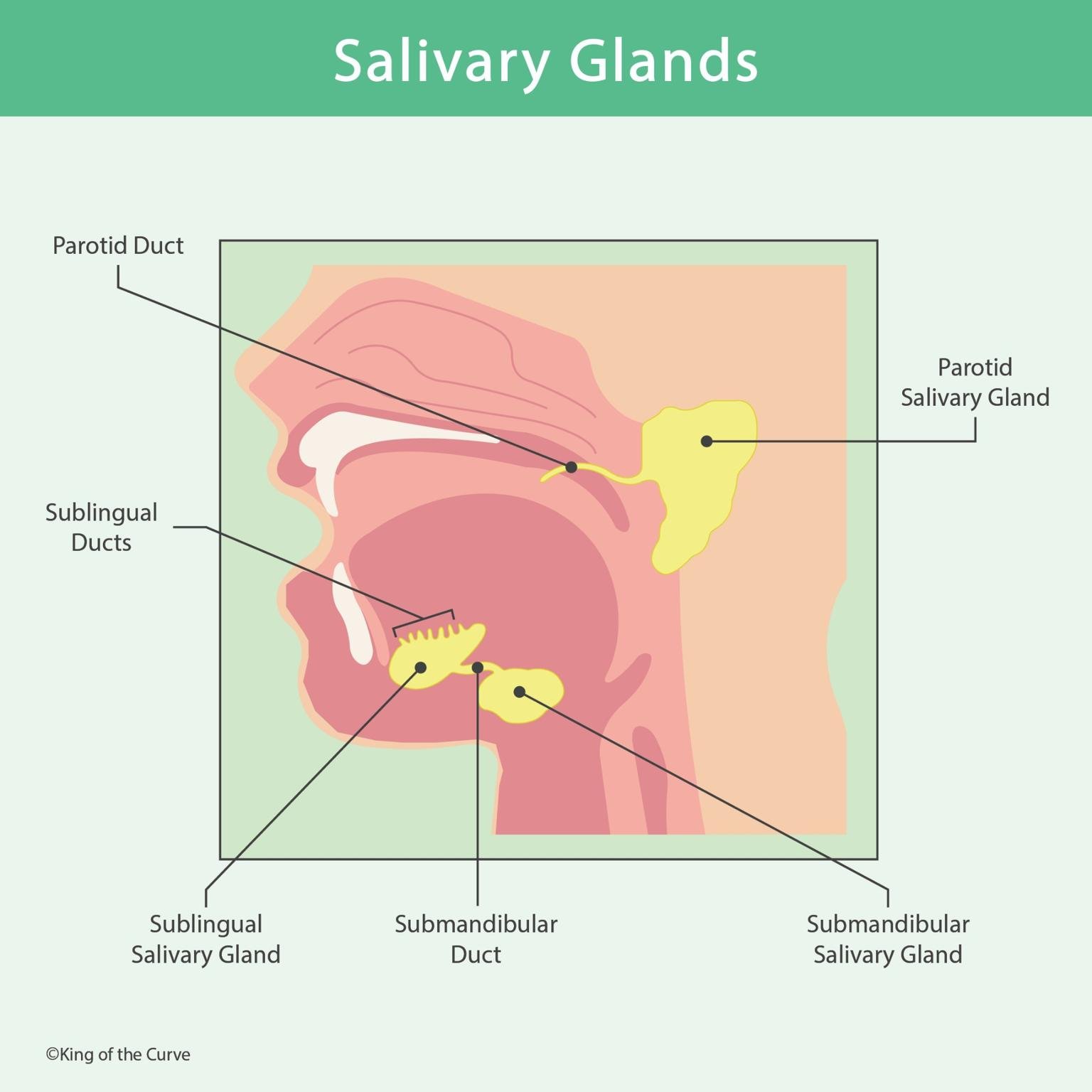
🦷 Understanding the Salivary Glands: Anatomy, Function, and Clinical Relevance
Learn the anatomy, ducts, and functions of the salivary glands with a high-yield MCAT breakdown. Includes visuals, tables, and clinical correlations.
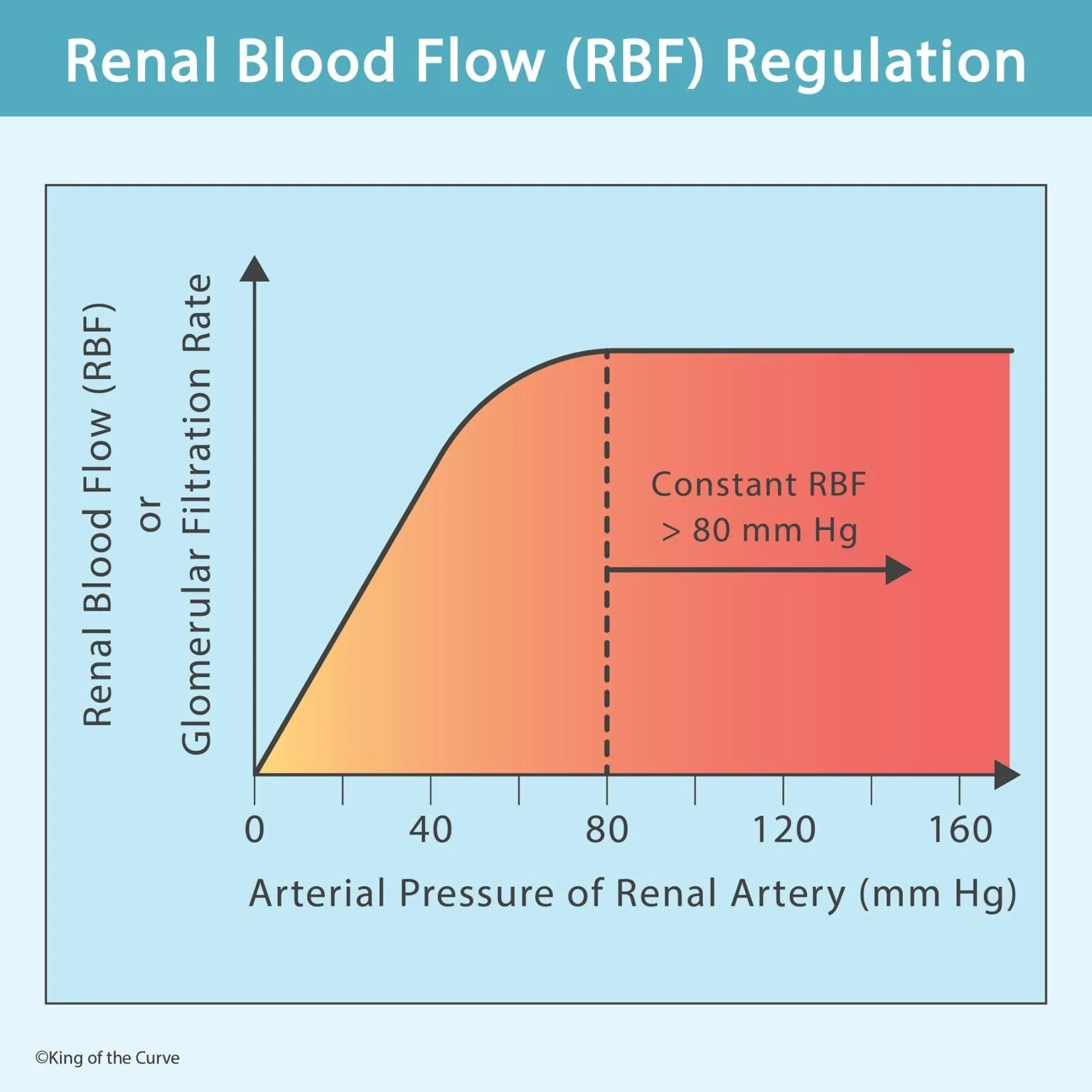
💧 Understanding Renal Blood Flow (RBF) Regulation for the MCAT
A high-yield breakdown of renal blood flow (RBF) autoregulation, including the myogenic response and tubuloglomerular feedback. Perfect for mastering MCAT renal physiology with a King of the Curve visual.
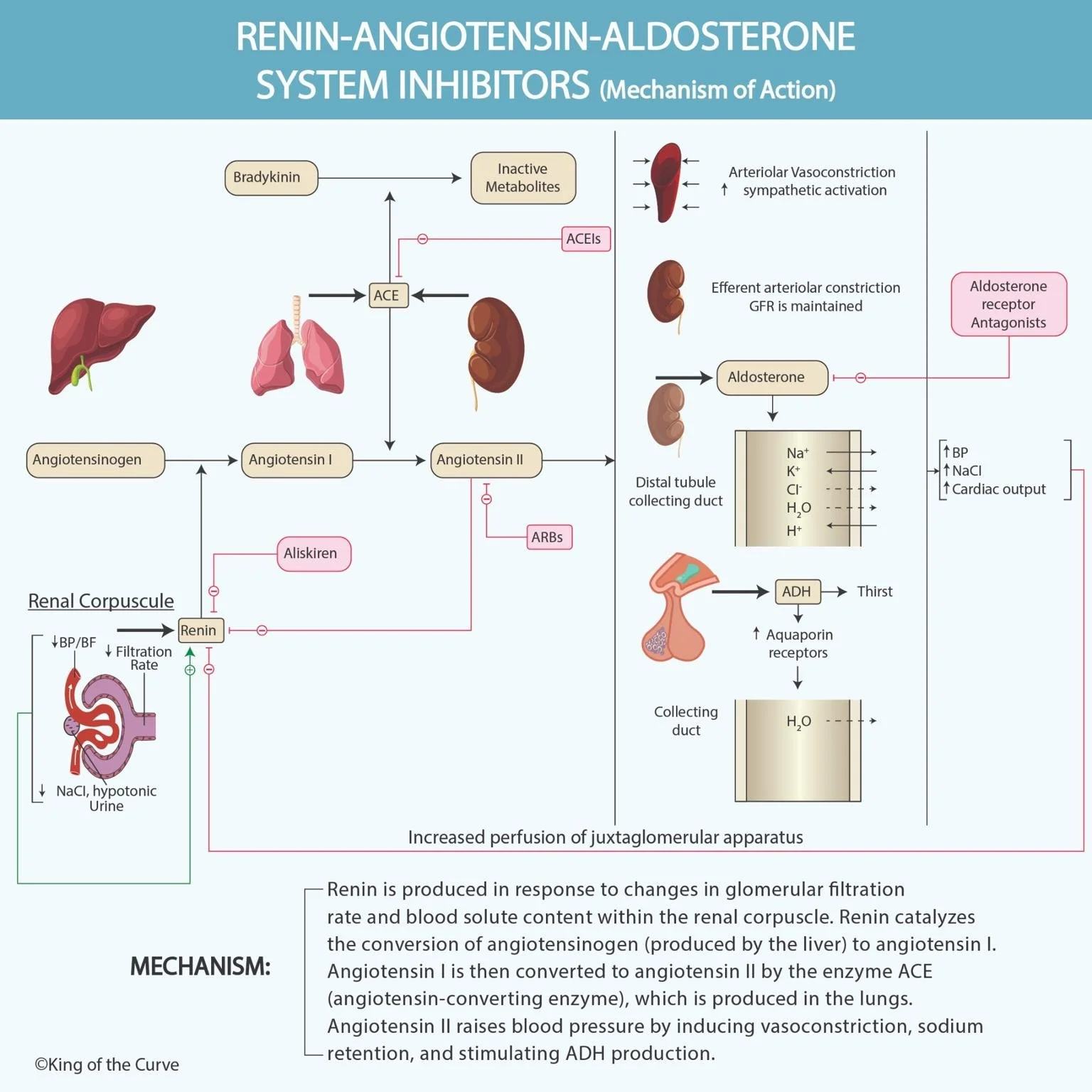
🧠 Understanding RAAS System Inhibitors for the MCAT
A high-yield breakdown of RAAS pathway inhibitors, including ACE inhibitors, ARBs, renin inhibitors, and aldosterone antagonists. Perfect for mastering MCAT cardiovascular and renal physiology with a King of the Curve visual.
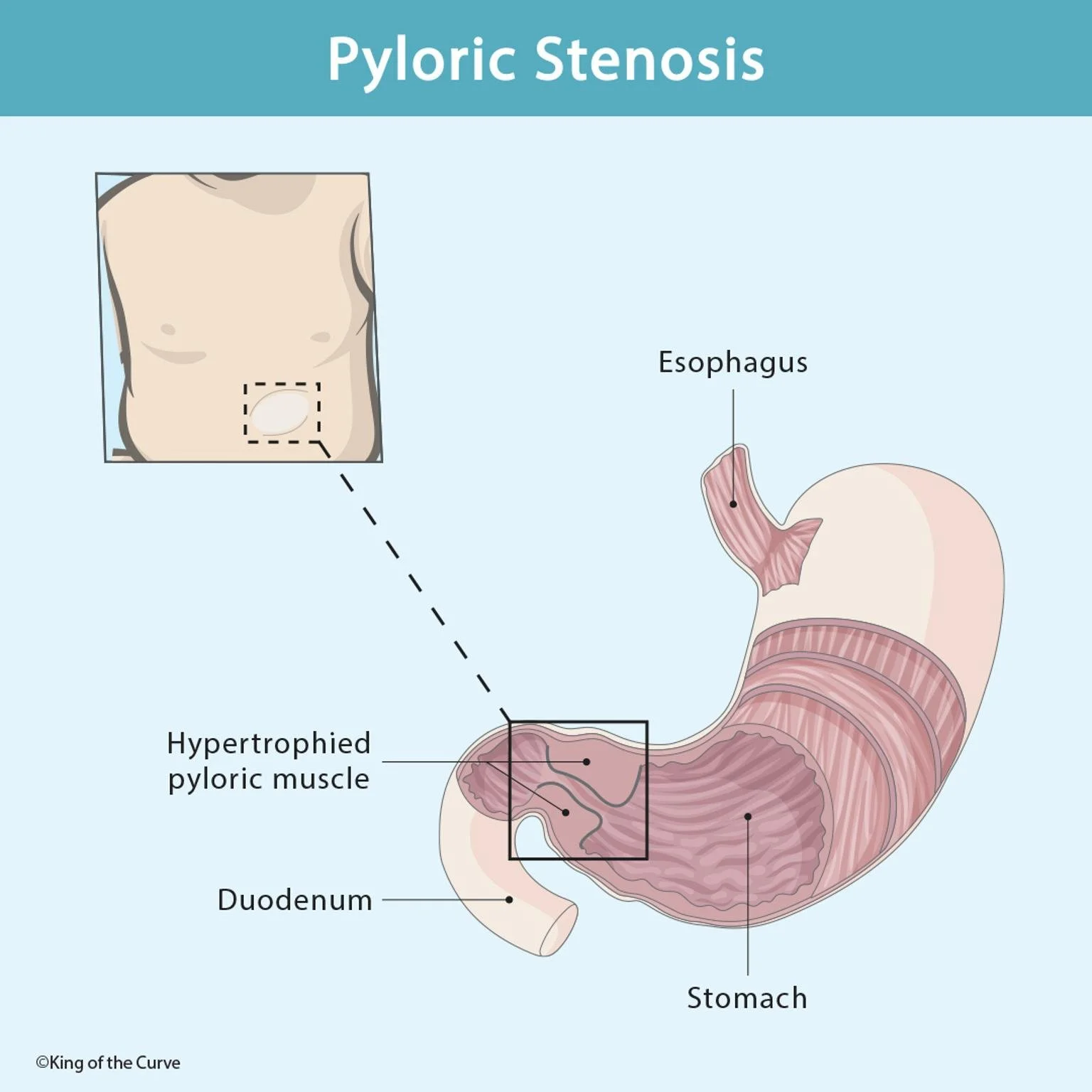
🧠 Understanding Pyloric Stenosis for the MCAT
A high-yield explanation of pyloric stenosis, including anatomy, symptoms, electrolyte changes, and classic MCAT presentation. Features a King of the Curve visual to simplify this essential GI concept.
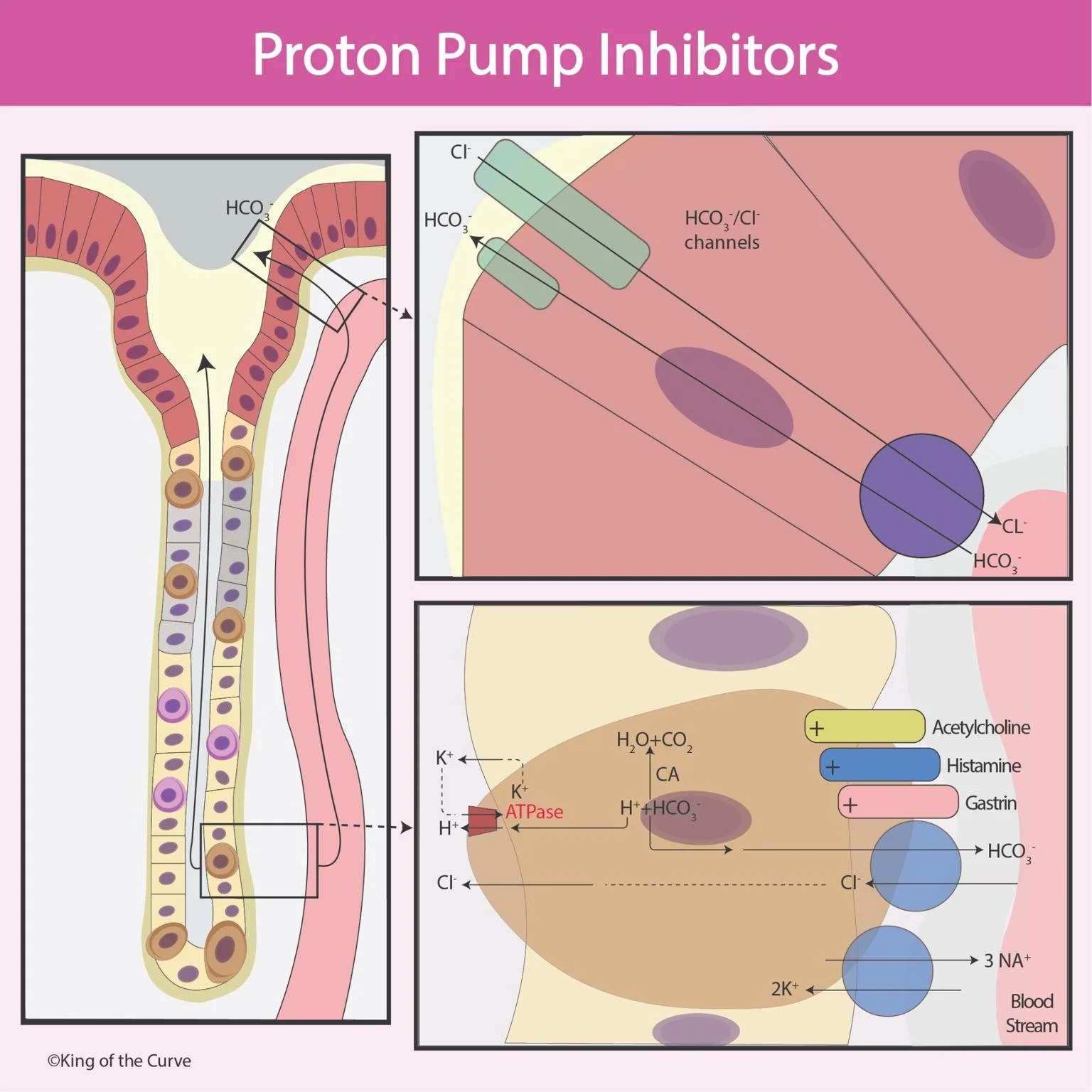
🔬 Understanding Proton Pump Inhibitors (PPIs) for the MCAT
A high-yield breakdown of how proton pump inhibitors (PPIs) work, including parietal cell ion transport, the H⁺/K⁺ ATPase pump, and regulatory signals. Perfect for MCAT physiology review with a King of the Curve visual.
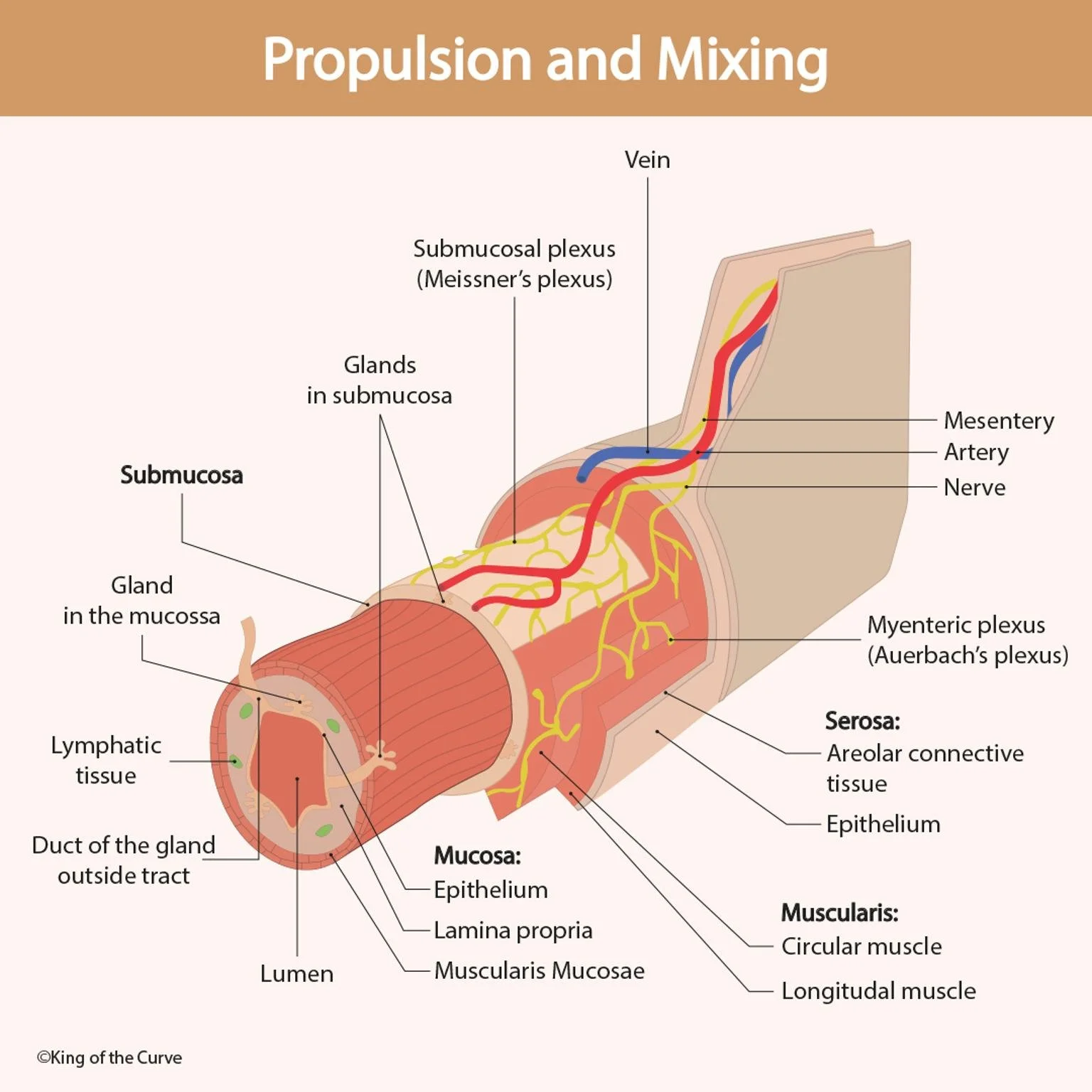
🔬 Understanding GI Propulsion and Mixing for the MCAT
A high-yield explanation of GI propulsion and mixing, including roles of the mucosa, submucosa, muscularis, and enteric nervous system. Perfect for mastering MCAT physiology with help from a King of the Curve visual.