
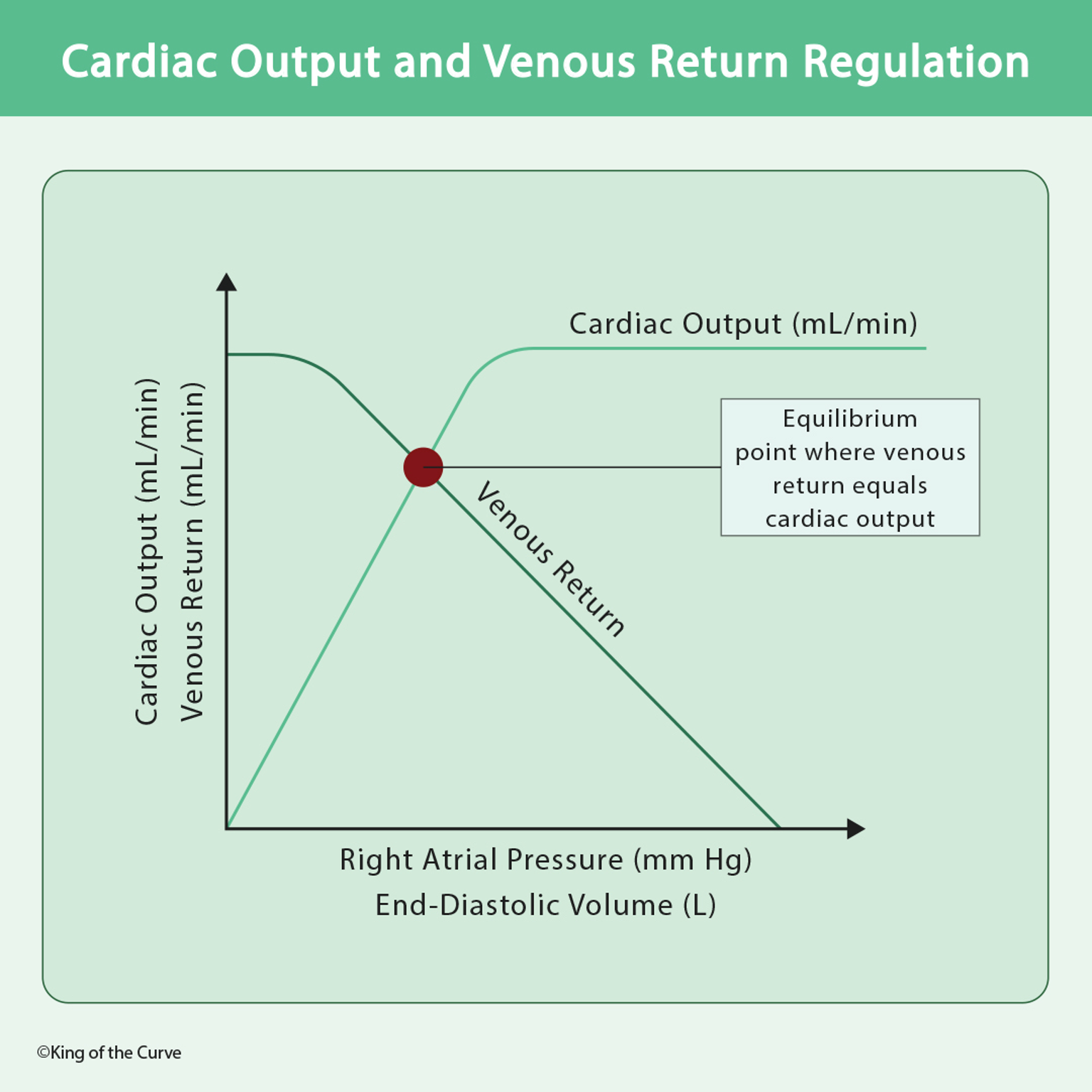
🫀 Cardiac Output vs Venous Return Explained
Understand cardiac output and venous return curves, equilibrium point, and right atrial pressure in this high-yield MCAT physiology guide.
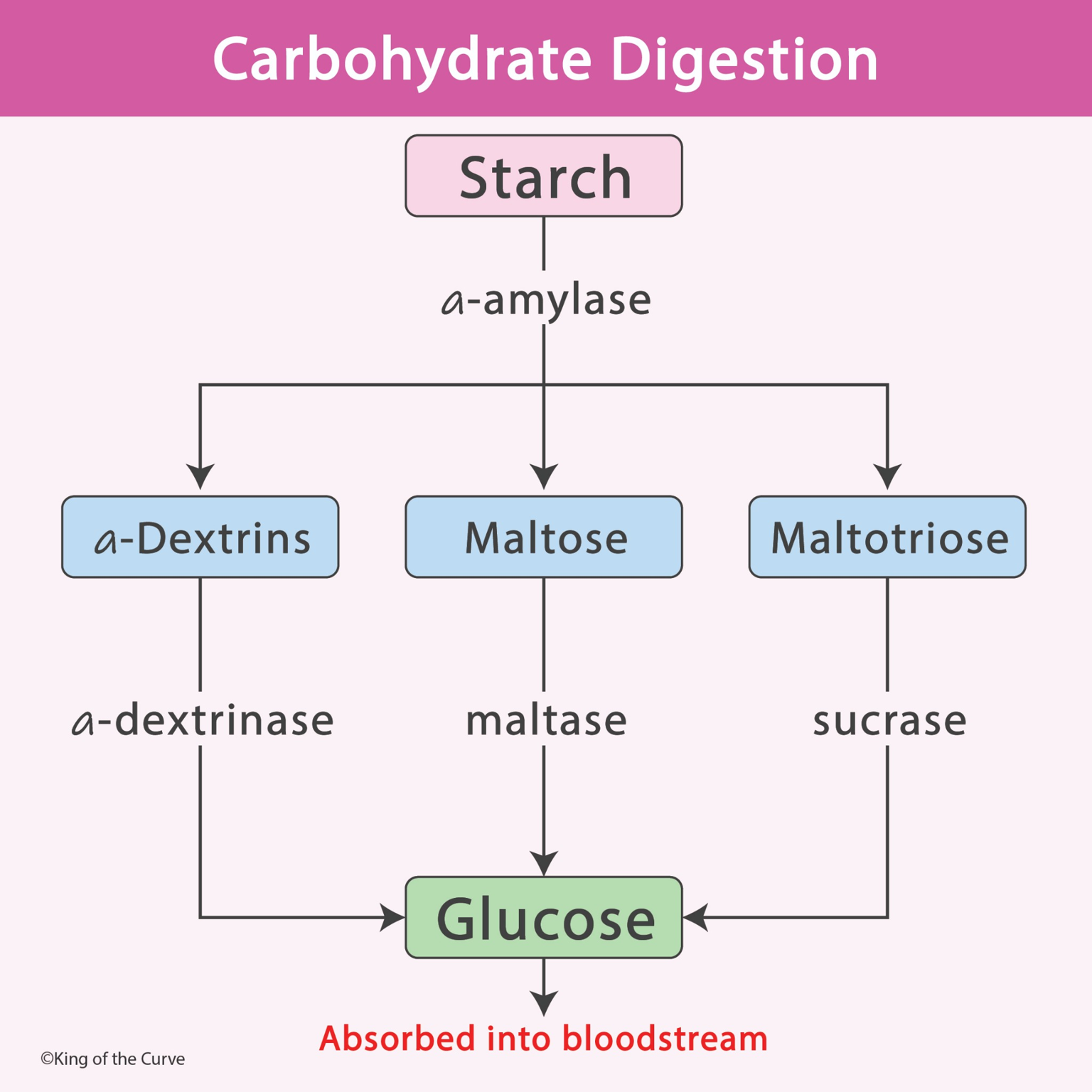
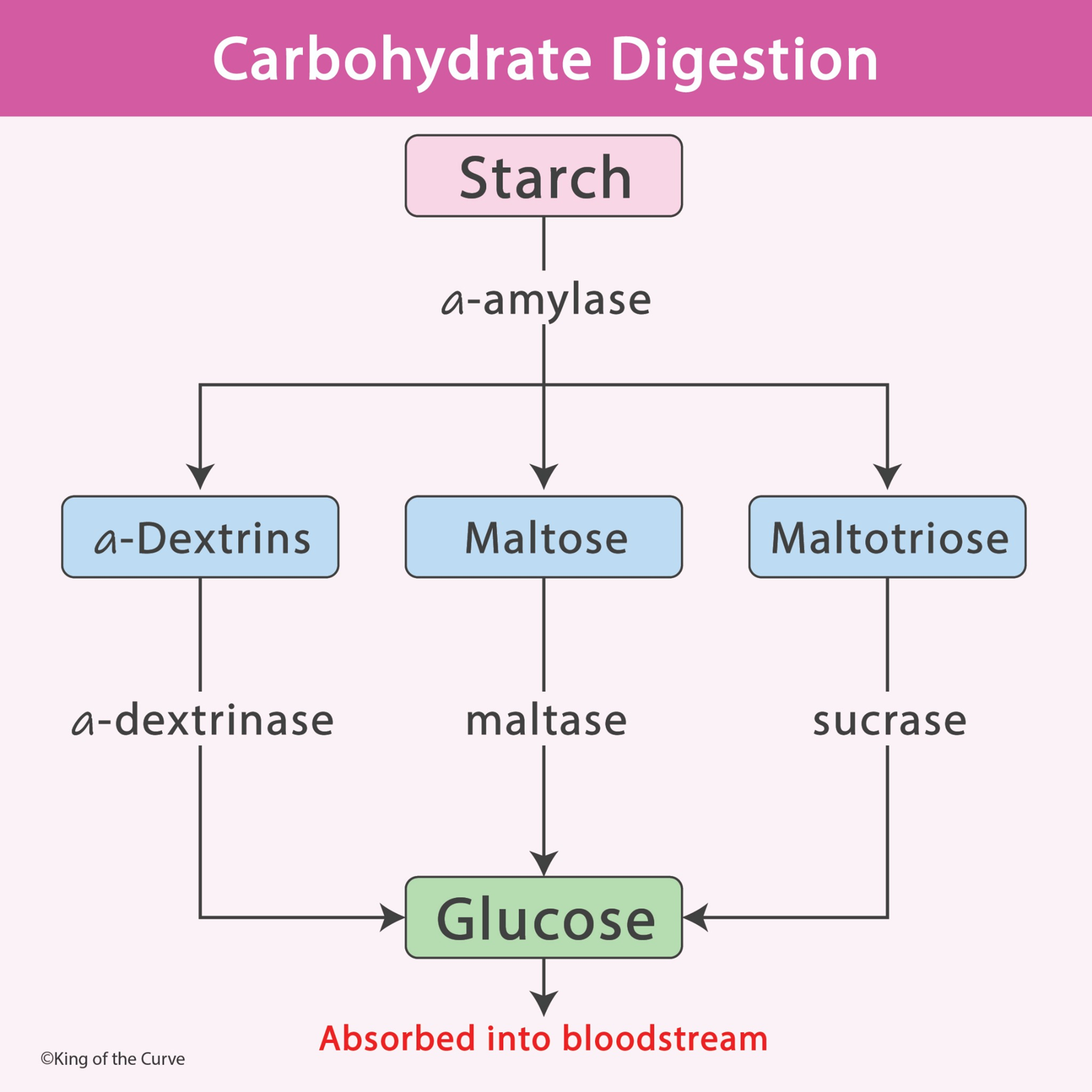
🧠 Carbohydrate Digestion Explained
Learn carbohydrate digestion from starch to glucose, including α-amylase, maltase, and absorption—perfect for MCAT biochemistry review.
🧠 Broadbent’s Filter Model: Understanding Selective Attention
Learn Broadbent’s Filter Model of selective attention, including sensory store, bottleneck theory, and working memory in this MCAT psychology guide.
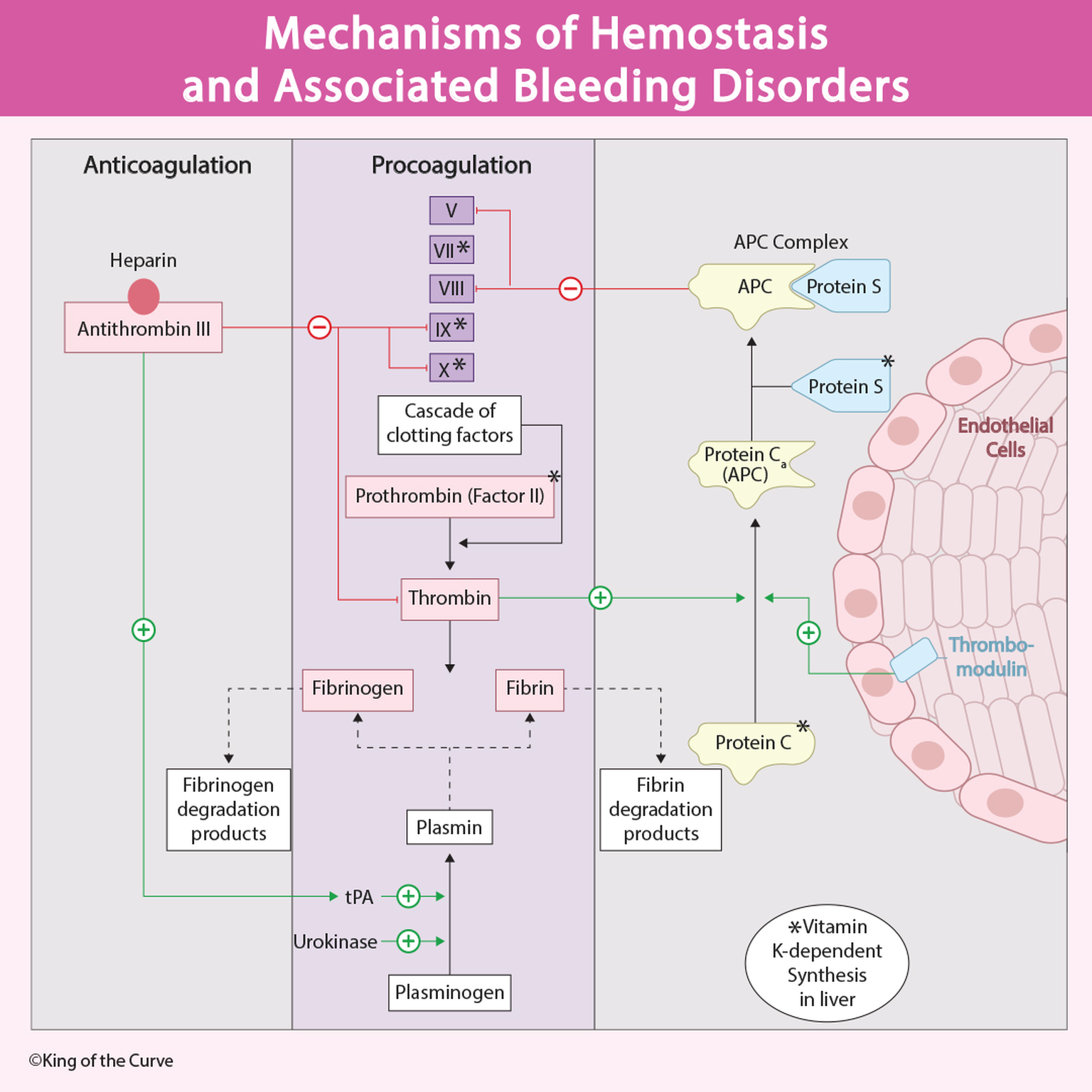
🩸 Mechanisms of Hemostasis and Associated Bleeding Disorders
Learn the mechanisms of hemostasis including coagulation cascade, anticoagulation pathways, fibrinolysis, and bleeding disorders in this medical guide.
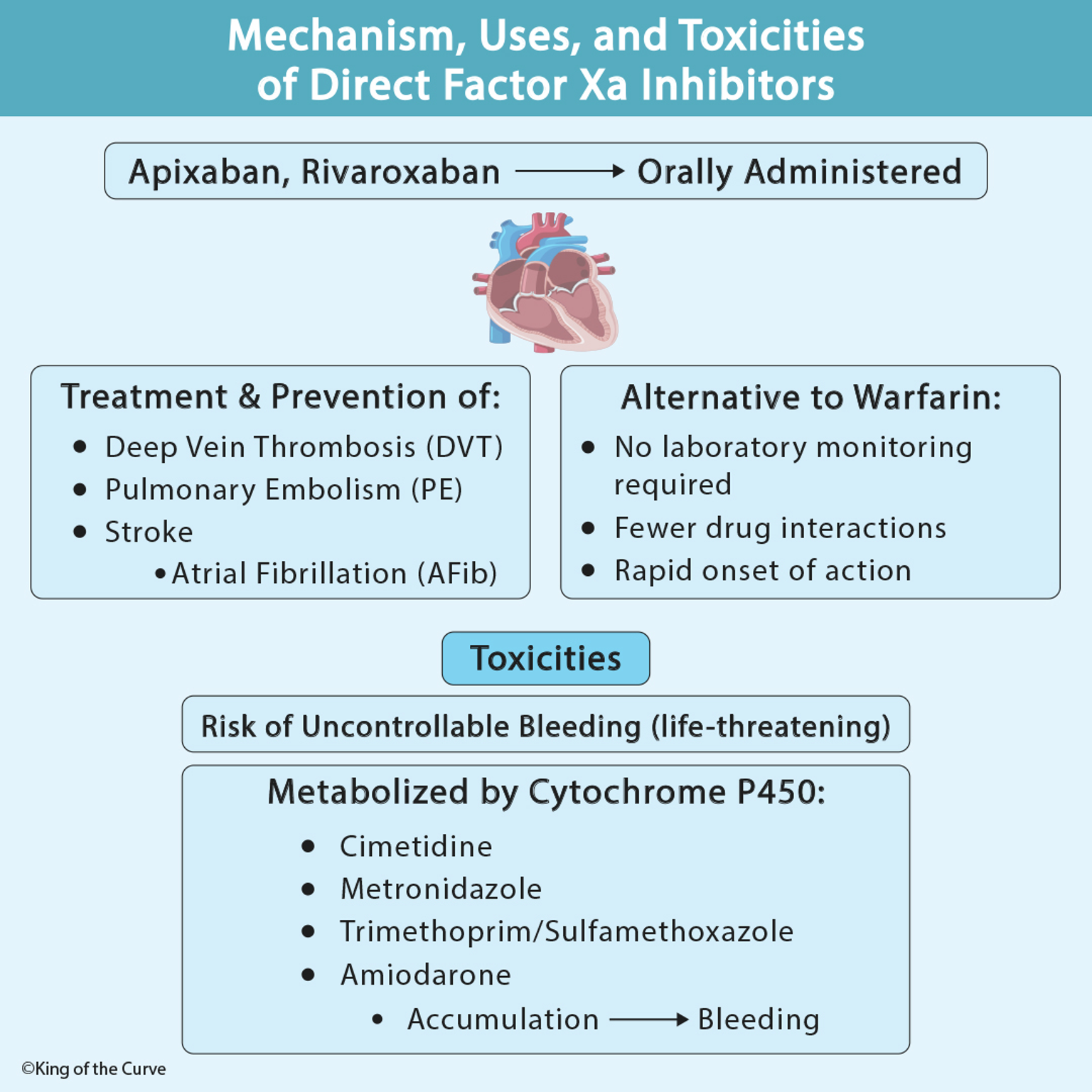
💊 Direct Factor Xa Inhibitors: Mechanism, Uses, and Toxicities
Learn how direct Factor Xa inhibitors like apixaban and rivaroxaban prevent blood clots, their clinical uses, advantages over warfarin, and key toxicities.
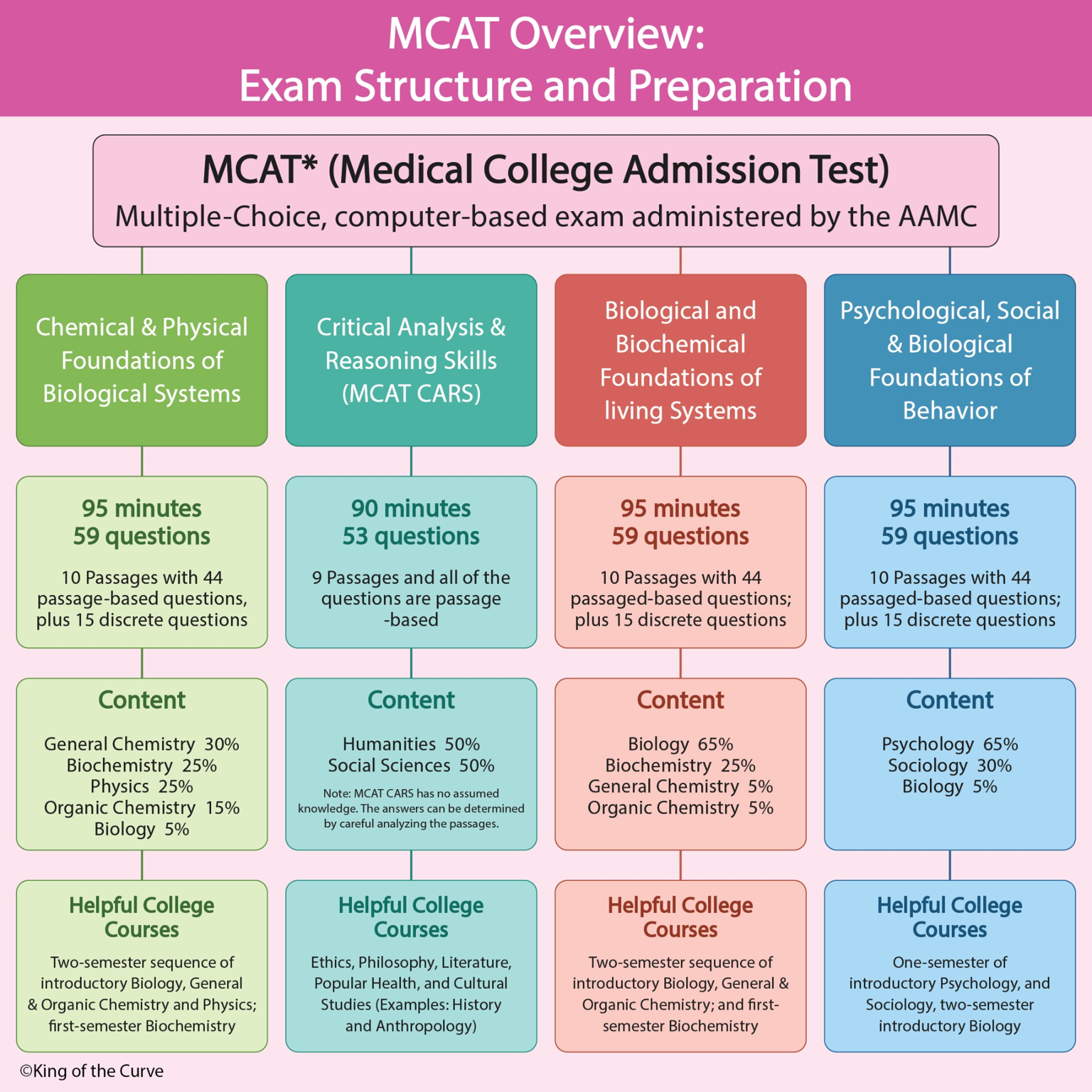
🧠 MCAT Overview: Exam Structure and Preparation Guide
Learn the MCAT exam structure, four sections, timing, and content breakdown. A complete overview to help pre-med students prepare effectively.
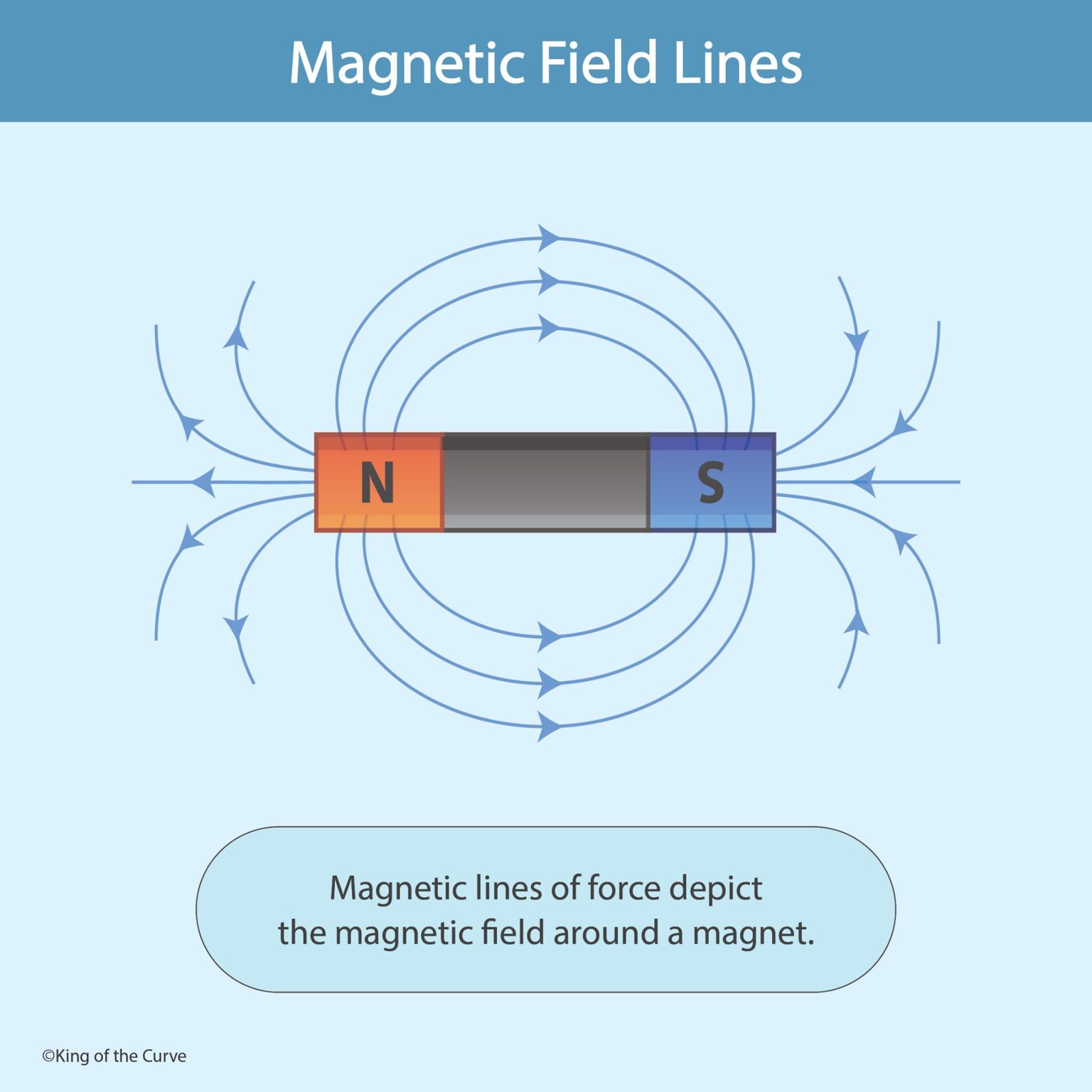
🧲 Magnetic Field Lines: Visualizing Magnetic Forces
Learn how magnetic field lines visualize magnetic forces around a magnet, including direction, strength, and MCAT physics applications.
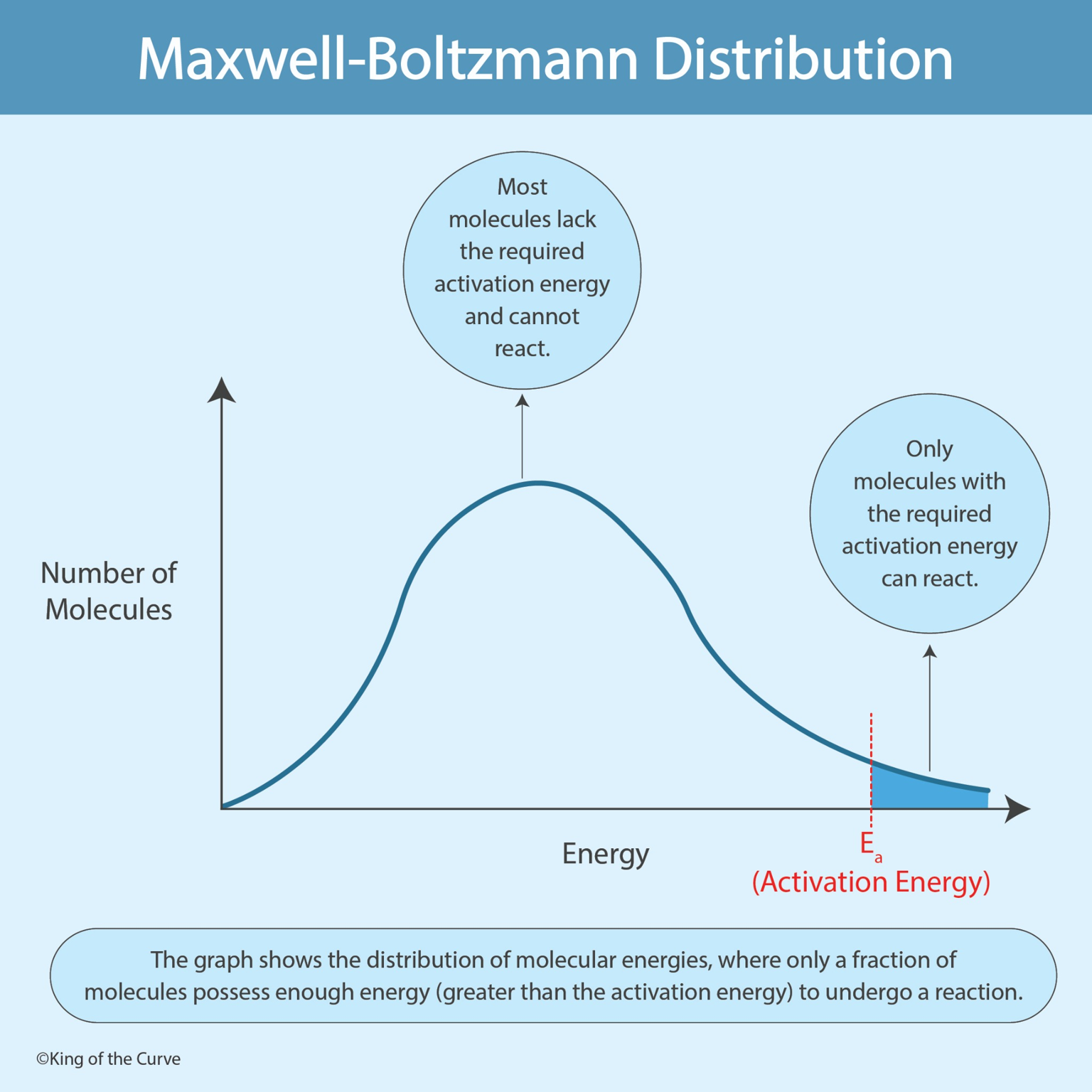
🧪 Maxwell–Boltzmann Distribution: Understanding Molecular Energy in Chemical Reactions
Learn how the Maxwell–Boltzmann distribution explains molecular energy, activation energy, and reaction rates. A key MCAT chemistry concept in chemical kinetics.
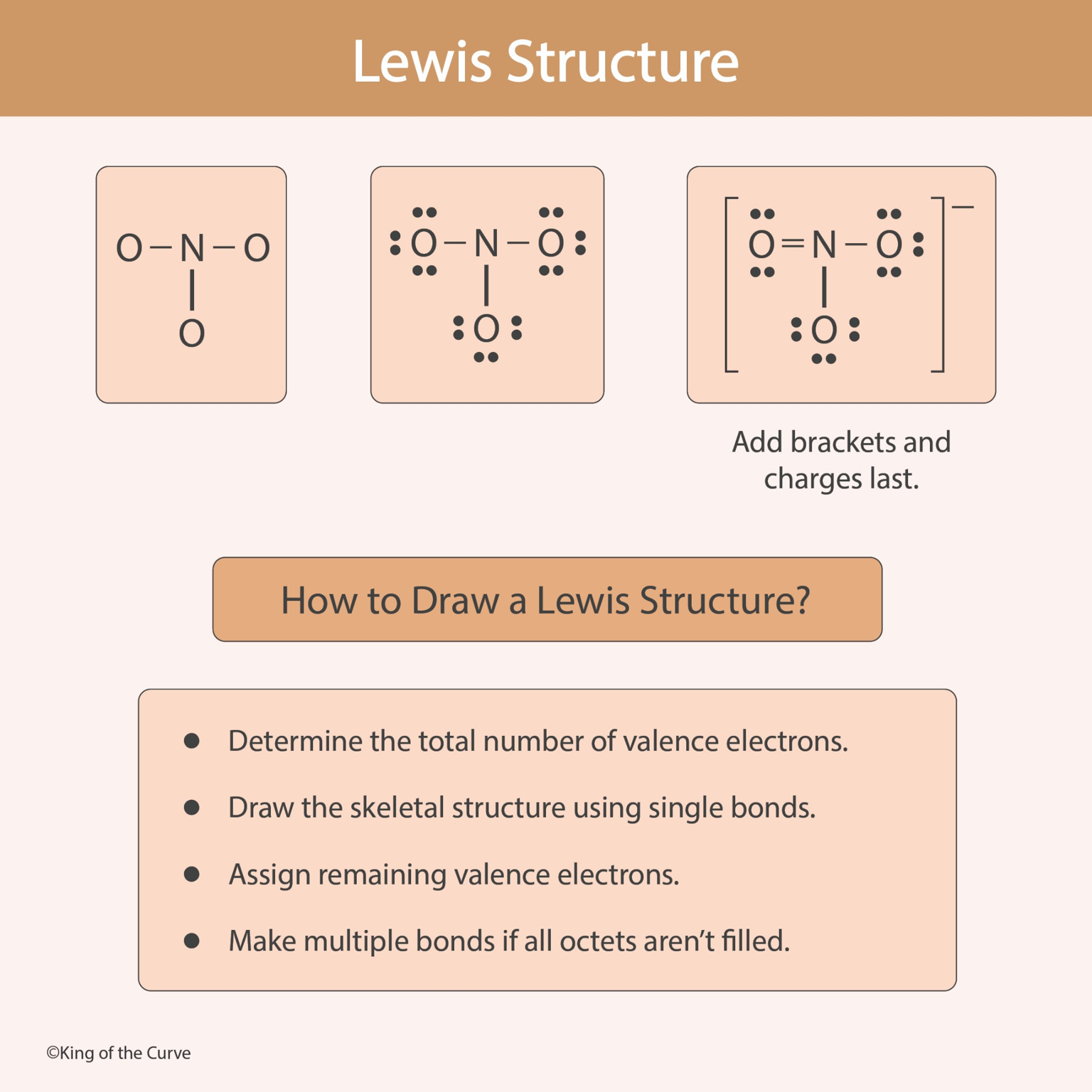
🧪 Lewis Structures: A Step-by-Step Guide to Understanding Molecular Bonding
Learn how to draw Lewis structures step-by-step. Understand valence electrons, bonding, and octet rules for MCAT chemistry and molecular structure.
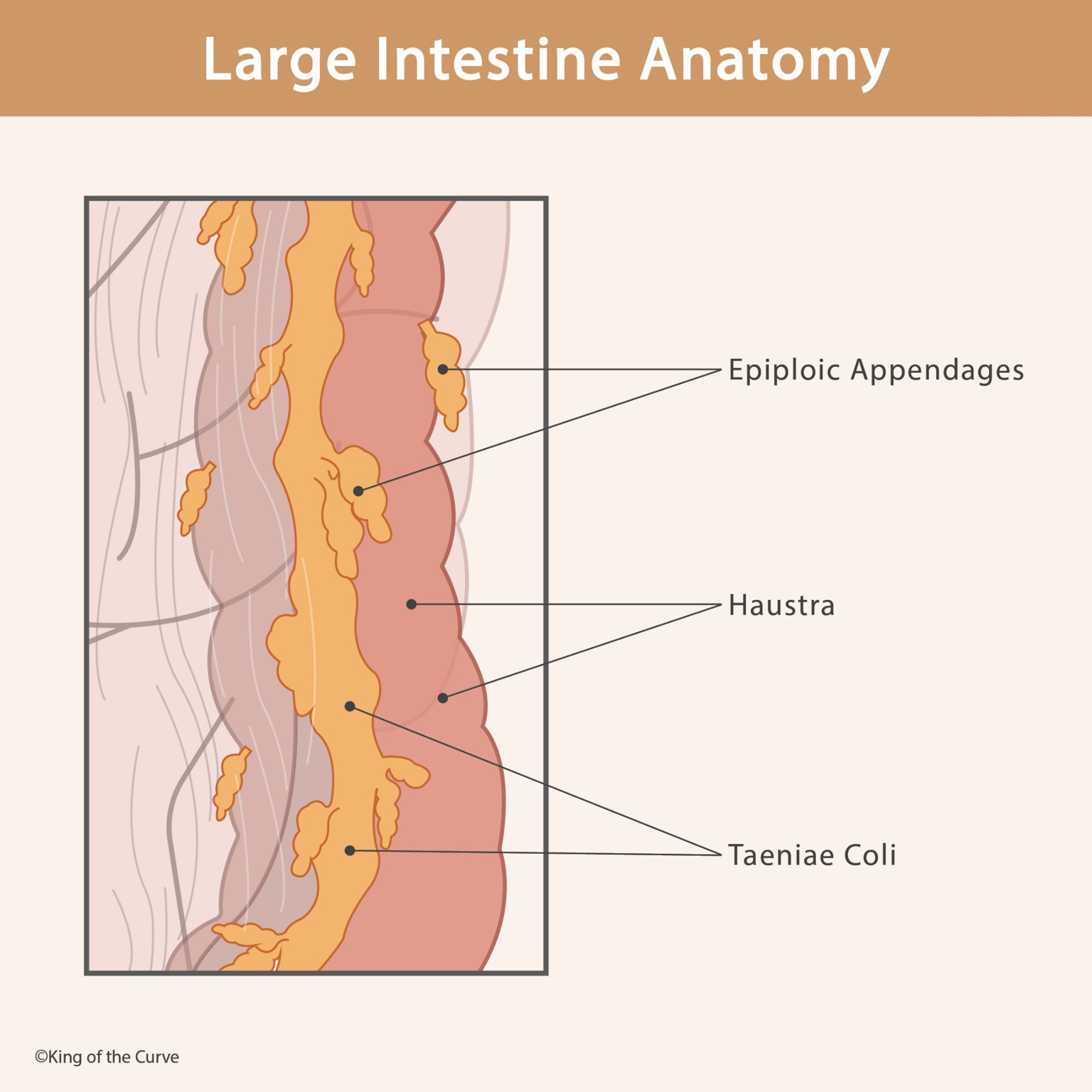
🧬 Large Intestine Anatomy: Structure and Function of the Colon
Learn the anatomy of the large intestine including haustra, taeniae coli, and epiploic appendages. A key MCAT biology concept for digestive physiology.
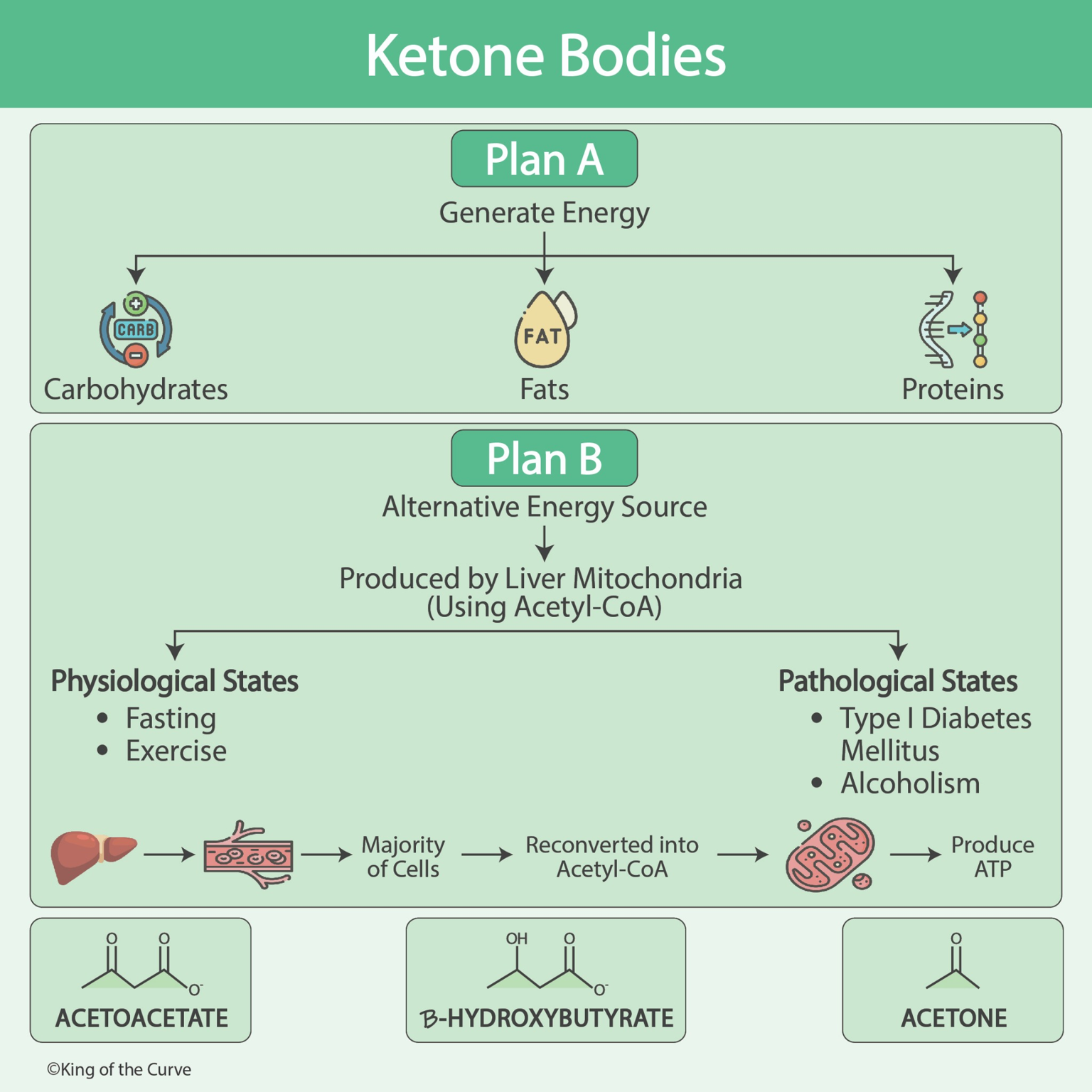
🧬 Ketone Bodies: The Body’s Alternative Energy Source
Learn how ketone bodies are produced and used for energy during fasting and diabetes. Understand acetoacetate, β-hydroxybutyrate, and acetone for MCAT biochemistry.
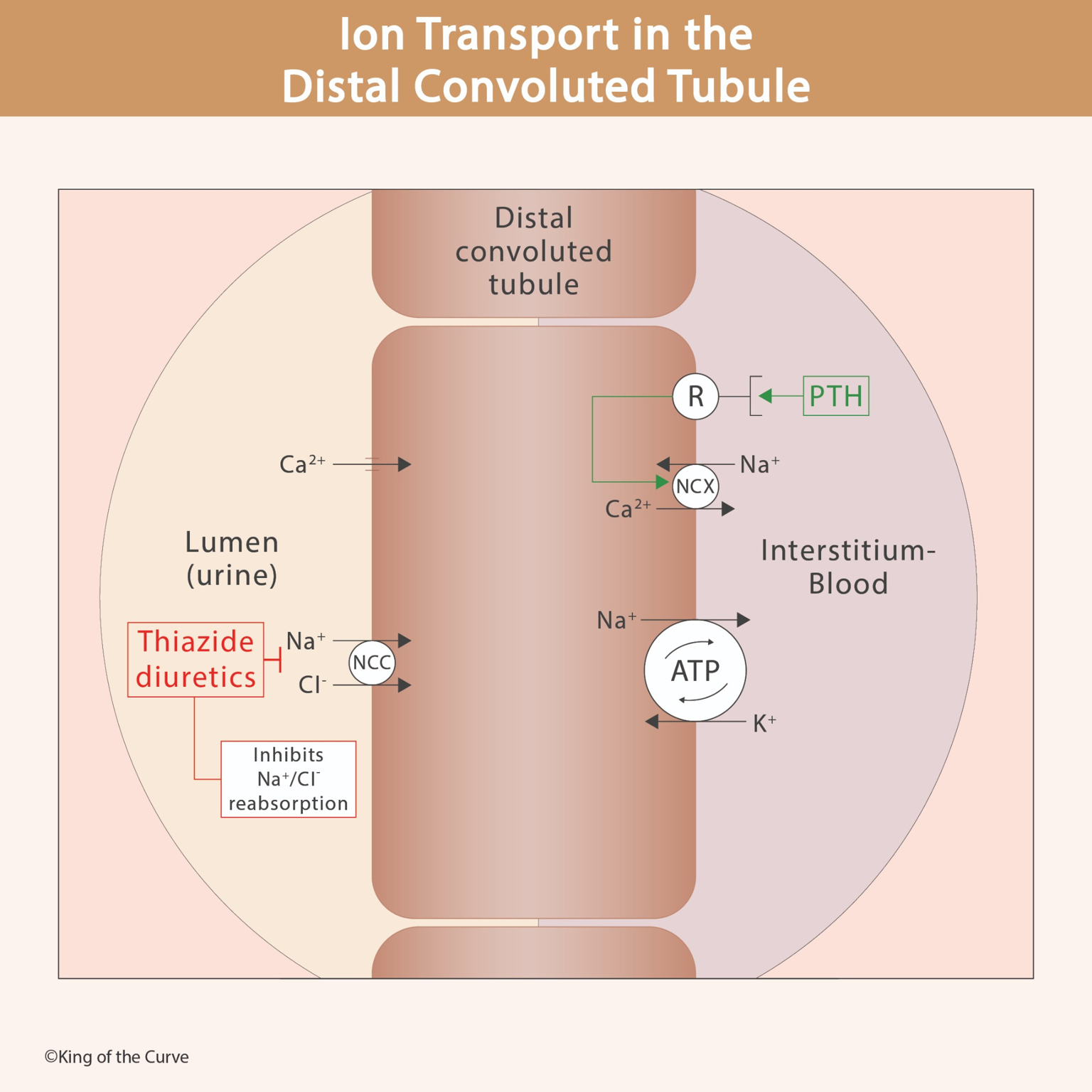
🧬 Ion Transport in the Distal Convoluted Tubule: Understanding Kidney Electrolyte Regulation
Learn how ion transport works in the distal convoluted tubule, including Na⁺/Cl⁻ transport, calcium regulation by PTH, and thiazide diuretics. MCAT physiology guide.
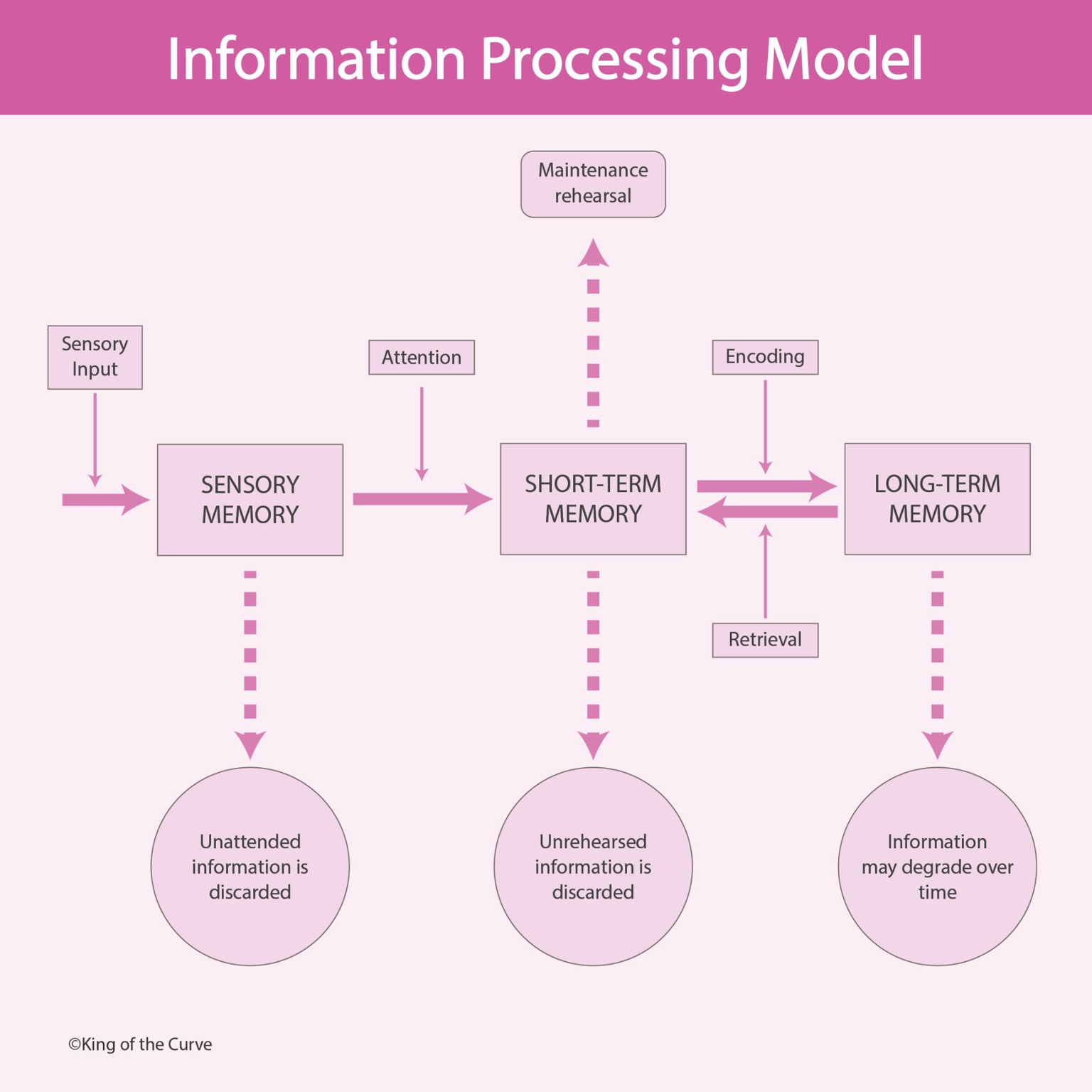
🧠 The Information Processing Model: How the Brain Stores and Retrieves Memory
Learn how the Information Processing Model explains sensory memory, short-term memory, long-term memory, encoding, and retrieval. A key MCAT psychology concept.

💉 Understanding Lower GI Bleeding
Learn about lower GI bleeding, its causes like inflammation, abscess, and perforation, and how it differs from upper GI bleeding. Explore our detailed infographic and table comparing symptoms, diagnosis, and treatment approaches.
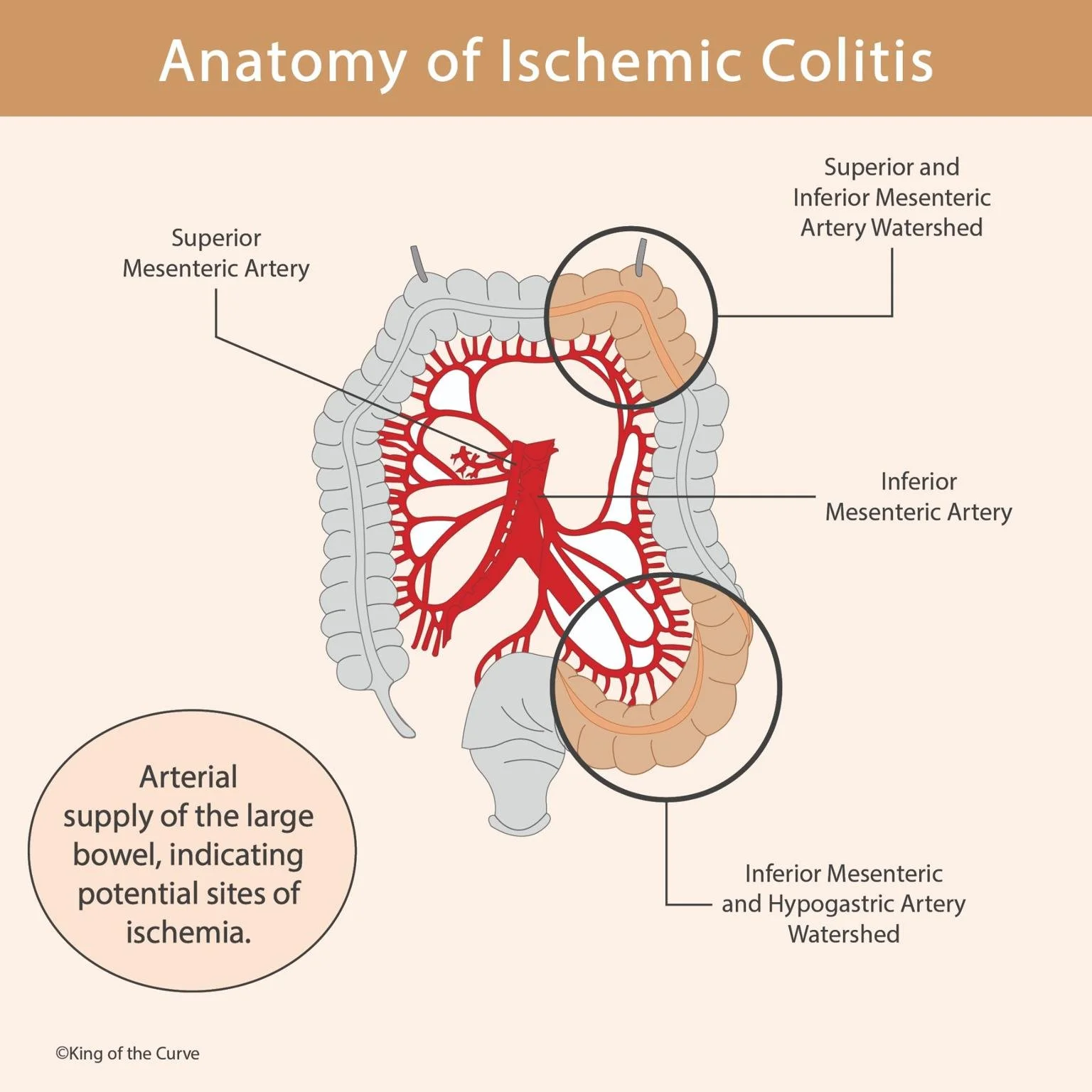
🚨 Ischemic Colitis: The Watershed Zones You Can’t Forget for the MCAT
Learn the vascular anatomy of the colon and key watershed zones tied to ischemic colitis. Visual aid + MCAT tips from King of the Curve.