
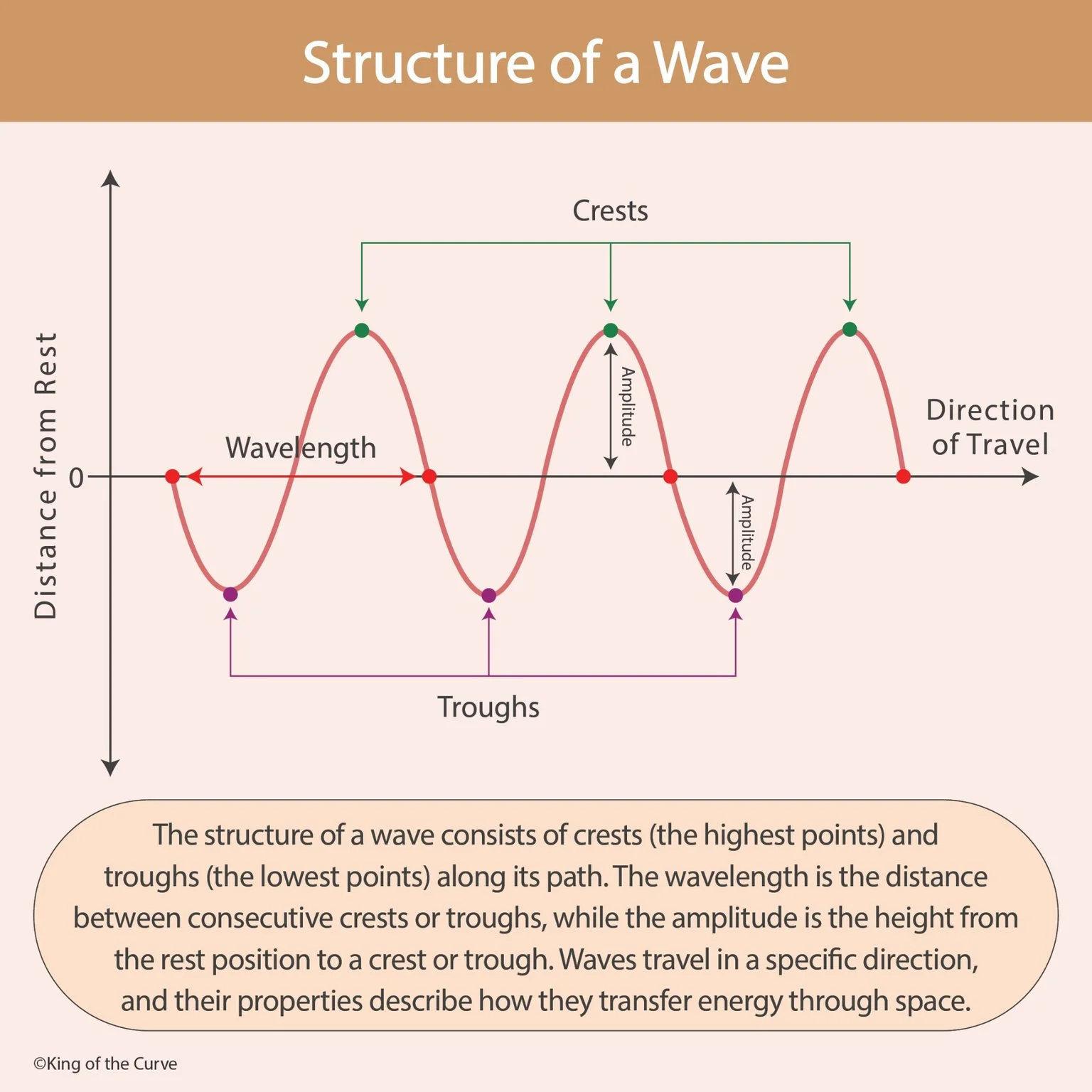
🌊 Structure of a Wave: Wavelength, Amplitude, Crests, and Troughs
Learn the structure of a wave for the MCAT, including crests, troughs, amplitude, wavelength, frequency, period, and the wave speed equation v = fλ.
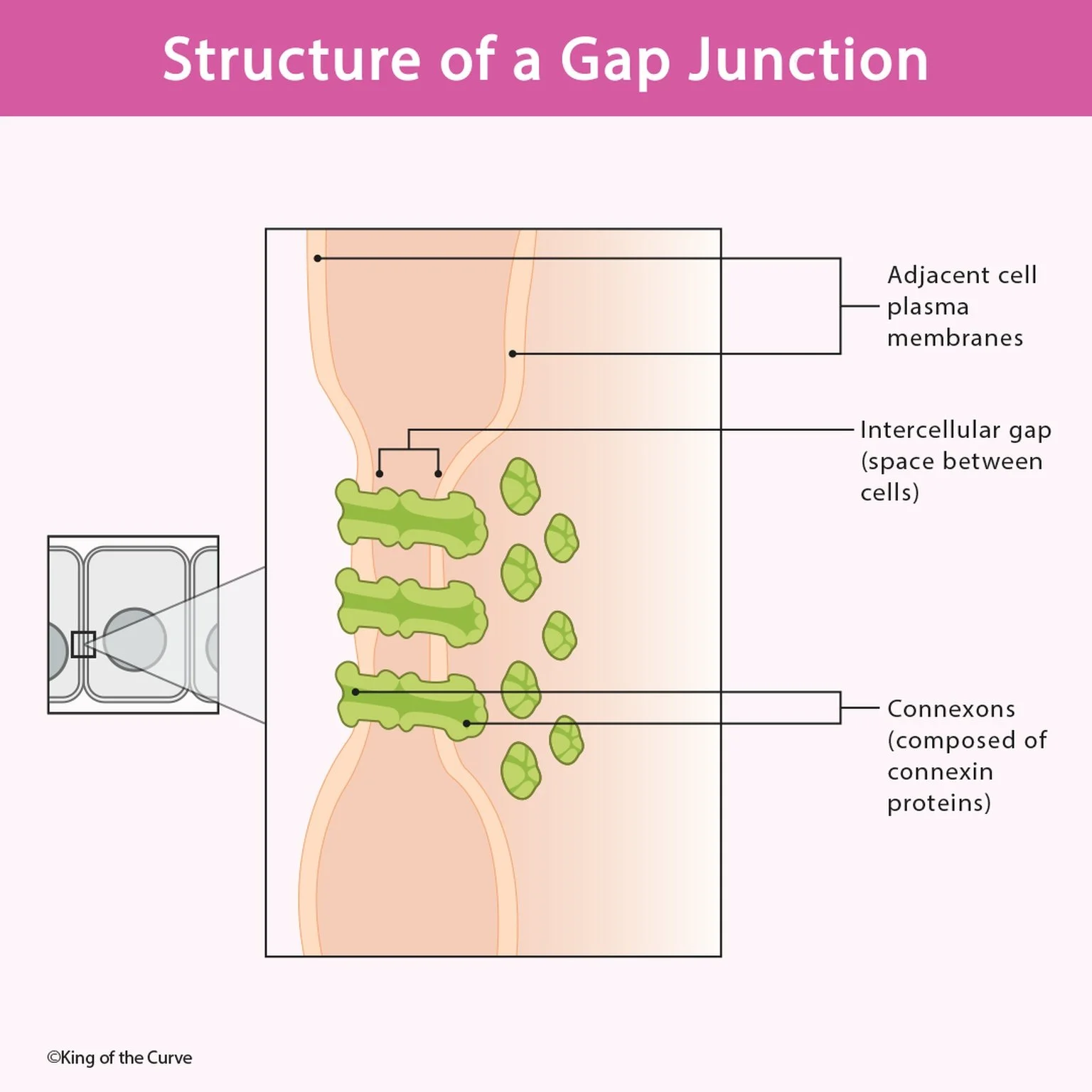
🔗 Gap Junctions: Structure, Function, and Cell-to-Cell Communication
Learn gap junction structure and function, including connexins, connexons, intercellular communication, and their roles in cardiac and smooth muscle for the MCAT.
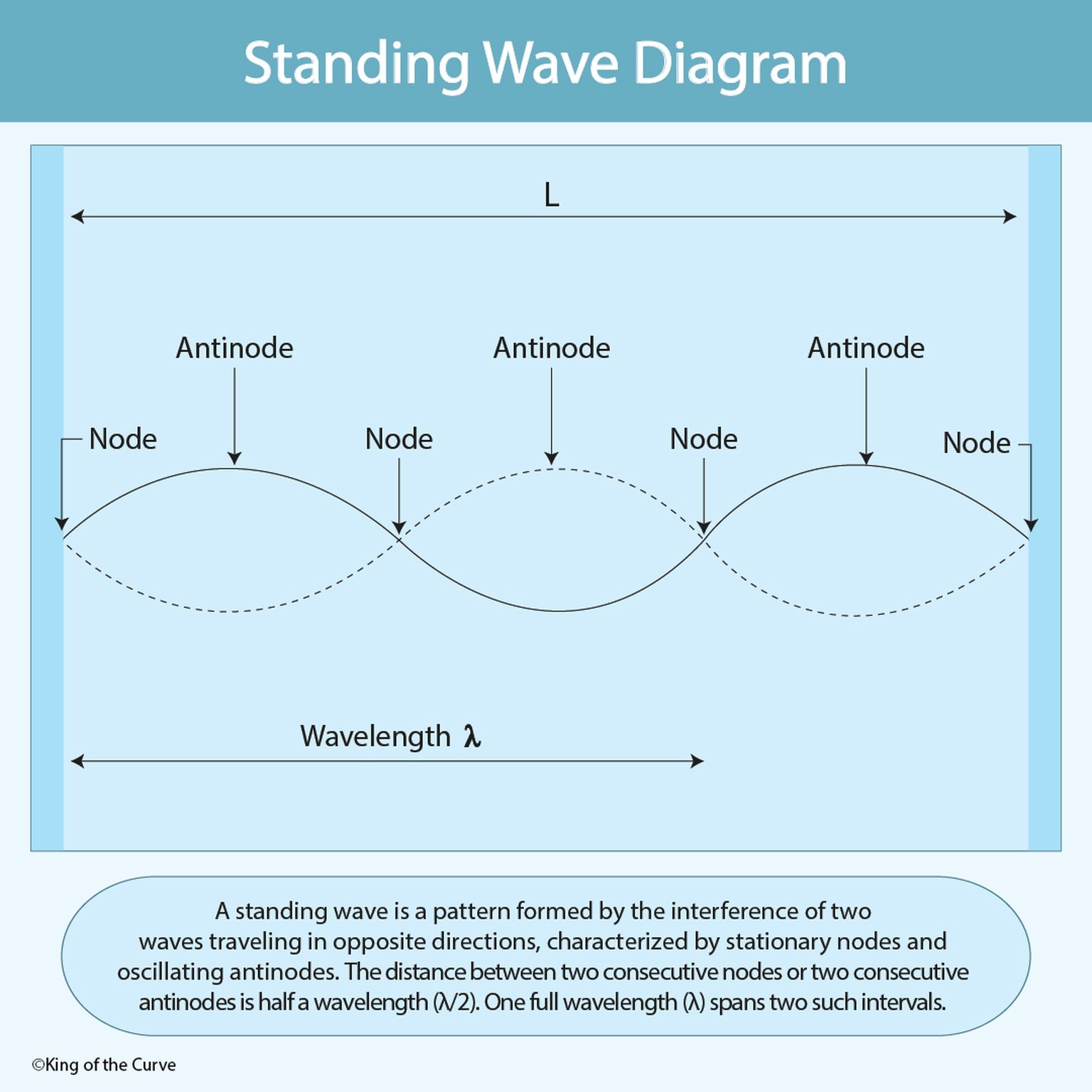
🌊 Standing Waves Explained: Nodes, Antinodes, Wavelength, and Harmonics
Learn standing waves for the MCAT, including nodes, antinodes, wavelength, harmonics, resonance, and key λ/2 and λ/4 relationships.
ASVAB Study Guide: Subtests, AFQT, and 8-Week Plan
Understand the ASVAB subtests, AFQT and line-score priorities, CAT-ASVAB behavior, error review, and a practical eight-week study plan.
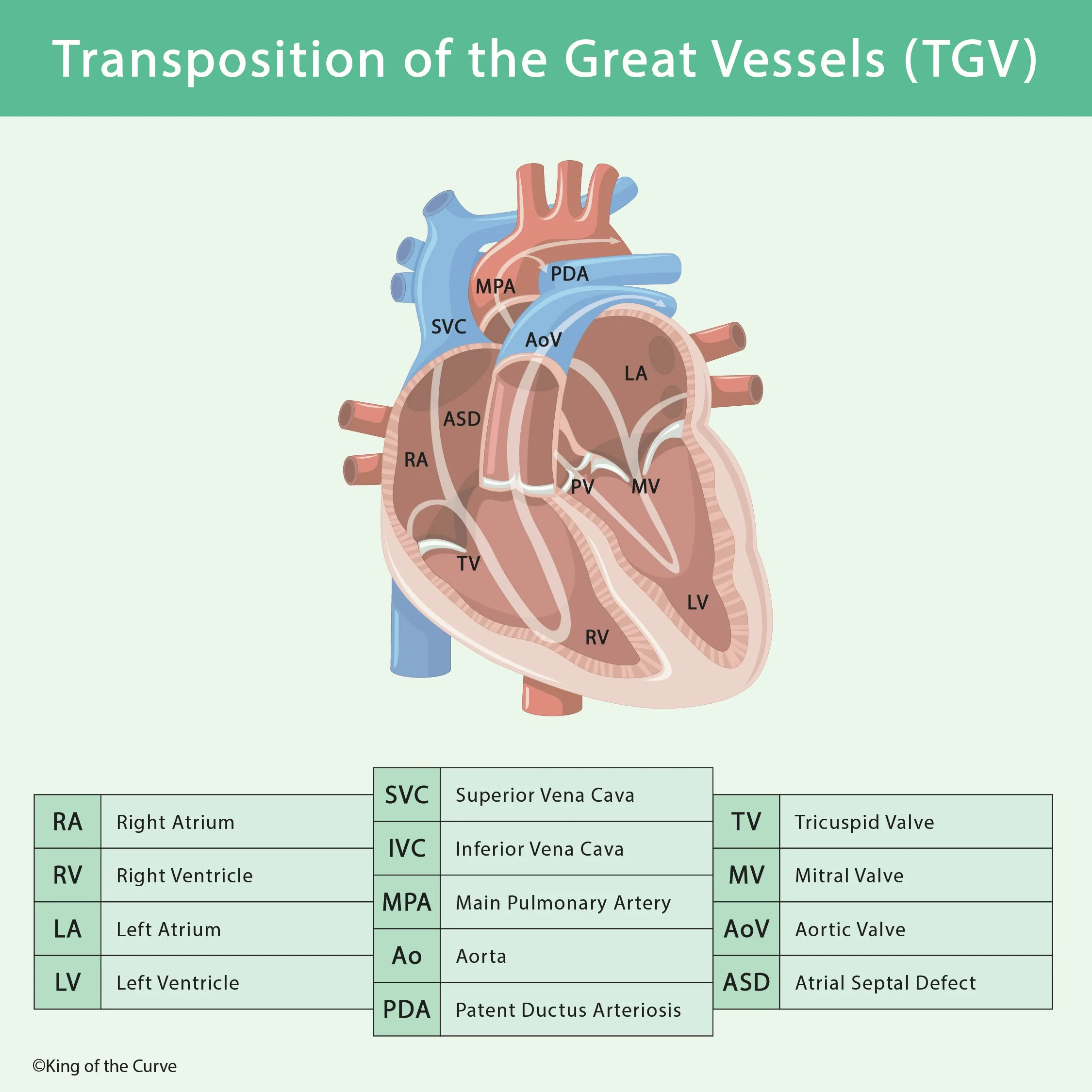
Transposition of the Great Vessels (TGV): A High-Yield MCAT Guide
Learn transposition of the great arteries for the MCAT, including parallel circulation, cyanosis, ASD, VSD, PDA, prostaglandin E1, and embryology.
CELPIP-General Study Guide: Format and 8-Week Plan
Prepare for CELPIP-General with the current Listening, Reading, Writing, and Speaking format, Canadian task contexts, and an eight-week plan.
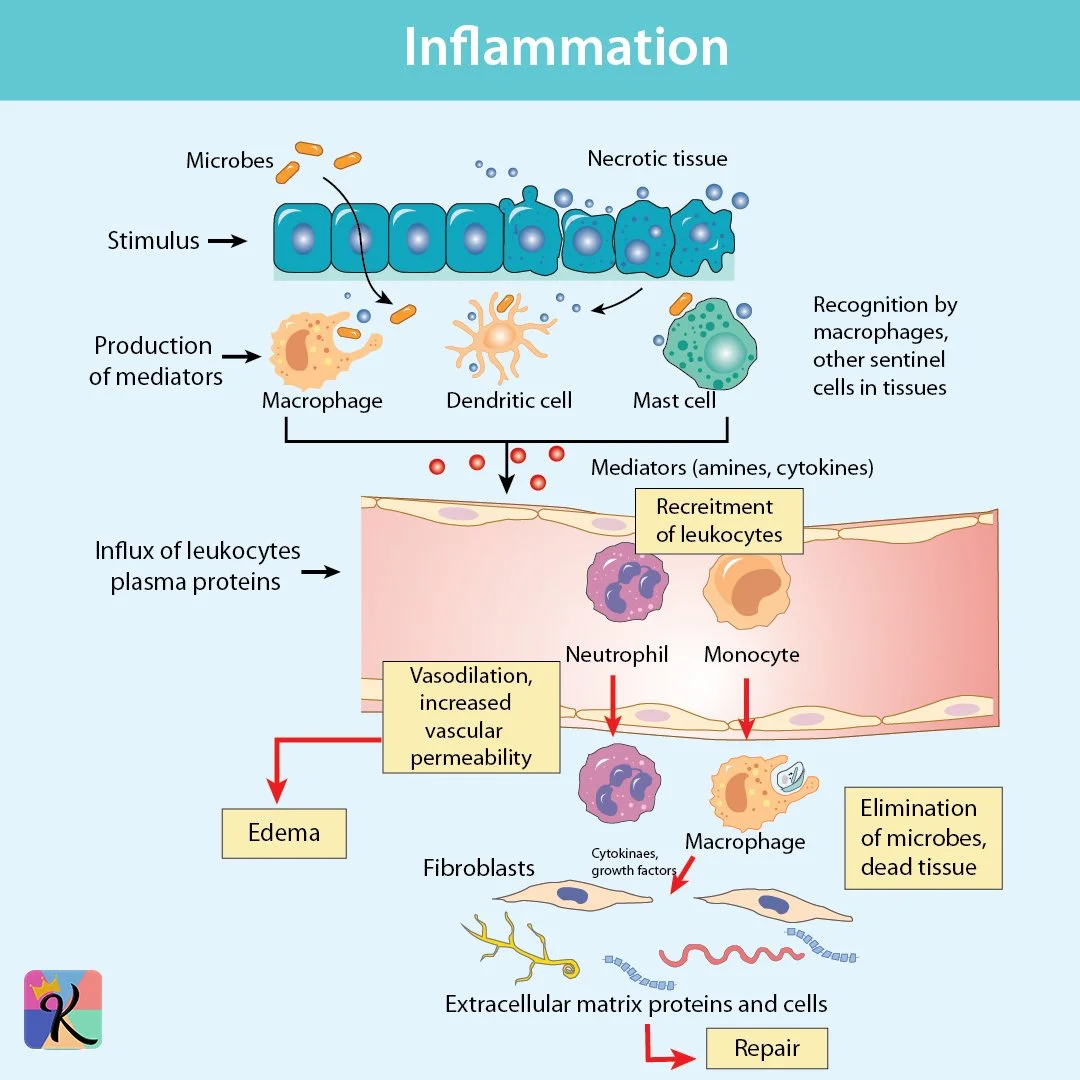
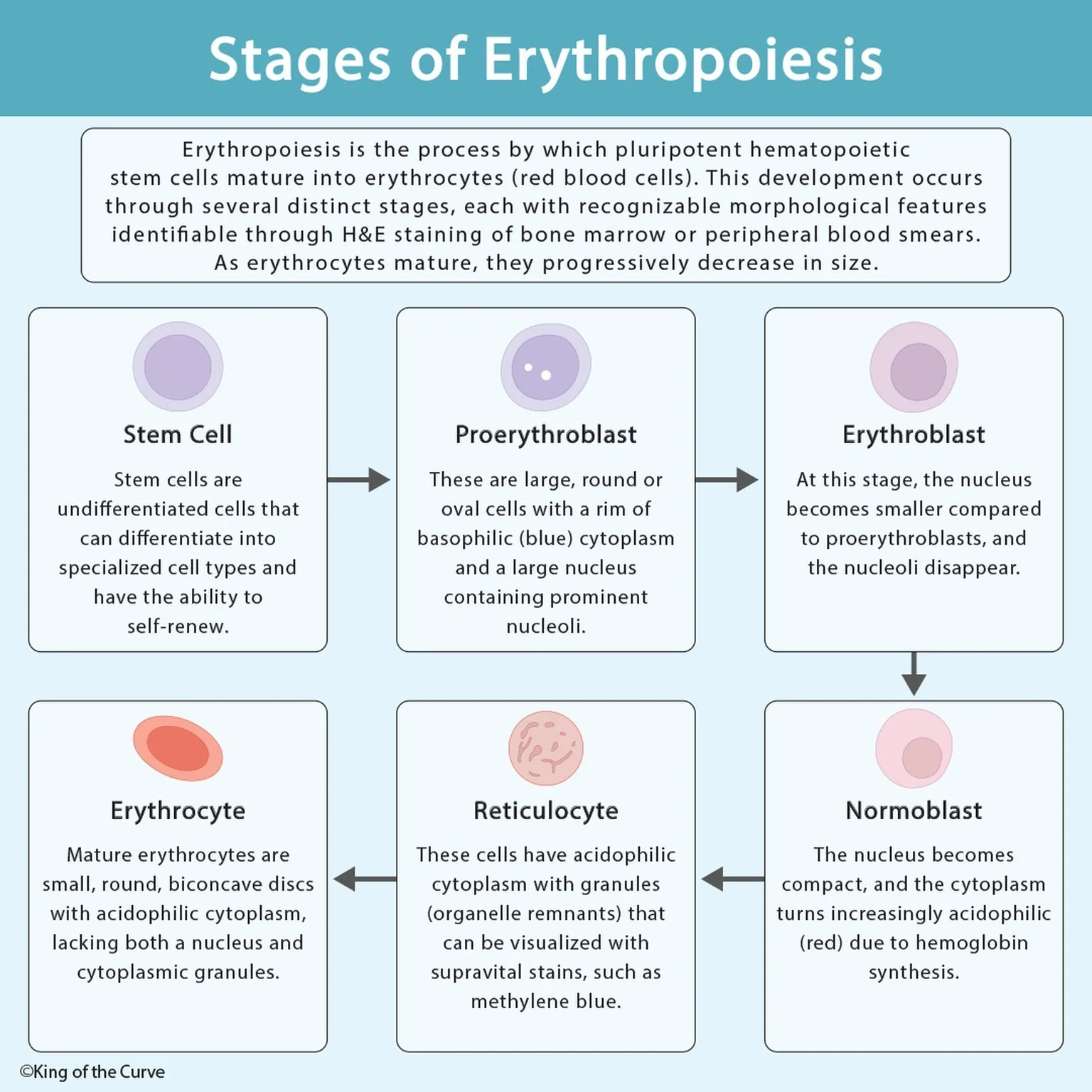
🩸 Stages of Erythropoiesis: How Red Blood Cells Develop
Learn the stages of erythropoiesis from hematopoietic stem cells to mature erythrocytes, including erythroblasts, reticulocytes, and EPO regulation.
TOEFL iBT Study Guide: New Format and 8-Week Plan
Learn the adaptive 2026 TOEFL iBT format, new 1–6 scoring scale, Reading, Listening, Writing, and Speaking tasks, plus an eight-week plan.
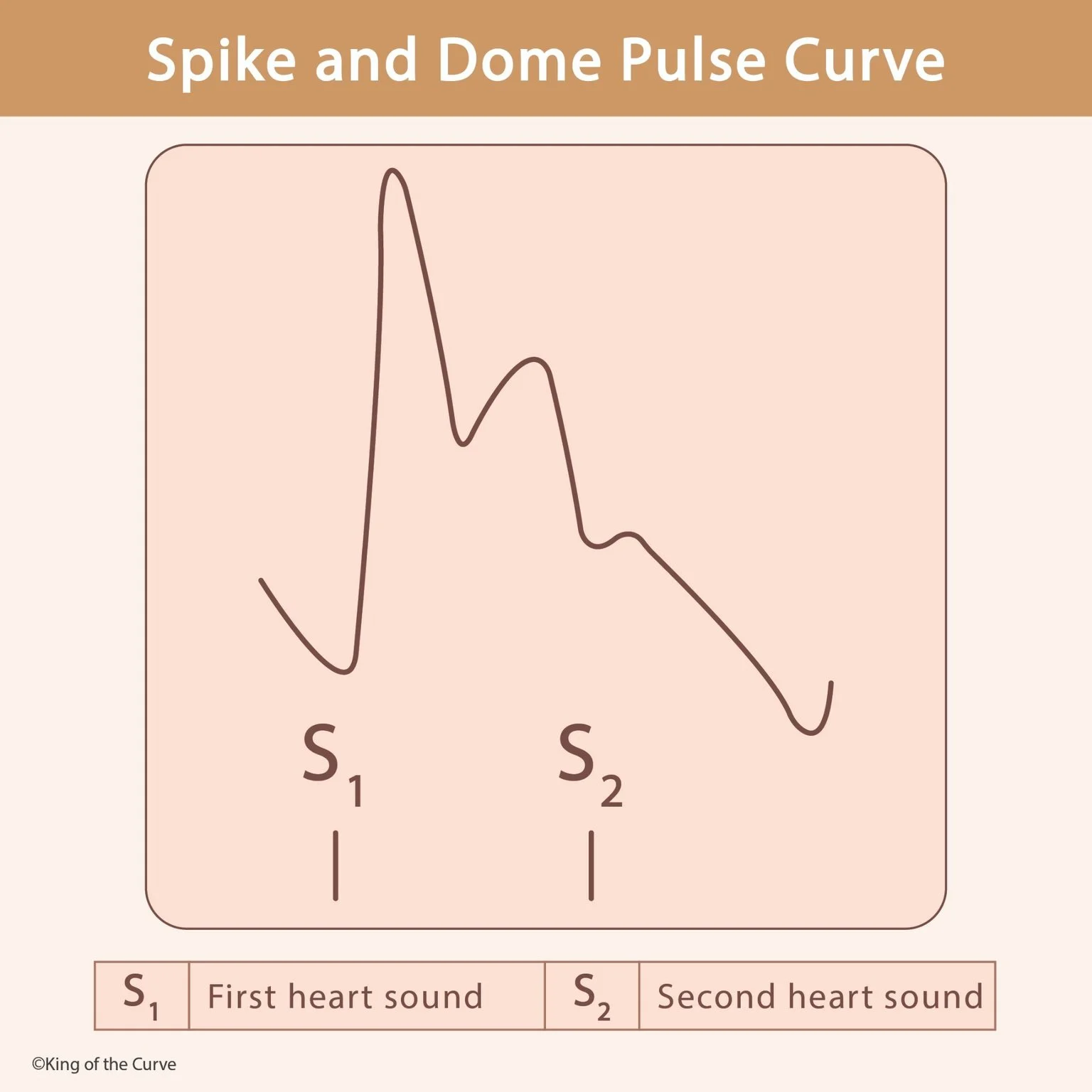
❤️ Spike and Dome Pulse Curve: Understanding Pulsus Bisferiens
Learn the spike and dome pulse curve for the MCAT, including pulsus bisferiens, HOCM, LV outflow obstruction, heart sounds, and preload changes.
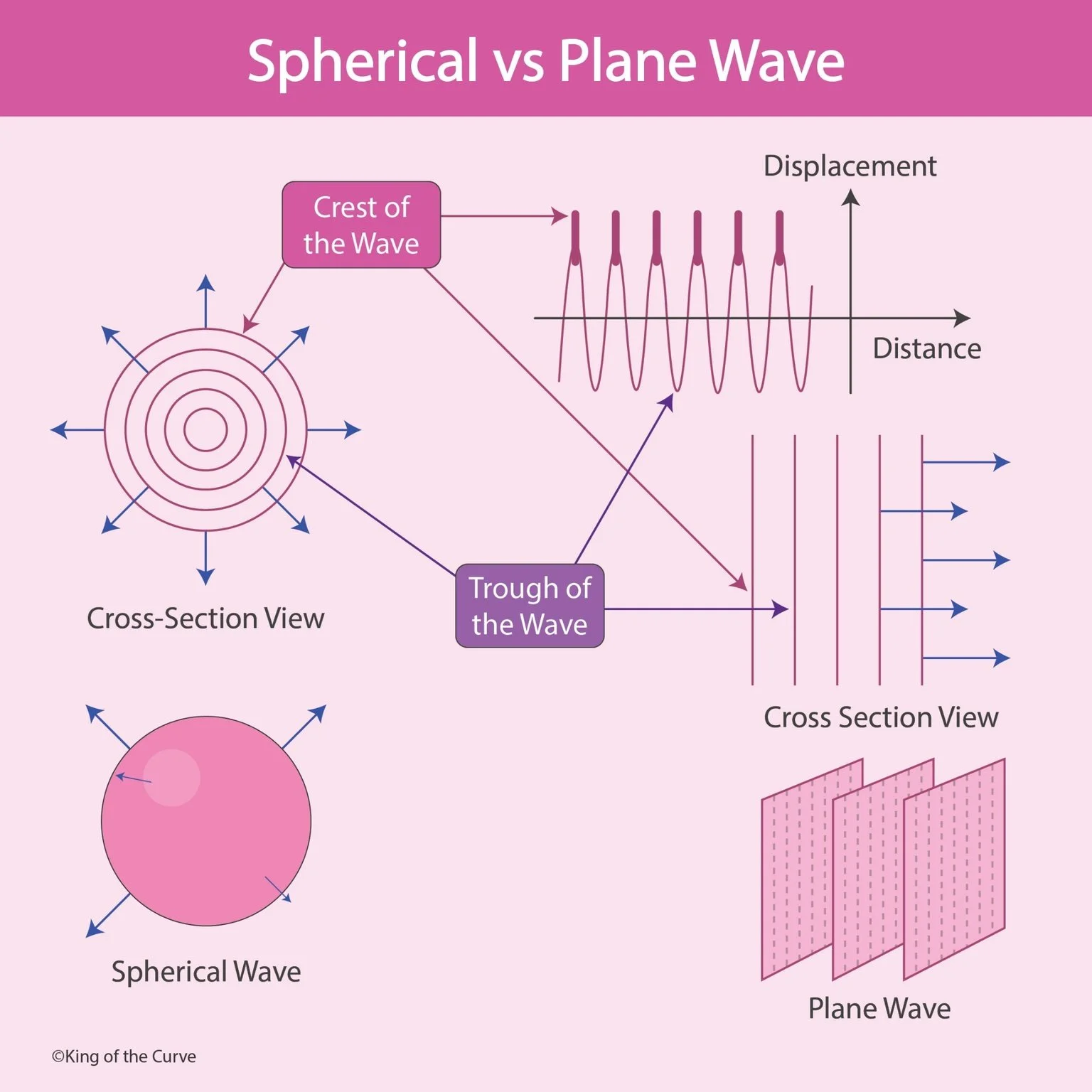
🌊 Spherical vs Plane Waves: Wavefronts, Propagation, and Intensity for the MCAT
Learn spherical vs plane waves for the MCAT, including wavefronts, propagation, crests, troughs, intensity, wavelength, and the inverse-square law.
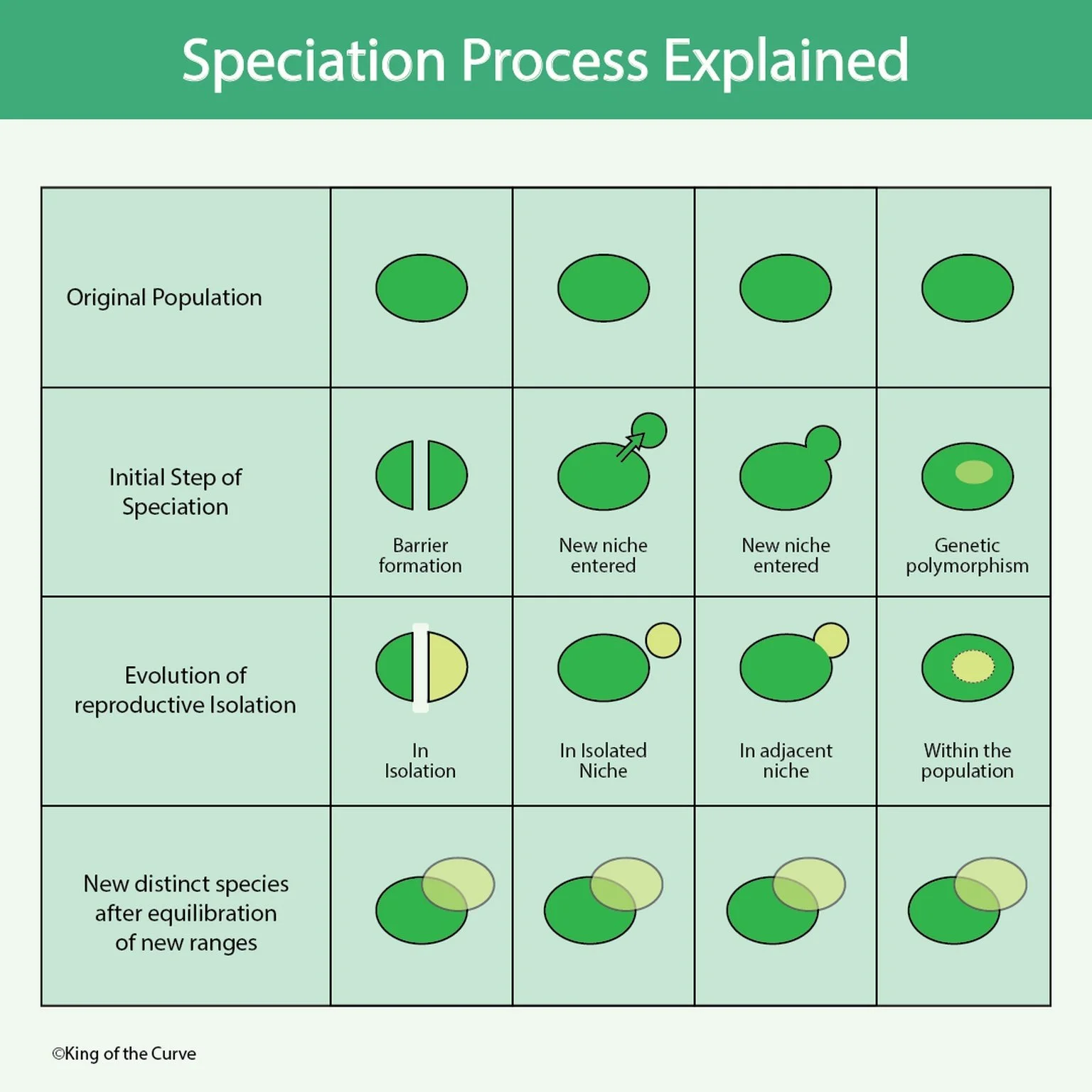
🧬 Speciation Process Explained: How New Species Form
Learn the speciation process for the MCAT, including reproductive isolation, allopatric, sympatric, and parapatric speciation, gene flow, and genetic divergence.
NextGen UBE Study Guide: Format and 10-Week Plan
Prepare for the NextGen UBE with the current nine-hour structure, question types, subject and skills scope, transition rules, and a ten-week plan.

🧠 Somatosensation: How the Body Detects Touch, Pain, Temperature, and Movement
Learn somatosensation for the MCAT, including mechanoreception, nociception, thermoception, proprioception, balance, and sensory integration.

⚗️ Rate Laws and Reaction Orders Explained: A High-Yield MCAT Chemistry Guide
Learn zero-, first-, and second-order reactions for the MCAT, including rate laws, integrated rate laws, linear plots, slopes, and half-life equations.
LSAT Study Guide: Format, Strategy, and 8-Week Plan
Understand the current LSAT sections, Logical Reasoning and Reading Comprehension methods, writing task, testing policy, and eight-week plan.

⚡ Newton’s Second Law: Force, Mass, and Acceleration Explained
Learn Newton’s Second Law, F = ma, and how force, mass, and acceleration relate. Review key equations, examples, and high-yield MCAT physics concepts.
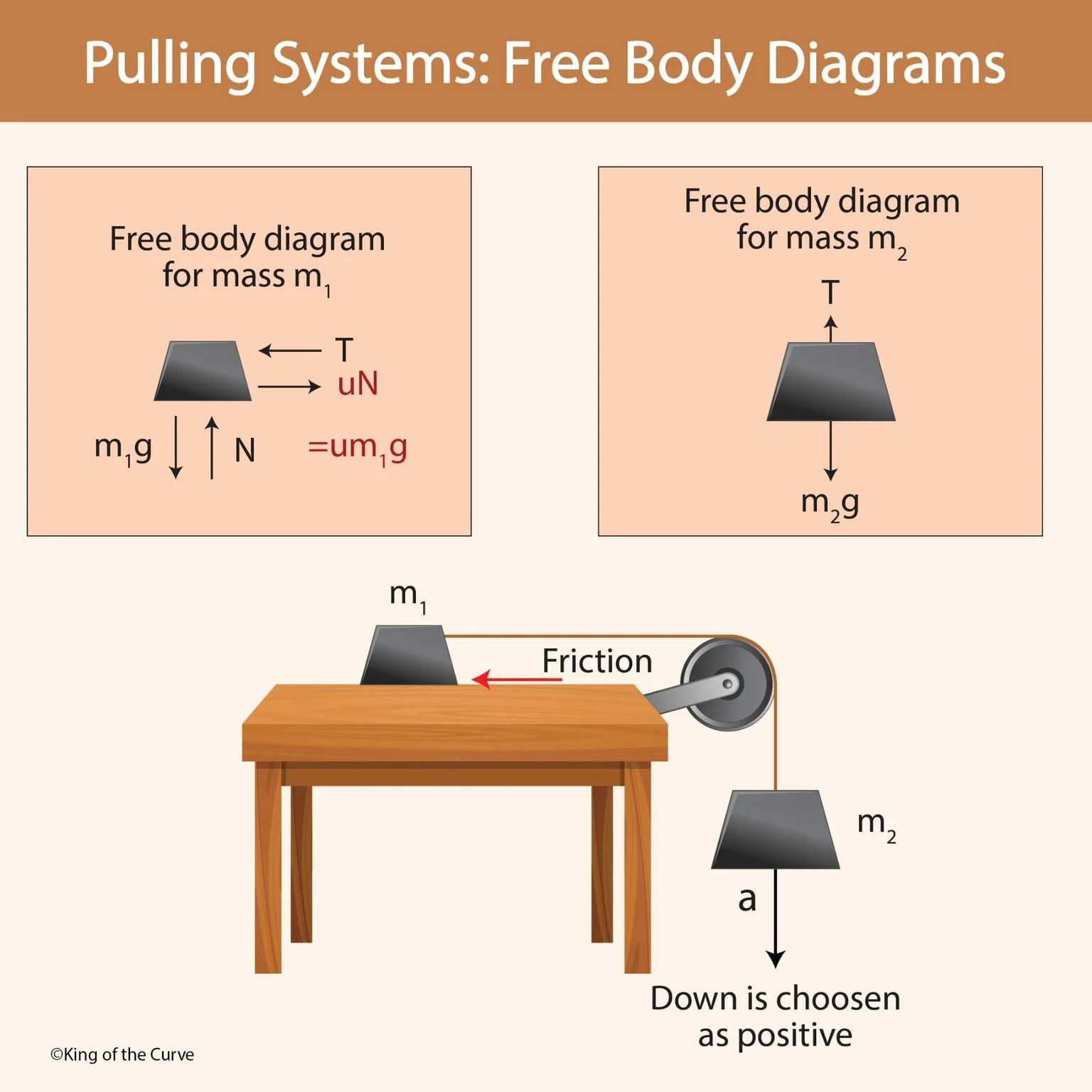
🧲 Pulling Systems & Free-Body Diagrams: Tension, Friction, and Acceleration
Learn pulling systems and free-body diagrams with tension, friction, normal force, and acceleration equations for high-yield MCAT physics problems.
GMAT Study Guide: Format, Strategy, and 8-Week Plan
Learn the current GMAT structure, Quantitative, Verbal, and Data Insights strategy, answer-review rules, and a focused eight-week plan.