ASVAB Study Guide: Subtests, AFQT, and 8-Week Plan
Understand the ASVAB subtests, AFQT and line-score priorities, CAT-ASVAB behavior, error review, and a practical eight-week study plan.
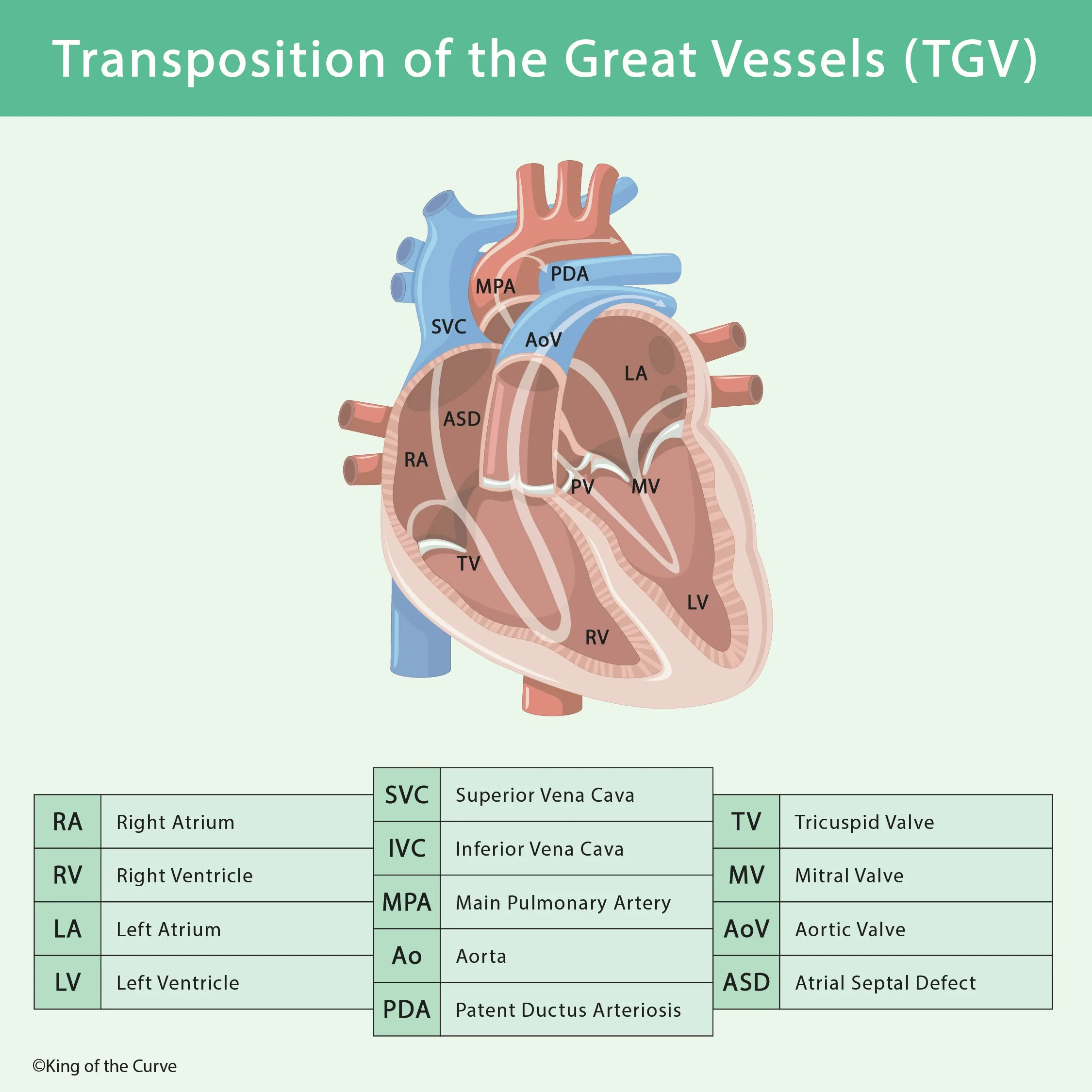
Transposition of the Great Vessels (TGV): A High-Yield MCAT Guide
Learn transposition of the great arteries for the MCAT, including parallel circulation, cyanosis, ASD, VSD, PDA, prostaglandin E1, and embryology.
CELPIP-General Study Guide: Format and 8-Week Plan
Prepare for CELPIP-General with the current Listening, Reading, Writing, and Speaking format, Canadian task contexts, and an eight-week plan.
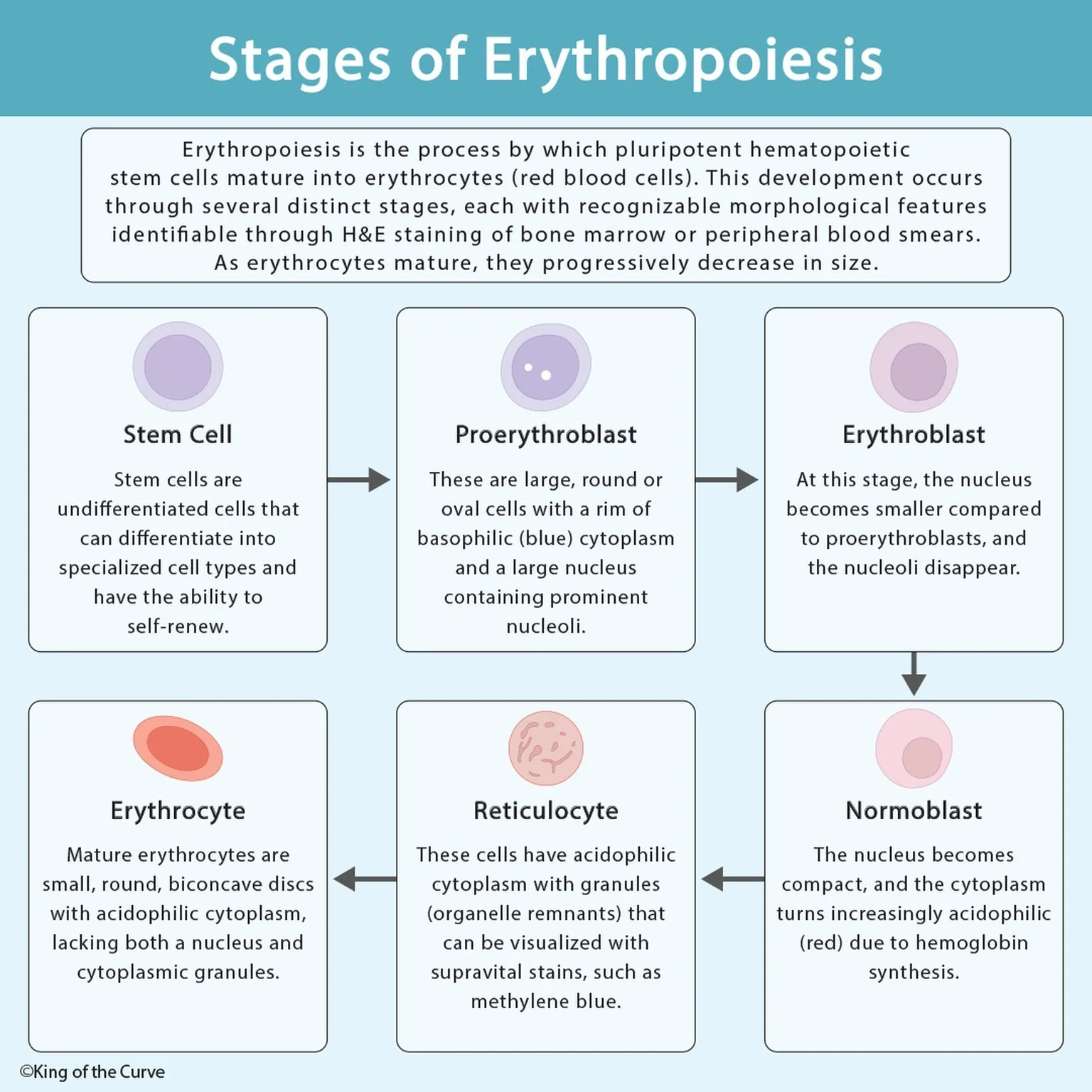
🩸 Stages of Erythropoiesis: How Red Blood Cells Develop
Learn the stages of erythropoiesis from hematopoietic stem cells to mature erythrocytes, including erythroblasts, reticulocytes, and EPO regulation.
TOEFL iBT Study Guide: New Format and 8-Week Plan
Learn the adaptive 2026 TOEFL iBT format, new 1–6 scoring scale, Reading, Listening, Writing, and Speaking tasks, plus an eight-week plan.
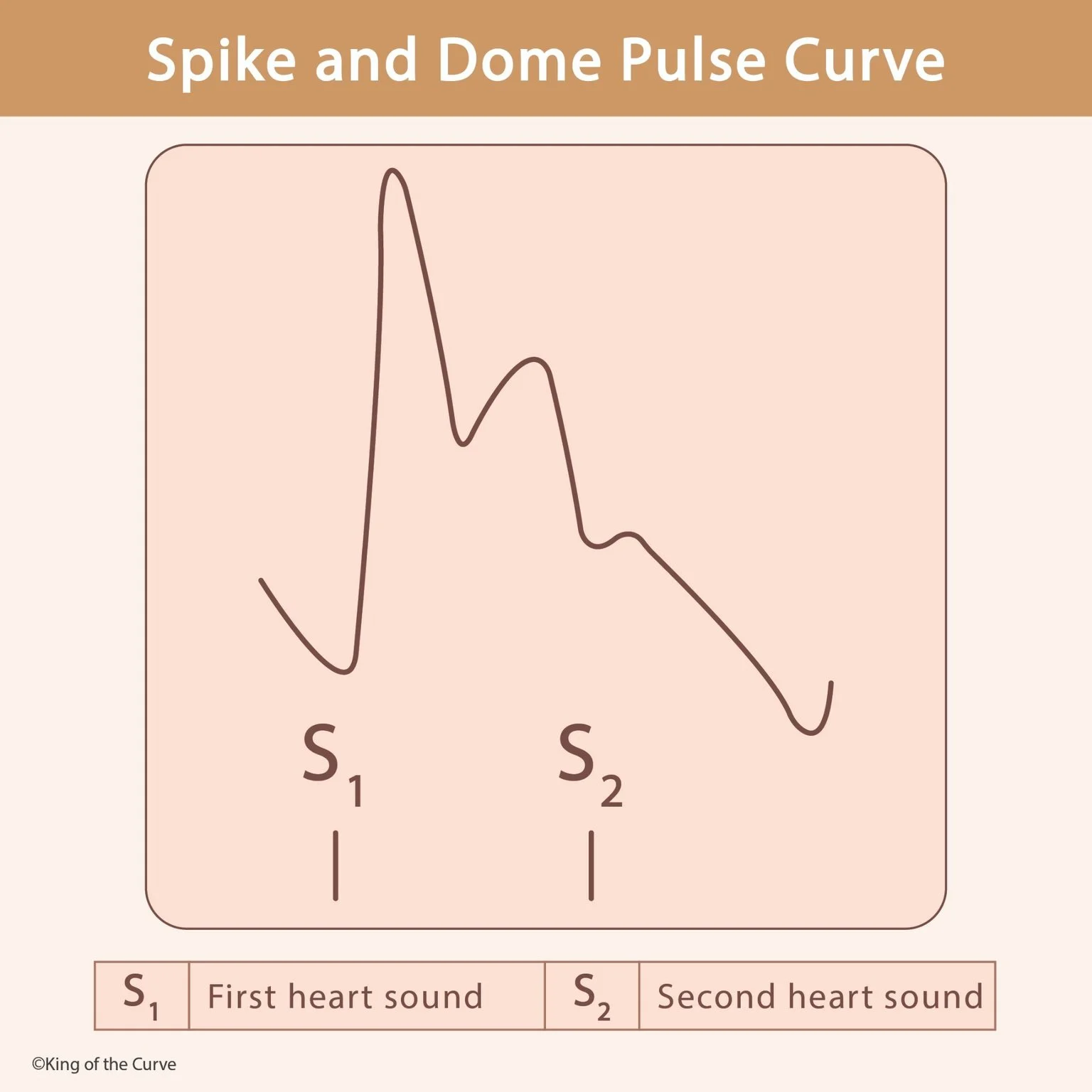
❤️ Spike and Dome Pulse Curve: Understanding Pulsus Bisferiens
Learn the spike and dome pulse curve for the MCAT, including pulsus bisferiens, HOCM, LV outflow obstruction, heart sounds, and preload changes.
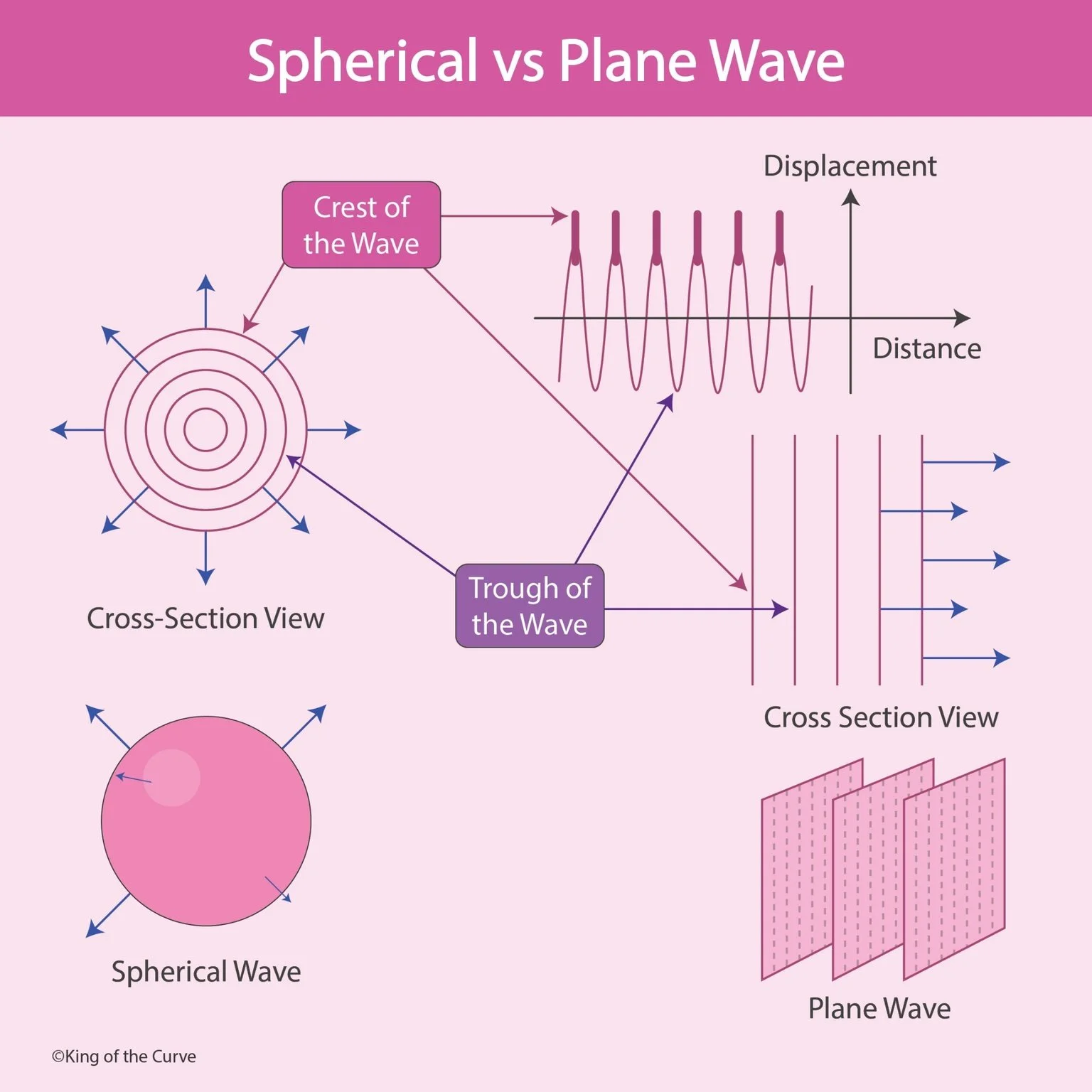
🌊 Spherical vs Plane Waves: Wavefronts, Propagation, and Intensity for the MCAT
Learn spherical vs plane waves for the MCAT, including wavefronts, propagation, crests, troughs, intensity, wavelength, and the inverse-square law.
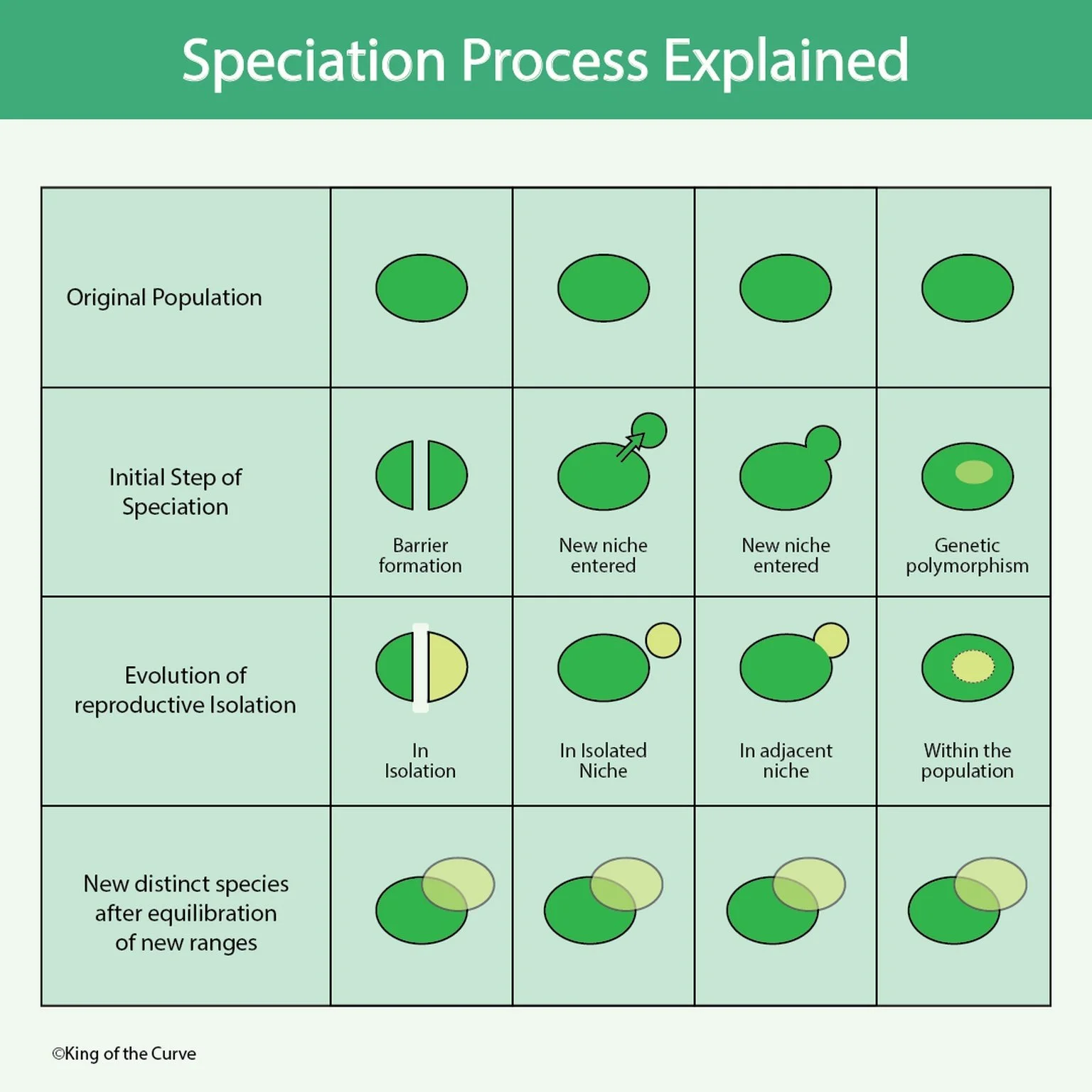
🧬 Speciation Process Explained: How New Species Form
Learn the speciation process for the MCAT, including reproductive isolation, allopatric, sympatric, and parapatric speciation, gene flow, and genetic divergence.
NextGen UBE Study Guide: Format and 10-Week Plan
Prepare for the NextGen UBE with the current nine-hour structure, question types, subject and skills scope, transition rules, and a ten-week plan.

🧠 Somatosensation: How the Body Detects Touch, Pain, Temperature, and Movement
Learn somatosensation for the MCAT, including mechanoreception, nociception, thermoception, proprioception, balance, and sensory integration.

⚗️ Rate Laws and Reaction Orders Explained: A High-Yield MCAT Chemistry Guide
Learn zero-, first-, and second-order reactions for the MCAT, including rate laws, integrated rate laws, linear plots, slopes, and half-life equations.
LSAT Study Guide: Format, Strategy, and 8-Week Plan
Understand the current LSAT sections, Logical Reasoning and Reading Comprehension methods, writing task, testing policy, and eight-week plan.

⚡ Newton’s Second Law: Force, Mass, and Acceleration Explained
Learn Newton’s Second Law, F = ma, and how force, mass, and acceleration relate. Review key equations, examples, and high-yield MCAT physics concepts.
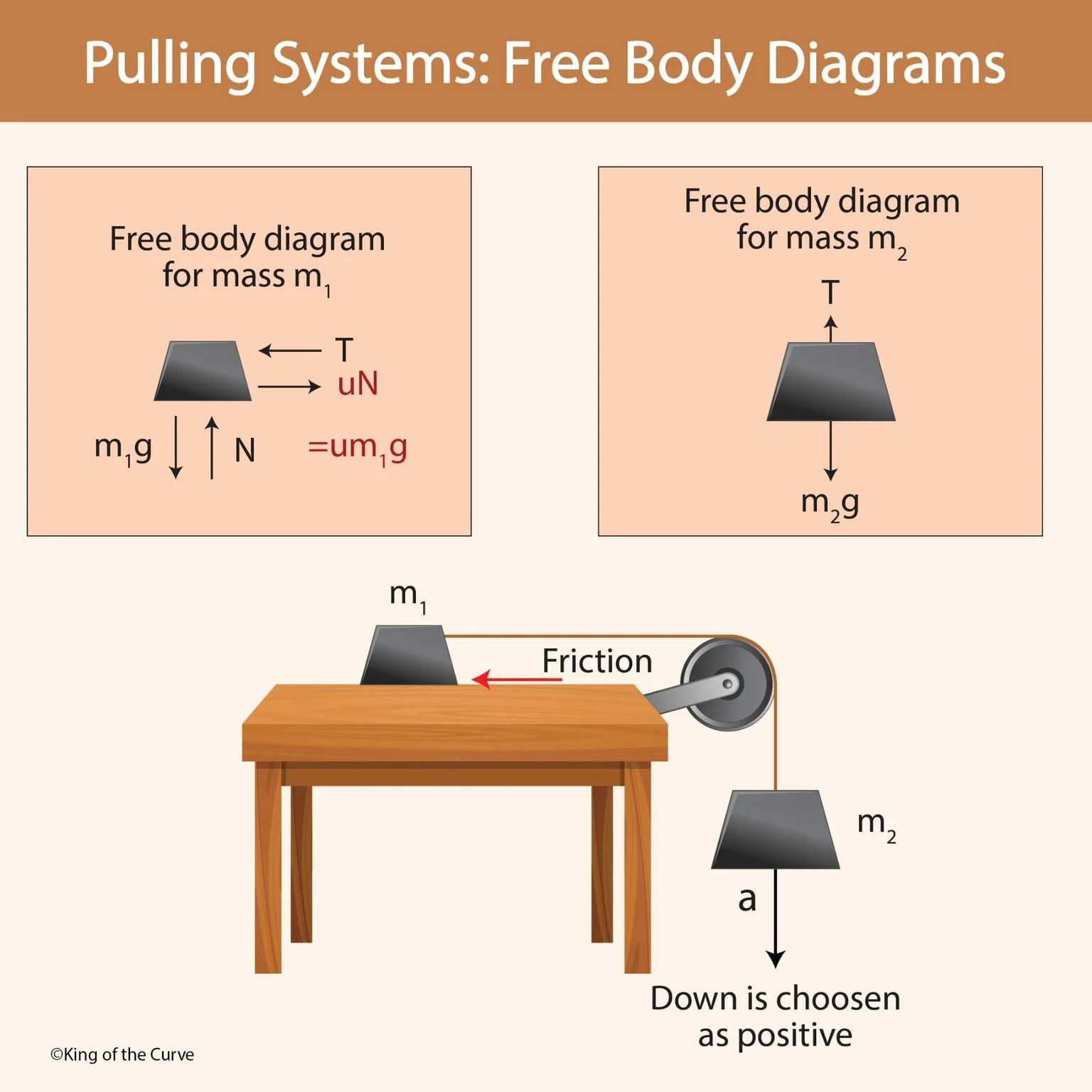
🧲 Pulling Systems & Free-Body Diagrams: Tension, Friction, and Acceleration
Learn pulling systems and free-body diagrams with tension, friction, normal force, and acceleration equations for high-yield MCAT physics problems.
GMAT Study Guide: Format, Strategy, and 8-Week Plan
Learn the current GMAT structure, Quantitative, Verbal, and Data Insights strategy, answer-review rules, and a focused eight-week plan.
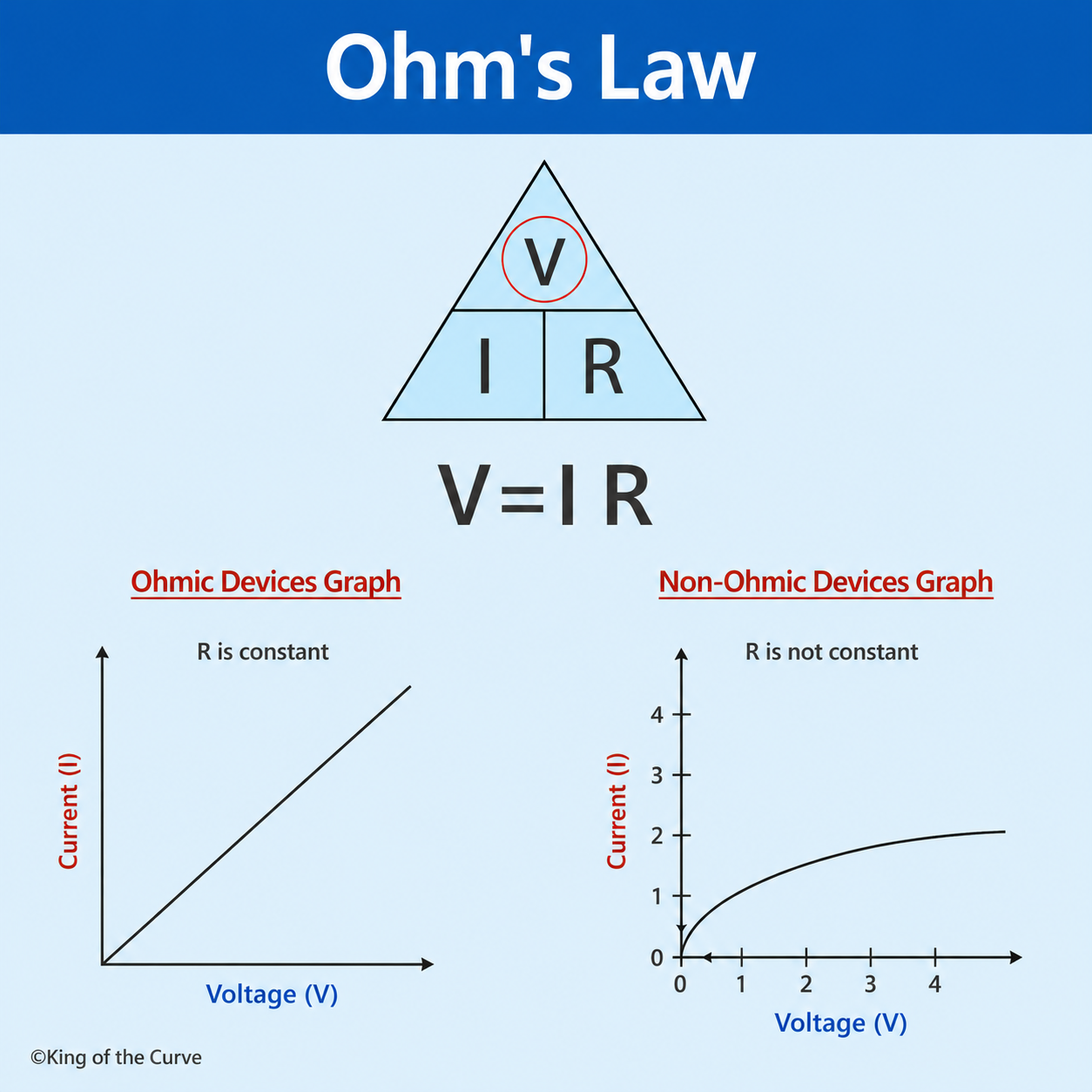
⚡ Ohm’s Law: Voltage, Current, Resistance & MCAT Physics Explained
Learn Ohm’s Law, V = IR, and the relationship between voltage, current, and resistance. Compare ohmic and non-ohmic devices for MCAT physics.

MCAT Scientific Inquiry and Reasoning Skills Explained
The MCAT science sections test four AAMC Scientific Inquiry and Reasoning Skills alongside content knowledge. Learn what each skill means, how to recognize it in passages, and how to review missed questions by reasoning type.