
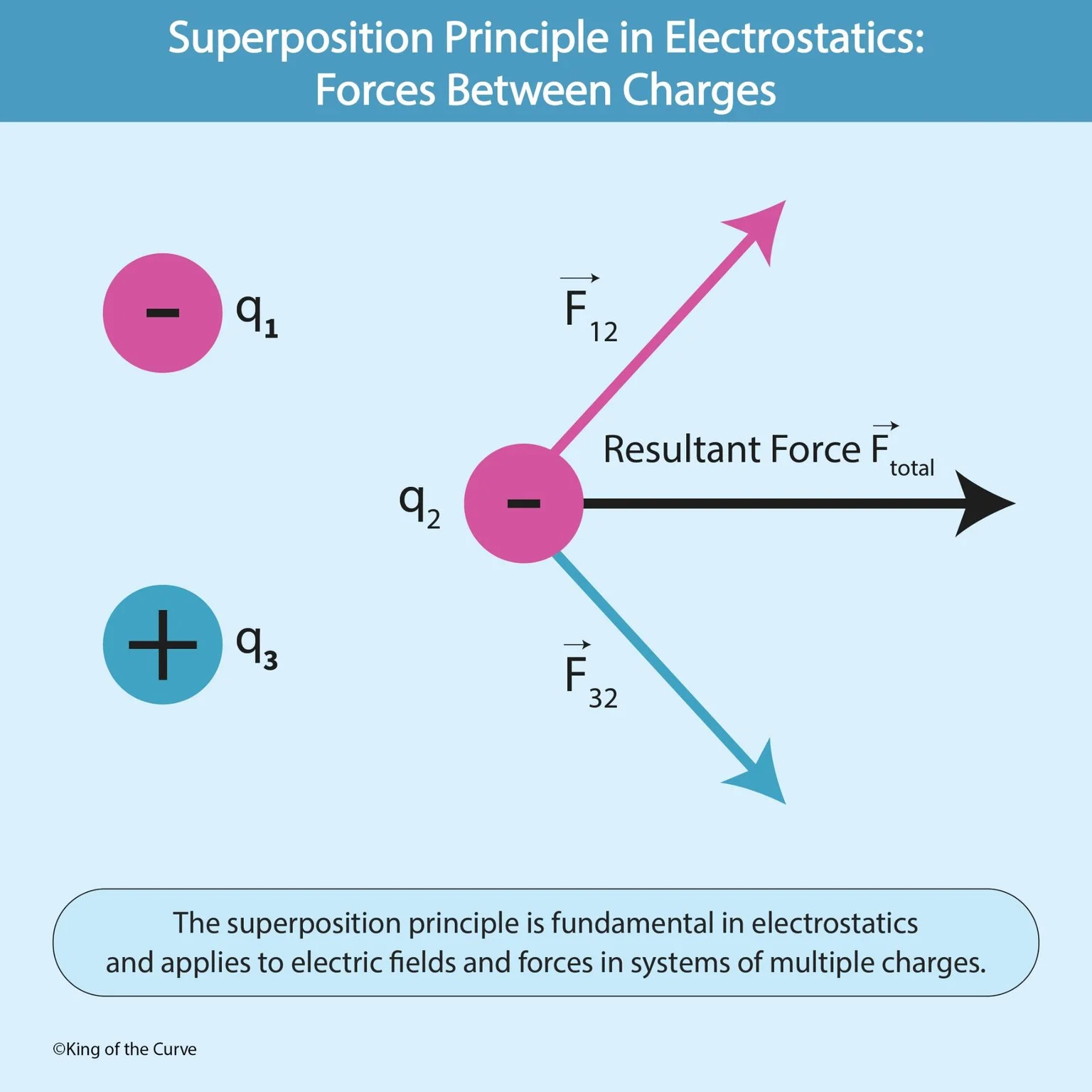
⚡ Superposition Principle in Electrostatics: Forces Between Charges
Learn the superposition principle in electrostatics, including Coulomb’s law, force vectors, attraction, repulsion, and net electric force for the MCAT.
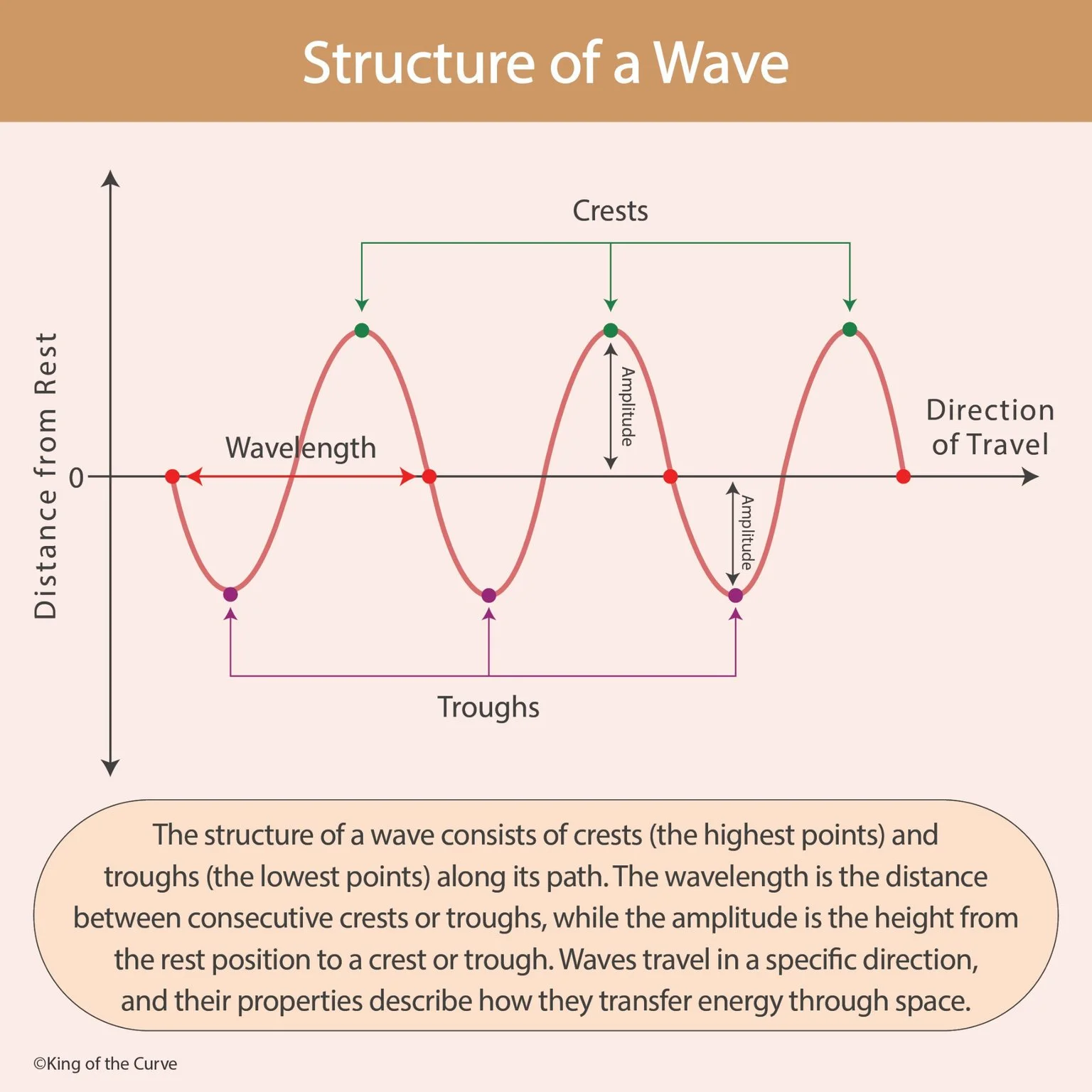
🌊 Structure of a Wave: Wavelength, Amplitude, Crests, and Troughs
Learn the structure of a wave for the MCAT, including crests, troughs, amplitude, wavelength, frequency, period, and the wave speed equation v = fλ.
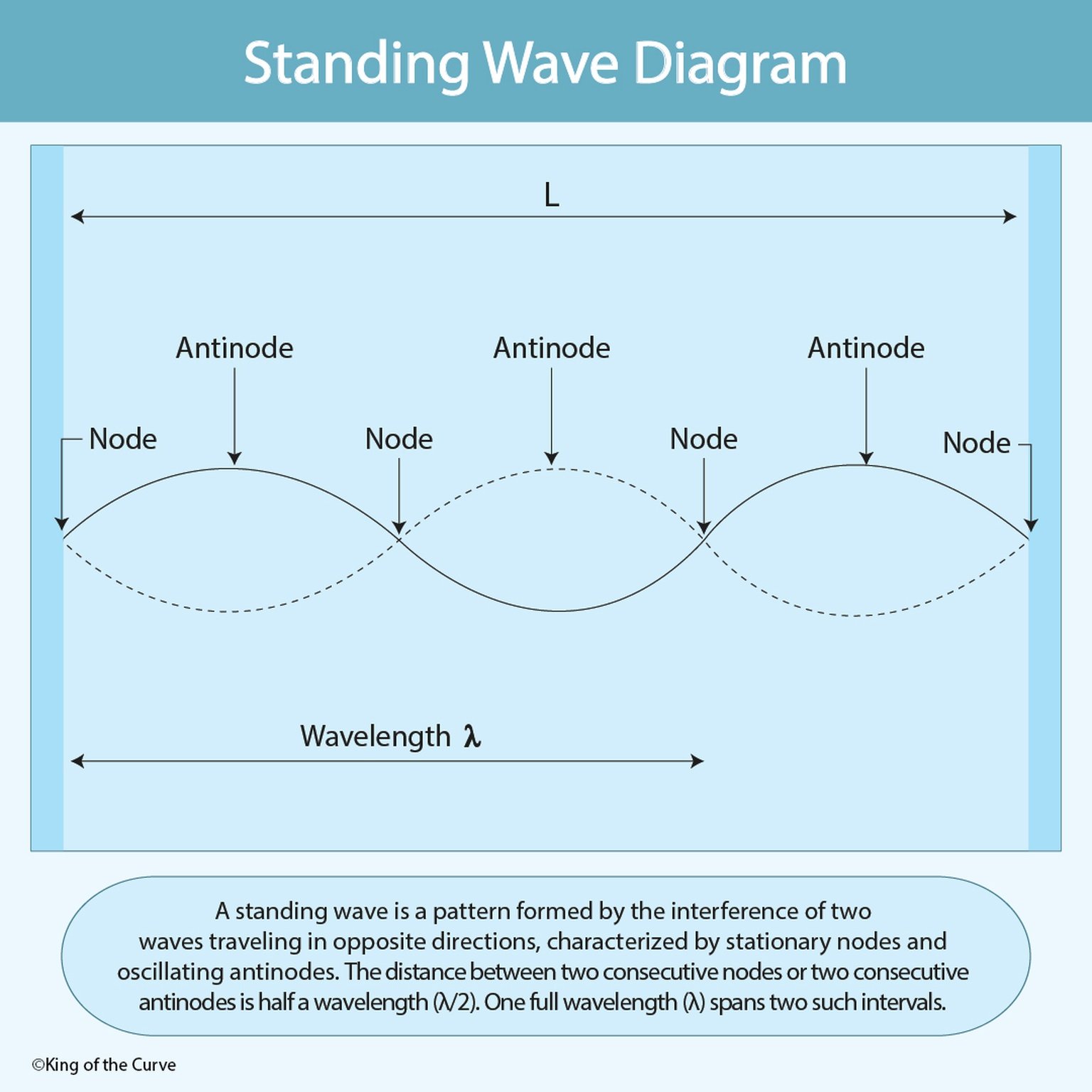
🌊 Standing Waves Explained: Nodes, Antinodes, Wavelength, and Harmonics
Learn standing waves for the MCAT, including nodes, antinodes, wavelength, harmonics, resonance, and key λ/2 and λ/4 relationships.

⚡ Newton’s Second Law: Force, Mass, and Acceleration Explained
Learn Newton’s Second Law, F = ma, and how force, mass, and acceleration relate. Review key equations, examples, and high-yield MCAT physics concepts.
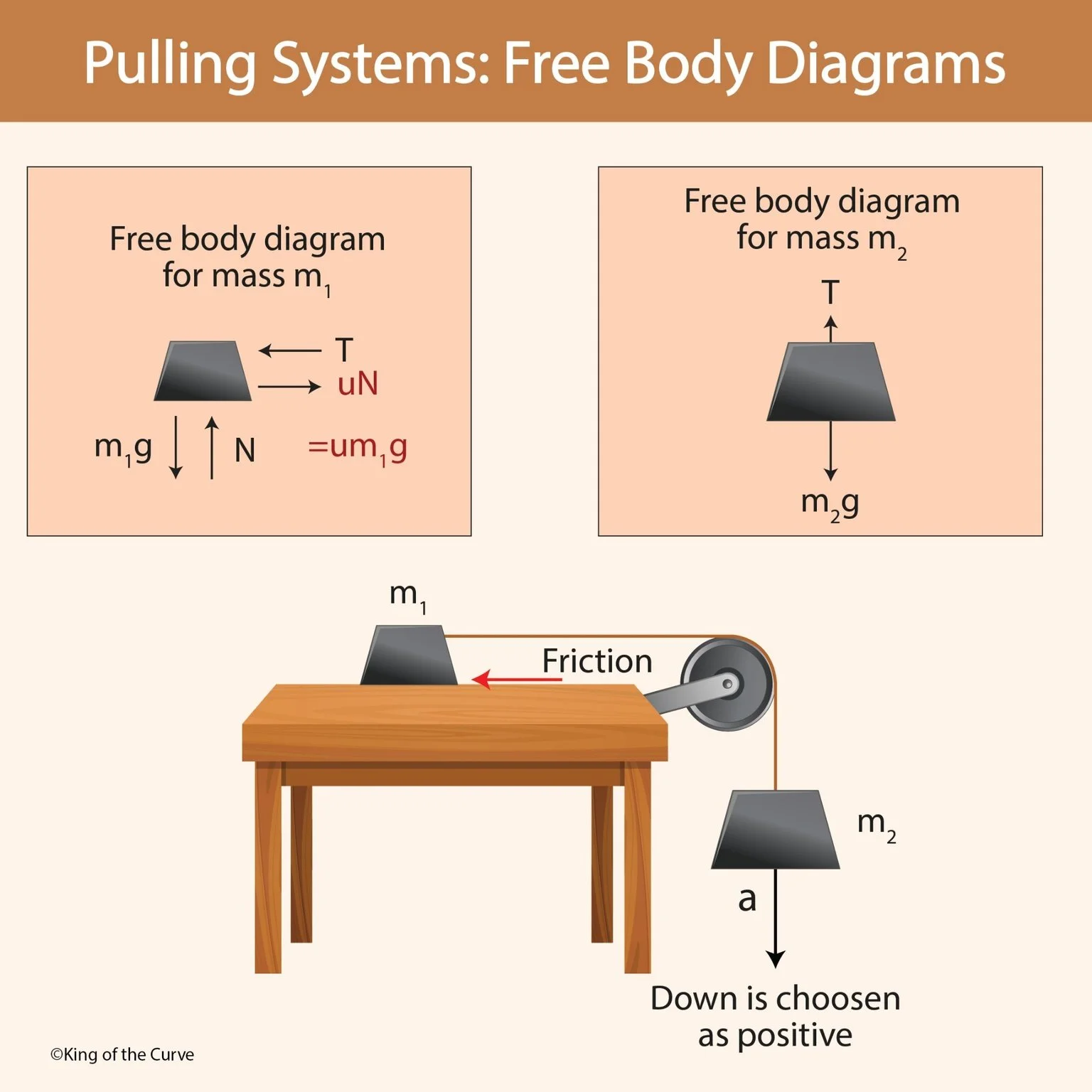
🧲 Pulling Systems & Free-Body Diagrams: Tension, Friction, and Acceleration
Learn pulling systems and free-body diagrams with tension, friction, normal force, and acceleration equations for high-yield MCAT physics problems.
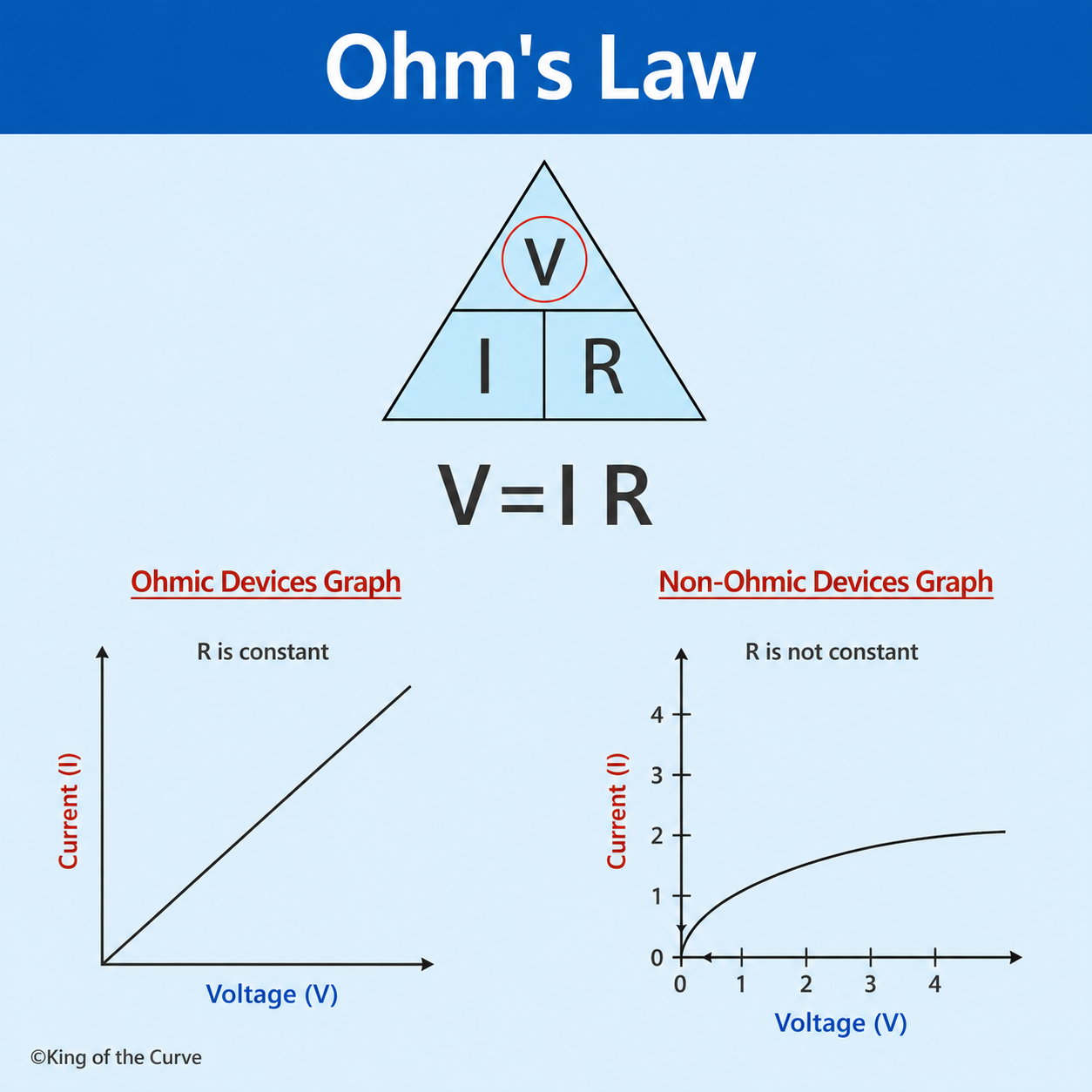
⚡ Ohm’s Law: Voltage, Current, Resistance & MCAT Physics Explained
Learn Ohm’s Law, V = IR, and the relationship between voltage, current, and resistance. Compare ohmic and non-ohmic devices for MCAT physics.
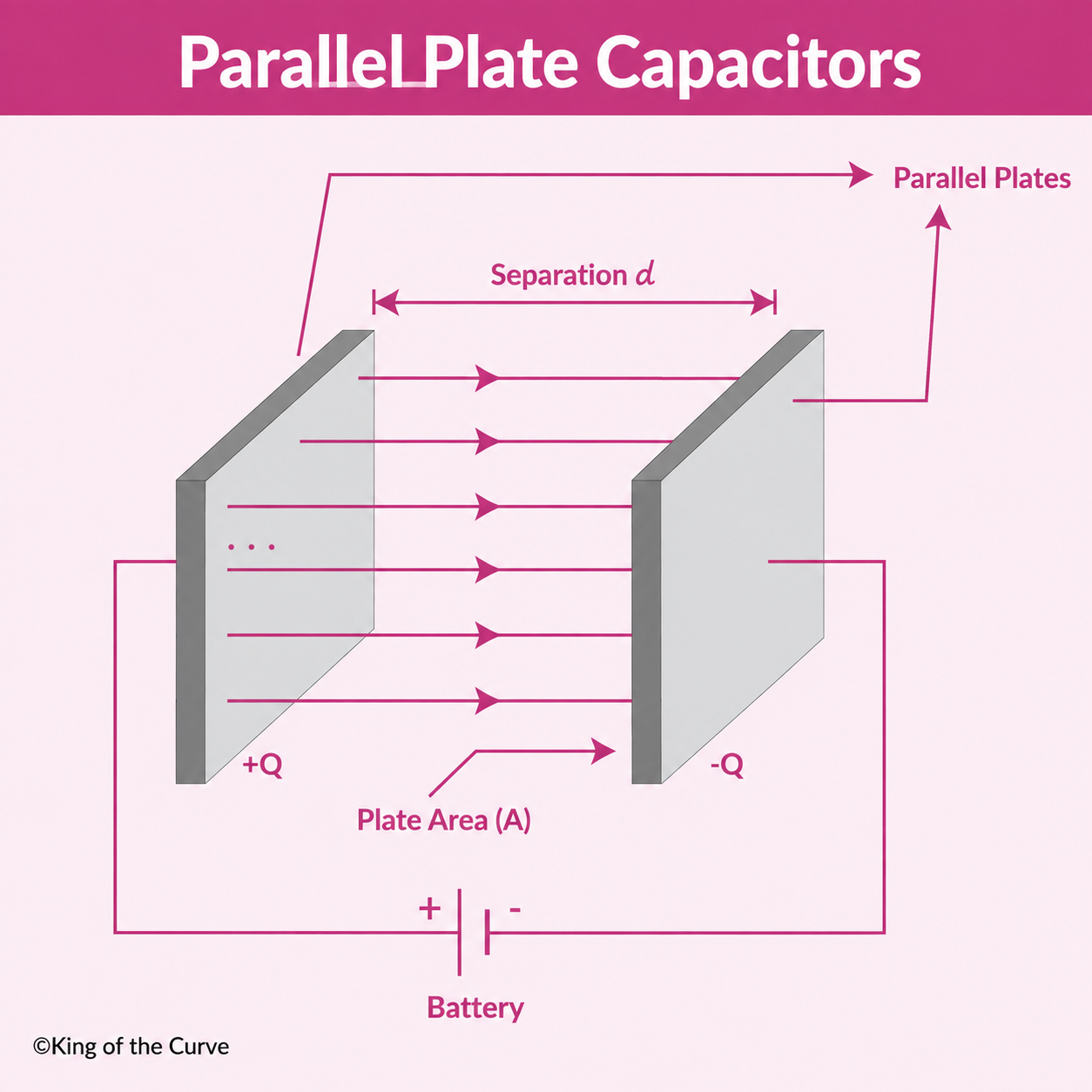
⚡ Parallel Plate Capacitors: A High-Yield MCAT Physics Guide
Learn how parallel plate capacitors work, including capacitance, electric fields, plate area, separation, and dielectrics in this high-yield MCAT physics guide.
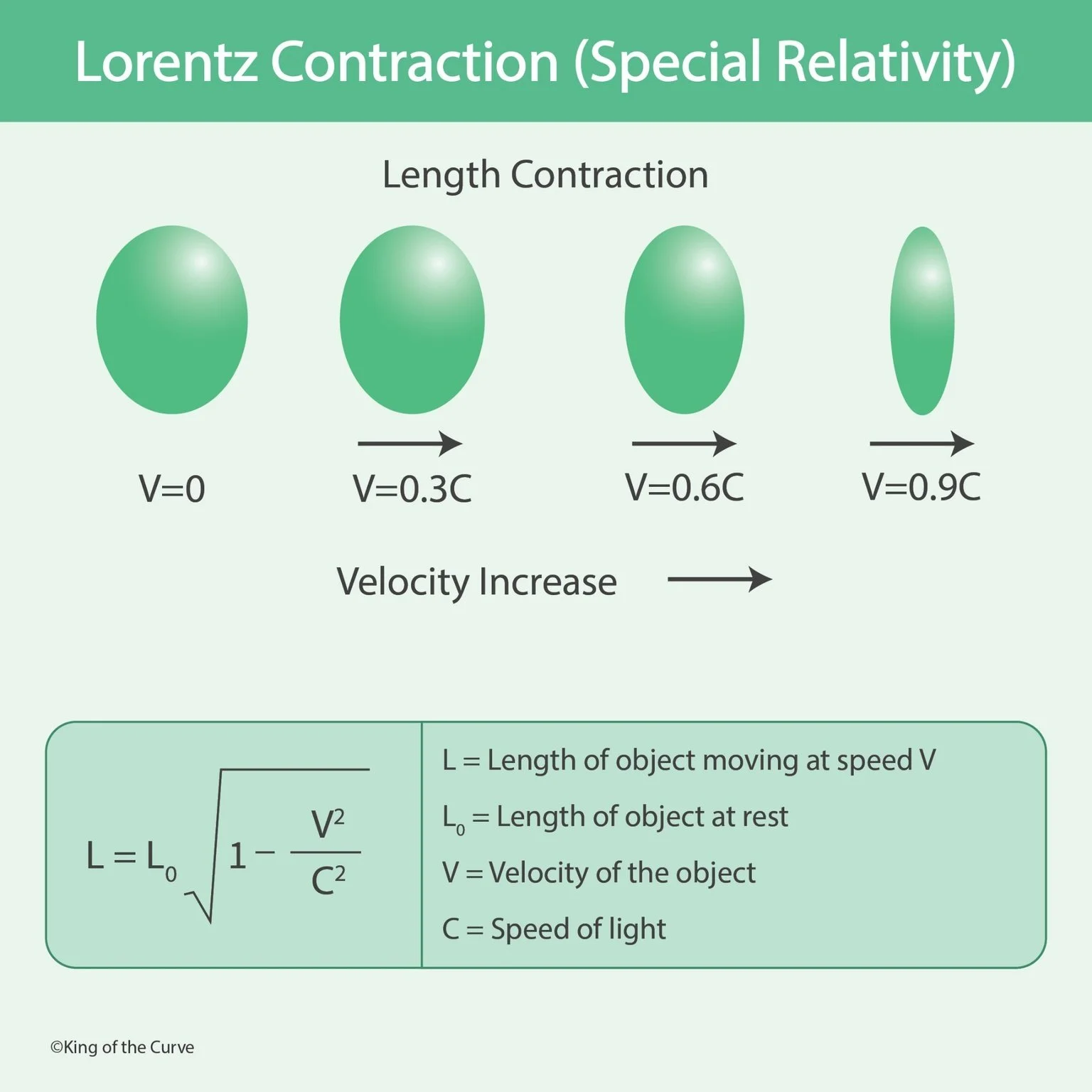
🚀 Lorentz Contraction (Special Relativity)
Learn Lorentz contraction in Special Relativity with the formula, examples, derivation, and how object length changes as velocity approaches light speed.
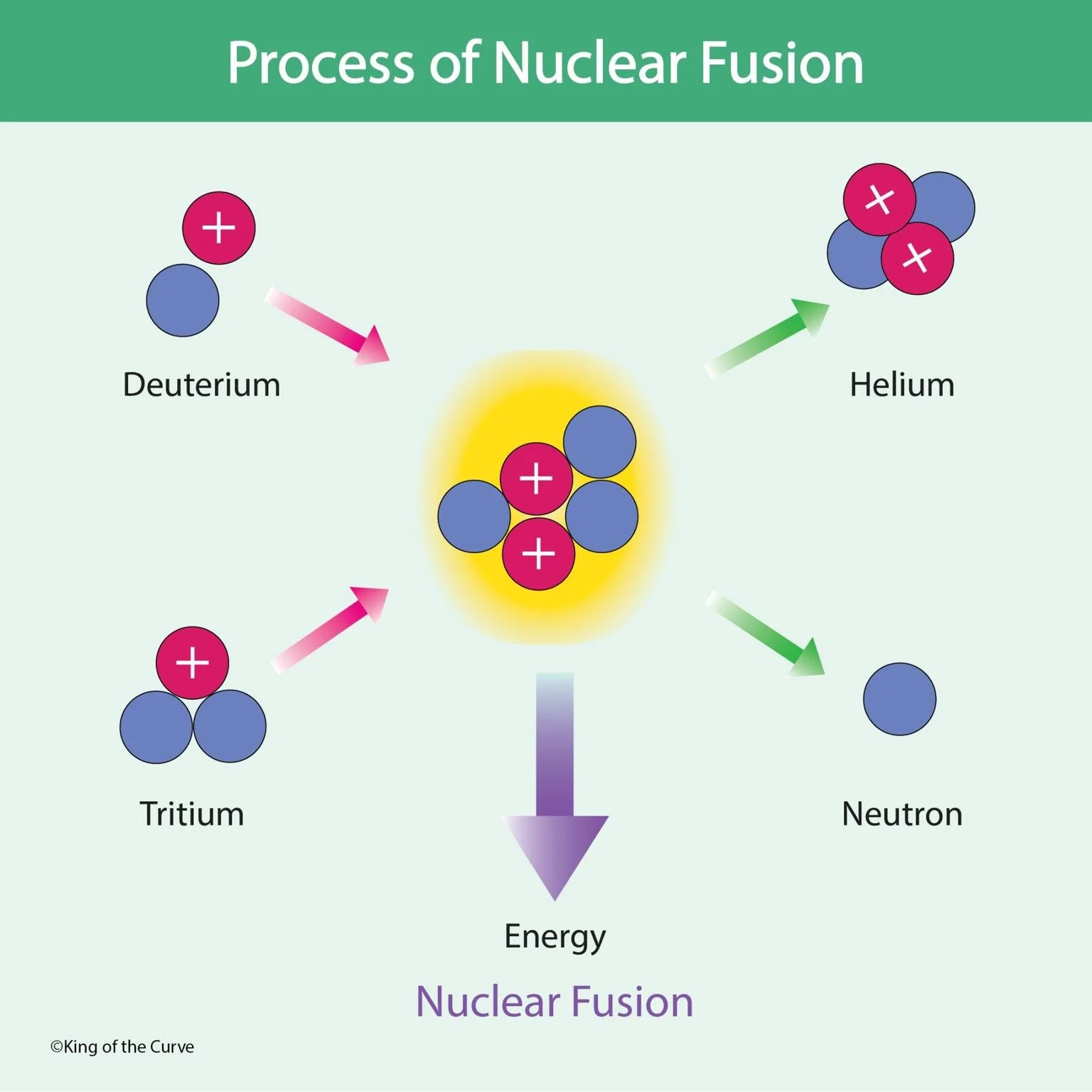
🔥 What Nuclear Fusion Really Means for MCAT Students
Learn how deuterium and tritium fuse to form helium and energy in this high-yield MCAT physics breakdown. Understand binding energy, mass defect, and exam-style reasoning with help from a King of the Curve science visual.

⚡ Lenz’s Law: Understanding Magnetic Induction Through Motion
Understand Lenz’s Law with King of the Curve’s visual guide. Learn how moving magnets induce current, plus MCAT and USMLE exam connections.

⚙️ Kinetic vs. Static Friction: Understanding Motion for the MCAT
Understand the difference between static and kinetic friction with King of the Curve’s MCAT visual guide. Includes equations, tips, and real-world examples.
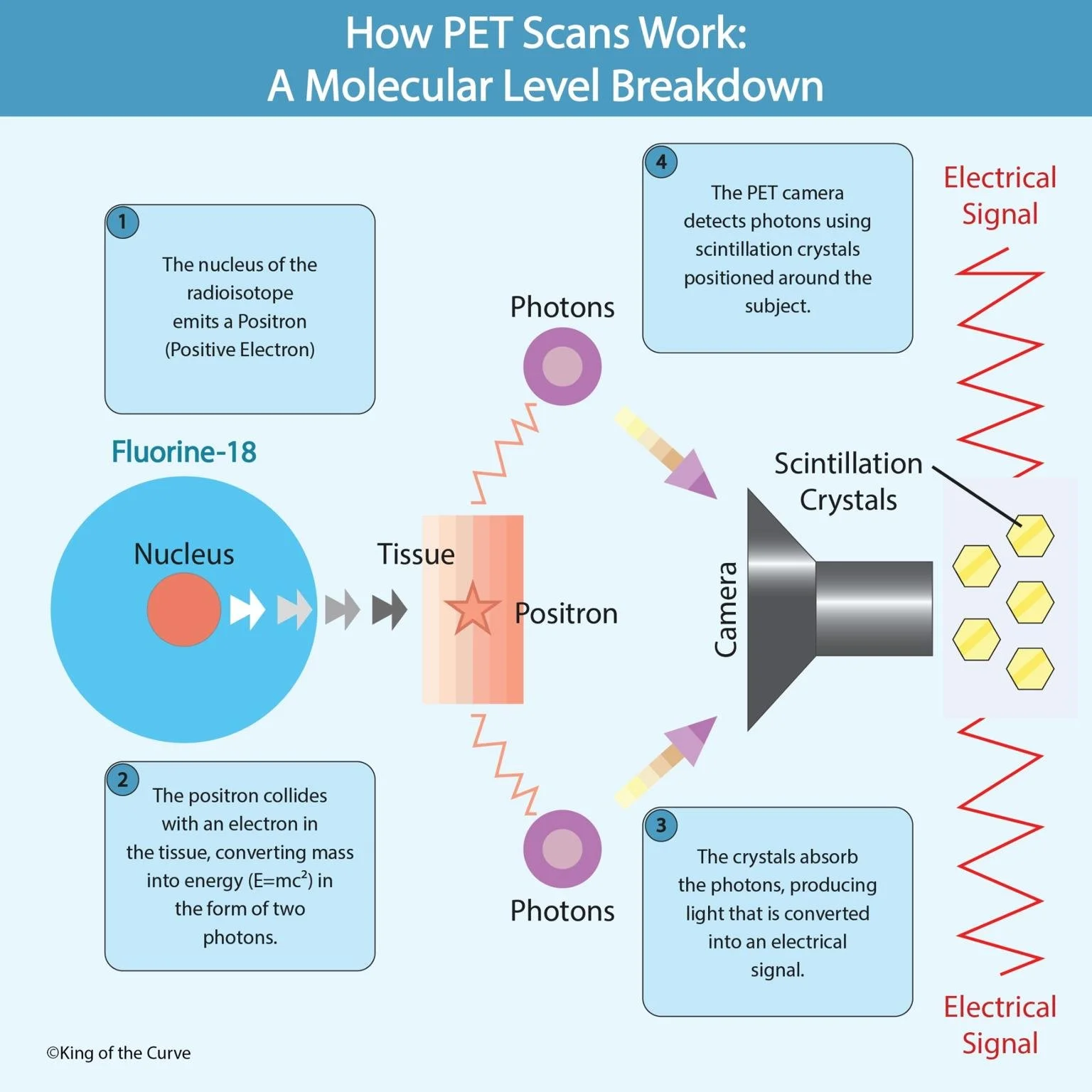
🧬 How PET Scans Work: A Molecular Level Breakdown
Understand how PET scans visualize molecular activity in the body using positron emission and photon detection. High-yield for MCAT, NCLEX, and med prep.

🔬 Nuclear Fission: A Chain Reaction Explained
Explore the process of nuclear fission, how it works, and its components. Understand key concepts through a simple breakdown with an infographic and table.