

💪 Layers of the Inguinal Canal: A Visual Guide to Anatomy and Clinical Relevance
Master the layers of the inguinal canal with King of the Curve’s visual guide. Includes anatomy breakdown, hernia comparison, and MCAT/USMLE relevance.

🩺 Ladd’s Bands in Intestinal Malrotation: A Visual Guide for Future Clinicians
Learn how Ladd’s Bands cause intestinal malrotation and duodenal obstruction. Includes clinical features, imaging, and treatment explained with visuals.

⚙️ Kinetic vs. Static Friction: Understanding Motion for the MCAT
Understand the difference between static and kinetic friction with King of the Curve’s MCAT visual guide. Includes equations, tips, and real-world examples.

🔬 Key Cell Cycle Checkpoints and Regulatory Mechanisms
Learn about key cell cycle checkpoints — G₁, S, G₂, and M phases — and how cyclins, CDKs, and p53 regulate cell growth, division, and DNA integrity.

🧠 Juxtaglomerular Apparatus and Glomerulus: The Kidney’s Regulation Hub
Learn about the Juxtaglomerular Apparatus (JGA) and glomerulus — their structure, role in kidney function, and regulation of blood pressure and filtration.

🩸 Iron Absorption and Metabolism: How the Body Regulates This Essential Nutrient
Learn how iron is absorbed and metabolized in the body — from dietary sources to ferritin storage and transport via transferrin and ferroportin.

🧠 Internal View of the Duodenum: The Gateway of Digestion
Explore the anatomy of the duodenum — including the pyloric sphincter, circular folds, and major papilla — and learn its essential digestive functions.

🩺 Inguinal Canal: Anatomy and Clinical Significance
Learn the anatomy of the inguinal canal — its boundaries, contents, and hernia landmarks, with high-yield notes for medical students and exam prep.

🧠 Inflammatory Bowel Disease: Understanding Crohn Disease and Ulcerative Colitis
Compare Crohn Disease and Ulcerative Colitis — learn key differences in inflammation, symptoms, and affected GI regions in IBD.
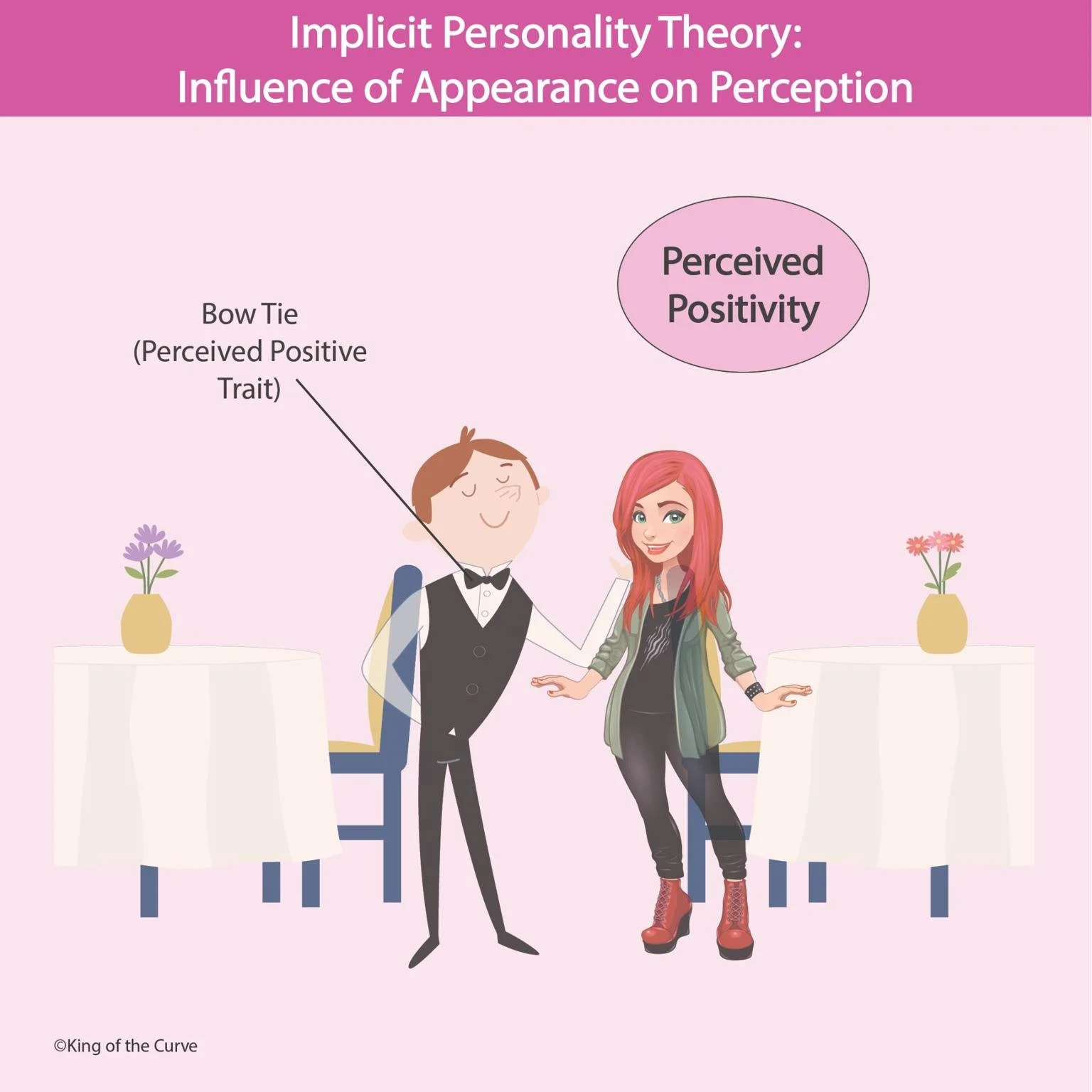
🧠 Implicit Personality Theory: Influence of Appearance on Perception
Discover how appearance influences perception through the implicit personality theory — learn how first impressions shape our views and biases.

👶 Hypertrophic Pyloric Stenosis: Understanding the Infant Condition
Learn about hypertrophic pyloric stenosis — its causes, hallmark signs like projectile vomiting, diagnosis, and surgical treatment for infants.
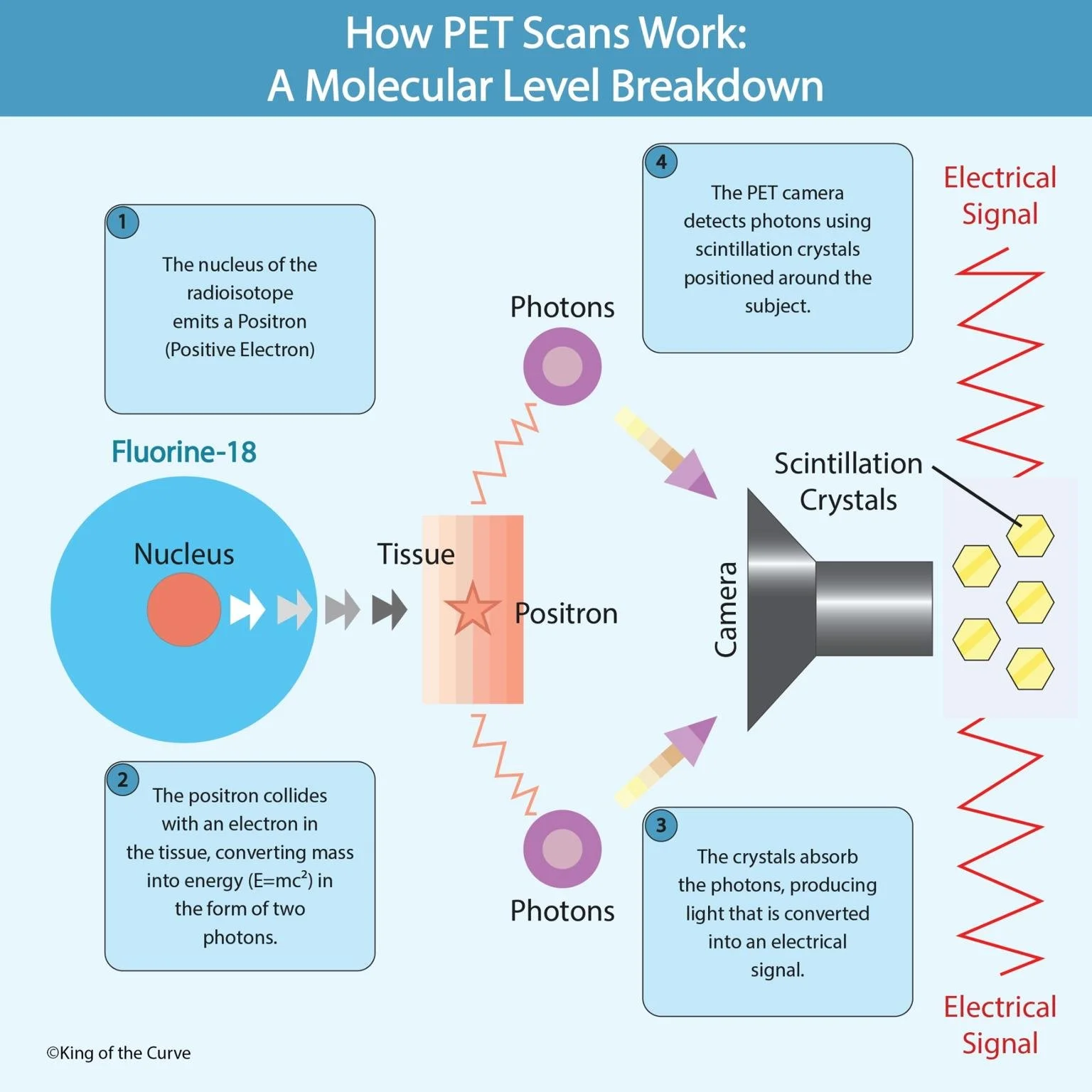
🧬 How PET Scans Work: A Molecular Level Breakdown
Understand how PET scans visualize molecular activity in the body using positron emission and photon detection. High-yield for MCAT, NCLEX, and med prep.

💡 Hormone Types That Affect Mood and Stress Response
Discover how key hormones — including sex hormones, stress hormones, thyroid hormones, and oxytocin — influence mood, stress response, and emotional balance. Learn their physiological roles and connections to mental health.

🧠 Hirschsprung Disease: Normal vs. Affected Colon Anatomy
Compare normal vs Hirschsprung-affected colon anatomy. Learn how aganglionosis causes megacolon, key signs, diagnostics, and MCAT/NCLEX high-yield tips.

🩺 HMWH vs LMWH: The Cleanest Way to Remember Heparins
Compare unfractionated heparin and LMWH: targets (Xa vs IIa), aPTT vs anti-Xa, protamine reversal, renal dosing, and HIT risk. High-yield for MCAT & NCLEX.

🧠 Hepatic Circulation Pathway — What Flows Where
Understand portal triad to central vein flow, sinusoids, stellate & Kupffer cells, and zone 1–3 injury patterns. High-yield for MCAT & NCLEX.

🩸 Hemolysis — What It Is, Why It Happens, and How to Spot It
Understand intravascular vs extravascular hemolysis. Key labs, causes, and buzzwords for MCAT & NCLEX, plus a quick comparison table and KOTC visuals.

🏠💸 The House Money Effect: Why “Winning” Makes Us Riskier
Master the House Money Effect for MCAT Psych/Soc. See why people take bigger risks with recent gains and how it differs from break-even and sunk cost biases.

🧬 G1-S Phase Regulation: The Cell Cycle’s Master Checkpoint
Learn G1-S phase regulation for MCAT & NCLEX. Understand p53, p21, Cyclin D/CDK4, Rb, and E2F in cell cycle control and cancer biology.

👀 Frontal Eye Fields & Horizontal Gaze — A High-Yield Guide (MCAT/NCLEX)
Master frontal eye fields and horizontal gaze pathways for MCAT/NCLEX. Learn FEF → PPRF → VI nucleus → MLF → III, plus INO and classic lesion patterns.