
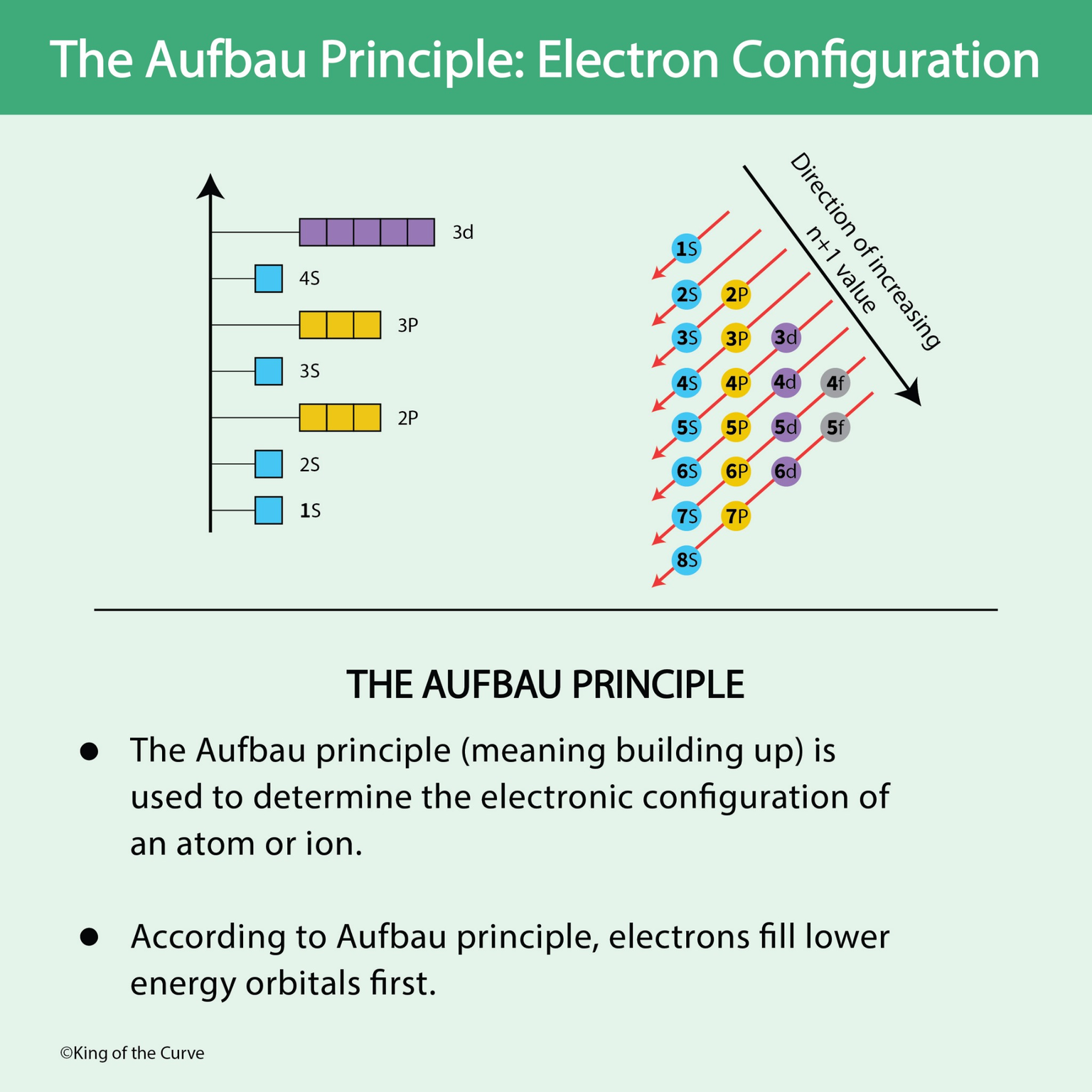
⚛️ The Aufbau Principle: Understanding Electron Configuration
Learn the Aufbau principle, electron configuration, orbital filling order, the n + ℓ rule, and s, p, d, and f subshells for the MCAT.
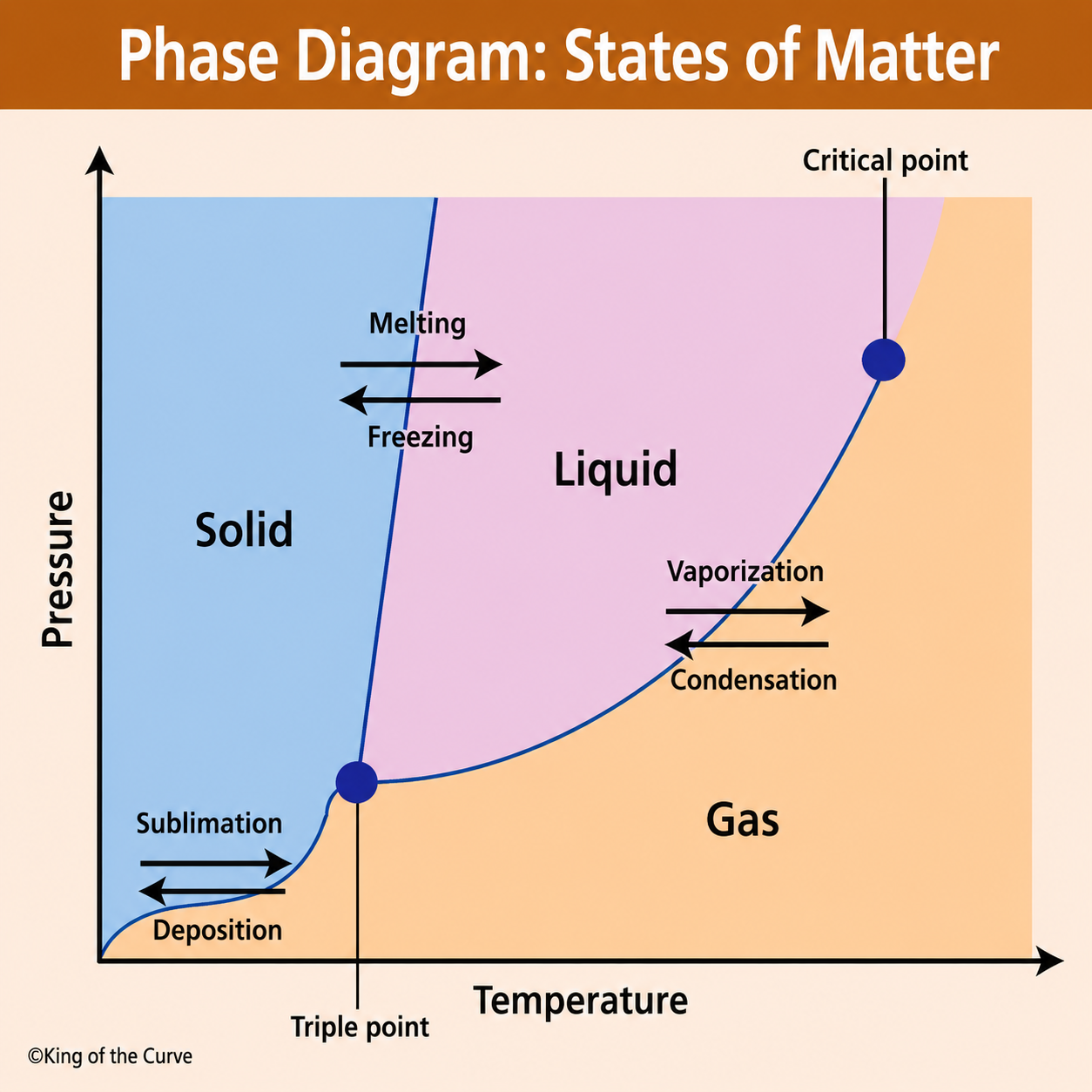
Phase Diagram of States of Matter: Understanding Solid, Liquid, and Gas Transitions
Learn the phase diagram of states of matter, including solid, liquid, gas, triple point, critical point, and phase changes for chemistry and MCAT.
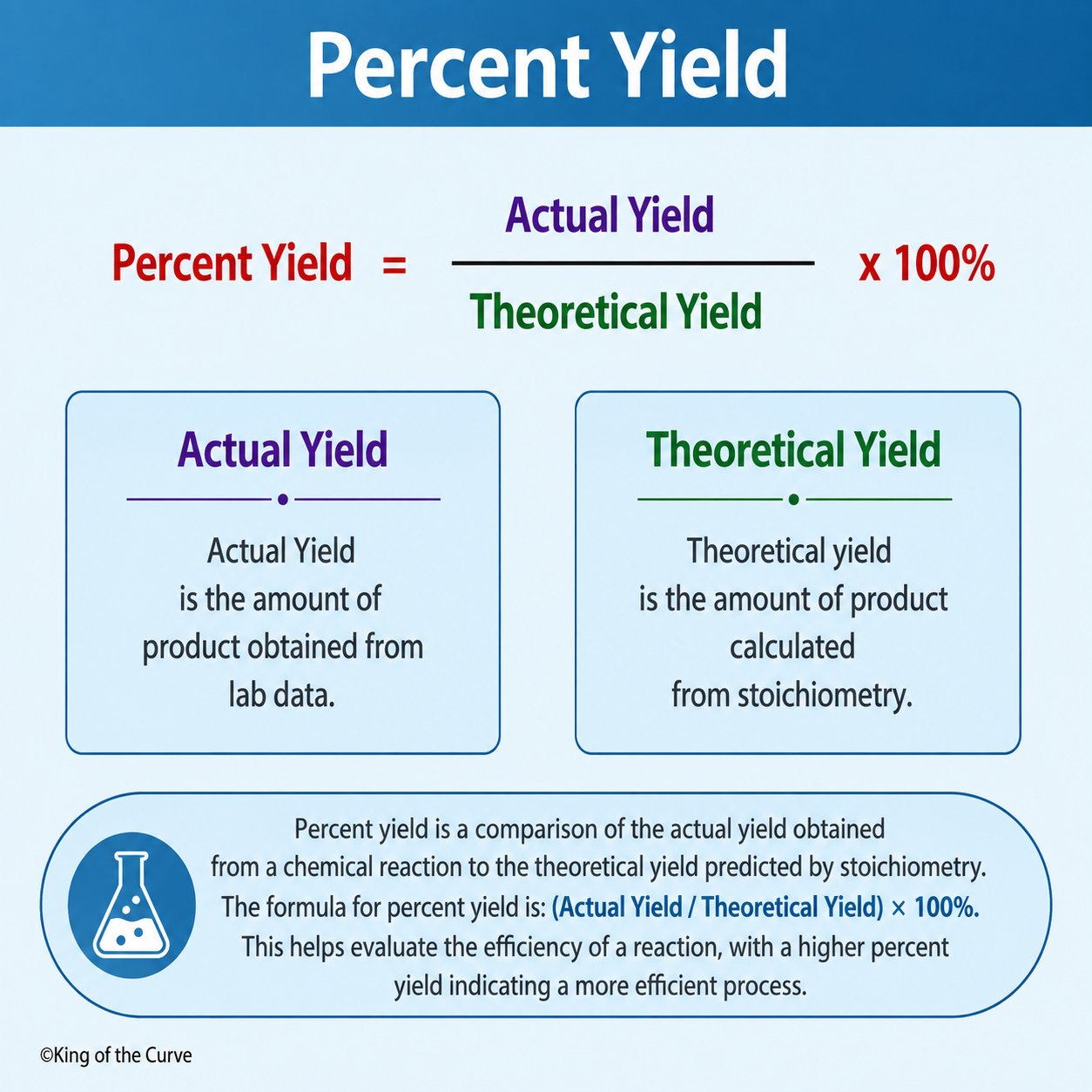
Percent Yield: Formula, Calculation, and Importance in Chemistry
Learn the percent yield formula, actual yield, theoretical yield, calculation steps, examples, and why percent yield is important in chemistry and the MCAT.
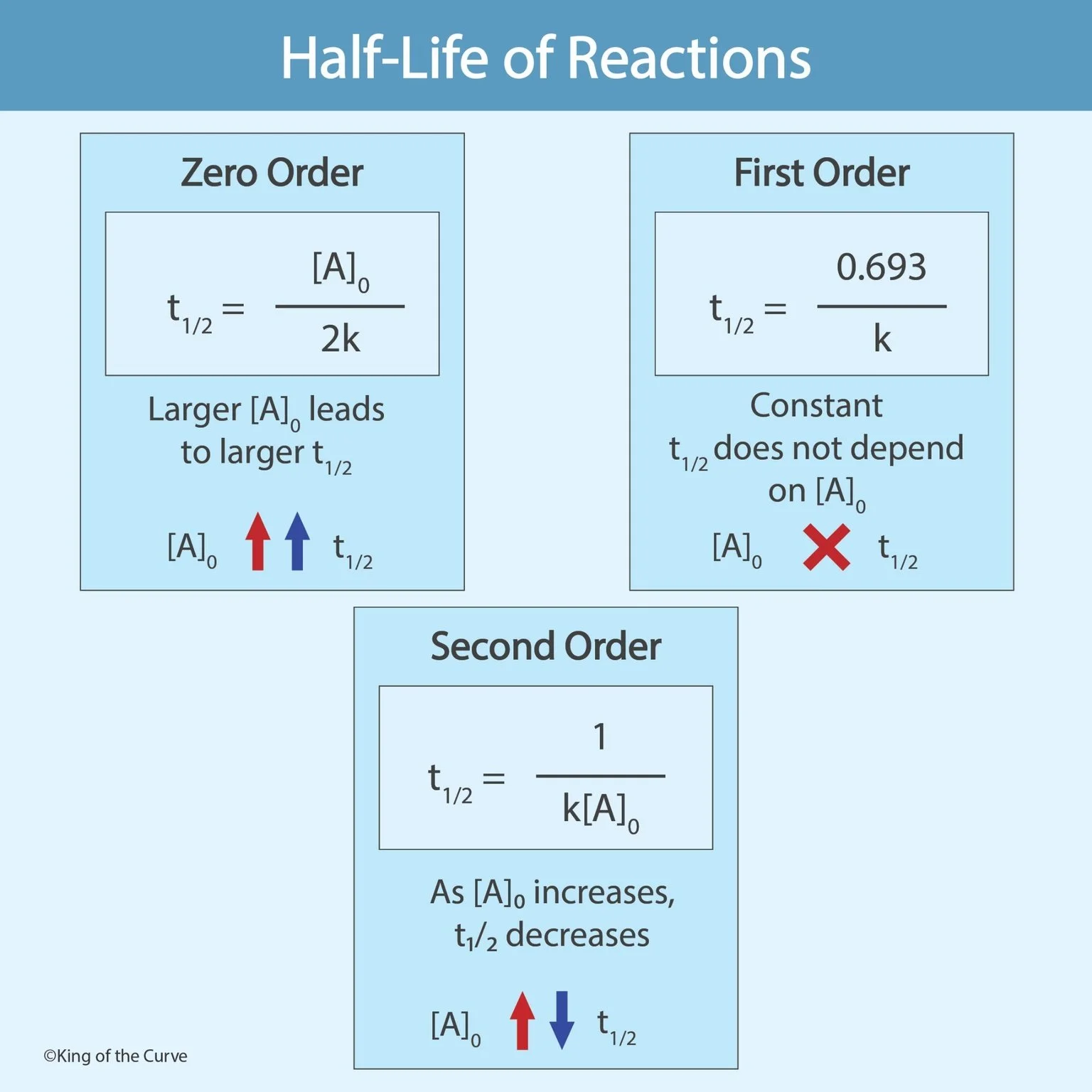
⚛️ What Is Half-Life in Chemical Reactions?
Master the half-life of reactions with simple formulas, reaction order comparisons, and MCAT study tips. Learn zero-, first-, and second-order kinetics.
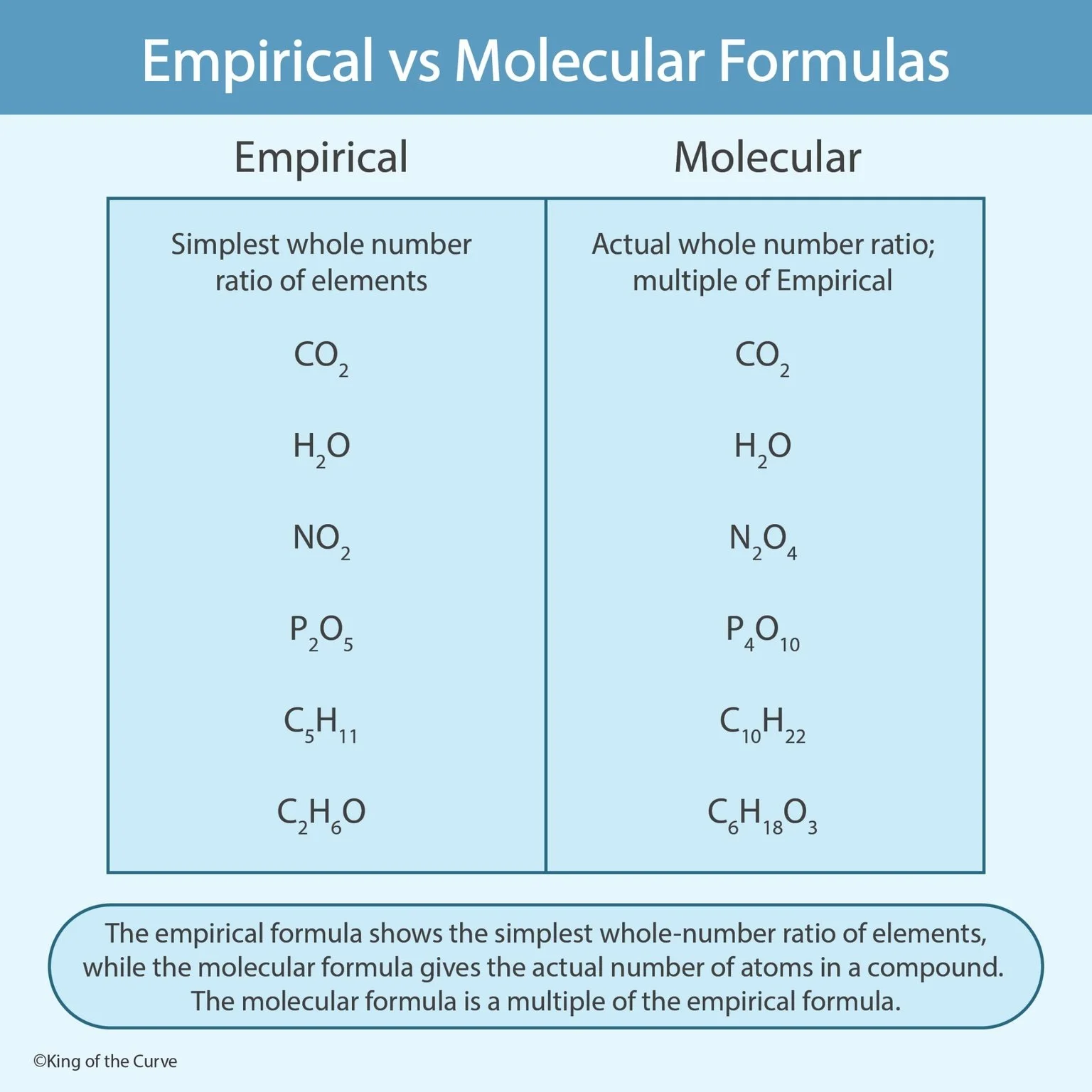
🫁 Embryological Development of the Lungs (Copy)
Learn the difference between empirical and molecular formulas, how to convert between them, and why they matter for chemistry and MCAT success.
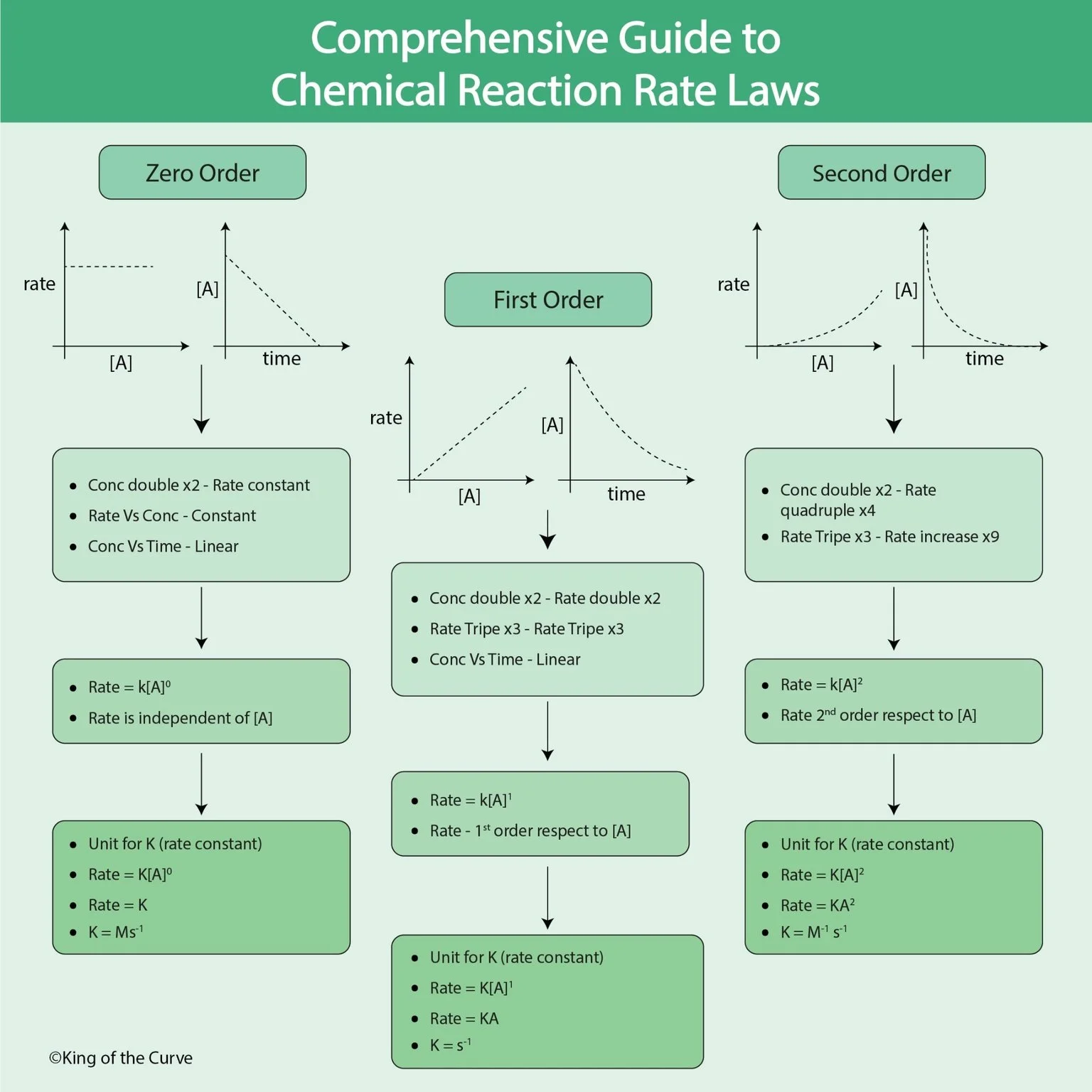
⚗️ Chemical Reaction Rate Laws Explained
Learn zero-order, first-order, and second-order reaction rate laws, their graphs, equations, and MCAT applications in this comprehensive chemistry guide.
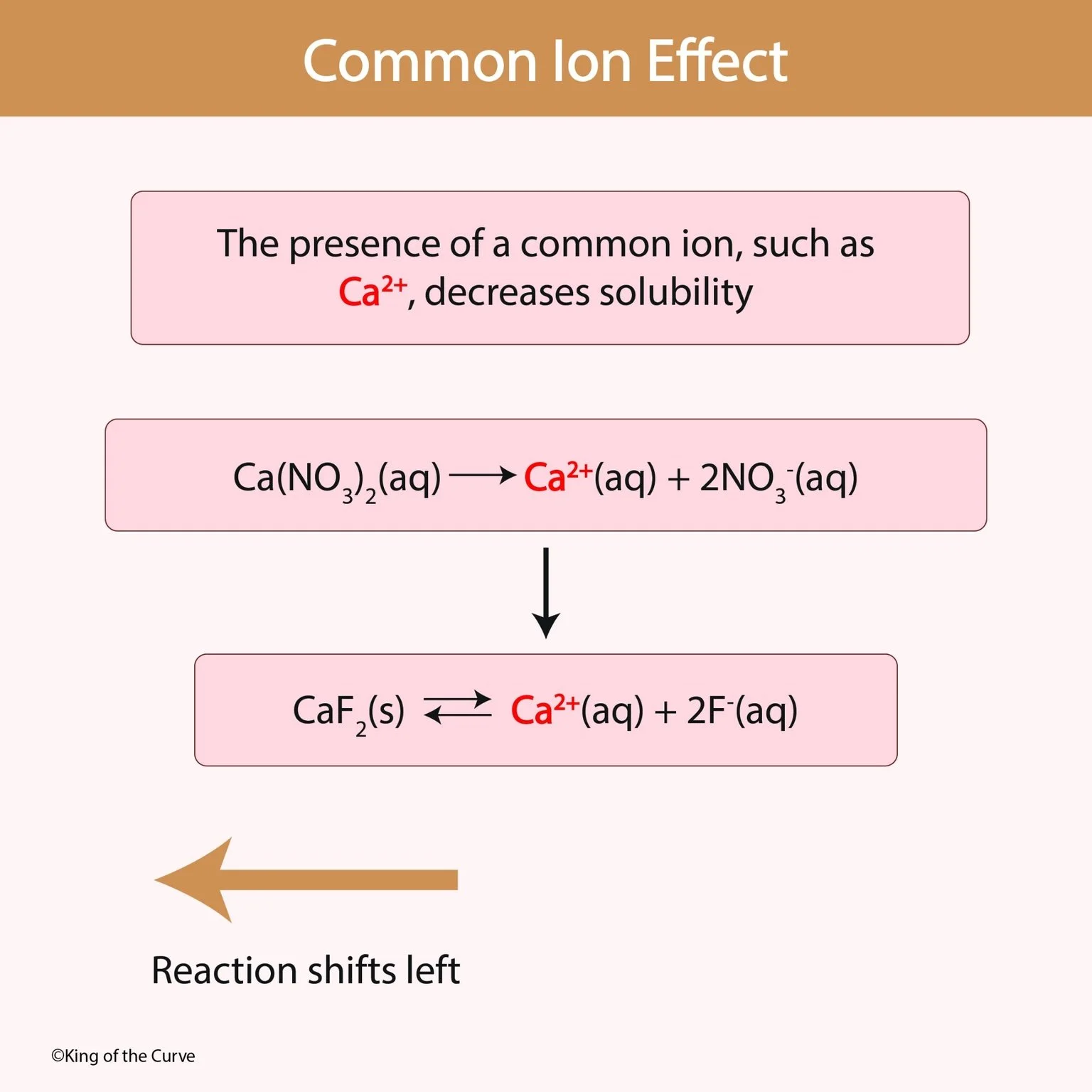
⚖️ Common Ion Effect Explained: A High-Yield MCAT Chemistry Concept
Learn how the Common Ion Effect decreases solubility through equilibrium shifts. A high-yield MCAT chemistry concept explained with visual examples.
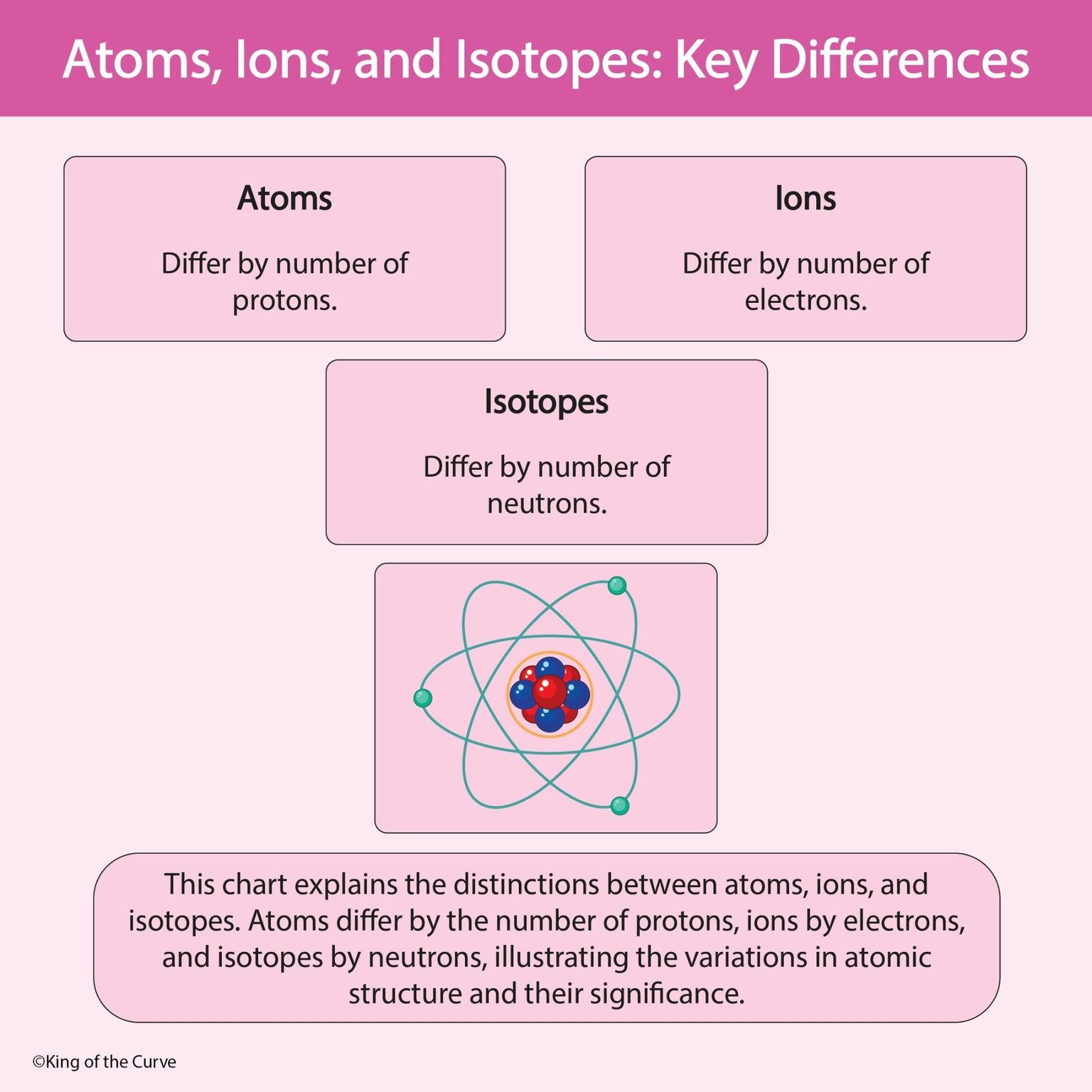
⚛️ Atoms, Ions, and Isotopes: What’s the Difference? (MCAT Visual Breakdown)
Confused about atoms, ions, and isotopes? This MCAT-ready guide explains how they differ by protons, electrons, and neutrons—plus a custom KOTC infographic.

MCAT Chemistry Made Easy: Understanding General & Organic Chemistry
MCAT Chemistry can be challenging, but with the right strategies, you can master both general and organic chemistry efficiently. By focusing on high-yield concepts and applying smart study techniques, you’ll improve retention and problem-solving speed.