

🩸 Liver Sinusoid and Blood/Bile Flow
Understand liver sinusoid structure and blood/bile flow with King of the Curve’s visual guide. Perfect for MCAT, USMLE, and NCLEX students.

🧠 Limbic System: The Emotional Core of the Brain
Learn about the limbic system — the brain’s emotion, memory, and motivation hub. Perfect for MCAT, USMLE, and NCLEX prep from King of the Curve.

🫀 Ligamentum Teres Hepatis: Anatomy, Function & Clinical Significance
Explore the Ligamentum Teres Hepatis anatomy and clinical relevance with King of the Curve. Learn its embryologic origin and portal hypertension link.

🧬 Life Cycle of Hepatitis B: From Infection to Replication
Learn the life cycle of Hepatitis B with King of the Curve’s visual guide. Understand replication, reverse transcription, and clinical relevance for MCAT & USMLE.

⚡ Lenz’s Law: Understanding Magnetic Induction Through Motion
Understand Lenz’s Law with King of the Curve’s visual guide. Learn how moving magnets induce current, plus MCAT and USMLE exam connections.

💧 The Left Kidney: Structure, Function, and Clinical Relevance
Understand the anatomy and function of the left kidney with King of the Curve’s visual guide. Learn about renal blood flow, filtration, and clinical relevance.

🍽️ Layers of the Stomach Wall: A Visual Guide to Digestion
Learn the layers and cells of the stomach wall with King of the Curve’s visual guide. Covers mucosa, gastric glands, and key digestive cell functions.

💪 Layers of the Inguinal Canal: A Visual Guide to Anatomy and Clinical Relevance
Master the layers of the inguinal canal with King of the Curve’s visual guide. Includes anatomy breakdown, hernia comparison, and MCAT/USMLE relevance.

🩺 Ladd’s Bands in Intestinal Malrotation: A Visual Guide for Future Clinicians
Learn how Ladd’s Bands cause intestinal malrotation and duodenal obstruction. Includes clinical features, imaging, and treatment explained with visuals.

⚙️ Kinetic vs. Static Friction: Understanding Motion for the MCAT
Understand the difference between static and kinetic friction with King of the Curve’s MCAT visual guide. Includes equations, tips, and real-world examples.

🔬 Key Cell Cycle Checkpoints and Regulatory Mechanisms
Learn about key cell cycle checkpoints — G₁, S, G₂, and M phases — and how cyclins, CDKs, and p53 regulate cell growth, division, and DNA integrity.

🧠 Juxtaglomerular Apparatus and Glomerulus: The Kidney’s Regulation Hub
Learn about the Juxtaglomerular Apparatus (JGA) and glomerulus — their structure, role in kidney function, and regulation of blood pressure and filtration.

🩸 Iron Absorption and Metabolism: How the Body Regulates This Essential Nutrient
Learn how iron is absorbed and metabolized in the body — from dietary sources to ferritin storage and transport via transferrin and ferroportin.

🧠 Internal View of the Duodenum: The Gateway of Digestion
Explore the anatomy of the duodenum — including the pyloric sphincter, circular folds, and major papilla — and learn its essential digestive functions.

🩺 Inguinal Canal: Anatomy and Clinical Significance
Learn the anatomy of the inguinal canal — its boundaries, contents, and hernia landmarks, with high-yield notes for medical students and exam prep.

🧠 Inflammatory Bowel Disease: Understanding Crohn Disease and Ulcerative Colitis
Compare Crohn Disease and Ulcerative Colitis — learn key differences in inflammation, symptoms, and affected GI regions in IBD.
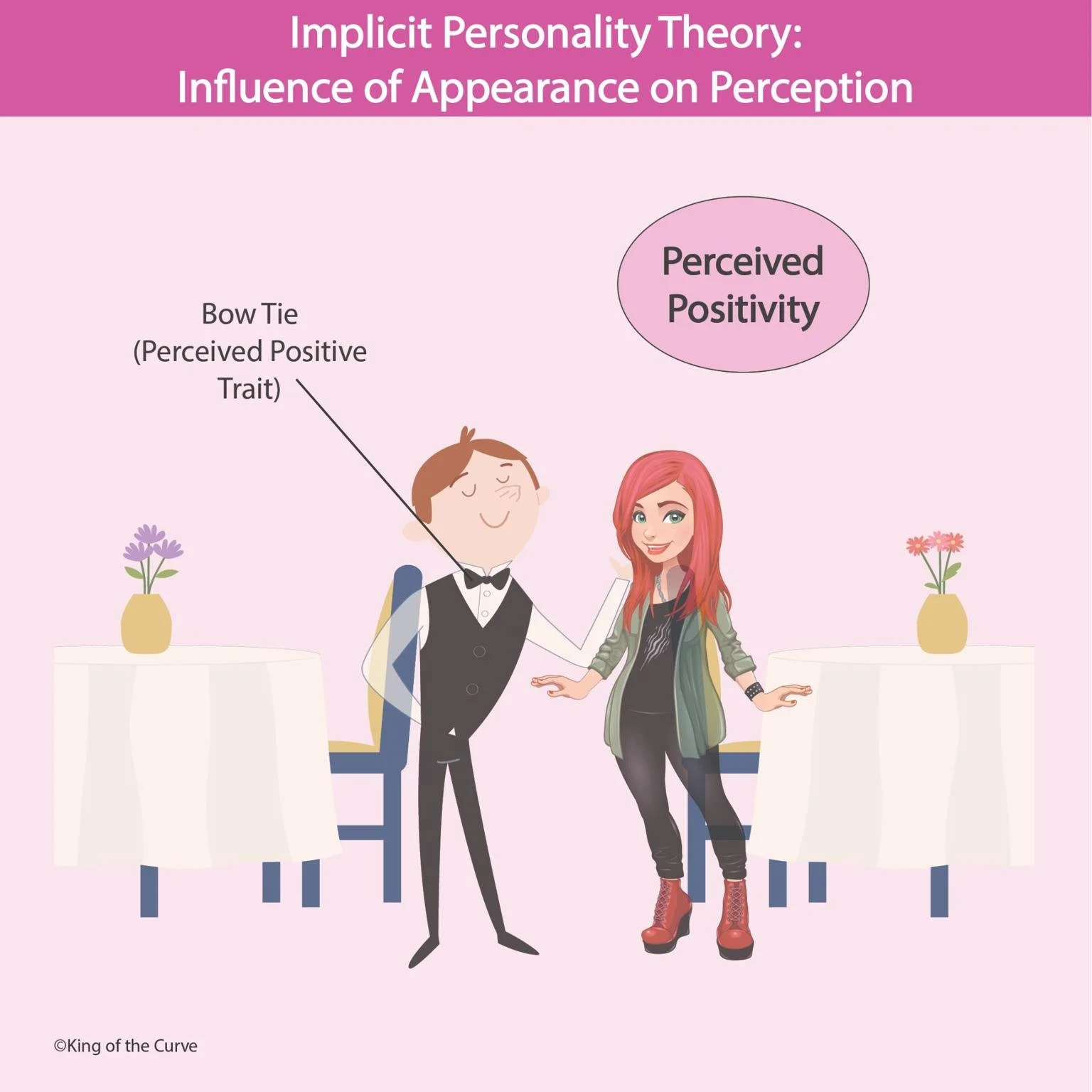
🧠 Implicit Personality Theory: Influence of Appearance on Perception
Discover how appearance influences perception through the implicit personality theory — learn how first impressions shape our views and biases.

👶 Hypertrophic Pyloric Stenosis: Understanding the Infant Condition
Learn about hypertrophic pyloric stenosis — its causes, hallmark signs like projectile vomiting, diagnosis, and surgical treatment for infants.
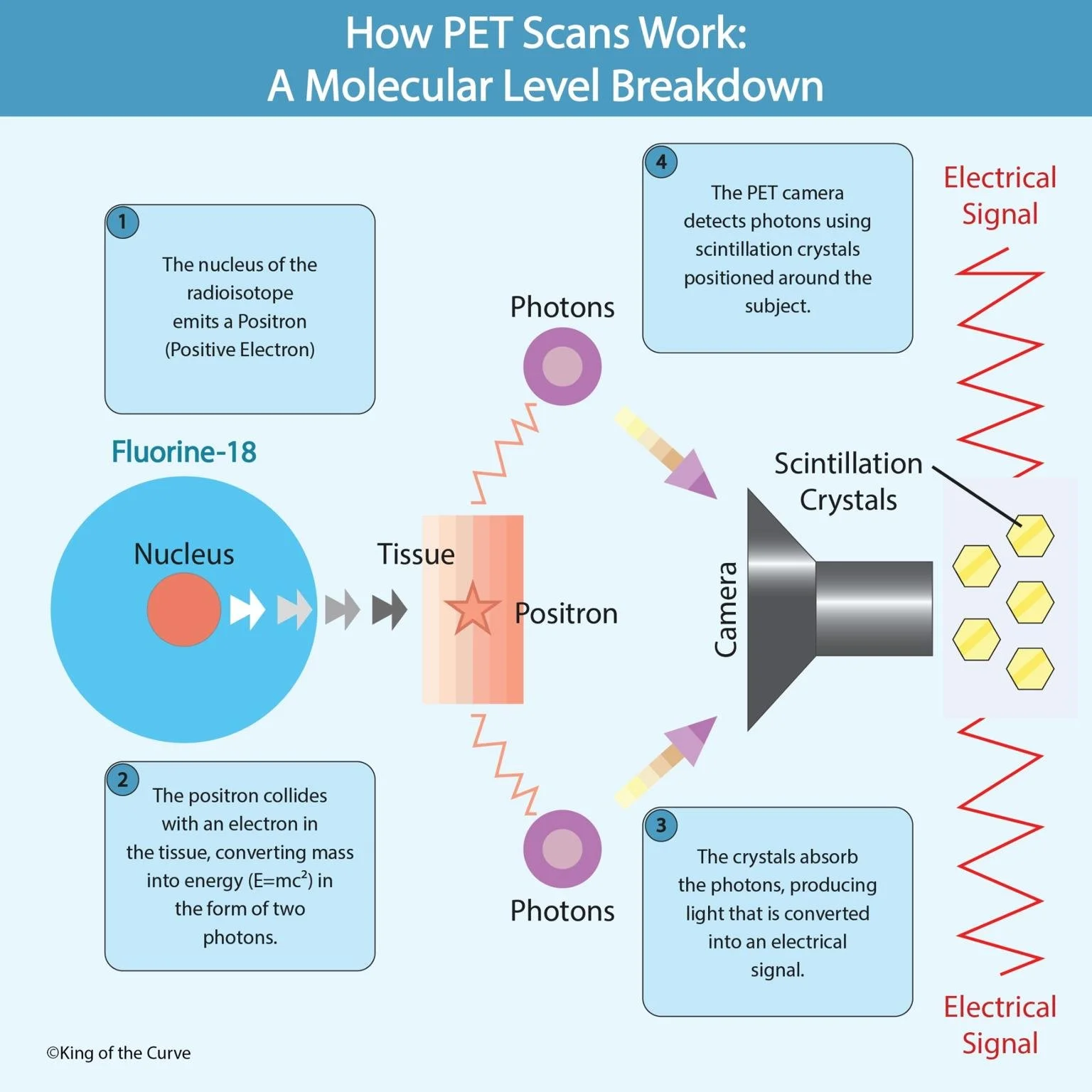
🧬 How PET Scans Work: A Molecular Level Breakdown
Understand how PET scans visualize molecular activity in the body using positron emission and photon detection. High-yield for MCAT, NCLEX, and med prep.

💡 Hormone Types That Affect Mood and Stress Response
Discover how key hormones — including sex hormones, stress hormones, thyroid hormones, and oxytocin — influence mood, stress response, and emotional balance. Learn their physiological roles and connections to mental health.