
🎯 Incentive Theory of Motivation: What Drives Us?
Learn how incentive theory explains human motivation through external rewards. Get MCAT-ready with examples, comparisons, and a custom KOTC visual.

🩺 Mastering Shelf Exams: A Rotation-by-Rotation Strategy
Worried about upcoming shelf exams? Learn how to study effectively during each rotation and boost your Step 2 CK score at the same time.
⚖️ Le Chatelier’s Principle Explained: DAT Chemistry Equilibrium Strategy
Master Le Chatelier’s Principle for the DAT. Learn how systems shift at equilibrium, with visuals, tips, and real DAT-style scenarios for chemistry success.

🧠 Type I Hypersensitivity Reactions: Fast, Furious, and Fully Testable
Break down Type I hypersensitivity reactions with USMLE-ready visuals, mechanisms, and high-yield triggers like anaphylaxis, IgE, and mast cell activation.

🧠 How to Tackle NCLEX Select-All-That-Apply (SATA) Questions Without Panicking
Master NCLEX SATA questions with proven strategies, practice examples, and KOTC’s adaptive tools. Learn how to approach “select all that apply” with confidence.
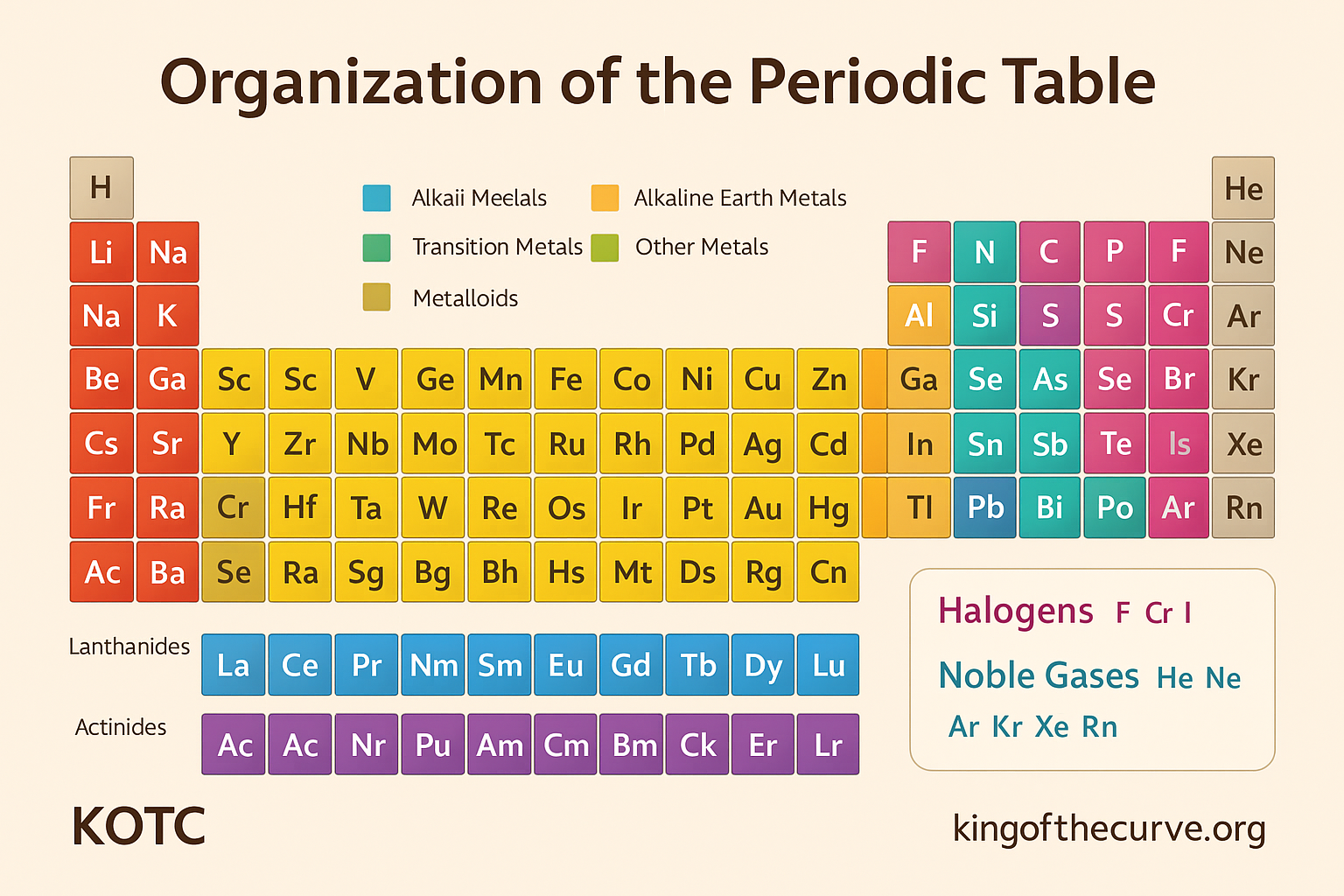
🧪 Mastering the Periodic Table: Group Trends and MCAT Relevance
Understand how the periodic table is organized with this KOTC visual guide. Learn MCAT-relevant element groups, periodic trends, and chemistry strategies.

🩺 How to Secure Strong Letters of Recommendation for Residency
Learn how to request, manage, and strengthen your residency letters of recommendation. Tips for medical students from clinical rotations to ERAS.

🔌 Ohm’s Law Explained: DAT Physics Circuit Questions Made Simple
Learn Ohm’s Law and master circuit problems for the DAT physics section. Includes formulas, visuals, and KOTC tips to boost your score.

Beta-Blockers Explained for USMLE Step 1: Selectivity, Uses, and Side Effects
Understand beta-blocker selectivity, mechanisms, and clinical uses for Step 1 success. Includes mnemonics, high-yield facts, and KOTC visual aid.
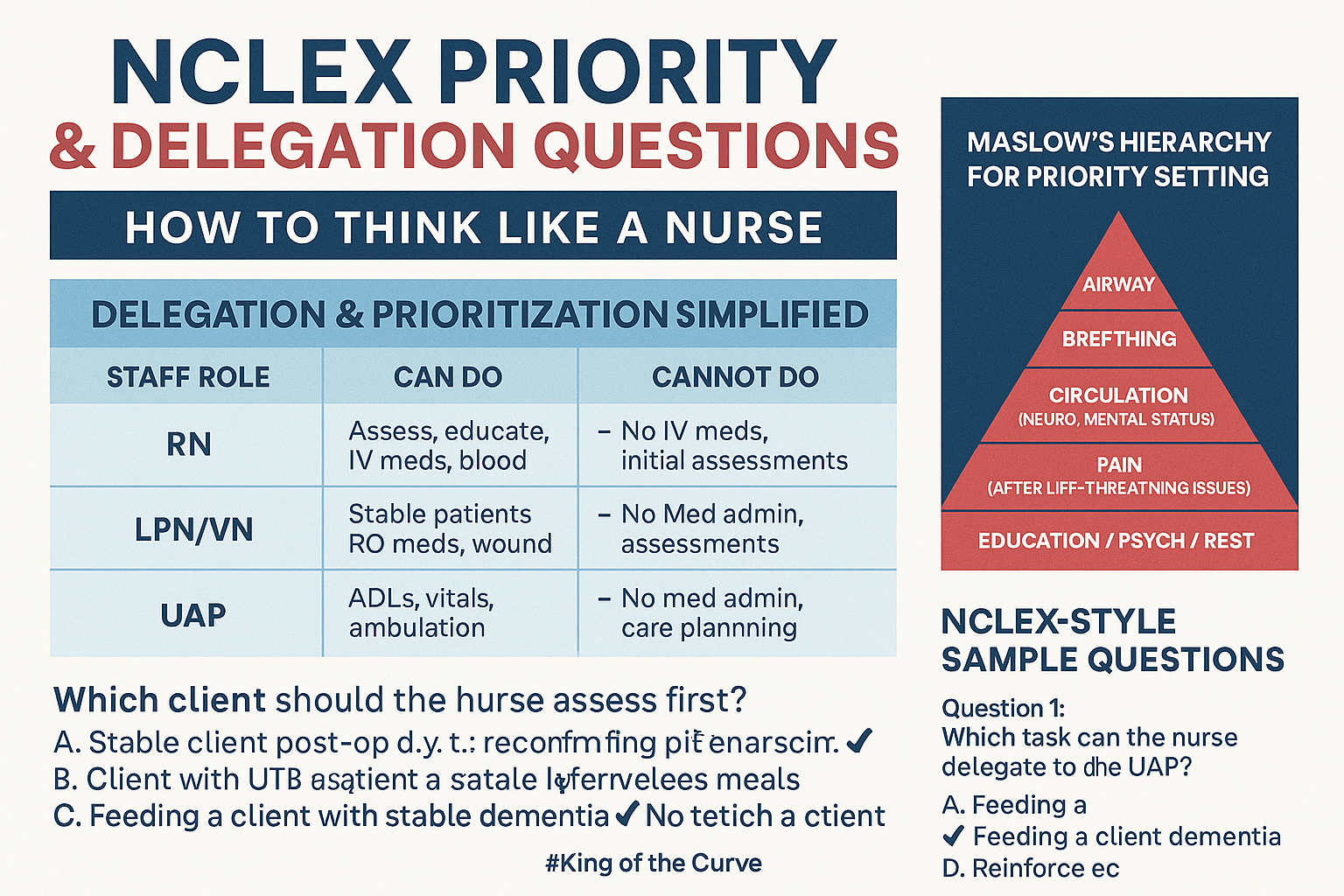
🧠 NCLEX Priority & Delegation Questions: How to Think Like a Nurse
Master NCLEX priority and delegation questions with real examples, decision rules, and KOTC visual mnemonics that make it easy to apply in exam scenarios.

⚡ The Reflex Arc: Fast, Focused, and MCAT-Tested
Learn the structure and function of the reflex arc using a KOTC visual. Understand how sensory neurons and the spinal cord trigger fast responses, and how this applies to the MCAT.

🩺 How to Balance Step 2 CK Prep During Clinical Rotations
Struggling to find time for Step 2 CK while on rotations? This guide shows medical students how to study smart and stay consistent during clerkships.

🧪 SN1 vs SN2 Reactions: Key Differences for the DAT Organic Chemistry Section
Struggling to tell SN1 from SN2? Learn the differences in mechanism, rate law, and stereochemistry. Ideal for the DAT organic chemistry section.
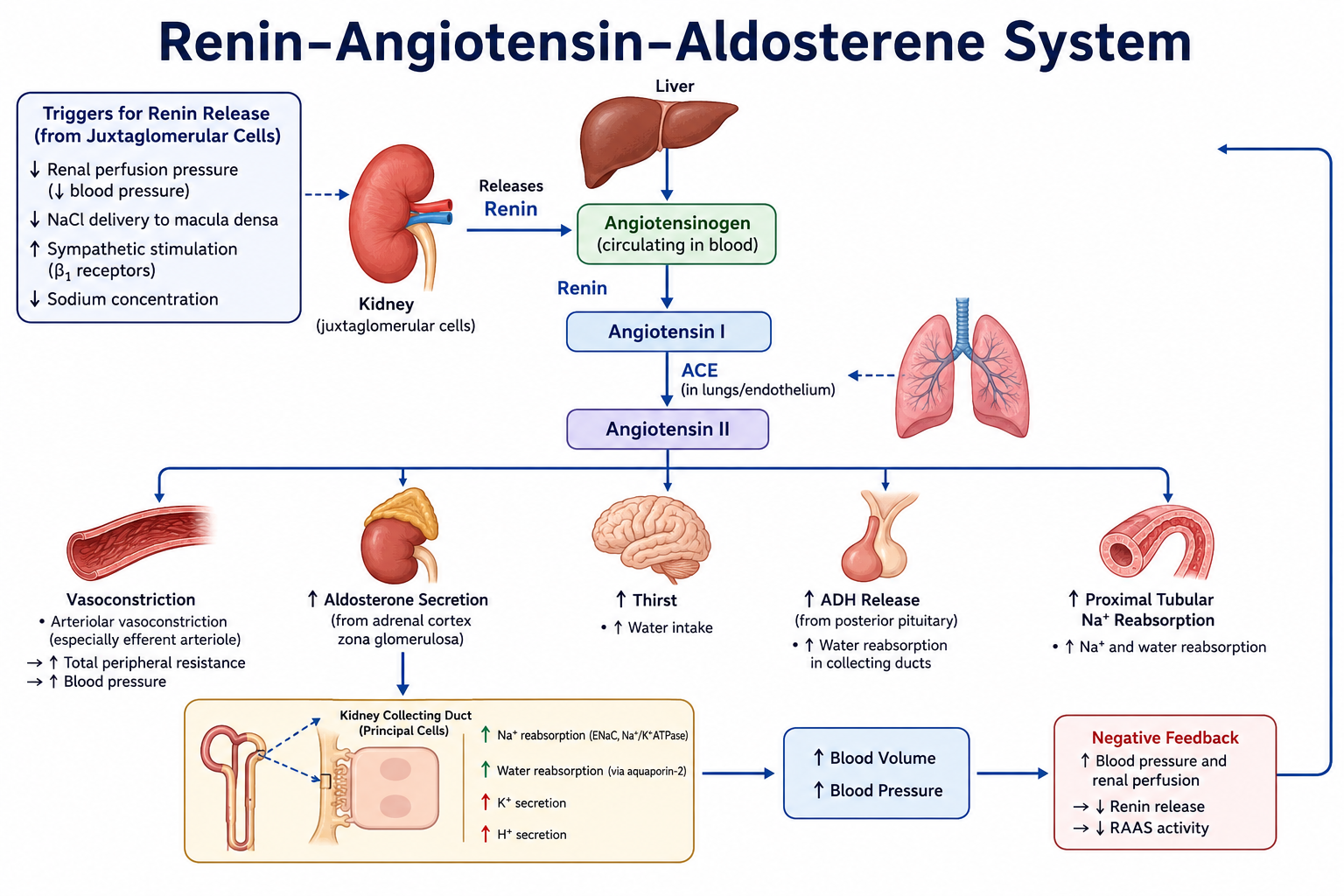
🧠 RAAS Pathway Explained: Master Renin-Angiotensin-Aldosterone for USMLE Step 1
Simplify the renin-angiotensin-aldosterone system (RAAS) with visuals and test-day strategies. Perfect for acing USMLE Step 1 renal and cardiovascular questions.

🧠 Mastering NCLEX Pharmacology: Top Drugs You Must Know
Ace NCLEX pharmacology with this cheat sheet of the most commonly tested drugs. Includes key side effects, nursing tips, and visual mnemonics.

👁 Blepharitis Explained: What Every MCAT Student Should Know
Understand blepharitis with a KOTC medical visual. Learn the causes, symptoms, and how this condition relates to inflammation and microbiology for the MCAT.

🩺 How to Excel in OSCEs: Practical Tips for Medical Students
Struggling with OSCE prep? Learn proven strategies to succeed in clinical skills exams with KOTC tools, checklists, and confidence boosters.

🧪 Mastering pKa and Ka for the DAT: Acid-Base Chemistry Simplified
Confused about Ka and pKa? Learn how to interpret and apply these acid-base constants for DAT success. Includes visuals, tips, and KOTC exam strategies.

Henderson-Hasselbalch Equation Made Simple: Buffer Systems for USMLE Step 1
Understand the Henderson-Hasselbalch equation and how it explains pH, pKa, and buffer systems in physiology, with visuals to boost your USMLE Step 1 prep.

🧠 How to Interpret Lab Values for the NCLEX: A Visual Cheat Sheet
Learn normal lab value ranges for NCLEX success. Use KOTC’s visual guide to interpret labs and answer priority questions like a pro.