

Acid-Base Chemistry – Mastering pH, pKa, and Buffers for the DAT
Acid-base chemistry might feel straightforward at first—until you're knee-deep in pKa tables, confusing buffer calculations, and weirdly worded DAT questions. Sound familiar?
This guide will help you decode the acid-base section on the DAT using simplified breakdowns, key strategies, and King of the Curve’s powerful visuals. Let’s turn this tricky topic into one of your strongest!

Anki vs. Traditional Studying: What Works Best for Med Students?
If you're in med school or prepping for the MCAT/USMLE, you've definitely heard of Anki. It's the flashcard app that’s taken over med student study culture. But is it really better than handwritten notes or rereading your textbook? Today, we’re breaking down the science of studying, how different methods stack up, and where King of the Curve fits into your long-term memory strategy.

Mastering Ascribed vs Achieved Status for the MCAT: A High-Yield Sociology Topic
Not all MCAT challenges come from biochemistry or physics—some of the sneakiest questions hide in the Sociology & Psychology section. One classic concept that trips up test-takers? Ascribed vs Achieved Status. This is where King of the Curve’s signature visuals can turn memorization into real understanding. Let’s break down this high-yield topic and how it shows up in MCAT-style passages.

The Rule of Nines Every Nursing Student Needs for the NCLEX
When seconds count, accurate burn assessment can be the difference between life-saving care and missed priorities. That’s why Total Body Surface Area (TBSA) is such a high-yield topic on the NCLEX. It’s part of trauma protocols, fluid resuscitation, and emergency triage—and it’s a concept every nursing student needs to understand before test day.
Let’s break it down with a visual you’ll never forget.

Cytokine Storms & Immune Dysregulation – What Step 1 Wants You to Know
The term “cytokine storm” exploded into public awareness during the COVID-19 pandemic—but it’s been a favorite on USMLE exams for years. Whether it’s sepsis, autoimmune disorders, or viral infections, understanding cytokine-mediated immune dysregulation can help you nail immunology questions on both Step 1 and Step 2.
In this blog, we’ll break down how cytokine storms work, when to expect them on the USMLE, and how to master the concept using a powerful KOTC science visual.

Why Archimedes’ Principle is a Must-Know for the MCAT
Understand Archimedes’ Principle and how it appears on the MCAT and DAT. Learn how buoyant force relates to displaced fluid and see how King of the Curve visuals simplify complex concepts.

Normal vs. Cirrhotic Liver: What Every Nursing Student Needs to Know for the NCLEX
Liver cirrhosis is more than just a chronic disease—it's a high-yield NCLEX topic that intersects with pathophysiology, pharmacology, and nursing interventions. Whether you’re studying GI disorders or prepping for questions on impaired metabolism, understanding the visual and clinical differences between a normal liver and a cirrhotic liver is a must-know for every nursing student.

Psych/Soc on the MCAT: Must-Know Theories & Terms for a Higher Score
The Psychology/Sociology section on the MCAT is often underestimated—until you realize it makes up 25% of your total score. With a strong foundation in key theories and terms, this section can become a score-booster. Today, we're breaking down the must-know Psych/Soc content, plus how to recognize these concepts in MCAT-style passages.

How to Master General Chemistry Stoichiometry for the DAT
If you're preparing for the DAT, you’ve likely hit a wall at least once trying to balance chemical equations or convert between moles and grams. Stoichiometry isn’t just a fundamental chemistry concept—it’s a must-know for test day.

Mastering Renal Physiology – Tackling Acid-Base Disorders
Learn how to confidently approach acid-base disorders on the USMLE. This renal physiology guide includes a powerful visual from King of the Curve and test-day strategies.

MCAT Passage-Based Questions: The Best Approach to Answering Them
The MCAT isn’t just about content recall—it’s about applying knowledge in a passage-based format that mimics real research and clinical scenarios. These questions make up the majority of the exam, and mastering them is crucial to a high score. Here’s how to effectively approach MCAT passage-based questions using insights and tools from King of the Curve (KOTC).

The Biggest MCAT Mistakes & How to Avoid Them
The MCAT is one of the most important exams for aspiring medical students, and success depends not just on what you do right—but also on avoiding key pitfalls. Let’s dive into the most common MCAT mistakes students make and how to steer clear of them using insights and tools from King of the Curve (KOTC).

DNA Replication: Mastering the Mechanism for the DAT
DNA replication is a high-yield topic on the DAT biology section. It’s a process fundamental to life, and understanding its enzymes, directionality, and fidelity will help you crush the molecular biology questions.
In this blog, we’ll break down DNA replication step by step, showing how each component plays a critical role. This is also an ideal time to pair these concepts with KOTC’s signature visuals that make memorization effortless.

Blood Transfusion Reactions: Causes, Symptoms, and Nursing Implications (Copy)
SIADH, or Syndrome of Inappropriate Antidiuretic Hormone Secretion, is a common cause of euvolemic hyponatremia and a favorite topic on the USMLE Step 1 and Step 2. This blog breaks it down with easy mnemonics, clear tables, and visuals, so you can lock this in for test day!

Blood Transfusion Reactions: Causes, Symptoms, and Nursing Implications
Blood transfusions are life-saving procedures used in medical treatments, but they are not without risks. Some patients experience adverse reactions that can range from mild allergic responses to severe, life-threatening complications. Understanding these reactions is crucial for healthcare professionals to recognize symptoms early and initiate appropriate interventions.

Anterior Parts of the Eye: MCAT High-Yield Visual Guide
The human eye is a complex optical system that allows us to perceive light, color, and depth. The anterior segment of the eye consists of structures crucial for focusing light and maintaining intraocular pressure (IOP). Understanding the cornea, lens, and anterior chambers is essential for MCAT biology and physics sections.
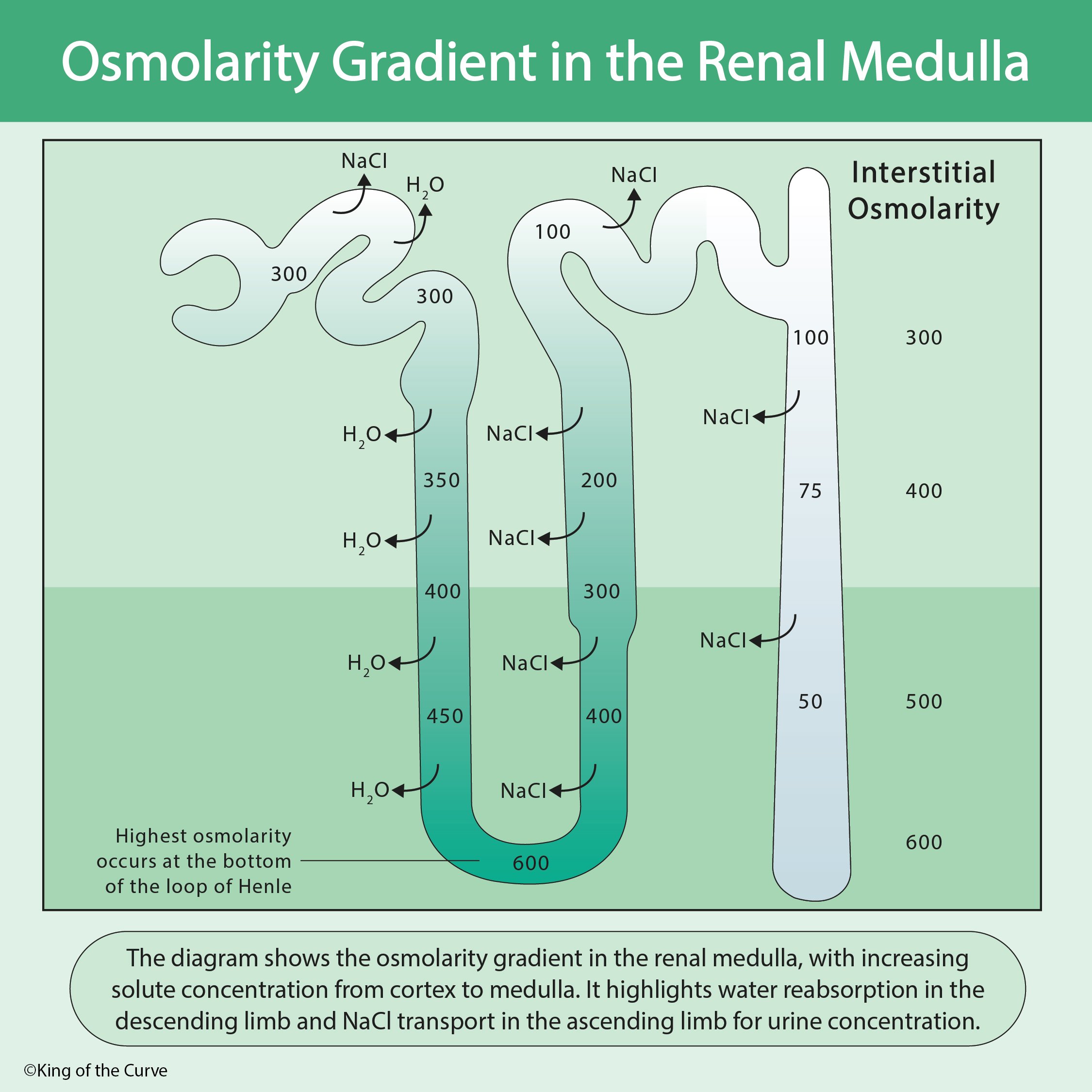
The Importance of Renal Physiology – A Key Concept for the DAT
The kidneys are vital organs responsible for filtering blood, maintaining homeostasis, and regulating blood pressure. Their ability to remove waste, balance electrolytes, and control fluid levels makes them a crucial topic on the DAT biology section.
In this blog, we’ll break down renal physiology, focusing on the nephron, filtration, and urine formation.

Mastering Heart Murmurs for the USMLE: Types, Mnemonics, and Diagnosis
Learn how to identify and differentiate heart murmurs for the USMLE, including systolic vs. diastolic murmurs, auscultation locations, and key mnemonics.

Basic Life Support (BLS) for Neonates and Infants: A Step-by-Step Guide
Learn how to perform CPR on infants using the correct chest compression technique, hand placement, and breathing support. Essential guide for USMLE, NCLEX, and PALS.

Annular Pancreas: Developmental Anomaly & MCAT High-Yield Facts
Learn about Annular Pancreas, a congenital GI defect causing duodenal obstruction. High-yield MCAT review with visuals and clinical correlations.