

😴 Types of Sleep Disorders on the MCAT
Learn how to distinguish Dyssomnias and Parasomnias for the MCAT with real examples, clinical insight, and test-day tips.

🧠 Understanding Types of Individual Traits for the MCAT
Learn cardinal, central, and secondary traits for the MCAT with definitions, visuals, and scenarios. Psychology made easy by King of the Curve.

🧠 Three Theories of Language Development: MCAT Study Breakdown
Learn the behaviorist, nativist, and interactionist theories of language development for the MCAT. Includes chart, examples, and sample question.

🧠 The Seven Universal Human Emotions on the MCAT: Recognizing Core Affective States
Learn about the seven universal human emotions and how they appear on the MCAT. Includes tips, tables, sample question, and visuals.

🧠 Self-Fulfilling Prophecy on the MCAT: How Beliefs Shape Behavior
Understand the self-fulfilling prophecy and how it appears on the MCAT. Learn examples, MCAT-style tips, and key psychology concepts.
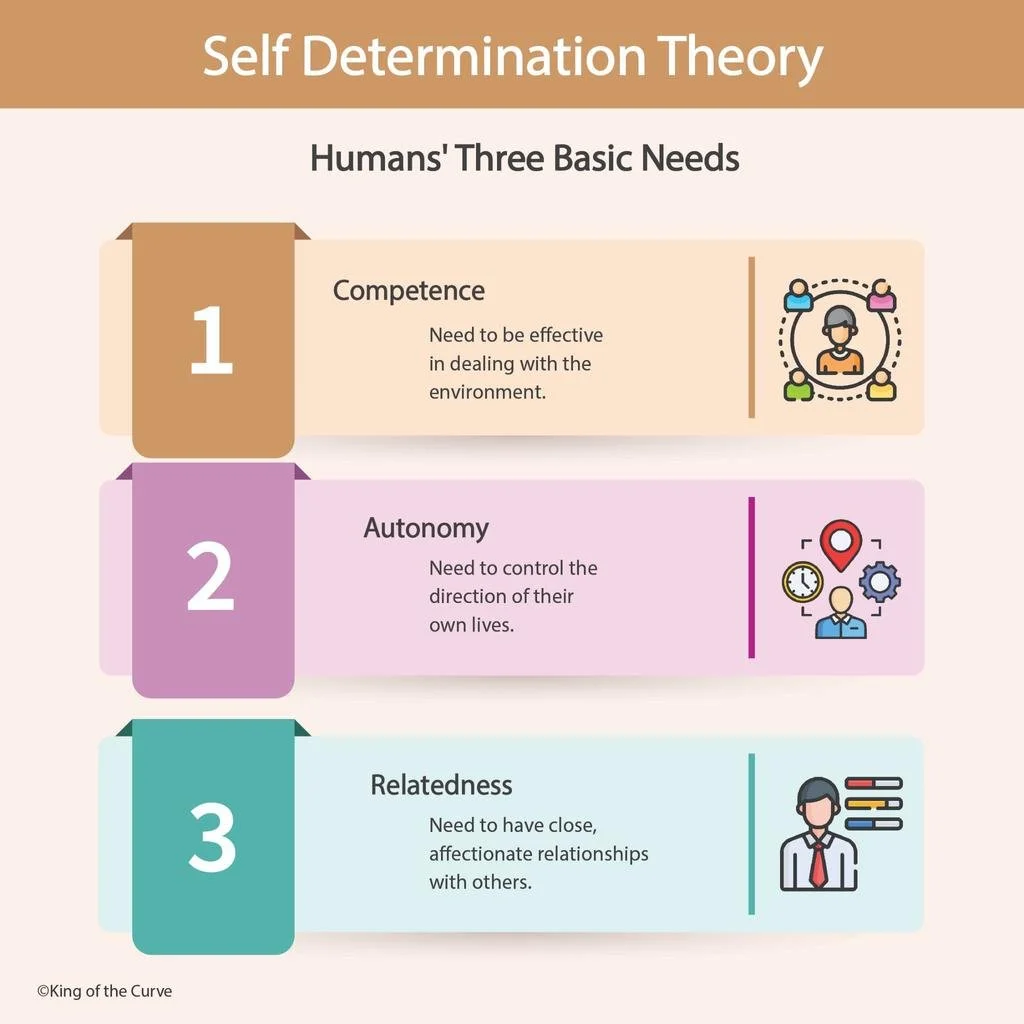
🧠 Self-Determination Theory (SDT): The Psychology Behind Motivation
Discover how Self-Determination Theory explains human motivation through three basic psychological needs: competence, autonomy, and relatedness. A must-read for psychology learners!

🧠 Retrieval: Accessing Long-Term Memory
Discover how memory retrieval works in psychology. Learn the types of retrieval—recall, recognition, and relearning—and how they impact learning and exam performance. Ideal for MCAT, USMLE, and NCLEX prep.

🧠 Prejudice: Understanding Bias and Stereotypes
Explore the meaning of prejudice, how stereotypes form, and their impact on marginalized groups. Learn strategies to reduce bias and promote equity and inclusion.

🏛 What Is an Oligarchy? Definition, History & Modern Implications
From ancient Sparta to modern corporate influence—learn how oligarchies shape society, and why understanding them is vital today.

🧠 OCD vs OCPD: Understanding the Key Differences
Learn the core differences between OCD and OCPD. Understand symptoms, causes, and treatment options for these two distinct mental health conditions.
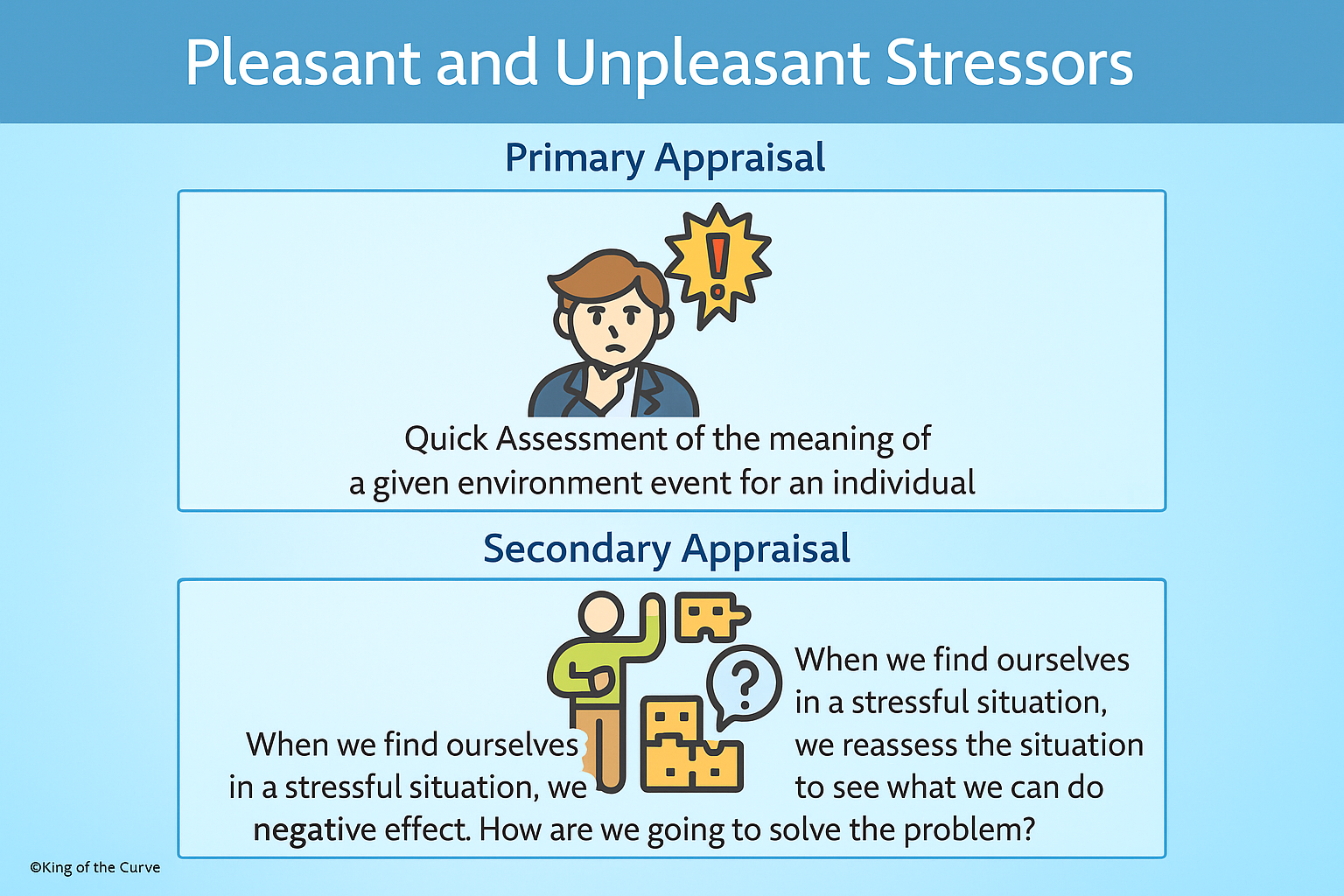
🧠 How Your Brain Judges Stress: Appraisal Theory for the MCAT and NCLEX
Understand primary and secondary appraisal in stress theory. Learn how to apply this key concept on the MCAT and NCLEX with examples and visuals.

💡 Peer Pressure and Decision-Making: What Every Premed Needs to Know
Learn how peer pressure impacts decisions on the MCAT & NCLEX. Boost your prep with King of the Curve’s visuals, ethics insights, and study tips.

🧠 Functional Fixedness: The Thinking Trap You’ll See on the MCAT
Understand functional fixedness with a KOTC visual example. Learn how this cognitive bias limits problem-solving and appears on the MCAT.
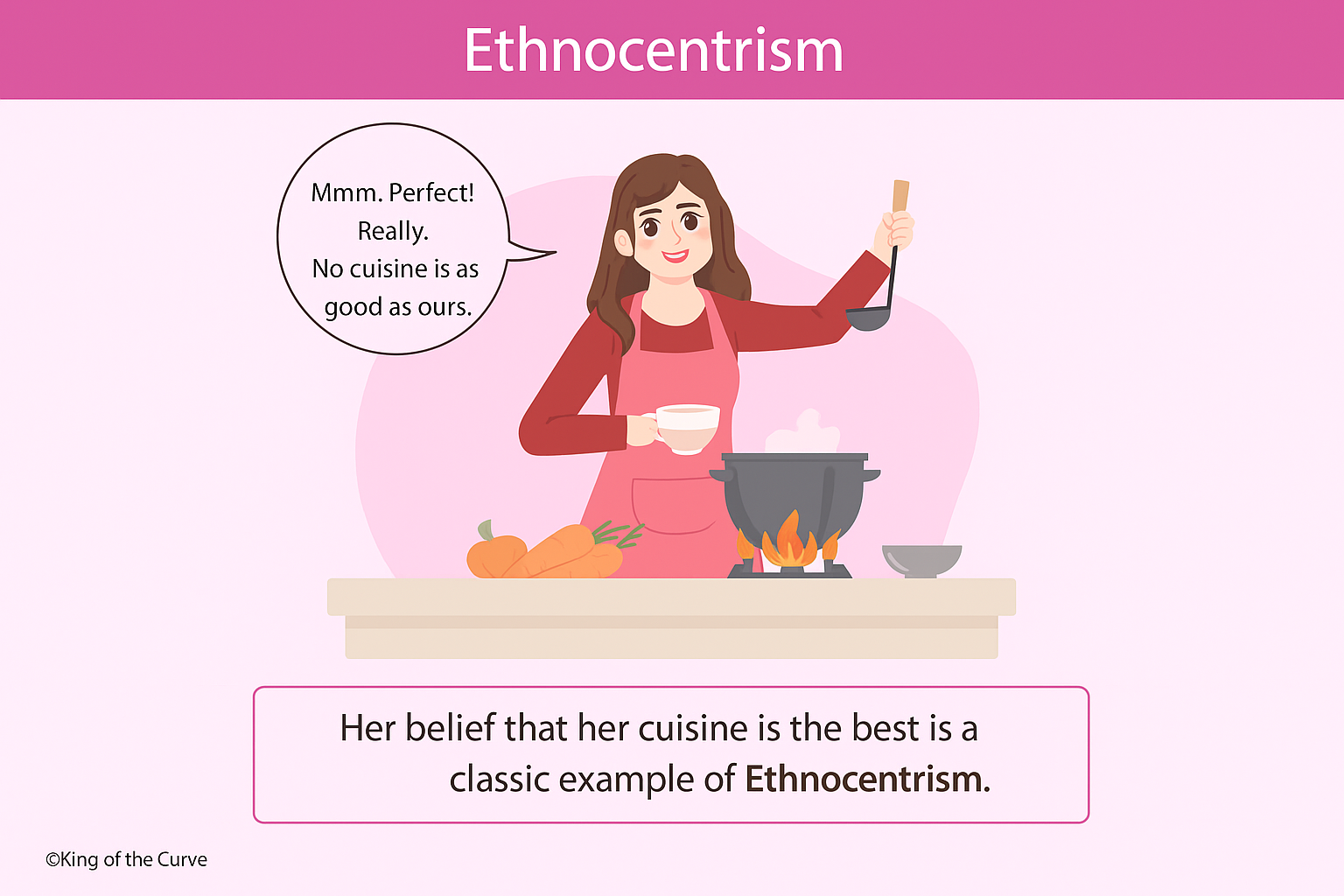
🌍 Understanding Ethnocentrism: Why It Matters for the MCAT
Master ethnocentrism with this MCAT-ready KOTC visual. Learn how cultural bias impacts society and how to distinguish it from cultural relativism.
🎯 Incentive Theory of Motivation: What Drives Us?
Learn how incentive theory explains human motivation through external rewards. Get MCAT-ready with examples, comparisons, and a custom KOTC visual.
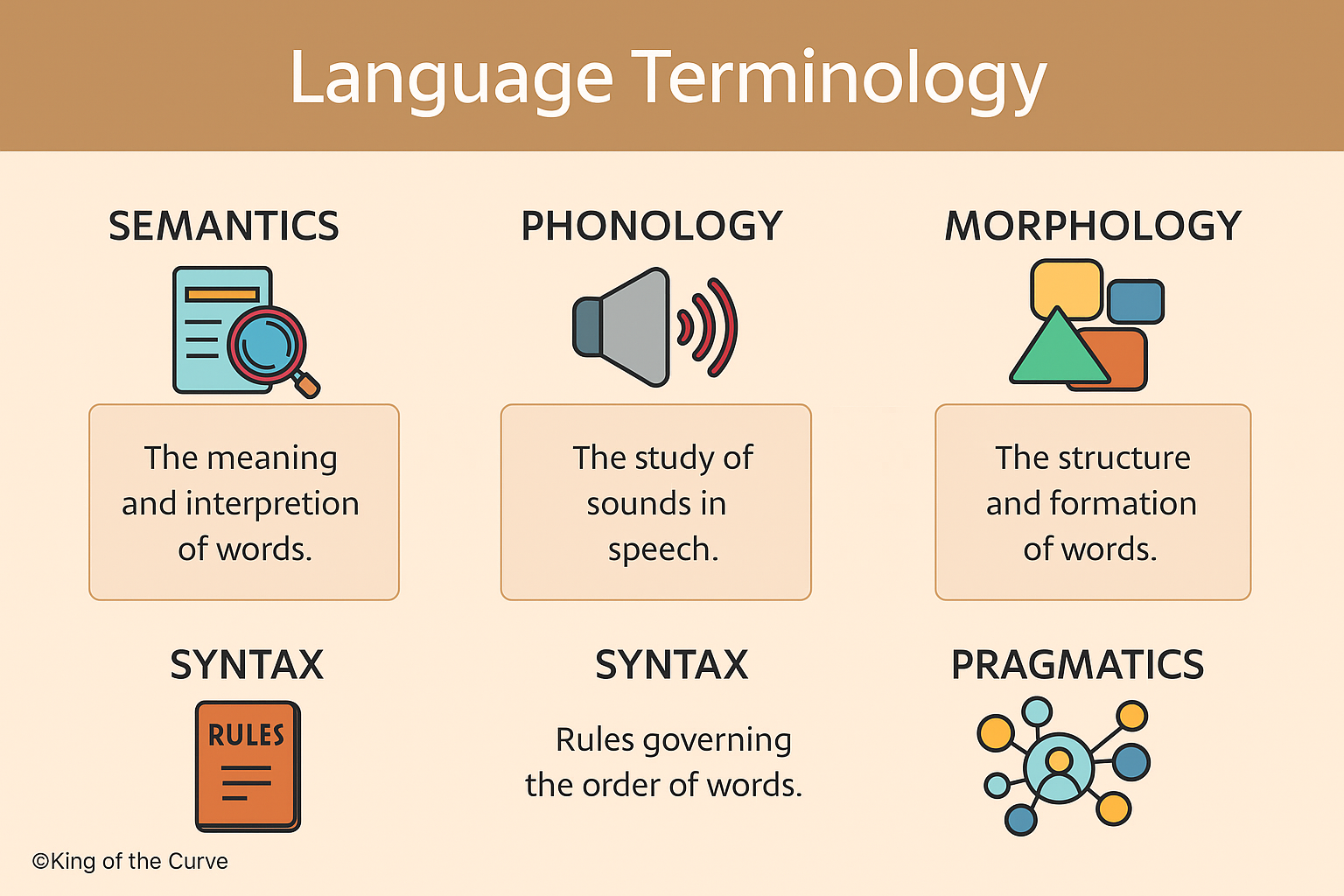
🧠 Mastering Language Terminology: Key Concepts for the MCAT & Psychology
Explore the five core components of language—semantics, phonology, morphology, syntax, and pragmatics—and understand their relevance to the MCAT and psychology exams.

👀 Observational Learning: The Psychology of Watching and Doing
Discover how observational learning shapes behavior through imitation and modeling, a key topic for the MCAT and USMLE psychology sections. Featuring a KOTC science image.

🧠 Functional Theory of Attitudes: A Key Concept for MCAT Psychology
Understand the four core functions of attitudes—utilitarian, knowledge, self-expressive, and ego-defensive—for the MCAT. Includes examples, applications, and a visual chart.

Instinct Theory and Evolutionary Perspective: Understanding Innate Human Behaviors
Discover how the Instinct Theory and Evolutionary Perspective explain innate, unlearned behaviors across species—including humans. Ideal for MCAT and USMLE prep.

Dispositional vs. Situational Attribution: MCAT Psychology Made Simple
Understand the difference between dispositional and situational attribution for the MCAT. This King of the Curve visual clarifies how people assign causes to behavior—essential for psych/soc success.