

Classical Conditioning for the MCAT: Pavlov’s Dog Explained
Learn the essentials of classical conditioning for the MCAT. King of the Curve’s visual explains how neutral stimuli become linked with natural responses—perfect for psychology prep.

Attribution Theory for the MCAT: Dispositional vs Situational Thinking
One of the most important—and most tested—concepts in MCAT psychology is attribution theory. This theory explains how people interpret the causes of behavior. Did someone act a certain way because of who they are—or because of their situation?

The 3 Components of Attitude for the MCAT: Cognitive, Affective, Behavioral
One of the most frequently tested psych/soc topics on the MCAT is attitude—especially how it's structured. The tri-component model of attitude breaks down attitudes into three parts: cognitive, affective, and behavioral. If you've ever had a belief, a feeling, and then acted on it—you’ve experienced this model in real time.

Attachment Theory for the MCAT: Secure, Dismissive, Fearful & Preoccupied Explained
Attachment theory isn’t just a buzzword in psychology—it’s a testable MCAT concept, especially in the Psych/Soc section. Whether it’s a child clinging to a caregiver or an adult avoiding emotional intimacy, the four core attachment styles explain behavioral patterns that are ripe for MCAT scenarios.
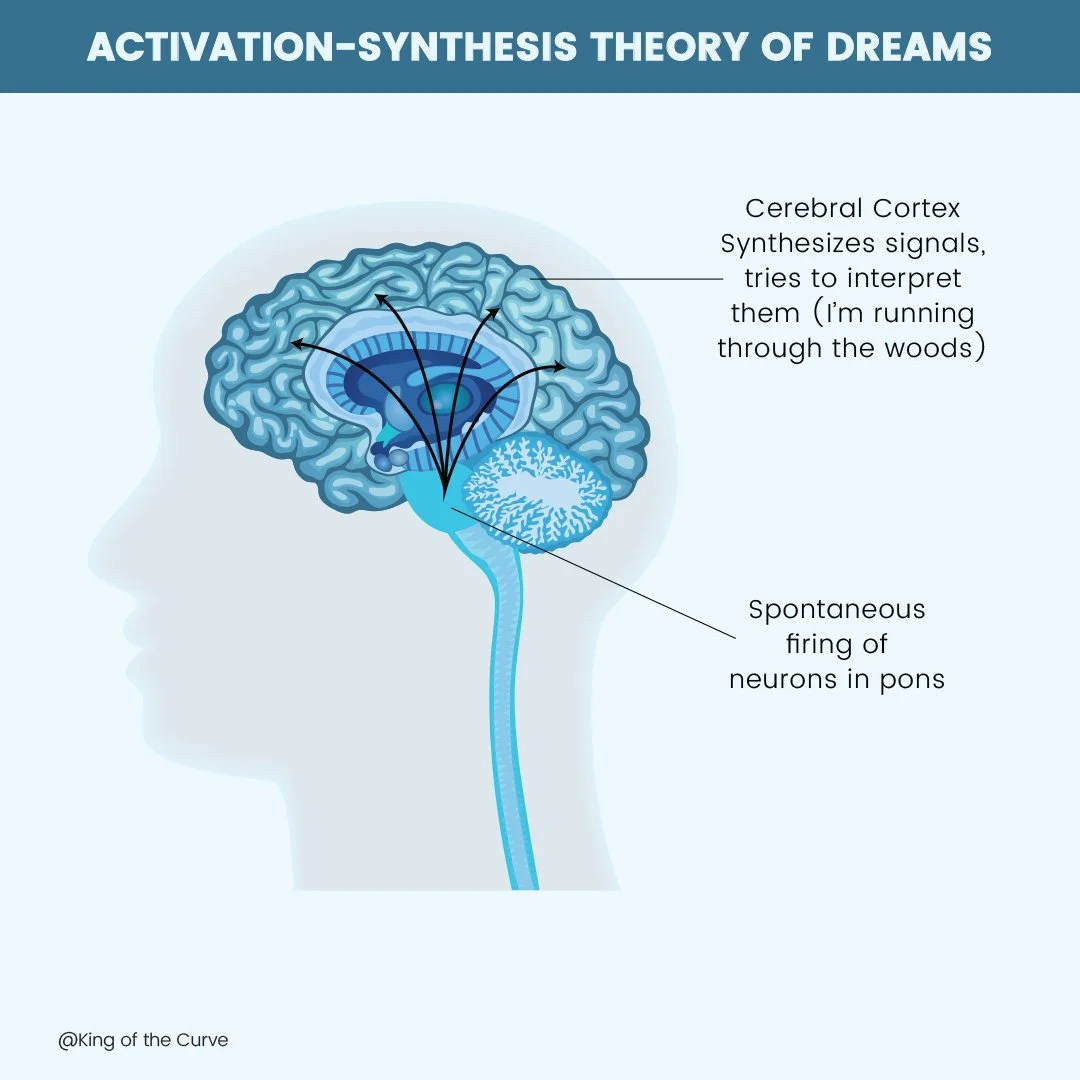
Understanding the Activation-Synthesis Theory of Dreams
Learn about the activation-synthesis theory of dreams, a key MCAT psychology concept. Discover how spontaneous neural firing creates dream experiences and how the brain interprets them.